2026's Top 5 Technologies in Industrial Sewage Treatment
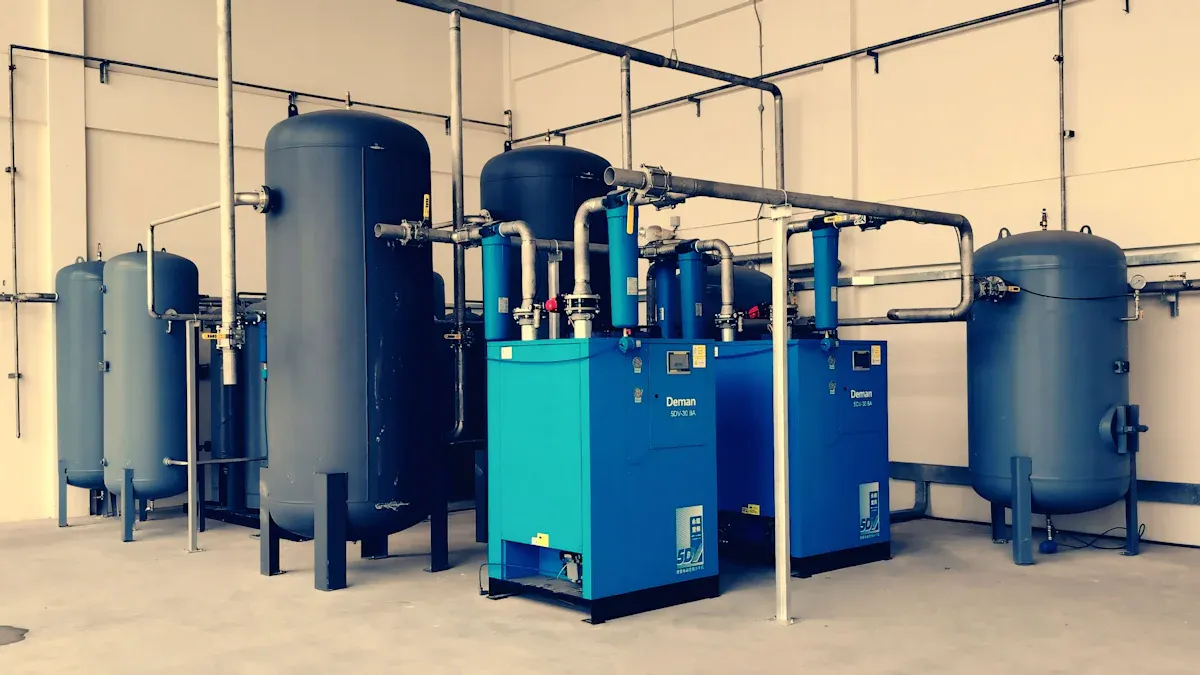
Five transformative technologies drive industrial water management in 2026. These are AI-Powered Digitalization, Advanced Resource Recovery, Decentralized Modular Systems, Enhanced Nature-Based Solutions, and Zero-Liquid Discharge (ZLD). Adopting these innovations is essential for any industrial sewage treatment plant. They enhance operational efficiency and help achieve critical sustainability targets. Stricter global rules also make them necessary for compliance.
Global Regulatory Snapshot: 2026 Outlook The following table highlights key regulatory drivers in the EU and US, shaping technology adoption.
Feature European Union (EU) United States (US) Primary Driver Chemical Toxicity (PFAS) Water Scarcity & Pollutant Limits Framework Water Framework Directive Clean Water Act (NPDES) Discharge Philosophy Polluter Pays (Source Treatment) Best Available Technology (BAT)
Key Takeaways
- New technologies like AI and resource recovery make industrial sewage treatment better and cheaper.
- Modular systems and nature-based solutions offer flexible and eco-friendly ways to clean water.
- Zero-Liquid Discharge (ZLD) helps industries reuse almost all their water, which is good for places with little water.
1. AI-Powered Digitalization and Smart Operations
AI-powered digitalization is no longer a future concept; it is a present-day reality. Smart operations use artificial intelligence to transform raw data into actionable intelligence. This technology allows plant operators to move from reactive problem-solving to predictive, optimized management.
Mechanism: Real-Time Data for Predictive Control
AI systems form the digital brain of a modern industrial sewage treatment plant. They connect to a network of IoT sensors placed at key points in the treatment process. These sensors provide a constant stream of data. AI algorithms analyze this information instantly. This allows for dynamic control over operations.
Key parameters monitored in real-time include:
- pH Levels
- Turbidity and suspended solids
- Dissolved Oxygen (DO)
- Chemical Oxygen Demand (COD)
- Ammonia and nitrate levels
This continuous monitoring enables the system to predict trends and recommend adjustments before a problem occurs.
Core Benefit: Slashing Operational Costs
The primary benefit of AI is a significant reduction in operational expenditures (OPEX). AI optimizes the use of energy and chemicals, which are two of the largest costs in wastewater treatment. Machine learning models analyze influent loads and adjust aeration or chemical dosing with precision. This data-driven approach eliminates waste from over-application.
Facilities implementing AI-driven controls have reported chemical usage savings between 10-30% and overall energy cost reductions of up to 30%.
Impact: Boosting Compliance and Efficiency
AI-driven optimization directly improves efficiency and ensures regulatory compliance. For example, the Cuxhaven treatment plant in Germany used AI to create a "digital twin" of its facility. This led to a 30% reduction in aeration energy while maintaining strict effluent quality. Similarly, a major UK utility avoided millions in potential non-compliance penalties by using AI to gain actionable insights. AI also powers predictive maintenance, generating alerts for equipment like pumps and filters. This prevents unexpected failures and costly downtime.
2. Advanced Resource Recovery and Water Reuse
The paradigm for industrial wastewater is shifting. It is no longer just a liability to be treated and discharged. Instead, it is a resource-rich stream waiting for valorization. Advanced recovery technologies are turning this concept into a profitable reality.
Mechanism: From Waste Stream to Value Stream
Modern recovery systems transform an industrial sewage treatment plant into a production facility. These technologies use advanced separation techniques to isolate and extract valuable materials directly from the wastewater. This process effectively converts a waste stream into multiple value streams. Recoverable resources include:
- Nutrients: Nitrogen and phosphorus for fertilizers.
- Energy: Biogas from the anaerobic digestion of organic matter.
- Metals: Copper, silver, lead, and other valuable metals.
- Chemicals: High-quality salts like sodium chloride and sodium sulfate.
Core Benefit: Creating a Circular Economy
Resource recovery is the engine of a circular economy in water management. It closes the loop by turning waste outputs into valuable inputs for other processes. For example, technologies can produce elemental white phosphorus from sludge for industrial use. Other methods use modified ceramsite to capture nitrogen and phosphorus. This N&P-adsorbed material becomes an eco-friendly, slow-release fertilizer, returning nutrients to the agricultural cycle. This approach minimizes waste and reduces reliance on virgin resources.
Impact: Offsetting Treatment Costs
The most compelling driver for resource recovery is its financial impact. Selling recovered materials creates new revenue streams that can significantly offset operational costs. The market for these resources is growing rapidly.
The global market for nutrient recovery from wastewater is projected to reach USD 12.2 billion by 2033. The market for struvite, a recovered phosphate mineral, is expected to hit USD 233.61 million in 2026 alone.
This economic incentive makes treatment less of a cost center and more of a strategic business unit.
3. Decentralized and Modular Treatment Systems
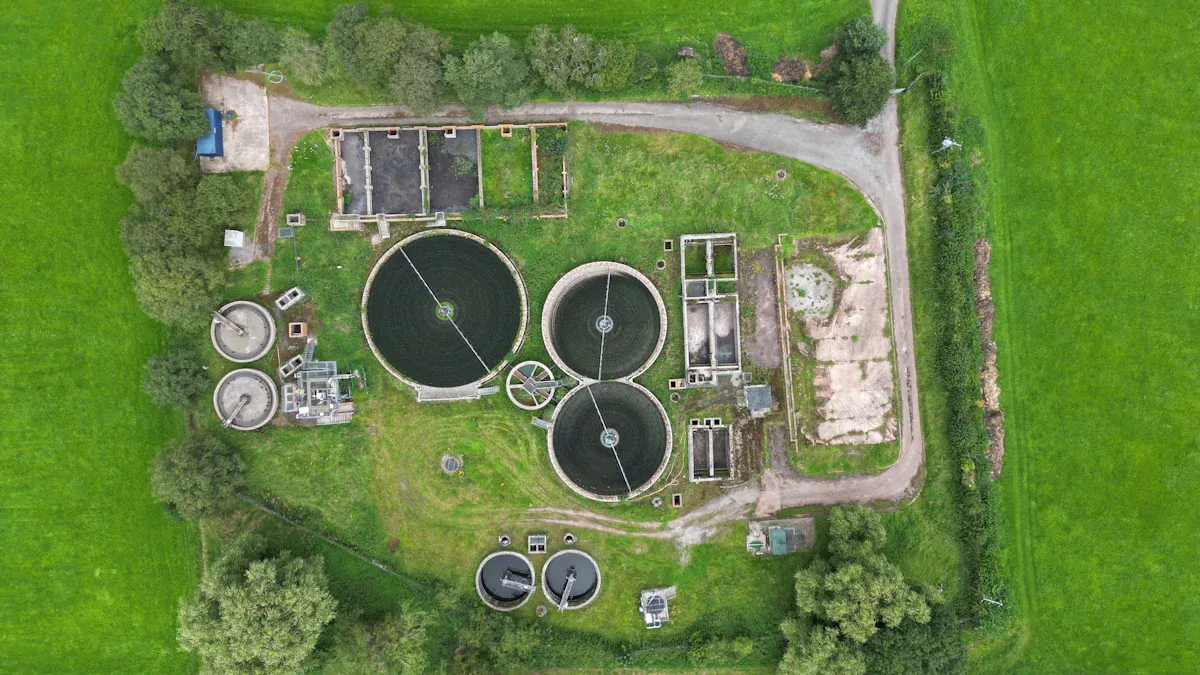
The era of massive, centralized infrastructure is giving way to a more agile model. Decentralized and modular systems treat wastewater at or near the source. This approach offers unmatched flexibility for modern industry.
Mechanism: Flexible, Scalable On-Site Solutions
Modular systems consist of prefabricated, containerized units. These units, such as Membrane Bioreactors (MBRs), combine biological and physical treatment into a compact footprint. This design allows an industrial sewage treatment plant to scale its capacity easily. Operators can add or remove modules to match fluctuating wastewater loads. For example, a system in India used a modular MBR process to achieve over 96% COD removal. The treated water became suitable for irrigation, demonstrating the high efficiency of these on-site solutions.
Core Benefit: Phased Investment and Rapid Deployment
Modular systems fundamentally change project timelines and financial planning. Traditional plant construction takes years. Modular units are factory-built and tested, reducing on-site work.
A modular system can be deployed and commissioned in just a few months, compared to the multi-year timeline for a centralized plant.
This speed allows facilities to meet urgent regulatory deadlines. It also enables phased investment. Companies can install capacity for current needs and add more units later as the facility expands. This avoids massive upfront capital expenditure.
Impact: Enhancing System Resilience
Decentralized treatment enhances operational resilience and water security. On-site systems give facilities control over their water supply, which is critical for industries like data centers and food and beverage manufacturing. They are not dependent on municipal infrastructure, which can be vulnerable to disruptions. A modular approach also provides resilience against demand spikes. For instance, two Nevada towns used a custom modular tank system to overcome terrain challenges and manage wastewater effectively, proving the system's adaptability to unique site conditions.
4. Enhanced Nature-Based Solutions (NBS)
Enhanced Nature-Based Solutions (NBS) harness and amplify natural processes for wastewater treatment. These systems, like advanced biofilters and constructed wetlands, offer a green alternative to purely mechanical infrastructure. They are becoming a key component of a modern industrial sewage treatment plant.
Mechanism: Advanced Biofilters and Constructed Wetlands
Constructed wetlands (CWs) are engineered ecosystems that use natural vegetation, soils, and microbial life to treat wastewater. They effectively remove industrial pollutants through a combination of physical, chemical, and biological actions. Key removal mechanisms include:
- Plant uptake of nutrients and contaminants
- Sorption of pollutants to organic matter
- Mechanical filtration and sedimentation
- Adsorption onto plant roots and filter media
For challenging industrial chemicals, CWs can be integrated with other technologies like Membrane Bioreactors (MBRs). This hybrid approach maximizes the removal of emerging micropollutants.
Core Benefit: Low-Energy, Sustainable Treatment
The most significant advantage of NBS is their minimal energy consumption. Unlike energy-intensive conventional systems, constructed wetlands rely on natural processes that require little to no external power. This leads to dramatic reductions in operational costs.
Algae-based systems, a type of NBS, demonstrate substantial energy savings compared to conventional methods.
Technology Type Energy Operating Cost Reduction (USD/m³) Algae-based (vs. Activated Sludge) 0.05–0.41
Some advanced NBS designs can even achieve 100% energy self-sufficiency by capturing biogas from organic matter.
Impact: Delivering Ecological Co-Benefits
Beyond treatment, NBS deliver valuable ecological benefits. Constructed wetlands create rich habitats that support local biodiversity. The Arcata Marsh and Wildlife Sanctuary in California is a prime example. It transformed a degraded industrial site into a thriving ecosystem supporting over 300 bird species. These systems act as green infrastructure, improving local water quality, providing recreational space, and enhancing the environmental profile of an industrial facility.
5. Zero-Liquid Discharge (ZLD) Systems
Zero-Liquid Discharge represents the ultimate goal in industrial water management. ZLD systems are advanced processes that eliminate all liquid waste from a facility's operations. This technology is becoming essential for industries facing extreme water scarcity and stringent environmental rules.
Mechanism: Eliminating Liquid Waste Entirely
A ZLD system uses a multi-step process to treat wastewater. The goal is to produce clean water for reuse and solid waste for disposal or recovery. Key technologies work together to achieve this.
- Membrane Processes: Reverse osmosis pre-concentrates the wastewater. It separates the flow into a clean water stream (permeate) and a concentrated brine stream (reject).
- Evaporators and Crystallizers: The brine is then sent to thermal systems. Evaporators boil the water, leaving behind an even more concentrated solution. Crystallizers take this solution and produce solid crystals and a small amount of sludge, leaving no liquid behind.
Core Benefit: Maximizing Water Reuse
The primary benefit of ZLD is its exceptional water recovery. A well-designed ZLD system can recover and reuse over 95% of a facility's wastewater. Some advanced systems even reach 99% recovery. This creates a closed-loop water cycle within the industrial sewage treatment plant. It dramatically reduces the need for fresh water intake. This is a critical advantage for facilities operating in water-stressed regions.
Impact: Meeting the Strictest Regulations
ZLD is the definitive solution for complying with the world's toughest discharge regulations. Countries like India and China have mandated ZLD for certain industries to protect vital rivers from pollution.
As one study noted, "stricter environmental regulations on wastewater discharge are expected, which will push more high-polluting industries toward ZLD."
This technology is crucial for sectors that produce highly contaminated wastewater. Key adopters include:
- Power generation
- Chemical and pharmaceutical manufacturing
- Textile production
- Mining and petrochemicals
By eliminating liquid discharge, these industries can operate sustainably and avoid significant non-compliance penalties.
6. Integrating Technologies in Your Industrial Sewage Treatment Plant
The most advanced facilities do not rely on a single solution. They integrate multiple technologies to create a powerful, synergistic system. This hybrid model maximizes efficiency, resilience, and financial return.
The Power of a Hybrid Approach
Combining technologies creates value that a single system cannot. For example, integrating resource recovery with a Zero-Liquid Discharge (ZLD) system makes the entire process more economical. ZLD aims to produce a clean water stream for reuse while minimizing liquid waste. When paired with a process like Pipe Freeze Crystallization (PFC), it also recovers valuable materials.
Cost-Benefit of Integrated ZLD
Treatment Method Operational Cost ($/m³) Recovered Resources Pipe Freeze Crystallization (PFC) 2.5 Na₂SO₄, Clean Water Distillation 4.5 N/A Evaporation Ponds 2.0 N/A
Recovering resources like sodium sulfate (Na₂SO₄) creates a new revenue stream. This income helps offset the operational costs of treatment.
Starting with a Digital Twin
A digital twin is the first step toward integration. It is a virtual model of your industrial sewage treatment plant. This "flight simulator" allows you to test changes without physical risk. You can simulate how new equipment or processes will perform under different conditions. This helps you optimize energy use, reduce chemical consumption, and predict outcomes before spending capital.
A Phased Rollout Strategy
Implementing a digital twin and new technologies follows a clear, phased strategy. This iterative approach ensures success and manages investment.
- Identify: Start with a small, actionable goal, like reducing chemical use.
- Assess: Review your current technology and resources to see what you have and what you need.
- Implement: Adopt an iterative process. Set clear goals and involve all stakeholders to make adjustments as you go.
- Use and Expand: Utilize the digital twin to achieve your first goal. Then, continuously add new features and tackle new optimization challenges over time.
This methodical rollout minimizes disruption and builds a smarter, more efficient facility step by step.
Five key technologies are transforming industrial wastewater management. AI, resource recovery, modular systems, NBS, and ZLD create a powerful framework. This system makes treatment more efficient, cost-effective, and environmentally sound.
Embracing these innovations is a strategic necessity. It future-proofs industrial operations in a resource-constrained world.
FAQ
Which technology should my plant adopt first?
Start with AI-powered digitalization. It creates a data foundation. This digital twin helps you model and justify all future technology investments for maximum impact and efficiency.
Are these advanced systems affordable for smaller facilities?
Yes. Modular systems allow phased investment. Nature-Based Solutions (NBS) offer low-energy, cost-effective alternatives. Both options provide scalable entry points for smaller industrial sewage treatment plants.
Is Zero-Liquid Discharge (ZLD) required for all industries?
No, ZLD is not a universal mandate. It is a strategic solution for industries in water-scarce regions or those facing the strictest discharge regulations, like textiles and power generation.