Best Steam Heat Exchanger Solutions for Your Plant
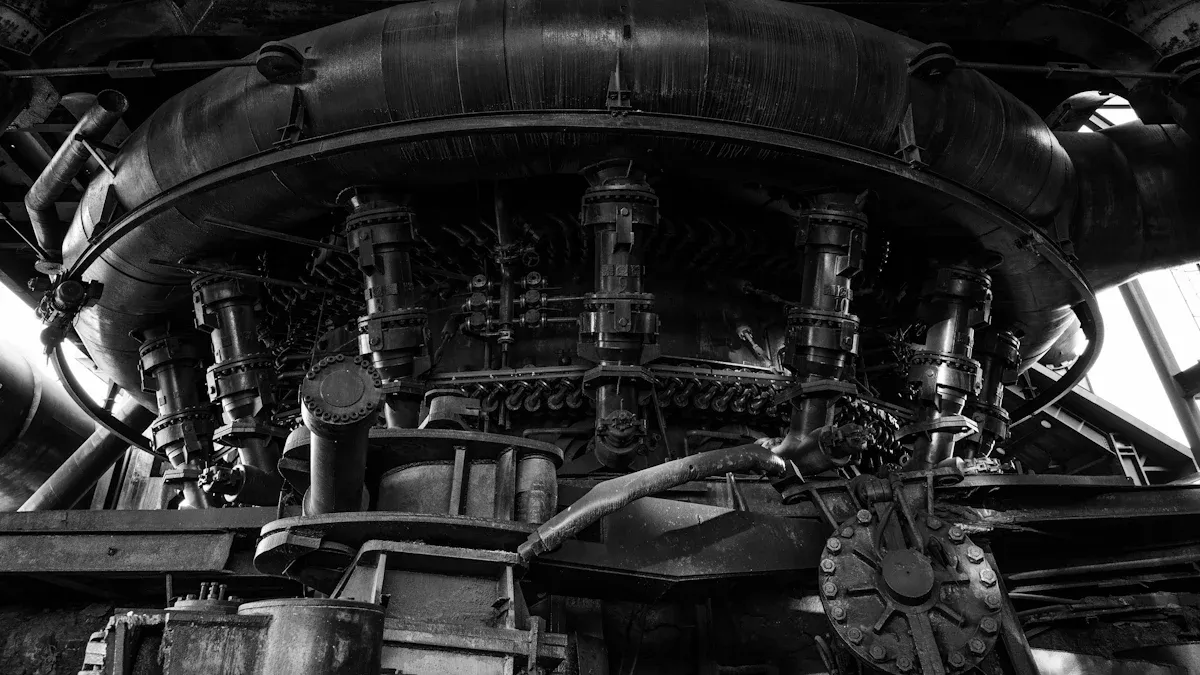
Selecting the best steam heat exchanger supplier is crucial for plant efficiency and reliable operations. Top suppliers for 2026 include Shanghai Plate Heat Exchanger, Kelvion, Chart Industries, Sterling TT, Geurts and Adamson Tank . Advanced technology and product performance drive energy savings, while easy maintenance supports long-term reliability.
Top Steam Heat Exchanger Suppliers
Leading Global Suppliers
Heat exchanger companies play a vital role in industrial operations. Global suppliers deliver reliable products and advanced technology to meet diverse plant requirements. Many manufacturers offer a broad product portfolio, including shell and tube heat exchanger and plate heat exchangers. The following list highlights some of the most recognized suppliers in the market:
Shanghai Plate Heat Exchanger (China): Delivers high performance and innovation in industrial heat exchangers.
Kelvion Holding GmbH (Germany): Focuses on energy efficiency and sustainability across its product portfolio.
Danfoss (Denmark): Provides quality solutions for various applications, including shell and tube heat exchangers.
Exchanger Industries Limited (Canada): Offers robust products for demanding environments.
Mersen (France): Specializes in high-performance solutions for chemical and power industries.
API Heat Transfer (US): Manufactures a wide range of heat exchanger products for industrial use.
Boyd (US): Supplies reliable heat exchanger products for critical processes.
H. Güntner (UK) Limited (Germany): Delivers quality and durability in heat exchanger design.
Johnson Controls (Ireland): Offers advanced heat exchanger technology for efficient plant operations.
Xylem (US): Provides solutions for water and wastewater applications.
Wabtec Corporation (US): Manufactures heat exchanger products for transportation and energy sectors.
SPX FLOW (US): Delivers a diverse product portfolio for various industrial needs.
LU-VE S.p.A. (Italy): Focuses on innovative heat exchanger designs.
Lennox International Inc. (US): Supplies quality heat exchanger products for HVAC and industrial markets.
Modine Manufacturing Company (US): Offers reliable shell and tube heat exchanger and plate heat exchangers.
These suppliers maintain strong reputations for delivering quality products and supporting plant efficiency.
SHPHE and Wide Gap Welded Plate Heat Exchanger
Shanghai Plate Heat Exchanger (SHPHE) stands out among heat exchanger suppliers for its commitment to innovation and reliability. The Wide Gap Welded Plate Heat Exchanger represents a breakthrough in industrial heat exchangers. This product features a fully welded, gasket-free construction, which enhances durability and minimizes maintenance requirements. The design allows for high heat transfer efficiency and a low pressure drop, making it suitable for challenging fluids, including those with high viscosity or solid particles.
Tip: Plants handling fibrous or dirty fluids benefit from the wide gap channels, which prevent clogging and ensure uninterrupted flow.
The Wide Gap Welded Plate Heat Exchanger offers flexibility with both horizontal and vertical configurations. The vertical design provides a smaller footprint and reduces the risk of clogging, which improves flow efficiency. High-quality materials, such as stainless steel and duplex stainless steel, guarantee corrosion resistance and long-term reliability. Precision welding techniques ensure leak-resistant performance, making this product ideal for high-pressure and high-temperature applications.
The openable design allows easy access for maintenance and cleaning. Operators can use mechanical flushing, chemical cleaning, or ultrasonic methods to maintain optimal performance. The advanced thermal design maximizes heat transfer rates while minimizing pressure drops, supporting global energy conservation goals.
Feature | Benefit |
|---|---|
Enhances heat transfer | |
Minimized pressure drop | Suitable for fibrous and dirty fluids |
Easy access mechanisms | Facilitates quick servicing |
Robust welded construction | Ensures durability and leak resistance |
SHPHE delivers high performance and reliability, making its Wide Gap Welded Plate Heat Exchanger a preferred choice for metallurgy, chemical, and other industrial sectors.
Steam Heat Exchanger Basics
What Is a Steam Heat Exchanger?
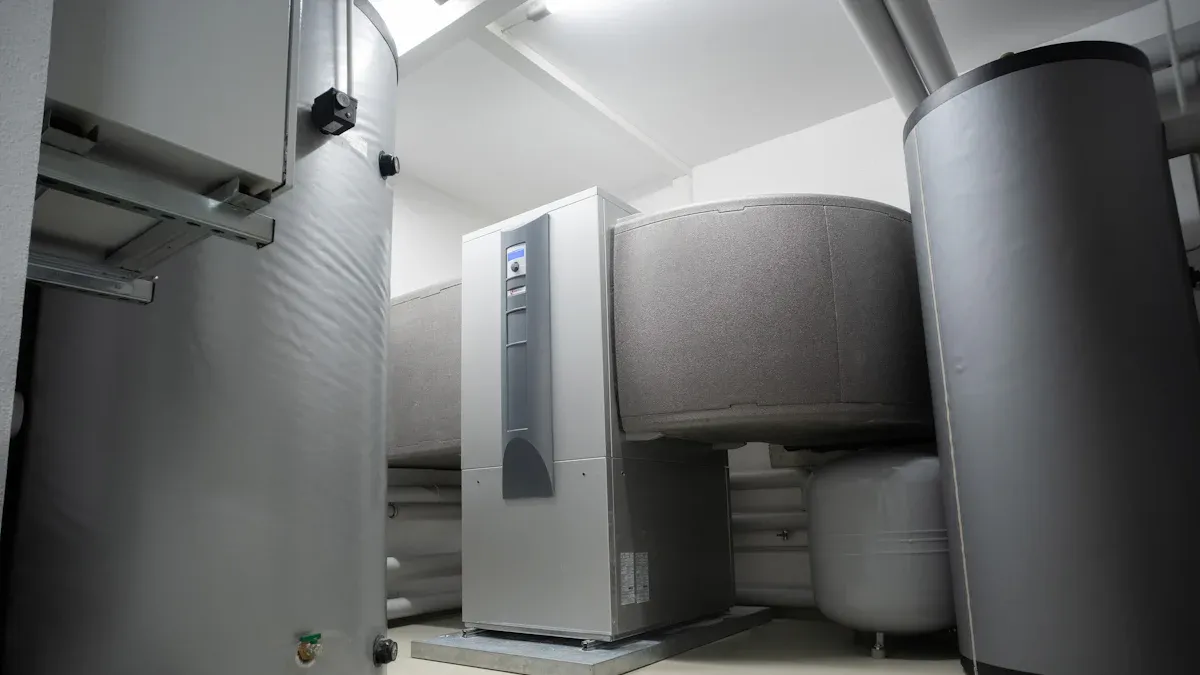
A steam heat exchanger transfers thermal energy from steam to a process fluid. This device uses both sensible and latent heat to raise the temperature of the fluid. As steam enters the heat exchanger, it condenses and releases latent heat. The process fluid absorbs this energy, which increases its temperature efficiently. The design of the heat exchanger ensures that steam condenses at a nearly constant temperature, which supports consistent and effective heat transfer.
Key operating principles include:
The heat exchanger uses both sensible and latent heat for maximum energy transfer.
Steam condenses inside the unit, releasing latent heat to the process fluid.
The system maintains a steady temperature during condensation, which improves thermal performance.
Key Benefits for Plant Efficiency
Steam heat exchangers deliver significant advantages for industrial plants. They help optimize energy use and support operational goals.
Benefit | Description |
|---|---|
Increased Profitability | High steam system thermal cycle efficiency can boost profits by 15% to 21%. |
Energy Savings | A 10% improvement in steam thermal cycle efficiency can save an average plant $350,000. |
Environmental Impact | Lower fuel use in boilers reduces emissions and enhances the plant’s environmental reputation. |
Heat exchangers recover and reuse thermal energy, which reduces fuel consumption and energy waste. They play a vital role in improving process efficiency and minimizing environmental impact. Shell and tube heat exchangers, for example, recapture waste heat and support overall process efficiency. These features make the heat exchanger an essential component in modern industrial operations.
Market Trends and Efficiency Innovations
Energy Efficiency Advances
Steam heat exchanger technology continues to evolve, driving significant improvements in energy efficiency and operational performance. Many plants now adopt advanced systems that optimize energy consumption and lower emissions. Operators see reduced maintenance requirements, which leads to improved reliability and enhanced operational efficiency. Recent innovations deliver measurable results:
Up to 39% reduction in water usage
Up to 30% reduction in cooling water demand
Up to 13% reduction in steam consumption
Up to 68% reduction in wastewater
These advances help plants achieve efficient thermal management and support sustainability goals.
Smart Monitoring and Digital Integration
Digital integration transforms how operators manage heat exchanger systems. The use of IIoT sensors provides precise steam usage data. AI-driven analytics enable predictive maintenance, which minimizes unplanned outages and reduces emergency repairs. Plants can lower maintenance costs by 25–30% and eliminate up to 75% of breakdowns. IoT-based control systems optimize boiler efficiency by adjusting parameters in real time, resulting in significant fuel savings and reduced emissions. Remote monitoring allows operators to access data anytime, improving response times and enabling off-site expert support. Continuous monitoring also enhances safety and ensures compliance with regulations.
Materials and Design Improvements
New materials and design improvements increase the durability and efficiency of heat exchanger products. The table below highlights recent advancements in technology and thermal management:
Advancement | Description |
|---|---|
Graphene-enhanced materials | Improve thermal conductivity, boost efficiency, and enhance durability and corrosion resistance. |
Digital twin technology | Enable performance simulation and optimization, supporting predictive maintenance and reducing downtime. |
Enhanced surface treatments | Increase heat transfer efficiency and reduce fouling and corrosion. |
Phase Change Materials (PCMs) | Stabilize temperatures and optimize energy use for better thermal management. |
These innovations ensure that heat exchanger solutions deliver reliable and efficient performance for modern industrial applications.
Selection Criteria for Heat Exchanger Suppliers
Performance and Reliability
Heat exchanger companies must demonstrate consistent performance and reliability across their product portfolio. Suppliers often undergo rigorous testing to verify that each heat exchanger meets industry benchmarks. The following table outlines key benchmarks used to assess manufacturer claims:
Benchmark Type | Description |
|---|---|
AHRI Certification | Independent verification of heat exchanger performance according to manufacturer specifications. |
Efficiency Optimization | Ensures optimal energy efficiency, reducing lifetime operating costs. |
Reliability Assurance | Guarantees that equipment meets power consumption and climate control targets reliably. |
Fair Comparisons | Enables true like-for-like comparisons based on verified data, fostering industry integrity. |
Thorough Testing | Involves factory acceptance trials and commissioning to validate performance and safety. |
Suppliers who deliver high performance and reliability help plants achieve energy savings and operational stability. Industrial heat exchangers with high-performance solutions support demanding environments and maintain consistent output.
Compliance and Safety
Manufacturers must adhere to strict compliance and safety standards. These requirements protect plant personnel and ensure safe operation of every heat exchanger product. Major standards include:
Standard | Description |
|---|---|
ASME Boiler and Pressure Vessel Code (Section VIII) | Regulates design and manufacture of pressure vessels in the U.S. for industrial heat exchangers. |
TEMA (Tubular Exchanger Manufacturers Association) | Provides specifications for shell-and-tube units, especially in high-pressure applications. |
API 660 | Used in refinery and petrochemical services for performance and material specifications. |
CE Marking (Europe) | Confirms safety and environmental compliance for equipment in the EU. |
CRN (Canada) | Mandatory for heat exchangers in Canada, ensuring compliance with provincial safety standards. |
Material traceability ensures all components originate from certified sources.
Non-destructive testing detects flaws without damaging the product.
Hydrostatic testing verifies integrity under pressure.
Weld inspection confirms strength and quality.
Cost and Support
Suppliers must offer competitive pricing and robust support for their heat exchanger product portfolio. Plants should evaluate total cost of ownership, including installation, maintenance, and energy consumption. Reliable after-sales support and technical assistance enhance product value. High-quality service ensures long-term performance and reduces downtime. Selecting a manufacturer with proven expertise and responsive support helps maximize efficiency and maintain plant reliability.
Tip: Comparing suppliers based on performance, compliance, and support leads to better decision-making and improved operational outcomes.
Product Options: Shell and Tube & Plate Heat Exchangers
Shell and Tube Heat Exchanger Features
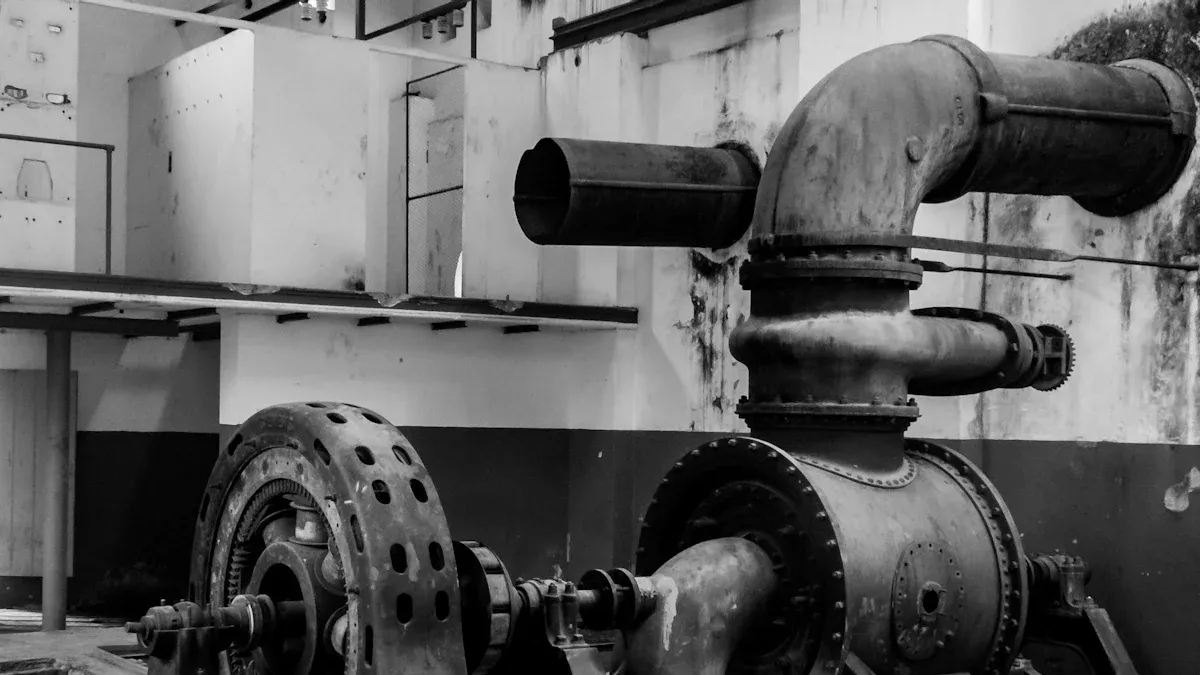
Shell and tube heat exchangers remain a cornerstone in steam heat exchanger applications. Their robust design supports high pressure and temperature environments. Many industries choose this product for its versatility and cost-effectiveness. Operators can customize shell and tube heat exchangers for a wide range of industrial processes. The following table outlines the main features and operational advantages:
Feature/Advantage | Description |
|---|---|
Versatility | Shell and tube heat exchangers can be customized for various industrial applications, including steam systems. |
Cost-effectiveness | They are more affordable compared to plate-type coolers, making them a preferred choice in many industries. |
High pressure and temperature handling | Their robust construction allows them to withstand extreme conditions, suitable for steam applications. |
Enhanced heat transfer rates | Features like multi-pass tube design and optimized tube pitch improve efficiency and reduce fouling. |
Compliance with standards | They meet TEMA and ASME codes, ensuring reliability in high-pressure and high-temperature environments. |
Plate Heat Exchanger Solutions
Plate heat exchangers offer a compact and efficient alternative to traditional shell and tube heat exchanger designs. This product excels in applications where space is limited and rapid heat transfer is required. Maintenance becomes easier, as operators can disassemble and clean the unit quickly. The table below compares plate heat exchangers with shell and tube designs:
Feature | Plate Heat Exchanger (PHE) | Shell-and-Tube Design |
|---|---|---|
Heat Transfer Efficiency | Superior | Lower due to fluid bypass |
Maintenance Ease | Easy disassembly and cleaning | Complex cleaning processes |
Capacity Adjustment | Flexible (add/remove plates) | Fixed, requires replacement |
Wide Gap Welded Plate Heat Exchanger Advantages
The Wide Gap Welded Plate Heat Exchanger stands out as a specialized product for challenging fluids and fouling conditions. This heat exchanger uses a high turbulence design to minimize fouling and maximize performance. Operators benefit from accessible surfaces that simplify inspection and cleaning. The product’s versatile design allows capacity adjustments within the existing frame. The table below highlights the key advantages:
Feature | Advantage |
|---|---|
Reduced fouling | High turbulence design minimizes fouling, enhancing cleaning efficiency. |
Ease of maintenance | Accessible heat transfer surfaces simplify inspection and mechanical cleaning. |
Versatile design | Capacity can be adjusted by adding or removing plates within the existing frame. |
Smaller footprint | Saves floor space, reducing transport and installation costs. |
Effective heat recovery | Optimized heat transfer between fluids, even with fibrous materials, improves energy efficiency. |
Note: Choosing the right steam heat exchanger product ensures reliable performance and long-term operational success.
Evaluating Suppliers for Your Plant
Reputation and Experience
Selecting the right suppliers for a heat exchanger system requires careful consideration of reputation and industry experience. Companies with decades of expertise, such as Diversified Heat Transfer, demonstrate reliability and adherence to standards. Suppliers with deep knowledge of regulatory codes like TEMA, ASME, and API deliver solutions that meet safety and operational requirements. Industry experience helps suppliers understand unique application needs and provide customized heat exchanger designs.
Supplier Name | Experience | Reputation | Impact on Selection |
|---|---|---|---|
Diversified Heat Transfer | 70+ years | Exceptional quality | Indicates reliability and compliance |
Suppliers with proven experience often offer better recommendations and ensure compliance with industry standards.
After-Sales Service
After-sales service plays a vital role in maintaining heat exchanger performance over time. Leading suppliers provide technical support, readily available spare parts, maintenance contracts, and remote monitoring capabilities. These services enhance operational efficiency and minimize downtime.
Technical support improves troubleshooting and system optimization.
Spare parts availability reduces delays during repairs.
Maintenance contracts extend equipment lifespan.
Remote monitoring enables proactive maintenance.
User Feedback and Case Studies
User feedback and case studies reveal the real-world reliability of heat exchanger suppliers. Curran coatings have allowed heat exchangers to operate longer, reducing maintenance shutdowns and improving thermal efficiency. API Heat Transfer’s condensing units achieved a 15% reduction in energy costs at a chemical plant. Spirax Sarco’s systems boosted efficiency by 20% in a university campus. Customized heat exchangers from Alfa Laval increased throughput and reduced downtime in food processing.
Customer reviews and case studies provide valuable insights into supplier reliability and heat exchanger performance.
Selecting the best steam heat exchanger involves choosing the right product type, materials, and design. Plants benefit from custom high-performance solutions and high quality solutions by partnering with SHPHE and other experts. Regular system audits and proactive maintenance ensure long-term efficiency as technology evolves.
Contact leading suppliers for tailored support and ongoing innovation.
FAQ
What factors should plants consider when choosing a steam heat exchanger supplier?
Plants should evaluate supplier reputation, product innovation, technical support, and compliance with industry standards. Reliable after-sales service ensures long-term operational success.
How does the Wide Gap Welded Plate Heat Exchanger improve plant efficiency?
Feature | Impact on Efficiency |
|---|---|
Wide gap channels | Prevent clogging |
High turbulence design | Maximizes heat transfer |
Can steam heat exchangers handle fluids with high viscosity or solid particles?
Steam heat exchangers, such as the Wide Gap Welded Plate Heat Exchanger, manage high-viscosity fluids and solid particles without clogging, ensuring uninterrupted operation.