Top 5 Municipal Sewage Treatment Technologies to Watch in 2026
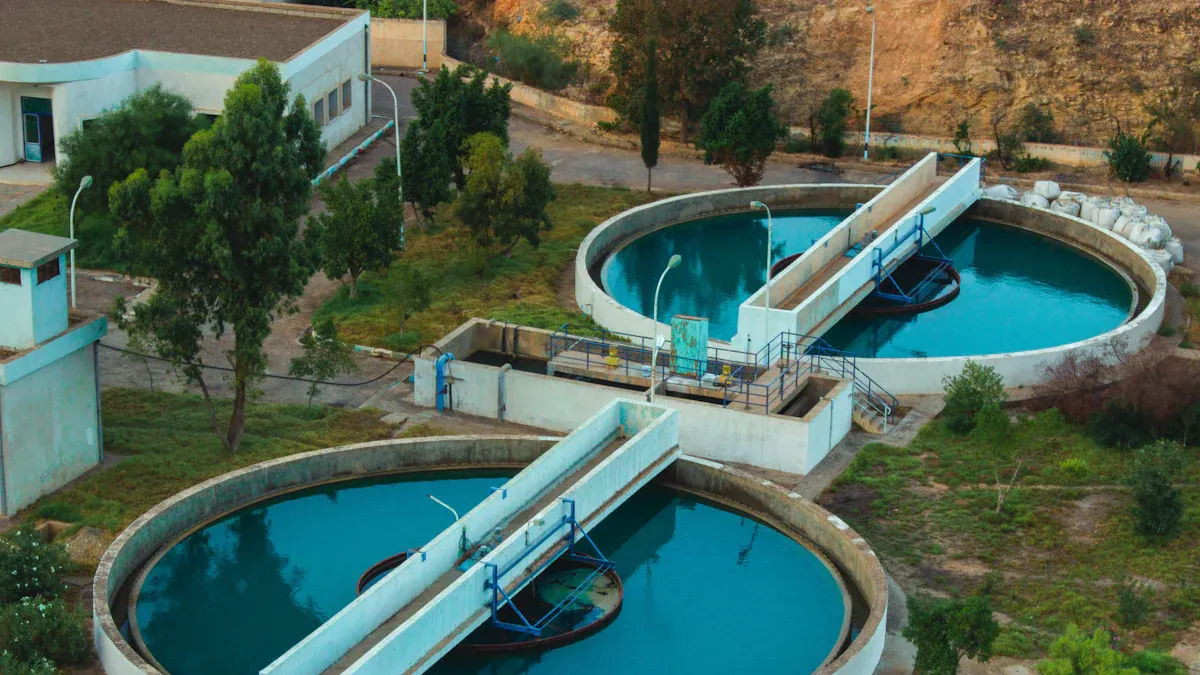
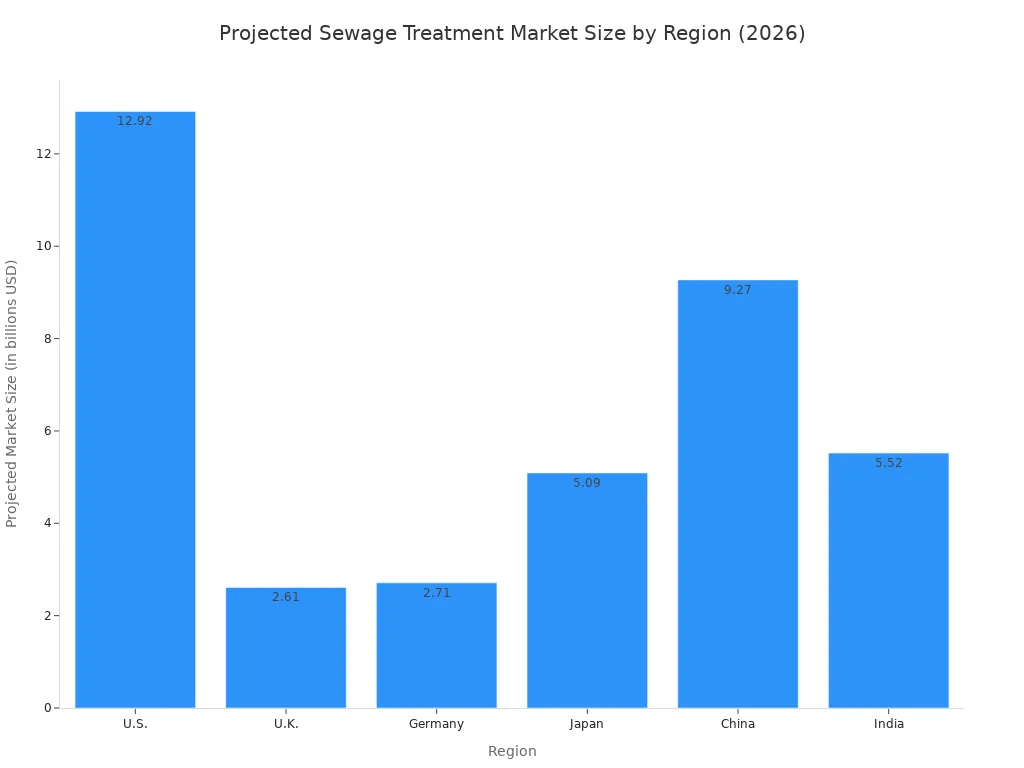
A modern municipal sewage treatment plant faces major pressures. Energy consumption can account for 25-60% of total operating costs. New regulations target hard-to-remove contaminants like PFAS. This drives massive investment in new technologies, with the global market growing significantly.
Key Takeaways
- New technologies help sewage plants save money and protect the environment. They use less energy and turn waste into useful things.
- Smart systems use AI and sensors to monitor water and predict problems. This makes plants run better and avoids costly repairs.
- Advanced filters and resource recovery systems clean water for reuse. They also turn waste into valuable products like fertilizer and bioplastics.
1. AI and IoT for Smart Plant Optimization
Artificial Intelligence (AI) and the Internet of Things (IoT) are turning traditional treatment plants into smart, data-driven facilities. This digital transformation is a major focus of modern research. It helps operators make faster, more accurate decisions.
Real-Time Monitoring and Predictive Maintenance
Smart plants use a network of advanced IoT sensors. These sensors constantly check the water's condition. They provide a live picture of what is happening inside the pipes and tanks. Key sensors include:
- pH Sensors to measure acidity.
- Turbidity Sensors to detect cloudiness.
- Dissolved Oxygen (DO) Sensors to monitor oxygen levels for biological processes.
- Conductivity Sensors to check for dissolved salts and solids.
AI algorithms analyze this constant stream of data. They learn the plant's normal operating patterns. The AI can then predict equipment failures before they happen. For example, it might detect a small change in a motor's vibration and temperature. This can signal a bearing failure 48 hours in advance, giving teams time to schedule repairs and avoid a costly shutdown.
Benefits in Efficiency and Compliance
Integrating AI and IoT delivers significant, measurable improvements. The technology boosts efficiency across the board, from energy use to equipment uptime.
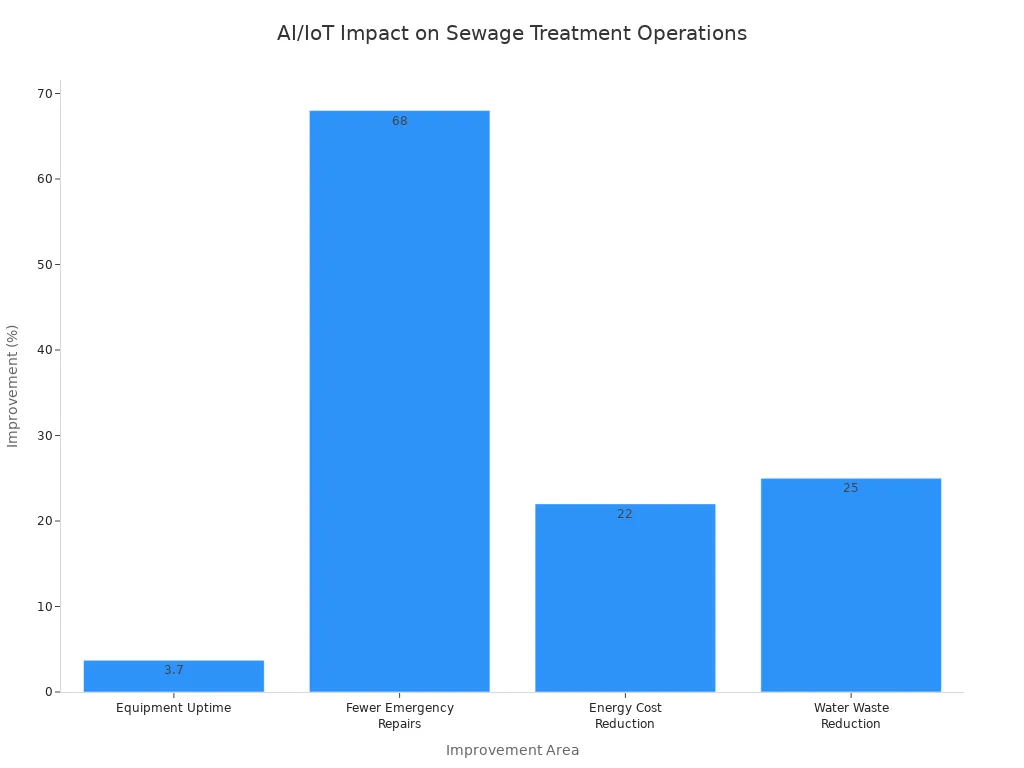
These systems optimize resource use with incredible precision. Studies show AI can reduce energy consumption by over 9% and cut chemical use by nearly 19%. This leads to major cost savings. AI also helps plants meet strict environmental regulations. It predicts potential compliance issues, allowing operators to make adjustments and prevent violations.
Key Impact: Some smart plants have achieved a 68% reduction in emergency repairs and maintained zero compliance violations, saving hundreds of thousands of dollars annually.
2. Advanced Filtration with Next-Gen Membranes
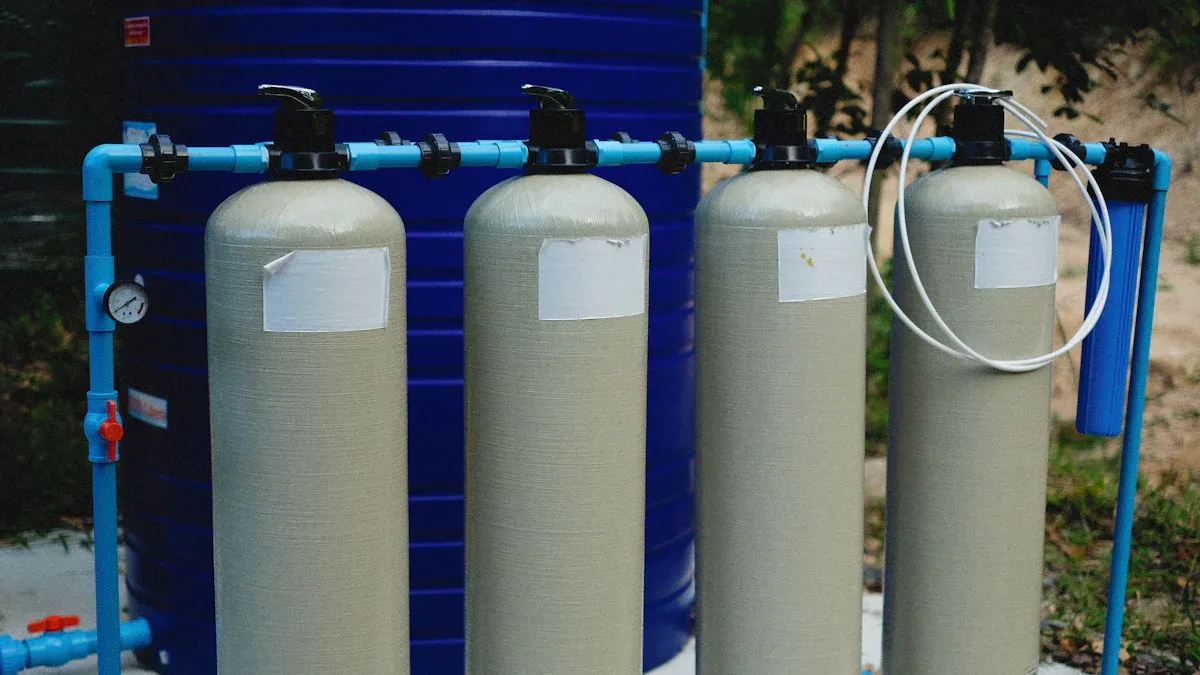
Advanced membranes are transforming the modern municipal sewage treatment plant. They act like super-fine filters to produce very clean water. This technology is crucial for meeting tough new water quality standards.
Superior Contaminant Removal with MBR and RO
Membrane Bioreactors (MBR) and Reverse Osmosis (RO) are two leading filtration methods. MBRs combine biological treatment with membrane filtration. They are excellent at removing difficult contaminants like pharmaceuticals. Studies show MBRs can remove over 90% of certain drugs.
| MBR Type | Average Naproxen Removal Efficiency (%) |
|---|---|
| Conventional MBR | 92.76 |
| Fixed-Bed MBR (FBMBR) | 94.17 |
RO systems provide an even higher level of purification. They push water through a membrane to remove the tiniest dissolved solids, including salts. While traditional RO uses a lot of energy, new systems have smart monitoring. This technology adjusts pressure automatically to lower energy costs. Researchers are also developing membranes with new materials like graphene oxide to improve durability and reduce clogging.
Achieving Water Reuse and a Smaller Footprint
The high-quality water from membranes is perfect for reuse. This helps communities save fresh water.
Real-World Impact: The Vitória Water Reclamation Station in Brazil uses MBR and RO. It converts wastewater into a supply for industrial users. This frees up drinking water for nearly 200,000 people.
Membrane systems also require much less space. An MBR plant can have a footprint 30-80% smaller than a conventional plant. This is because MBRs do not need large settling tanks called secondary clarifiers. Their compact size makes them ideal for upgrading facilities in crowded urban areas.
3. Resource Recovery Systems in a Municipal Sewage Treatment Plant
Modern facilities now see wastewater as a source of valuable materials. This shift turns a disposal problem into a production opportunity. A modern municipal sewage treatment plant can become a factory for resources.
Extracting Nutrients and Bioplastics
Wastewater is rich in nutrients like phosphorus and nitrogen. New technologies can extract these elements effectively. Different methods offer high recovery rates. For example, Struvite Precipitation recovers phosphorus to create a high-grade, slow-release fertilizer.
| Method | Recovery Rate |
|---|---|
| Struvite Precipitation | 85-97% |
| High-Temperature Acid Hydrolysis | Up to 85% |
| Membrane-based Nitrogen Recovery | 71% |
| Reverse Osmosis (Ammonium Ions) | 96.9% |
Beyond nutrients, sludge can produce bioplastics. A process using waste activated sludge can create Polyhydroxyalkanoate (PHA). This biodegradable plastic can accumulate to 40%–65% of the sludge's weight, offering a sustainable alternative to traditional plastics.
Creating Revenue and a Circular Economy
Resource recovery creates new income streams and supports a circular economy. The demand for recovered nutrients is growing quickly. The global market for products like struvite was valued at USD 382 million in 2024. It is projected to reach USD 808 million by 2033. This growth is driven by the need for sustainable fertilizers in agriculture.
The Circular Economy in Action 💧 Cities are already adopting this model. Facilities in Poland, like the Tychy–Urbanowice plant, and across the Netherlands have evolved. They now focus on recovering resources and energy, turning waste into value.
This approach reduces waste and generates revenue. It helps communities build a more sustainable and self-sufficient infrastructure.
4. Decentralized and Modular Treatment Models
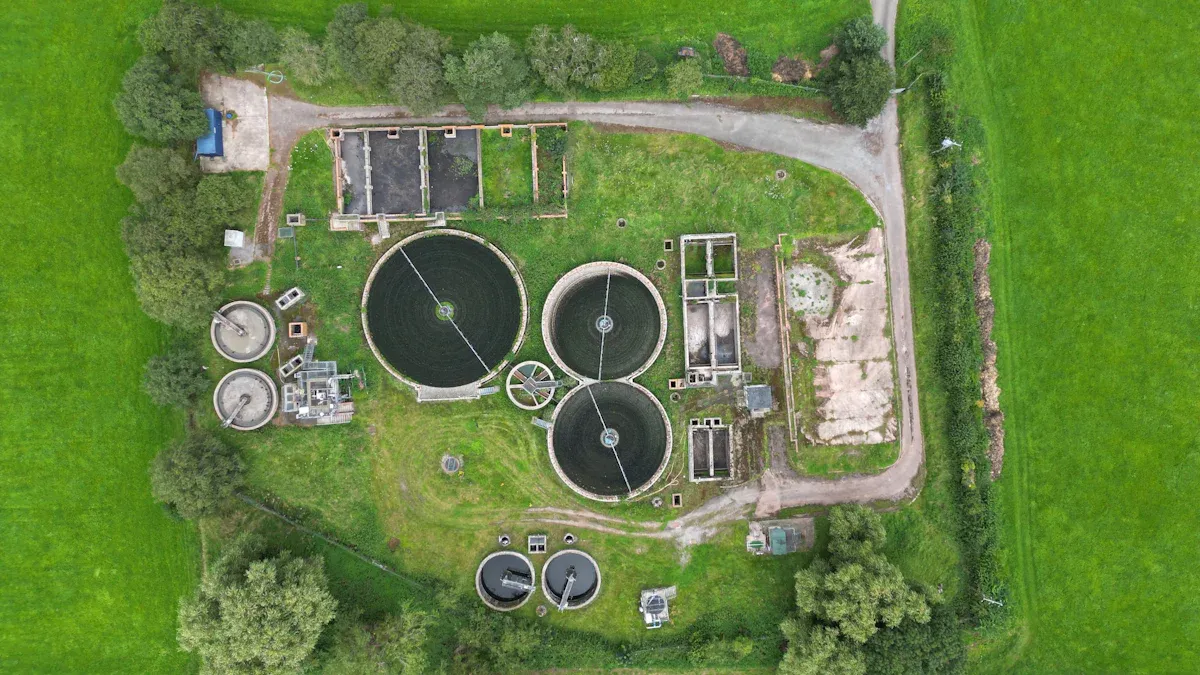
The traditional model of a large, central municipal sewage treatment plant is being challenged. A new approach uses decentralized and modular systems. These are smaller, self-contained units placed strategically within a community. This model offers greater flexibility and efficiency.
Treating Wastewater Closer to the Source
Decentralized systems treat wastewater near where it is generated. This simple change has major benefits. It reduces the need for extensive and expensive pipe networks. Less pumping over long distances means lower energy use. These systems are also highly adaptable. Their modular design allows for easy expansion as a community grows. This approach improves resilience because a problem in one unit does not cause a system-wide failure.
Supporting Community Growth 🏘️ In Northumberland County, Ontario, a modular system allowed a new residential development to grow from 50 to 150 homes. This overcame the limits of traditional septic systems and supported affordable housing in a rural area.
Reducing Infrastructure Strain and Costs
Decentralized models offer significant financial advantages. The collection and pipe networks for a large plant can make up 75% of the total capital cost. By treating waste locally, these infrastructure costs are drastically reduced. Operational costs also fall, with some systems cutting maintenance expenses by 75% due to less equipment and easier access.
New financial models make this technology even more accessible.
- Leasing: Municipalities can lease modular units instead of buying them.
- Water-as-a-Service® (WaaS®): A company handles the design, build, and operation for a predictable monthly fee.
These options turn a massive upfront investment into a manageable operating expense. This frees up capital and allows communities to upgrade their infrastructure faster.
5. Energy-Positive Processes through Anaerobic Digestion
Anaerobic digestion turns sludge into a power source. This process uses microbes in an oxygen-free environment to break down organic waste. The breakdown produces biogas, a renewable fuel. This transforms a municipal sewage treatment plant from an energy consumer into an energy producer.
Generating Biogas for On-Site Power
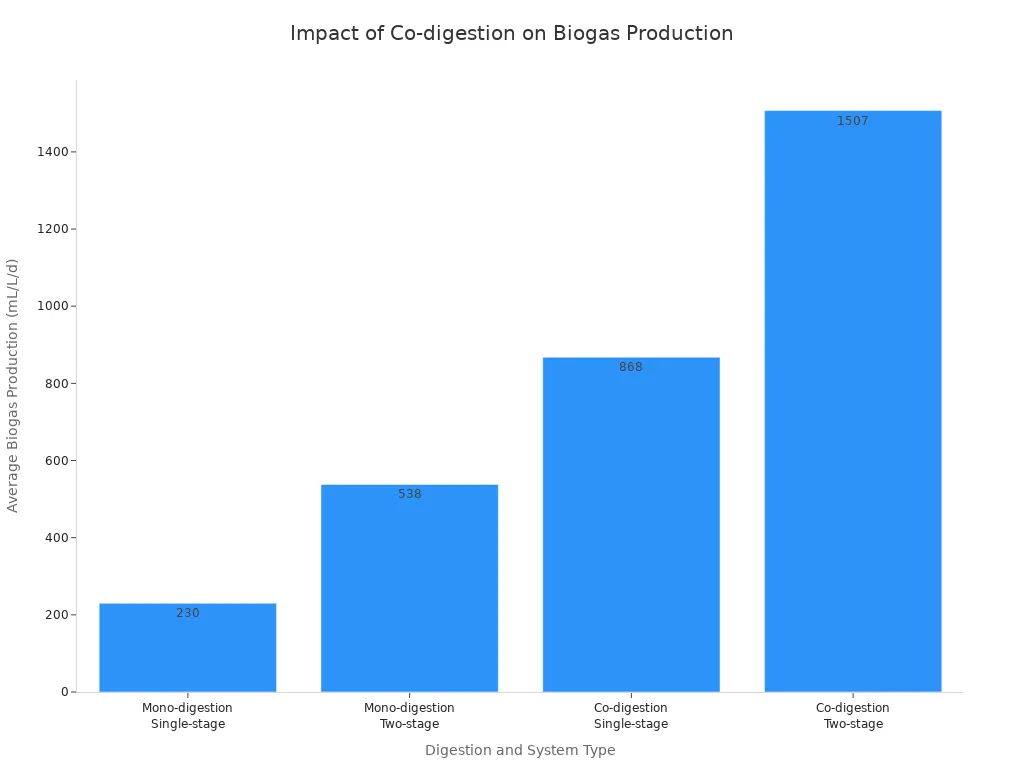
New methods like Advanced Anaerobic Digestion (AAD) make this process even better. AAD systems increase biogas yield and reduce the final volume of biosolids. A key strategy is co-digestion, which involves adding high-energy organic waste, like food scraps, to the sewage sludge. This simple addition can dramatically boost biogas output.
Studies show that co-digestion can increase biogas production by over 100%. The extra biogas can then fuel a Combined Heat and Power (CHP) system. This generates both electricity and heat right at the plant.
Reducing Carbon Footprint and Energy Expenses
Generating on-site power significantly cuts energy costs. Plants no longer need to buy as much electricity from the grid. This leads to major operational savings. The environmental benefits are just as impressive. Using biogas for energy reduces the plant's reliance on fossil fuels.
From Waste to Wattage 💡 This process can slash a plant's carbon footprint. Some advanced facilities have become net energy producers. They achieve a negative carbon footprint, meaning they remove more carbon from the atmosphere than they release.
This technology helps a municipal sewage treatment plant become more sustainable and economically self-sufficient.
Adopting these technologies is a strategic necessity. They future-proof communities against regulatory pressures and create new revenue from water reuse.
Plan for the Future 🗺️ Begin planning now by analyzing future demand and assessing climate risks. This ensures your infrastructure is sustainable, resilient, and cost-effective for decades to come.
FAQ
How much do these new technologies cost?
Costs vary by technology and plant size. New financial models like leasing make them more affordable. This helps cities avoid large upfront payments.
Can small towns use these advanced systems?
Yes. Decentralized and modular systems are perfect for smaller communities. They are scalable and avoid the high cost of building extensive pipe networks.
What is the biggest benefit of upgrading a plant?
Upgrading provides major benefits. It lowers energy costs and protects the environment. It also turns waste into valuable resources like clean water and fertilizer.
See Also
Discovering the Best Precoating Materials for Advanced Filtration Systems in 2025
Essential 2025 Guide: Semi-welded Plate Heat Exchangers for Industrial Applications
Innovative Materials: Revolutionizing the Future of Heat Exchanger Manufacturing and Supply
Unlocking the Significant Benefits of Commercial Heat Exchangers for Businesses in 2025
Groundbreaking Advances in Heat Exchanger Production Significantly Boost Industrial Performance