Making The Right Choice Top Load And Bottom Load Coolers
You can find the perfect hot cold water dispenser for your home or office. Your choice depends on your priorities.
- Bottom-Load Cooler: Choose this model for convenience. You can avoid lifting heavy water jugs. It also offers a cleaner, more modern look.
- Top-Load Cooler: Select this option if you have a tighter budget. You should be comfortable lifting the jug.
Key Takeaways
- Top-load coolers are cheaper. They need you to lift heavy water jugs. They are good for people on a budget who can lift.
- Bottom-load coolers cost more. They let you slide in water jugs. They are good for people who want ease and a modern look.
- Your choice depends on what you value most. Think about cost, how easy it is to use, and how it looks.
Ease of Use: The Lifting Dilemma
Your daily interaction with a water cooler centers on one key task: replacing the empty water jug. This single action highlights the biggest difference between top-load and bottom-load models. Your physical ability and desire for convenience will guide your choice here.
Top-Load: The Traditional Lift
Top-load coolers require you to place the water jug on top of the unit. This process involves some heavy lifting and a bit of coordination.
A standard 5-gallon water jug weighs about 42 pounds (19 kilograms). You must lift this entire weight to shoulder height or higher. Then, you need to flip it over and place it onto the cooler's receptacle. This motion needs to be quick and precise to prevent large spills.
The loading process generally follows these steps:
- You remove the empty jug from the cooler.
- You prepare the new jug by peeling off its protective seal.
- You lift the full, 42-pound jug.
- You quickly invert the jug and guide it onto the cooler's opening.
Heads Up! ⚠️ This lifting can be a real challenge. It poses a risk of back strain or injury if you do not lift correctly. It can also lead to messy water spills on your floor.
Bottom-Load: No Strain, No Spills
Bottom-load coolers offer a completely different experience designed for convenience and safety. These models eliminate heavy lifting entirely. The water jug sits upright in a cabinet at the base of the cooler.
You simply open the cabinet door and slide the new jug inside. There is no lifting required. A probe or siphon tube goes into the top of the jug. A small, internal pump then draws the water up to the cold and hot tanks as needed. This design makes replacing the water bottle nearly effortless. ✨
The loading process is much simpler:
- You open the cooler's bottom cabinet door.
- You slide the old, empty jug out.
- You place the new jug just inside the cabinet.
- You insert the probe and slide the jug into its final position.
- You close the door. The pump takes care of the rest.
This system is an excellent solution for anyone who cannot or prefers not to lift heavy objects. It makes the water cooler accessible to more people in an office or home.
Cost Breakdown: Initial Price vs. Long-Term Value
Your budget plays a big role in choosing a water cooler. You will notice a clear price difference between top-load and bottom-load models. Understanding why this difference exists helps you decide where to invest your money.
Why Top-Load Coolers Are Cheaper
You will almost always find that top-load water coolers have a lower price tag. The reason for this is their simple design and mechanics. These coolers work with gravity, which is a free and reliable force.
- Fewer Parts: A top-load cooler does not need a pump. It also does not need the extra tubing to move water from the bottom to the top. Fewer components mean lower manufacturing costs.
- Simpler Construction: Manufacturers can build these coolers more easily. The design has been around for a long time and is very straightforward.
- Basic Technology: The core function relies on gravity to feed water into the cooling and heating reservoirs. This simple system keeps the initial purchase price low.
This cost-effectiveness makes the top-load cooler an excellent entry-level choice. You get the essential function of dispensing hot and cold water without paying for extra features.
Is the Bottom-Load Premium Worth It?
Bottom-load coolers cost more upfront. You are paying a premium for the advanced features that solve the problems of a top-load model. The extra cost covers the internal water pump and the more complex design needed to hide the jug.
So, is that higher price worth it? You should evaluate the benefits you receive for the extra money.
| Feature | Benefit You Pay For |
|---|---|
| Internal Pump | Convenience: You never have to lift a heavy 42-pound bottle again. |
| Cabinet Door | Aesthetics: You can hide the water jug for a cleaner, more modern look. |
| Slide-In Loading | Safety & Cleanliness: You prevent back strain and avoid messy water spills. |
Think of it this way 💡 You are not just buying a water cooler. You are buying a solution. The extra cost of a bottom-load model is an investment in your comfort, safety, and the look of your space.
The premium is worth it if you value these key benefits:
- You want to avoid the physical strain of lifting.
- You want anyone in your home or office to be able to change the water.
- You prefer a sleek appliance that blends in with your decor.
If these points match your needs, then the extra cost provides excellent long-term value through daily convenience and peace of mind.
Aesthetics and Space: Which Looks Better?
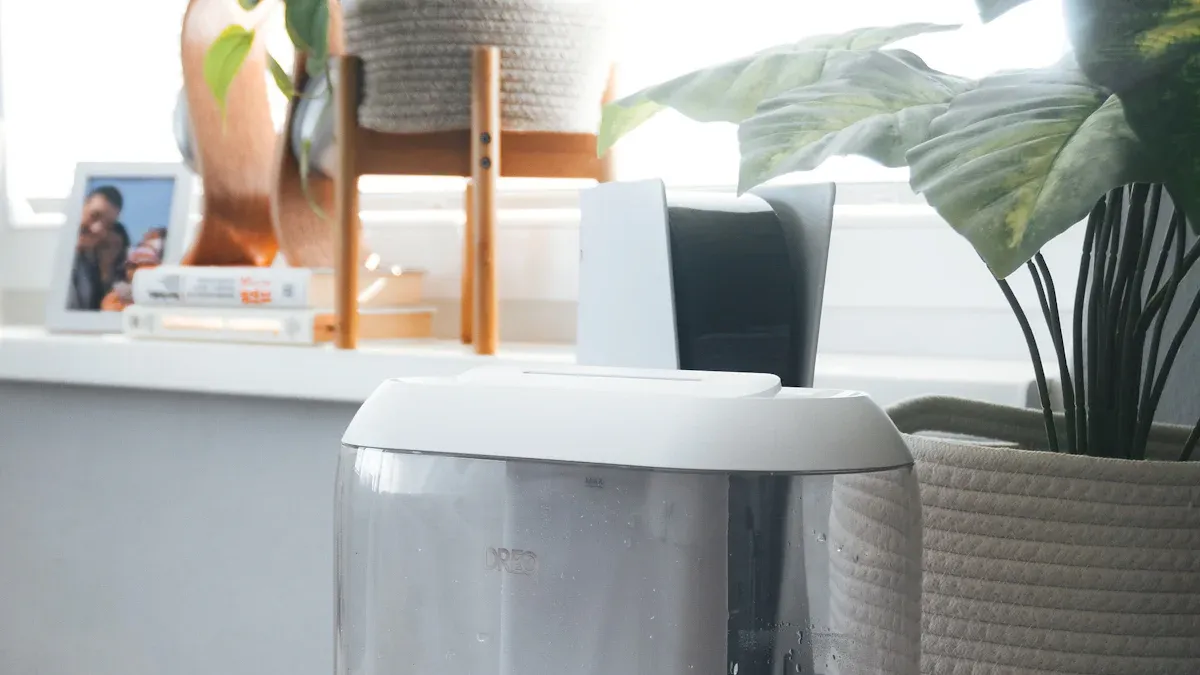
A water cooler is an appliance you will see every day. Its design can either complement your room or stick out. Your choice between a top-load and a bottom-load model will have a big impact on the look and feel of your space. You must decide if you prefer a modern, streamlined appearance or a classic, functional design.
The Sleek Look of Bottom-Load Dispensers
You choose a bottom-load dispenser when you want a clean and contemporary look. The main advantage of this design is that it hides the water jug. The bottle sits inside a cabinet at the base of the unit, completely out of sight.
This gives the cooler a smooth, uninterrupted profile. It looks less like a utility item and more like a modern kitchen appliance.
✨ Design Tip The bottom-load cooler's flat top surface also gives you extra space. You can place a small plant or a cup holder on top, helping it blend into your decor.
This sleek design is perfect for modern kitchens, stylish office reception areas, or any space where you want to maintain a tidy and polished aesthetic.
The Classic Design of Top-Load Coolers
Top-load coolers have a familiar and traditional appearance. The exposed water jug on top is its most recognizable feature. While some may find this look a bit dated, the design has a long history of improvement. The classic cooler has evolved significantly over the decades.
- Early Models: The first coolers were simple ceramic crocks with a spigot.
- Refrigeration Arrives: Later, manufacturers added refrigeration. This gave you consistently cold water without needing ice.
- The Standard Bottle: The top-load bottle design became the standard for homes and offices.
- Modern Features: Today’s models focus on better looks and features. They offer hot water, child safety locks, and improved energy efficiency.
This classic design communicates function and reliability. It fits well in break rooms, garages, or casual environments where pure utility is the main goal.
Maintenance and Cleaning Compared
You must clean any water cooler regularly to keep your water fresh and safe. The process for cleaning a top-load cooler is different from cleaning a bottom-load model. Understanding these differences helps you know what to expect.
Cleaning a Top-Load Cooler
You will find that cleaning a top-load cooler is a hands-on process. The open reservoir is exposed to air each time you change the bottle. This can allow dust and germs to enter. You should clean it every three to six months.
For a thorough cleaning, you will need a few simple items:
- White vinegar and water
- A bucket
- A clean microfiber cloth
- Rubber gloves
Cleaning Steps 🧼
- First, you unplug the cooler and remove the empty water bottle.
- You then drain any remaining water from the reservoirs.
- Next, you fill the reservoir with a cleaning solution. A mix of one part white vinegar to one part water works well.
- You let the solution sit for about 15 minutes.
- Afterward, you drain the solution through the spigots.
- Finally, you rinse the system by flushing it with two or three gallons of fresh water.
Cleaning a Bottom-Load Cooler
Cleaning a bottom-load cooler is often simpler because the water system is sealed. This design protects the water from airborne contaminants. The main task involves cleaning the internal pump and lines.
Many manufacturers sell special cleaning kits for this purpose. You can also use a vinegar solution. You will run the cleaning solution through the machine's pump system. This flushes out the internal tubing and tanks. The process requires less scrubbing but you must follow the manufacturer's instructions carefully to ensure you clean the entire system.
Hot Cold Water Dispenser Features
Beyond loading the bottle, you should look at the features that make a hot cold water dispenser useful every day. Both top-load and bottom-load models share important functions that improve your experience. These features often relate to water temperature and safety.
Water Temperature Options
You expect your cooler to provide water at the right temperature. Most models deliver on this promise with at least two standard options. A modern hot cold water dispenser gives you instant access to different temperatures for any need.
- Hot Water: The hot water tank heats water to between 185°F and 203°F (85°C to 95°C). This is perfect for making instant tea, coffee, or oatmeal.
- Cold Water: The cold water reservoir chills water to a refreshing 39°F to 50°F (4°C to 10°C).
- Room Temperature: Some dispensers also offer a third spigot for room-temperature water. This is a great choice if you prefer water that is not too cold.
You will find these temperature options are generally the same on both top-load and bottom-load coolers.
Child Safety Locks
Safety is a top priority, especially in a home with children. The hot water from a dispenser is hot enough to cause serious burns. For this reason, almost every hot cold water dispenser includes a child safety lock on the hot water spigot.
Safety First! 🔒 You must use two separate actions to dispense hot water. For example, you might need to slide a button and then press the lever.
This two-step process makes it very difficult for a small child to accidentally dispense hot water. It gives you peace of mind. You can enjoy the convenience of instant hot water without worrying about your family's safety. Always check for this feature when you make your choice.
Noise Levels: What to Expect
You should consider the sounds an appliance makes, especially in a quiet home or office. Both top-load and bottom-load water coolers produce some noise. However, the type and frequency of the sounds are very different. Your tolerance for certain noises will help you choose the right model.
The Quiet Gurgle of a Top-Loader
You will hear a familiar gurgling sound from a top-load cooler. This is the classic "glug-glug" of a water dispenser at work. This sound happens when you dispense water and air bubbles travel up into the jug to replace it.
- The Sound: A gentle, intermittent gurgle.
- When It Happens: Only when you use the spigot or right after.
- Volume: It is generally quiet and brief.
Most people find this sound unobtrusive. You might even find it to be a helpful signal that the cooler is working correctly. It is a passive noise that results from gravity doing its job.
The Pump Noise of a Bottom-Loader
A bottom-load cooler makes noise from its internal electric pump. This pump is necessary to move water from the jug in the base up to the cooling and heating tanks. You will hear a low, mechanical hum when the pump activates.
Good to Know 🔊 The pump does not run all the time. It only turns on for a few seconds when the internal reservoirs need refilling. This usually happens after you dispense a large amount of water.
The sound is similar to the hum of a small refrigerator. While it is a mechanical noise, it is typically very quiet and lasts for only a short period. You may not even notice it in a room with normal background activity.
Who Should Buy a Top-Load Cooler?
You should choose a top-load water cooler if your priorities are budget and simplicity. This traditional model offers excellent value for a specific type of user. It provides the core functions of a hot cold water dispenser without the extra cost of more advanced features. You are a perfect candidate for a top-load cooler if you identify with the following points.
- You Are on a Budget: The lower initial price is the biggest advantage. You get reliable access to hot and cold water for less money than a bottom-load unit.
- You Can Handle Heavy Lifting: You must be comfortable and physically able to lift a 42-pound water jug. This task is necessary every time you change the bottle. If lifting is not a concern for you, this model is a practical choice.
- You Value Simplicity and Reliability: Top-load coolers have a simple, gravity-fed design. They have fewer mechanical parts, like a pump, which can mean fewer potential issues over the long term.
- You Need a Cooler for a Functional Space: This type of cooler fits perfectly in less formal environments. Think of a garage, a workshop, a basement, or a casual office break room.
Is This You? 🤔 You are a practical buyer. You want a straightforward appliance that does its job well. You are willing to trade some convenience for a lower price tag and a proven, simple design. If this sounds like you, the top-load hot cold water dispenser is an excellent and economical choice.
Who Should Buy a Bottom-Load Cooler?
You should buy a bottom-load water cooler if you value convenience, safety, and modern design. This type of hot cold water dispenser is an investment in ease of use. It is the right choice for you if your needs align with the points below.
- You Prioritize Convenience: You are willing to pay a higher initial price to avoid the hassle of lifting heavy water jugs. The slide-in loading system is your top priority.
- You Want a Sleek Look: You care about how appliances look in your space. The hidden water bottle and clean lines of a bottom-load model appeal to your sense of style.
- You Need an Accessible Option: You want everyone in your home or office to be able to change the water bottle. This makes the cooler more useful for the whole group.
Bottom-load water coolers are especially helpful for certain users. The design is a great solution for seniors and people with back problems. It removes the need to lift a 40-pound bottle. This feature prevents potential back strain or injury. The ease of use makes it a much safer and more practical option for these individuals.
Is This You? ✅ You see the extra cost as a worthwhile investment for daily comfort and safety. You want a modern appliance that looks great and is easy for everyone to use. If this describes you, a bottom-load cooler is the perfect fit for your lifestyle.
Your decision comes down to a trade-off. You must weigh cost and simplicity against convenience and style. A top-load cooler is a great, economical choice if you can handle the lifting. A bottom-load model is a worthwhile investment if you value daily ease and a modern look.
FAQ
Do bottom-load coolers use more electricity?
You will find their energy use is very similar. The pump only runs for a few seconds. Heating and cooling water consume the most power in both cooler types.
Can you use any brand of water jug?
Yes, you can use most standard 3- and 5-gallon jugs. You should check your cooler’s manual. This ensures the bottle fits correctly before you make a purchase.