Choosing Your Water Dispenser Top-Load vs Bottom-Load
You face a key choice with water dispensers: top-load versus bottom-load. A top-load model requires you to lift the heavy water bottle on top. A bottom-load unit neatly conceals the bottle in a cabinet below. Finding a good water dispenser depends on your priorities, like physical ability and budget.
Did You Know? Top-loading dispensers are a popular pick, making up 58% of dispenser purchases in U.S. households.
Key Takeaways
- Top-load dispensers cost less money. You lift heavy water bottles to put them on top. They are simple to clean.
- Bottom-load dispensers cost more money. They hide the water bottle inside. You do not lift heavy bottles, but they have a pump that can make noise.
- Think about what is important to you. Choose top-load for saving money and simple use. Choose bottom-load for easy loading and a modern look.
The Loading Process: Effort vs. Ease
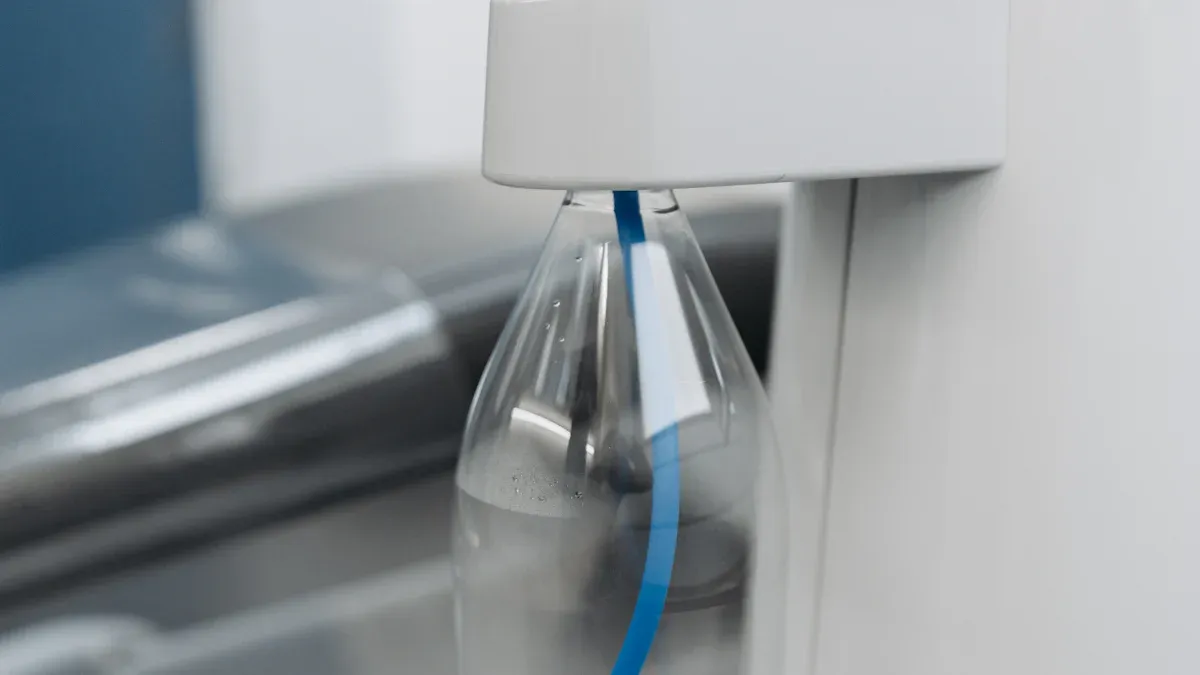
Your daily interaction with a water dispenser centers on how you replace the bottle. This single task is the biggest difference between top-load and bottom-load models. Your choice here depends entirely on what you find more manageable.
Top-Load: The Traditional Lift
You are likely familiar with the top-load process. You must lift a new water bottle, flip it over, and place it onto the dispenser's opening. This method is straightforward and has no complex parts like pumps.
The main challenge is the weight. A full 5-gallon water bottle weighs between 42 and 45 pounds. This requires significant physical strength and can be difficult for some people. Lifting and flipping this weight also increases the chance of spills or back strain.
🏋️ Heads Up! You will need to hoist about 43 pounds each time you change the water bottle.
Bottom-Load: No Heavy Lifting
Bottom-load dispensers offer a much easier solution. You simply open a small cabinet door at the base of the unit. Then you slide the water bottle inside and attach a small hose or probe to the bottle's cap. The machine does all the work from there. This design eliminates heavy lifting completely.
How does the water get to your cup? These dispensers use a small internal pump.
- The pump creates a vacuum inside a tube.
- This suction pulls water up from the bottle below.
- Gravity helps the water flow smoothly to the faucet when you need it.
This convenience comes with a small trade-off. The pump is a mechanical part that can sometimes have issues.
- The pump might make noise if it gets worn or blocked.
- It could fail to start or stop pumping water.
- You might hear vibrations if the unit is not on a stable surface.
These problems are not constant, but they are a possibility to consider with the added technology.
Upfront Cost and Long-Term Value
Your budget plays a big role in choosing a water dispenser. You need to think about the initial price and any future costs. The price difference between top-load and bottom-load models is a key factor for many buyers.
Top-Load: The Budget-Friendly Option
You will find that top-load dispensers are more affordable. Their simpler design, without a pump, makes them cheaper to produce. This makes them a popular choice if you have a tight budget. These dispensers also offer good long-term value. A well-maintained unit can serve you reliably for many years.
With proper care, you can expect a top-load dispenser to last:
- 5 to 7 years for most bottled water units.
- Up to 10 years for some commercial-grade models.
This durability makes the low initial price an even better deal.
Bottom-Load: An Investment in Convenience
Bottom-load dispensers have a higher upfront cost. You are paying for the advanced technology and convenience of not lifting heavy bottles. Think of this extra cost as an investment in your comfort and home's appearance.
You should also consider the long-term running cost. The internal pump uses electricity to move water from the bottle to the faucet. However, this energy use is quite low.
💡 Cost Tip: A bottom-load dispenser's pump and cooling system will likely add between $30 and $45 to your annual electricity bill, depending on the model and your usage.
This small operational cost is often a worthwhile trade-off for the ease and modern style these units provide.
Design and Home Aesthetics
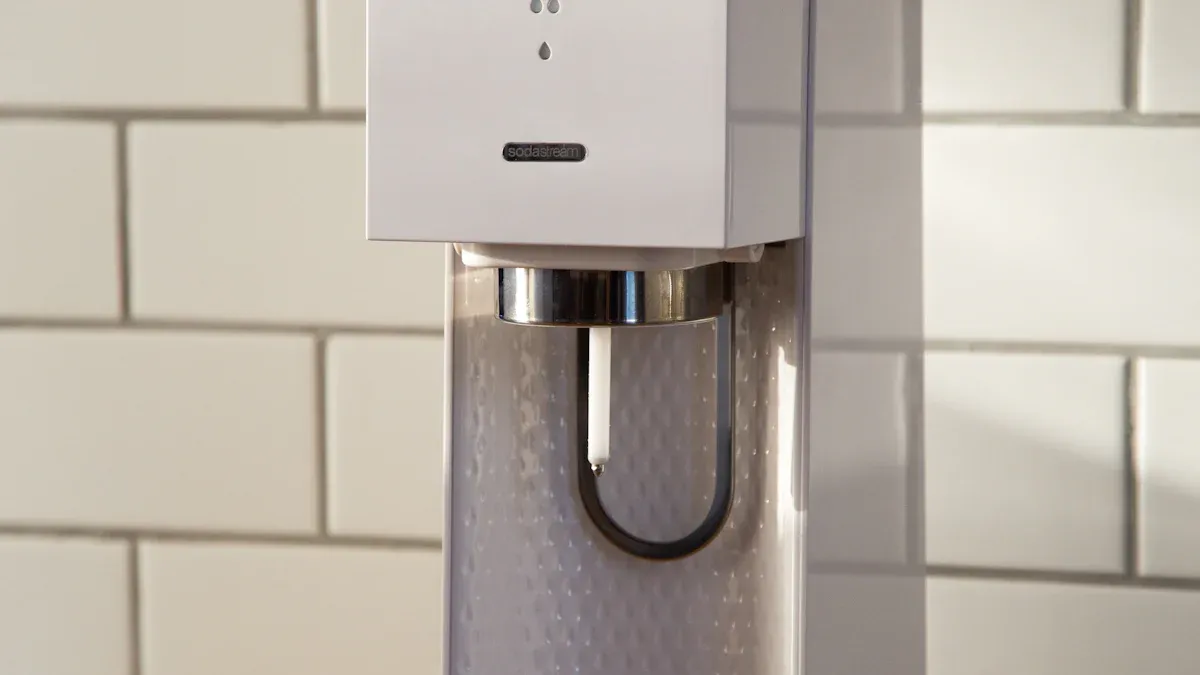
A water dispenser becomes a part of your home's furniture. You should consider how its design fits with your existing decor. The look of a top-load unit is very different from a bottom-load one.
Bottom-Load: Sleek and Concealed
You will find that bottom-load dispensers offer a clean and modern appearance. They hide the large, bulky water bottle inside a cabinet. This creates a streamlined look that blends seamlessly with your kitchen or office. Many models come in stylish finishes like stainless steel, black, or white. This allows you to match the dispenser to your other appliances.
✨ Design Tip: A bottom-load dispenser's flat top gives you extra space. You can use it to place a small plant or a cup holder, making it both functional and attractive.
Because the water bottle is not visible, these units maintain a tidy and uncluttered look. If you value a minimalist and polished aesthetic, a bottom-load model is an excellent choice.
Top-Load: Classic and Visible
Top-load dispensers have a traditional and functional design. The water bottle sits on top, so it is always visible. This classic look is common in many offices and homes. While some people find the exposed bottle less appealing, it offers a practical benefit. You can easily see how much water is left, so you know exactly when to replace it.
These dispensers are typically compact. You can expect a standard unit to have a small footprint.
- Height: 42 inches
- Width: 10-3/4 inches
- Depth: 11-1/4 inches
This size allows you to fit the dispenser into tight spaces without much trouble. The design prioritizes function over form, offering a no-frills, practical solution for hydration.
Maintenance and Cleaning
Keeping your water dispenser clean is essential for fresh-tasting water and hygiene. You should plan to clean your unit every three to six months. The best time for cleaning is right before you need to replace an empty water bottle.
Cleaning a Top-Load Dispenser
You will find cleaning a top-load dispenser to be a straightforward task. A simple and effective cleaning solution is a mix of one part white vinegar and one part water.
Follow these general steps for a thorough clean:
- Unplug the dispenser and remove the empty water bottle.
- Drain any remaining water from the faucets.
- Wipe the inside of the reservoir with your vinegar solution and a soft cloth.
- Fill the reservoir with the cleaning solution and let it sit for about 15 minutes.
- Drain the solution completely through both the hot and cold spigots.
- Rinse the system by flushing two or more gallons of fresh water through it until any vinegar taste is gone.
🧼 Cleaning Tip: You can also use a paste of baking soda and water to scrub away any stubborn buildup inside the reservoir before rinsing.
Maintaining a Bottom-Load Dispenser
Maintaining a bottom-load dispenser involves cleaning its internal pump and tubing. The process is slightly different but just as important. You will use the machine's own power to circulate the cleaning solution.
First, pour your vinegar and water solution directly into the dispenser's reservoir. Let it sit for a few minutes. Next, dispense the solution through both the hot and cold taps until the reservoir is empty. This action cleans the internal pump and all the tubing. After cleaning, you must rinse the unit thoroughly. Flush it with fresh water at least twice to remove any leftover vinegar smell or taste. For complex parts like the pump, you might consider professional servicing every six months to keep it running smoothly.
What Makes a Good Water Dispenser?
Beyond the loading style, other features help you find a good water dispenser. You should think about the water temperatures it offers and how much noise it makes. These details affect your daily use and satisfaction with the unit.
Water Temperature Options
A good water dispenser should offer consistent temperatures for both hot and cold water. This feature gives you instant access to water for different needs, from a hot cup of tea to a refreshing cold drink. High-quality dispensers maintain specific temperature ranges to ensure your water is always ready.
🌡️ Ideal Water Temperatures You can expect a quality unit to deliver water within these ranges:
Water Type Temperature Range Cold Water 43°F-50°F Hot Water 165°F-194°F
Having these options available saves you time. You no longer need to boil water on the stove or wait for tap water to get cold in the fridge.
Noise Level Considerations
The noise a unit makes is another important factor in choosing a good water dispenser. The sound level depends on its cooling technology. Most dispensers use either a compressor or a thermoelectric system.
Thermoelectric coolers are very quiet because they have no moving parts. This makes them a great choice for bedrooms or quiet offices. Compressor coolers are more common and powerful but create a low humming sound, similar to a refrigerator.
| Metric | Compressor Cooler | Thermoelectric Cooler |
|---|---|---|
| Noise Level | Moderate (compressor noise present) | Virtually silent |
Consider where you will place the dispenser. A little noise might not matter in a busy kitchen, but it could be a distraction in a quiet space.
Safety and Hygiene
You should always prioritize safety and cleanliness when choosing a water dispenser. A good unit will protect your family from accidents and ensure your water is pure and free from germs.
Preventing Spills and Contamination
You can keep your water clean by choosing a dispenser with modern sanitation features. Many units now include self-sanitizing technology to prevent bacterial growth inside the machine. These systems work without harsh chemicals.
- UV Light: Some dispensers use UV-C light to destroy germs. This light damages the DNA of microorganisms, which kills 99.9999% of bacteria and 99.999% of viruses.
- Ozonation: Other models use activated oxygen, or ozone, to clean the water. The machine injects ozone bubbles into the reservoir, where they neutralize contaminants like mold and bacteria.
🛡️ Certification Check: You should look for safety certifications like NSF when you shop. An NSF/ANSI 53 certification means the dispenser is proven to reduce health-related contaminants. An NSF/ANSI 42 certification confirms it reduces chlorine and improves taste.
Child Safety Features
You need to consider child safety if you have young children at home. The hot water tap on a dispenser can be a serious burn risk. Most modern dispensers include safety locks to prevent accidents.
One common feature is a two-step lever. You must first press a button on top of the lever and then push it down to get hot water. This action is difficult for a small child to perform. Another option is a spring-lock mechanism that requires a specific motion to release the hot water. These features give you peace of mind, knowing that your children are safe from accidental burns.
Your final choice is straightforward. You should select a top-load dispenser if your main concern is a low budget. You can opt for a bottom-load model if you prefer convenience and a modern look. To help you find a good water dispenser, consider these top-rated models.
| Category | Rating | Model Name |
|---|---|---|
| Bottom-Load | Best Overall | Avalon A4 |
| Top-Load | Best for Office | Frigidaire EFWC519 |
| Top-Load | Best Value | Avalon A1 |
FAQ
How often should I clean my water dispenser?
You should clean your dispenser every three to six months. This practice prevents germ buildup and keeps your water tasting fresh. Regular cleaning ensures optimal hygiene and performance.
Do water dispensers use a lot of electricity?
No, they are quite efficient. A dispenser's cooling and heating functions typically add only $30 to $45 to your yearly electricity bill, depending on your usage.
Can I use any water bottle with my dispenser?
Most dispensers are designed for standard 3-gallon or 5-gallon water bottles. You should check your model's specifications to ensure the bottle you choose will fit correctly.