Top 5 Fish fillet inspection machine manufacturers in 2026'
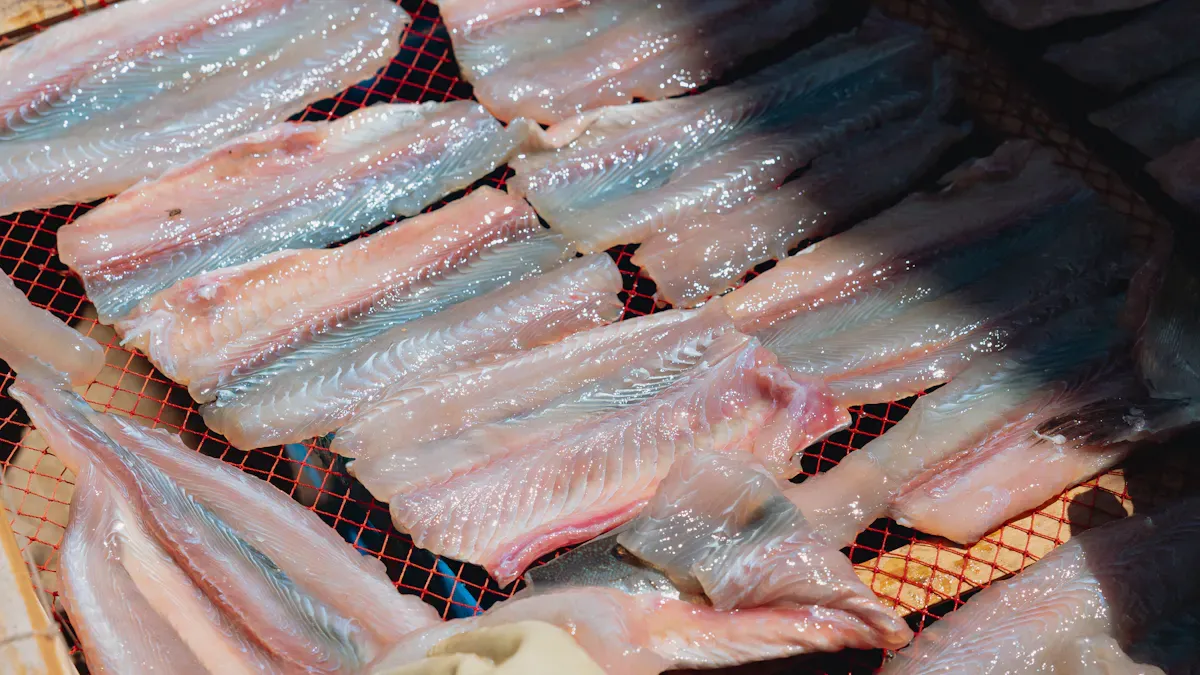
The top 5 key industry players in Fish fillet inspection machine technology for 2026 include RaymanTech, Marel, Baader, JBT Corporation, and Cabinplant. RaymanTech stands out among manufacturers with its advanced AI-powered inspection systems that use deep learning and dual-energy X-ray technology for precise and rapid bone detection. Marel offers robust solutions known for high reliability and consistent performance in fish fillet processing. Baader leads in engineering innovation, delivering machines that combine speed with gentle handling. JBT Corporation is recognized for its comprehensive support and custom solutions for seafood processors. Cabinplant excels in flexible, modular systems that adapt to a wide range of production needs.
Key Takeaways
RaymanTech leads with AI-powered inspection systems that enhance accuracy and reduce manual labor.
Marel's fresh fish fillet processing machines improve quality and efficiency through advanced robotics and AI.
Baader focuses on gentle handling and high throughput, making it ideal for large-scale seafood processing.
JBT Corporation offers reliable inspection solutions with strong customer support, ensuring food safety.
Cabinplant provides flexible, modular systems that adapt to various production needs, enhancing efficiency.
RaymanTech Fish Fillet Inspection Machine Solutions
Advanced Optical Sorting Technology
RaymanTech leads the way among fish fillet inspection machine manufacturers with its advanced optical sorting technology. This system uses ultra-high-definition cameras and AI to scan every piece of seafood. The fish fillet inspection machine can spot foreign materials, shell fragments, and even small visual defects that are hard to see with the human eye. This technology helps seafood processors keep their products safe and clean. By using automated cutting solutions, companies can reduce the need for manual sorting and lower the risk of mistakes. The fish fillet inspection machine also works well with both fresh and frozen seafood, making it a flexible choice for many types of production lines.
RaymanTech's AI Standard Optical Sorter reduces manual labor, which lowers wage bills and overhead costs.
The system improves sorting accuracy, so there is less waste and fewer material costs.
Faster sorting speeds allow companies to process more products in less time, increasing efficiency and saving money.
AI-Driven Quality and Safety
RaymanTech’s fish fillet inspection machine uses AI-driven quality and safety features that set it apart from other manufacturers. The system can detect tiny pieces of shell, plastic, or bone that could harm consumers. It also checks for discoloration and other visual problems that affect product quality. The fish fillet inspection machine adapts to different fish species and changing processing conditions. This flexibility helps seafood companies meet strict safety standards and reduce the risk of food contamination.
Metric | AI Model | Traditional Methods |
|---|---|---|
Sensitivity | 96% | N/A |
Specificity | 90% | N/A |
Accuracy | 93% | N/A |
These numbers show that RaymanTech’s technology offers high sensitivity and accuracy compared to older methods.
Industry Impact and Clients
RaymanTech’s fish fillet inspection machine has changed the way seafood processors work. By using automated cutting solutions, companies can handle more seafood with fewer workers. This leads to lower costs and higher profits. Many manufacturers trust RaymanTech because the machines help them keep a strong brand reputation. The fish fillet inspection machine also boosts production efficiency, so companies can deliver safe, high-quality seafood to their customers every time.
Note: RaymanTech’s solutions cover a wide range of seafood, including salmon, cod, shrimp, and canned products. This makes them a top choice for manufacturers looking for reliable automated cutting solutions.
Marel Key Industry Player Overview
Fresh Fish Fillet Processing Machine Technology
Marel has become a leader among manufacturers in the seafood industry. The company designs and builds fresh fish fillet processing machine solutions that help seafood processors achieve high standards. Each fresh fish fillet processing machine uses advanced cameras and sensors to scan fillets for defects. The machines detect color and texture imperfections, which improves product consistency. Marel’s fresh fish fillet processing machine also uses robotics to automate repetitive tasks. This reduces injury risk and helps companies solve labor shortages. The fresh fish fillet processing machine can handle both small and large volumes, making it suitable for many types of seafood operations.
Unique Features and Reliability
Marel’s fresh fish fillet processing machine stands out because of its unique features. The machines use AI-powered quality control systems that reduce human error. IoT integration allows real-time data analytics, which improves supply chain transparency. The fresh fish fillet processing machine collects detailed data and sends alerts to operators. This helps companies meet regulatory requirements and ensures food safety. Marel’s fresh fish fillet processing machine uses advanced processing algorithms to optimize raw material routing. This means the machine can select the best fit for each fillet, reducing waste and meeting deadlines. Sustainable waste management and energy-efficient technologies make Marel’s fresh fish fillet processing machine a smart choice for manufacturers who care about the environment.
Marel’s fresh fish fillet processing machine helps seafood processors improve quality, efficiency, and safety while reducing costs.
Market Reputation
Marel has earned a strong reputation among manufacturers for its reliable fresh fish fillet processing machine solutions. Many seafood companies trust Marel because the machines deliver consistent results. The fresh fish fillet processing machine supports traceability and compliance, which builds trust with customers. Marel’s focus on innovation and sustainability has made it a preferred partner for seafood processors worldwide. The company continues to develop fresh fish fillet processing machine technologies that address industry challenges and prepare manufacturers for future demands.
Feature | Benefit |
|---|---|
AI Quality Control | Improved consistency |
IoT Data Analytics | Enhanced traceability |
Robotics Automation | Increased safety |
Advanced Algorithms | Reduced waste |
Sustainable Technologies | Lower environmental impact |
Baader Fish Fillet Inspection Machine Innovations
Core Technologies
Baader has introduced several advanced technologies in fish fillet inspection machines. These machines can handle fillets up to 750 mm in length and process up to 50 fish per minute. The design focuses on gentle handling, which helps maintain product quality. Open construction allows for easy cleaning and reduces contact with fillets. Conveyor belts come with a special cleaning rack. The machines use advanced electric control systems, including I/O-link technology for monitoring and motion control for precise positioning. Baader’s iQMS software supports unified quality processes across production lines.
Feature | Description |
|---|---|
Fillet Length | Up to 750 mm |
Throughput | Up to 50 fish/min. |
Maintenance of Product Quality | Gentle transport, reduced handling |
Hygienic Design | Open construction, easy cleaning, cleaning rack for belts |
Advanced Electric Control | I/O-link monitoring, user-friendly interface, precise motion control |
iQMS software for unified processes |
Differentiators
Baader stands out among manufacturers for its use of advanced robotics and machine vision. These features allow for precise cuts and help minimize waste. The machines meet strict hygienic regulations, making them suitable for seafood processing environments. Automation reduces manual labor by over 30%, which increases efficiency in processing facilities. Baader’s solutions have proven performance, especially in Norway, where trials showed that automation preserved fish quality.
Advanced robotics for precise cutting
Machine vision for high-quality filleting
Hygienic compliance for seafood safety
Automation that reduces manual labor
Proven results in real-world processing plants
Client Success Stories
Many seafood processors choose Baader over other manufacturers because of its reliable performance. In Norway, companies have used Baader’s machines to automate fillet inspection and cutting. These processors report higher product consistency and reduced waste. The gentle handling system keeps fillets in top condition, even during high-speed processing. Clients also appreciate the easy-to-clean design, which helps them meet food safety standards. Baader’s focus on innovation and quality control has helped many seafood businesses improve their operations and build trust with customers.
JBT Corporation in Fish Fillet Processing
Inspection Machine Offerings
JBT Corporation provides advanced solutions for fish fillet inspection. The company focuses on technology that improves food safety and product quality. One of its leading products is the SensorX Fish. This machine uses X-ray inspection to find bones in fish fillets. It helps seafood processors deliver safer products to their customers. The SensorX Fish can detect even small bones that are hard to see. This reduces the risk of customer complaints and increases trust in the final product.
Product Name | Description |
|---|---|
SensorX Fish | Advanced X-ray inspection technology that detects bones with unprecedented accuracy, increasing quality and minimizing customer complaints. |
Many manufacturers choose JBT Corporation for its reliable inspection machines. The SensorX Fish fits into different production lines and works with a variety of fish species.
Reliability and Support
JBT Corporation has built a reputation for reliable machines and strong customer support. The company offers training and technical help for seafood processors. This support helps manufacturers keep their machines running smoothly. JBT’s service teams respond quickly to any issues. They provide spare parts and maintenance to reduce downtime. Many seafood companies trust JBT because the machines last for years and require little maintenance. The company’s focus on reliability helps processors meet strict food safety standards.
Tip: Regular maintenance of inspection machines can extend their lifespan and improve performance.
Industry Recognition
JBT Corporation is recognized as a leader among manufacturers in the seafood industry. The company has won awards for innovation and quality. Many global seafood processors use JBT’s inspection machines in their factories. Industry experts often mention JBT in reports about food safety and automation. The company’s commitment to technology and customer service sets it apart from other manufacturers. JBT continues to develop new solutions that help seafood processors stay competitive in a changing market.
Cabinplant as a Key Industry Player
Processing Machine Solutions
Cabinplant offers advanced solutions for fish fillet inspection. The SF30-20 Split Multihead weigher is one of their main machines. This equipment is designed for precise weighing of fresh meat, fish fillets, and fish loins. The machine uses 20 weighing heads, arranged in two sets of 10. This setup allows efficient dual-lane operation. Stainless steel construction ensures durability and hygiene. Transparent hopper covers make inspection easy. Screws secure the covers, keeping products contained. The robust metal frame forms the main assembly. A wash wall helps clean hoppers and chutes, maintaining sanitary conditions. Screw feeding mechanisms improve handling of sticky products.
Feature | Description |
|---|---|
Machine Type | SF30-20 Split Multihead weigher |
Application | Precise weighing of fish fillets, loins, and fresh meat |
Weighing Heads | 20 heads, dual-lane operation |
Material | Stainless steel for hygiene and durability |
Hopper Design | Transparent covers, secured by screws |
Support Structure | Robust metal frame |
Cleaning Features | Wash wall for cleaning hoppers and chutes |
Feeding Mechanism | Screw feeding for sticky products |
Competitive Advantages
Cabinplant stands out for its flexible and modular systems. The SF30-20 Split Multihead weigher adapts to different production needs. Companies can process a wide range of seafood products. The dual-lane design increases speed and efficiency. Stainless steel parts resist corrosion and meet hygiene standards. Easy inspection and cleaning reduce downtime. The screw feeding mechanism handles sticky fish fillets without causing jams. Cabinplant’s machines help processors save time and reduce waste.
Cabinplant’s focus on hygiene and efficiency makes their machines a trusted choice for seafood processors.
Customer Base
Cabinplant serves seafood processors around the world. Many companies use their machines for fish fillet inspection and weighing. The SF30-20 Split Multihead weigher fits both small and large operations. Cabinplant’s customers include fish processing plants, meat producers, and food manufacturers. These clients value reliability, hygiene, and flexible production. Cabinplant’s reputation for quality and innovation continues to grow in the global seafood industry.
Comparative Analysis of Key Industry Players
Technology Comparison
Fish fillet inspection machine manufacturers use different technologies to improve seafood processing. RaymanTech uses advanced blade technology and AI-powered optical sorting. Marel and JBT Corporation have software systems that detect fish, control water flow, and sort products for better efficiency. Baader focuses on high throughput and precision, which helps large factories process more fish quickly. Cabinplant offers flexible weighing and inspection solutions for many types of seafood.
Feature | RaymanTech | Marel | Baader | JBT Corporation | Cabinplant |
|---|---|---|---|---|---|
Filleting Precision | Advanced blade tech | High precision | High throughput | Innovative | N/A |
Processing Speed | High output rates | Efficient | High throughput | Maximizes yield | N/A |
Versatility | Handles many species | Specialized | Versatile | Adaptable | N/A |
User Interface | Intuitive | N/A | N/A | N/A | N/A |
Hygiene Standards | Easy cleaning | Compliance | N/A | N/A | N/A |
Marel stands out for its precise filleting and packing. Baader is known for speed and accuracy. JBT Corporation focuses on sustainability and reducing waste.
Reliability and Support
Reliability and support are important for seafood processors. Most top manufacturers offer strong warranties and training programs. They provide spare parts to reduce downtime. Many brands, like JBT Corporation and Marel, have 24/7 technical support. Customer reviews often mention quick service and helpful staff.
Criteria | Description |
|---|---|
Warranty | Robust coverage for operational issues |
Training Programs | Operator training for proper use and care |
Spare Parts Availability | Easy access to parts for fast repairs |
Technical Support | 24/7 help to solve problems quickly |
Customer Reviews | Positive feedback on performance and service |
Tip: Choosing a manufacturer with strong support can help keep your production line running smoothly.
Global Reach
The leading fish fillet inspection machine manufacturers serve customers worldwide. RaymanTech, Marel, Baader, JBT Corporation, and Cabinplant have a presence in many countries. Their machines are used in North America, Europe, and Asia. This global reach means seafood processors can find support and service almost anywhere. Companies with international networks can respond faster to customer needs and provide better after-sales service.
Choosing the Right Fish Fillet Inspection Machine Manufacturer
Assessing Production Needs
Selecting the best fish fillet inspection machine manufacturer starts with understanding your production requirements. Every seafood processor has unique needs based on the type of fish, the speed of the production line, and the quality standards expected by customers. Automation plays a key role in modern facilities. Machines that automate bone detection and quality evaluation help reduce manual labor and improve consistency. Advanced imaging technologies are important for identifying defects and ensuring product quality. Operators may have different views on what counts as a defect, so training is necessary to maintain high standards. Customer expectations focus on species, appearance, and the absence of defects. The table below highlights important factors to consider:
Factor | Description |
|---|---|
Automation | Machines automate tasks like bone detection and quality evaluation using algorithms. |
Imaging Technologies | Advanced imaging technologies help automate inspection and ensure product quality. |
Quality Control Practices | Operator perceptions of defects affect yield and require proper training. |
Customer Quality Factors | Species, appearance, and defect-free products are critical for customer satisfaction. |
Evaluating Technology and Support
Technology and support are essential when choosing a manufacturer. Equipment performance measures how efficiently and reliably machines operate. Service packages can improve long-term production results and financial stability. Quality control processes ensure seafood safety and compliance across supply chains. Manufacturers should offer on-the-ground inspection and scientific validation to prevent contamination and mitigate risks. The table below summarizes key criteria:
Criteria | Description |
|---|---|
Equipment Performance | Efficiency and reliability of fish fillet inspection machines. |
Service Packages | Investment in service packages leads to better long-term production and financial outcomes. |
Quality Control Processes | Rigorous oversight and compliance in seafood safety and quality across supply chains. |
Ensures seafood safety and quality across complex supply chains.
Provides scientific validation and on-site inspection.
Helps prevent contamination and reduce risks.
Tip: Reliable support and advanced technology can help seafood processors maintain high standards and avoid costly mistakes.
Considering Reputation
Reputation matters when selecting a fish fillet inspection machine manufacturer. Companies with strong industry reputations often deliver consistent results and reliable machines. Look for manufacturers known for their commitment to quality control and customer satisfaction. Positive feedback from other seafood processors can indicate trustworthy service and dependable equipment. A good reputation also suggests that the manufacturer invests in innovation and adapts to industry changes. Choosing a reputable partner helps protect your brand and ensures long-term success.
Consistent results build trust with customers.
Reliable machines reduce downtime and improve efficiency.
Industry recognition signals commitment to quality and innovation.
Note: Matching your operational needs with a manufacturer’s strengths can lead to better outcomes and higher product quality.
Choosing the right fish fillet inspection machine depends on your production goals and quality standards. The table below highlights what sets each company apart:
Company | Unique Strengths |
|---|---|
RaymanTech | Advanced AI-powered inspection and UHD optical sorting for seafood safety and quality. |
Marel | Leading automation for high-output processing in premium markets. |
Baader | High-speed, precise automation for developed seafood industries. |
JBT Corporation | Focus on post-filleting processes, energy-efficient freezing, and sustainability. |
Cabinplant | Flexible solutions for weighing, cooking, and value-added seafood products. |
Match your needs with these strengths. Contact manufacturers for demos or more information. Technology, reliability, and support are key to long-term success.
FAQ
What is a fish fillet inspection machine?
A fish fillet inspection machine checks fish fillets for bones, defects, and foreign materials. It uses cameras, sensors, or X-ray technology to scan each fillet. The machine helps seafood processors deliver safer and higher-quality products.
How does AI improve fish fillet inspection?
AI analyzes images and data from the machine. It detects tiny bones, shell fragments, and discoloration faster than manual inspection. AI helps reduce errors and improves consistency in seafood processing.
Which seafood products can these machines inspect?
Fish fillet inspection machines can handle salmon, cod, shrimp, lobster, and canned seafood. Some models work with both fresh and frozen products. Processors choose machines based on their specific seafood types.
Why is hygiene important in fish fillet inspection machines?
Hygiene prevents contamination and keeps seafood safe. Machines with easy-to-clean designs help processors meet food safety standards. Stainless steel parts and wash walls make cleaning faster and more effective.
How do I choose the right manufacturer?
Factor | What to Look For |
|---|---|
Technology | Advanced sorting and detection |
Reliability | Consistent performance |
Support | Training and quick service |
Reputation | Positive industry feedback |
Match your needs with these factors for the best results.