Tomato color sorter sorts smarter, not harder
A tomato color sorter transforms processing facilities by automating sorting tasks. Processors report significant labor savings:
- Labor requirements drop from 12 to just 2-4 sorters per machine.
- Harvesting labor falls from 12 hours to 0.4 hours per ton. Advanced computer vision identifies defects, removes debris, and ensures cleaner, higher-quality tomatoes.
How Tomato Color Sorter Improves Processing Efficiency
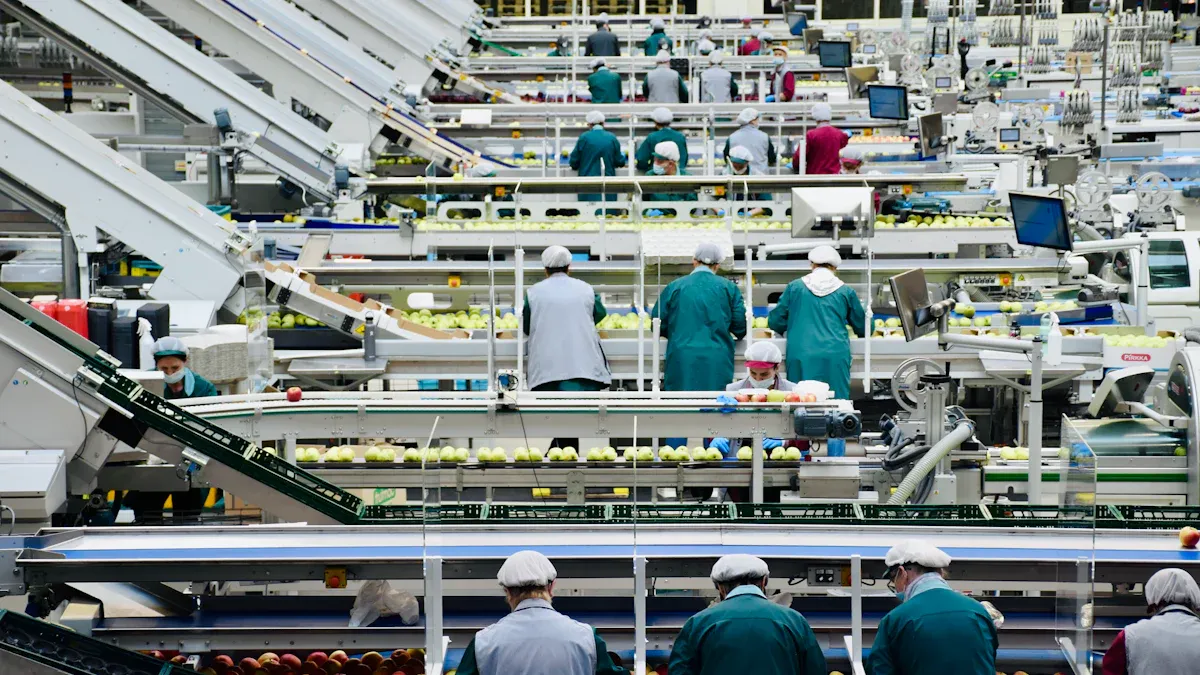
Automated Sorting Precision
Tomato color sorter technology brings a new level of accuracy to tomato processing. These machines use a combination of advanced sensors and imaging systems to evaluate each tomato in real time. The following technologies work together to deliver precise sorting:
- Optical imaging uses high-speed cameras and image recognition algorithms to assess size, shape, color, and surface defects.
- Near-infrared spectroscopy measures internal qualities such as sugar content and firmness, which helps predict shelf life.
- 3D laser profiling maps the surface of each tomato, detecting cracks and bruises that cameras might miss.
Note: The TOMRA 5S Advanced sorter, introduced in 2021, can sort large tomatoes by weight, size, shape, density, color, defects, and softness. This machine operates hygienically and allows for toolless cleaning, setting a new standard for sorting accuracy.
Manual sorting cannot match this level of precision. Workers may overlook subtle defects or inconsistencies, especially during long shifts. Tomato color sorter systems maintain high accuracy throughout the day, reducing the risk of human error.
Speed and Throughput Gains
Processing speed directly impacts profitability in tomato operations. Tomato color sorter machines process thousands of tomatoes per hour, far outpacing manual labor. Automated systems do not tire or slow down, so they maintain consistent throughput from start to finish.
Consider the following comparison of sorting technologies:
- Optical (RGB) imaging excels at detecting color differences but may miss internal defects.
- Near-infrared (NIR) spectroscopy evaluates internal quality, though it requires careful calibration.
- 3D laser profiling identifies surface issues, adding another layer of quality control.
By combining these methods, tomato color sorter machines achieve both speed and accuracy. Processors can handle larger volumes without sacrificing quality, which leads to higher daily output and improved operational efficiency.
Consistent Quality Control
Consistency defines product quality in the food industry. Tomato color sorter systems deliver uniform results, ensuring that only tomatoes meeting strict criteria reach the next stage of processing. This consistency reduces customer complaints and enhances brand reputation.
The following table highlights the error rates and cost comparisons between different sorting methods:
| Sorting Method | Error Rate | Cost Comparison |
|---|---|---|
| Tomato Color Sorter | N/A | 12% higher cost |
| Manual Sorting | N/A | Baseline |
| General Sorting Machine | 5% | N/A |
Although the initial investment in a tomato color sorter may be higher, the reduction in errors and the improvement in product quality often justify the cost. Processors benefit from less waste, fewer returns, and more satisfied customers.
Tomato Color Sorter vs. Manual Sorting: Key Advantages
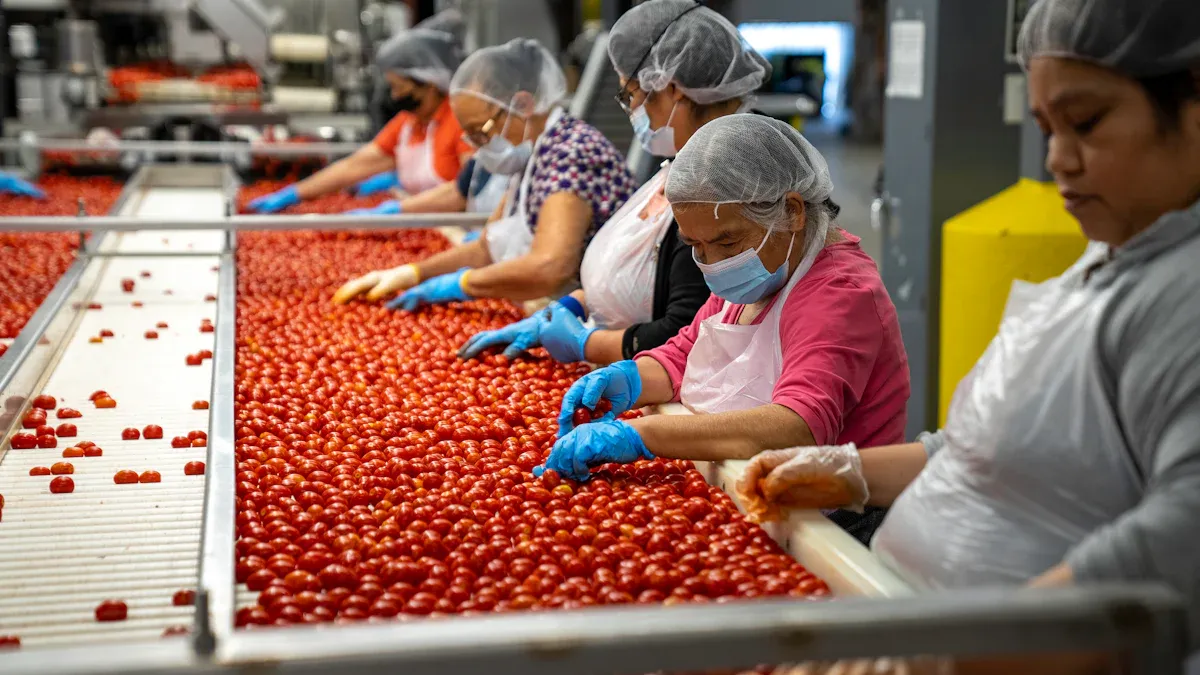
Reduced Labor Costs
Tomato processing plants face high labor costs when relying on manual sorting. Workers must inspect each tomato for color, size, and defects, which requires significant manpower and time. The introduction of tomato color sorter technology dramatically reduces these requirements. AI-powered sorting machines handle repetitive tasks, allowing facilities to operate with fewer workers. This shift not only lowers labor expenses but also creates a safer work environment by minimizing repetitive strain injuries.
The following table highlights the impact on workforce requirements:
| Evidence Description | Impact on Workforce Requirements |
|---|---|
| AI-powered sorting machines reduce the need for manual labor in processing plants. | Fewer workers are needed, lowering labor costs. |
| The machines enhance sorting accuracy, leading to fewer mistakes in sorting. | Improved efficiency reduces the number of workers. |
| The technology makes workplaces safer by minimizing repetitive tasks. | Contributes to a more efficient workforce structure. |
Facilities that adopt automated sorting can reallocate staff to higher-value tasks, further increasing operational efficiency.
Minimized Waste and Improved Yield
Manual sorting often results in inconsistent quality and higher waste. Workers may overlook subtle defects or discard usable tomatoes due to fatigue or error. Automation addresses these challenges by providing precise and consistent sorting. Tomato color sorter systems use advanced sensors to detect defects invisible to the human eye, ensuring only high-quality fruit moves forward in the process.
Key benefits of automation in tomato sorting include:
- Enhanced efficiency and quality control.
- Reduced labor costs and improved quality control.
- Higher efficiency and throughput, resulting in less waste and more sustainability.
A comparison of features and benefits demonstrates the advantages:
| Feature | Benefit |
|---|---|
| Efficiency | Processes 2 to 3 times the amount of previous machines, increasing throughput. |
| Accuracy | Detects defects that are not visible to the human eye, ensuring higher quality sorting. |
| Defect Detection | Removes a significant amount of bad fruit, enhancing overall product quality and yield. |
Processors report a 25% boost in yield after switching to automated sorting, driven by accurate defect detection and reduced product waste.
Time Savings and Error Reduction
Manual sorting slows down production lines and introduces variability. Workers tire over long shifts, which increases the likelihood of mistakes. Tomato color sorter machines maintain consistent speed and accuracy throughout the day. They process thousands of tomatoes per hour, ensuring that production targets are met without sacrificing quality.
A direct comparison of cost and efficiency factors illustrates the difference:
| Factor | Manual Labor | Tomato Color Sorter |
|---|---|---|
| Efficiency | Slow and inconsistent | Fast and consistent |
| Labor Intensity | High | Low |
| Cost of Operation | Higher due to labor costs | Lower due to automation |
| Maintenance Costs | N/A | Requires regular maintenance |
| Energy Consumption | N/A | Higher for less efficient models |
| Total Cost of Ownership (TCO) | Higher for operations over 5 tons | Can be lower with efficient models |
Automated systems reduce errors, minimize downtime, and help processors achieve greater throughput with fewer resources.
Return on Investment
Investing in a tomato color sorter delivers measurable long-term financial benefits. Processors experience increased yield, improved efficiency, and enhanced product quality. Uniformly sorted tomatoes meet retailer standards, which leads to fewer rejections and lower costs associated with returns.
Processors have reported a 25% increase in yield, high-speed sorting capabilities, and better product quality after implementing color sorting technology.
The total cost of ownership for automated systems can be lower than manual operations, especially for facilities processing more than five tons per day. Over time, the savings from reduced labor, minimized waste, and improved yield offset the initial investment, making automation a smart choice for modern tomato processors.
Tomato color sorter systems optimize sorting by integrating advanced vision and machine learning. Processors benefit from reduced waste, improved crop quality, and lower labor costs. These machines meet global standards and handle diverse tomato varieties efficiently.
| Certification | Description |
|---|---|
| GS | German certification for safety and quality |
| CE | European conformity marking |
| ISO9001 | International standard for quality management systems |
| SGS | Global leader in inspection, verification, testing, and certification |
FAQ
How does a tomato color sorter detect defects?
Advanced sensors and cameras scan each tomato. The system identifies color, size, and surface flaws. Machine learning algorithms help improve accuracy over time.
What maintenance does a tomato color sorter require?
Operators should clean sensors and conveyors regularly. Scheduled inspections and software updates keep the machine running efficiently.
Can a tomato color sorter handle different tomato varieties?
Yes. Processors can adjust settings for size, shape, and color. The machine sorts cherry, plum, and beefsteak tomatoes with high accuracy.
See Also
The Importance of Capsule Sorters in Eliminating Defects
Key Capsule Checkweighers to Explore for 2025 Purchases
A Comprehensive Guide to Choosing Tablet Sampling Machines
Essential Industrial Checkweighers for Every Food Processing Facility