Are Titanium Heat Exchangers Worth the Investment
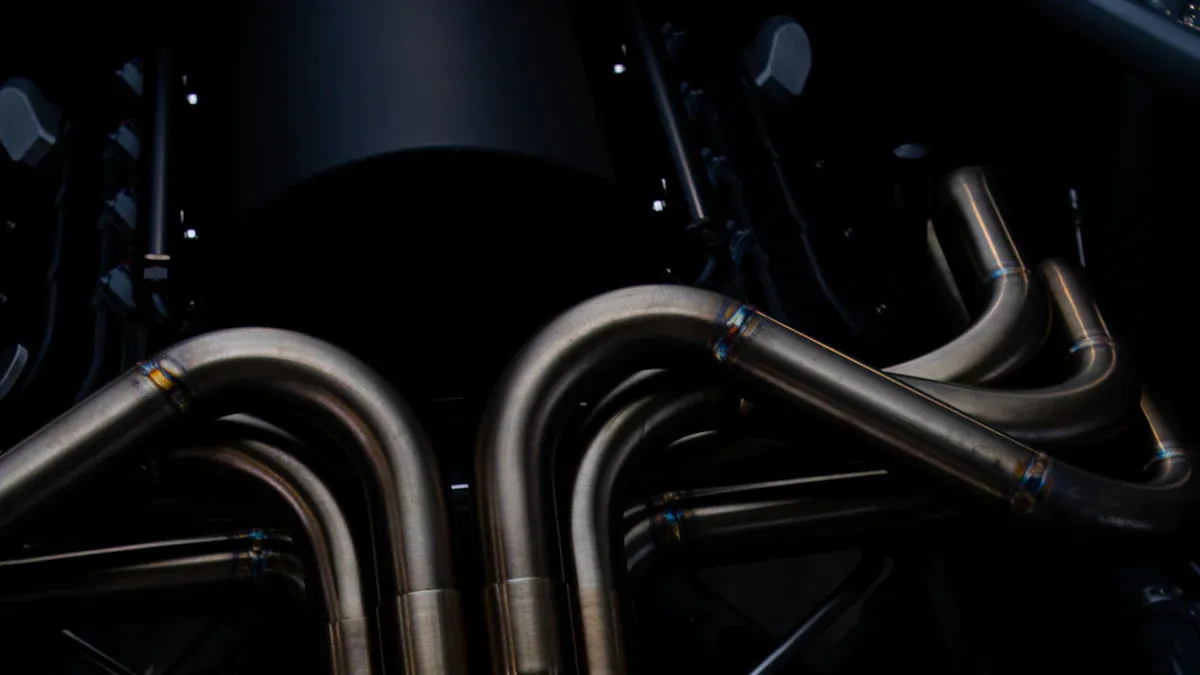
Titanium heat exchangers deliver impressive value for industries needing durability and reliability. Titanium resists corrosion, remaining stable in harsh environments. Companies often choose titanium heat exchanger models for challenging processes. Shanghai Heat Transfer’s TP Welded Plate Heat Exchanger showcases advanced titanium solutions. Many professionals see high upfront costs, but long-term savings, safety, and low maintenance make titanium a smart investment.
Cost balances with longevity and reduced maintenance.
Application suitability depends on process requirements.
Titanium Heat Exchanger Advantages
Corrosion Resistance
Titanium stands out for its exceptional corrosion resistance. In industrial settings, this property protects equipment from damage caused by aggressive chemicals and saline solutions. The TP Welded Plate Heat Exchanger by Shanghai Heat Transfer demonstrates how titanium’s protective oxide film remains stable across a wide range of conditions. This film forms a self-healing titanium dioxide layer, which shields the metal from corrosion in seawater and brine applications. Unlike stainless steel and copper, titanium does not suffer from stress corrosion in chloride environments.
Titanium’s oxide layer provides continuous protection without maintenance.
Titanium alloys resist most natural water conditions and common salt solutions.
Titanium withstands environments that would rapidly corrode stainless steel.
Durability and Longevity
Titanium heat exchangers deliver impressive durability and longevity. Industrial users in mining, chemical, and food processing industries benefit from titanium’s ability to maintain structural integrity over decades. The TP Welded Plate Heat Exchanger, constructed with titanium, often lasts over 30 years with minimal maintenance. This long service life reduces replacement frequency and lowers total cost.
Titanium’s durability ensures reliable operation even in demanding environments.
Efficiency in Harsh Environments
Titanium heat exchangers excel in harsh environments, including those with high chloride concentrations. The TP Welded Plate Heat Exchanger performs well in geothermal power plants and chemical processing facilities.
Key Advantages |
|---|
Self-forming passive oxide layer that enhances longevity |
Resistance to wet chlorine gas and hypochlorite. |
Stability in chloride-containing solutions, such as NaCl and KClO, up to 120°C. |
Titanium resists general, crevice, and pitting corrosion, which is crucial for geothermal and chemical applications. The durability of titanium leads to lower maintenance costs and increased reliability, enhancing overall system performance.
Titanium equipment lowers overall maintenance and downtime.
Titanium heat exchangers provide the lowest life-cycle costs for plants handling corrosive materials.
Low Maintenance Needs
Titanium heat exchangers require less maintenance than those made from other materials. The TP Welded Plate Heat Exchanger features integrated Cleaning-in-Place systems, which simplify upkeep. Titanium’s corrosion resistance in harsh environments means fewer repairs and less frequent cleaning.
Titanium’s self-healing oxide layer reduces the need for intervention.
Users experience lower maintenance costs and improved efficiency.
Non-Toxic and Safe
Titanium is non-toxic and safe for use in sensitive industries, including pharmaceutical and food processing. Titanium heat exchangers meet strict safety certifications, ensuring compliance and reliability.
Certification | Description |
|---|---|
ASME Boiler and Pressure Vessel Code | Regulates design and manufacture of pressure vessels in the U.S. for industrial heat exchangers. |
TEMA | Provides specifications for shell-and-tube units, especially in high-pressure applications. |
API 660 | Used in refinery and petrochemical services for performance and material specifications. |
CE Marking | Confirms safety and environmental compliance for equipment in the EU. |
ASME-BPE | Governs design and manufacturing of pharmaceutical-grade heat exchangers, including material selection and testing. |
No documented cases of titanium leaching or toxicity have been reported in heat exchanger applications. Mechanical degradation and electrochemical corrosion, not leaching, account for rare failures. Titanium remains a safe choice for applications where titanium shines, such as chemical, food, and pharmaceutical industries.
The TP Welded Plate Heat Exchanger by Shanghai Heat Transfer serves as a leading example of how titanium heat exchangers combine corrosion resistance, durability, efficiency, and safety for demanding industrial applications.
Disadvantages of Titanium Heat Exchangers
High Initial Cost
Titanium heat exchangers often require a higher upfront investment compared to alternatives. Many buyers notice the price difference when evaluating options for industrial applications. The following table compares the typical price ranges for heat exchangers made from titanium, stainless steel, and copper:
Material | Price Range |
|---|---|
Titanium | $100 |
Stainless Steel | $120 - $180 |
Copper | $1,000 |
Although titanium appears less expensive in this table, the actual cost for custom industrial units can rise due to fabrication complexity and material purity. Over a 20-year period, the initial investment in titanium heat exchangers can lead to lower total cost of ownership. Reduced maintenance, fewer replacements, and improved corrosion resistance contribute to long-term savings. Many companies choose titanium for its durability and reliability, especially in environments where corrosion poses a significant risk.
Tip: When evaluating cost, consider not only the purchase price but also maintenance, energy use, and expected lifespan.
Heat Conductivity Limitations
Titanium does not conduct heat as efficiently as copper. This property can affect performance in some applications. The table below shows the thermal conductivity values for common heat exchanger materials:
Material | Thermal Conductivity (BTU-in/hr-ft²-°F) |
|---|---|
Titanium | 118 |
Stainless Steel | 69.4 to 238 |
Copper | 400 W/m·K (approx. 340 BTU-in/hr-ft²-°F) |
Titanium has a thermal conductivity of 118 BTU-in/hr-ft²-°F.
Stainless steel ranges from 69.4 to 238 BTU-in/hr-ft²-°F.
Copper, with a high thermal conductivity, is often preferred for rapid heat transfer.
Engineers must account for these differences when designing systems for maximum efficiency. In some cases, the lower conductivity of titanium may require larger surface areas or more advanced designs to achieve desired performance. However, titanium’s resistance to corrosion and its durability often outweigh these limitations in harsh environments.
Sourcing and Availability
Titanium sourcing presents unique challenges for manufacturers. Several factors influence the availability and cost of titanium:
Geopolitical factors and trade tensions can disrupt supply chains.
Environmental regulations may impact production costs and capacity.
Consolidation among raw material suppliers creates vulnerabilities in the supply chain.
These risks can lead to delays or increased costs for industrial projects. Companies should work with trusted suppliers, such as Shanghai Heat Transfer, to ensure reliable access to high-quality titanium heat exchangers.
Application Restrictions
Titanium heat exchangers face certain regulatory and practical restrictions in specific industries. Food and beverage processing, for example, must comply with strict standards:
The FDA regulates Plate Heat Exchangers under the Food Safety Modernization Act, focusing on preventive controls.
The European Hygienic Engineering and Design Group provides guidelines for hygienic design.
The Codex Alimentarius Commission sets global food standards for heat exchanger design and maintenance.
3-A Sanitary Standards outline requirements for dairy processing equipment.
Good Manufacturing Practices include material selection and cleaning procedures.
Some fluids or processes may not suit titanium due to chemical compatibility or regulatory requirements. Engineers must evaluate each application to ensure titanium meets all safety and performance criteria.
Note: Consulting with experts at Shanghai Heat Transfer can help companies navigate these restrictions and select the best solution for their needs.
Comparing Titanium to Other Materials
Stainless Steel vs. Titanium
Engineers often compare stainless steel and titanium when selecting heat exchangers for demanding environments. In marine applications, titanium heat exchangers deliver superior performance due to their outstanding corrosion resistance. Stainless steel may require protective coatings to withstand saltwater, while titanium remains stable without extra treatment. The TP Welded Plate Heat Exchanger by Shanghai Heat Transfer demonstrates how the quality of material impacts both durability and efficiency. The following table highlights the performance comparison between these two metals:
Feature | Titanium | Stainless Steel |
|---|---|---|
Corrosion Resistance | Superior, ideal for marine use | Less resistant, may require coatings |
Thermal Conductivity | Lower, less efficient heat transfer | Higher, allows for efficient heat transfer |
Weight | Lighter, advantageous in weight-sensitive applications | Heavier, may require robust construction |
Cost | Higher initial cost, lower maintenance | Lower initial cost, higher maintenance needs |
Titanium heat exchangers offer a longer service life and lower maintenance, making them a preferred choice for harsh environments.
Copper vs. Titanium
Copper provides excellent thermal conductivity and heat transfer efficiency, which makes it popular in HVAC and refrigeration. However, copper does not match titanium’s corrosion resistance in aggressive fluids or seawater. Titanium heat exchangers maintain efficiency and reliability where copper would degrade quickly. For industries that value long-term performance over initial cost, titanium stands out as the better investment.
Hastelloy and Other Alloys
Hastelloy and other specialty alloys compete with titanium in chemical processing. The table below shows the trade-offs in cost, durability, and application:
Material | Cost | Durability | Applications |
|---|---|---|---|
Hastelloy B2 | Generally cheaper | Good resistance to reducing environments, suitable for high-pressure applications | Chemical reactors, heat exchangers, pressure vessels |
Titanium | More expensive | Superior corrosion resistance, longer service life, lower maintenance needs | Marine equipment, desalination plants, aerospace parts |
Titanium’s superior performance in resisting corrosion and extending equipment lifespan often justifies the higher cost in critical applications.
Cost-Benefit Analysis
Many industrial plants report a short payback period after switching to titanium heat exchangers. For example:
A petrochemical plant achieved payback in just 2-3 years after replacing stainless steel units with titanium.
A chemical facility saved over $2 million in ten years by reducing energy and maintenance costs.
These results show that titanium heat exchangers provide excellent heat transfer efficiency and long-term savings. The TP Welded Plate Heat Exchanger by Shanghai Heat Transfer serves as a prime example of how advanced design and material selection can maximize efficiency and reliability in industrial systems.
Choosing titanium ensures high heat transfer efficiency, low maintenance, and a long service life, especially in challenging environments.
Choosing the Right Titanium Heat Exchanger
Application Needs
Selecting the right titanium heat exchanger starts with understanding the specific requirements of each application. Engineers in chemical processing and petrochemical industries must consider several factors to ensure optimal performance and reliability.
Quality of material plays a crucial role. High-quality titanium offers superior corrosion resistance and durability, especially in seawater cooling systems and power generation and desalination plants.
Manufacturer reputation matters. Companies should choose trusted brands like Shanghai Heat Transfer, known for advanced solutions such as the TP Welded Plate Heat Exchanger.
Heat transfer efficiency drives energy savings and operational effectiveness.
Size and design must match the demands of the process, whether for power generation or seawater cooling systems.
Titanium’s high strength-to-weight ratio supports installations where weight and durability are critical.
Budget Considerations
Budget constraints often influence the decision to invest in titanium heat exchangers. Small manufacturers in cost-sensitive markets may hesitate due to the high initial costs. However, titanium offers long service life, which leads to significant savings over time. Reduced maintenance and fewer replacements contribute to energy savings and lower total ownership costs. Companies in power generation and desalination plants often find that the upfront investment pays off through reliable operation and minimized downtime.
Maintenance and Lifespan
Titanium heat exchangers require regular maintenance to maintain peak performance. The following table outlines typical maintenance activities for continuous operation environments:
Maintenance Activity | Description |
|---|---|
Regular Cleaning | Removes deposits that impede heat transfer and reduce efficiency. |
Chemical Cleaning | Dissolves scaling and mineral deposits. |
Mechanical Cleaning | Uses physical methods to remove fouling. |
High-Pressure Water Jetting | Clears debris from tubes using water streams. |
Routine Inspections | Detects cracks, leaks, or signs of wear and corrosion. |
Visual Inspections | Identifies leakage or surface degradation. |
Pressure Testing | Ensures integrity; drop in pressure signals issues. |
Thermal Imaging | Finds uneven temperature distributions. |
Gasket Replacement | Prevents leaks and maintains system integrity. |
Tube Plugging | Temporarily plugs defective tubes. |
Lubrication of Moving Parts | Keeps fans or pumps running smoothly. |
Flow Rate Adjustments | Optimizes fluid flow rates to minimize stress and wear. |
Temperature Monitoring | Checks inlet and outlet temperatures for performance. |
Titanium’s high strength-to-weight ratio and corrosion resistance extend the lifespan of equipment, especially in seawater cooling systems and power generation and desalination plants.
Consulting Shanghai Heat Transfer Experts
Professional consultation ensures the best fit for complex industrial needs. Shanghai Heat Transfer’s team provides guidance on selecting titanium heat exchangers for chemical processing and petrochemical industries. Their expertise helps companies achieve maximum energy savings, long service life, and reliable power generation.
Tip: Consulting experts can lead to greater savings and improved system performance in demanding environments.
Titanium heat exchangers deliver strong value for industries that prioritize durability and reliability. Many companies in desalination, chemical processing, and mining choose titanium for its resistance to corrosion and long service life. The TP Welded Plate Heat Exchanger by Shanghai Heat Transfer stands out in desalination plants, where maintenance schedules remain predictable and downtime stays low. Regular maintenance ensures peak performance in desalination, food processing, and power generation. Companies benefit from reduced maintenance costs and improved efficiency. Shanghai Heat Transfer experts help clients select the right titanium solution for their desalination and industrial needs.
Key benefits include lower maintenance, extended lifespan, and reliable operation in desalination environments.
Next steps: Contact Shanghai Heat Transfer for tailored titanium heat exchanger recommendations and maintenance support.
FAQ
What industries benefit most from titanium heat exchangers?
Titanium heat exchangers serve chemical processing, mining, food production, and desalination plants. These industries need equipment that resists corrosion and operates reliably. Shanghai Heat Transfer’s TP Welded Plate Heat Exchanger performs well in these demanding environments.
How does titanium compare to stainless steel in maintenance?
Titanium requires less maintenance than stainless steel. Its corrosion resistance reduces cleaning and repair needs. Many companies choose titanium for lower long-term costs and fewer service interruptions.
Can titanium heat exchangers handle extreme temperatures?
Titanium withstands a wide temperature range, from cryogenic to high-heat applications. The TP Welded Plate Heat Exchanger by Shanghai Heat Transfer operates safely between -196°C and 900°C, making it suitable for many industrial processes.
Are titanium heat exchangers safe for food and pharmaceutical use?
Titanium is non-toxic and meets strict safety standards. Food and pharmaceutical industries trust titanium heat exchangers for clean, reliable operation. Shanghai Heat Transfer designs products that comply with global safety certifications.
Where can companies get expert advice on titanium heat exchangers?
Shanghai Heat Transfer offers expert consultation for selecting and maintaining titanium heat exchangers. Their team helps businesses choose the right solution for specific industrial needs.