Tips to Extend the Life of Your Small Juice Packer
A consistent maintenance routine is the most effective method for maximizing a machine's operational lifespan. It directly protects the owner's investment.
Breakdown prevention relies on five key areas, from daily cleaning to correct operation.
Implementing these practical steps reduces costly downtime. This discipline ensures the small juice packing machine delivers consistent, high-quality production. This approach safeguards both the equipment and the final product quality.
Tip 1: Master the Daily Cleaning and Sanitization Routine

A disciplined cleaning and sanitization routine is the foundation of machine longevity and product safety. Neglecting this daily task allows residue to build up, which can impede mechanical functions and compromise hygiene. A consistent daily regimen prevents minor issues from escalating into major repairs.
Clean All Product Contact Parts After Each Use
Operators must clean all surfaces that touch the juice after every production run. This prevents cross-contamination and residue buildup. The industry-standard procedure for food contact surfaces is a clear, four-step process:
- Rinse away gross debris with water.
- Clean the surface with an appropriate detergent.
- Rinse away the detergent thoroughly.
- Sanitize the clean surface to eliminate microorganisms.
Depending on the component, this may involve mechanical cleaning (Clean-in-Place), partial disassembly (Clean-out-of-Place), or full manual disassembly.
Important Note: Never use a plain steel brush on food-grade stainless steel. The coarse bristles can damage the protective oxide layer, leading to microscopic cracks and rust that harbor bacteria.
Sanitize Nozzles, Valves, and Hoses
Sanitization is a critical step that reduces microorganisms to a safe public health level. A proper sanitizing process achieves a 99.999% reduction in contamination on product contact surfaces within 30 seconds. Operators should use only food-grade sanitizing solutions that comply with FDA regulations, such as 21 CFR 178.1010. Always dilute sanitizers with potable water according to the manufacturer's specific instructions for concentration and contact time. This ensures both effectiveness and compliance.
Wipe Down the Machine Exterior and Control Panel
Maintaining the machine's exterior is also important. Operators should wipe down the frame, panels, and surfaces with a clean, damp cloth. Special care is required for the control panel and any electronic interfaces.
- Always power down the machine completely before cleaning electronic components.
- Use a vacuum with a non-metallic brush to remove loose dust and debris.
- For stubborn grime, use a soft cloth lightly dampened with a manufacturer-approved, non-flammable solvent. Never spray liquids directly onto the panel.
- If compressed air is necessary, the pressure must be under 30 psi to prevent damage to sensitive parts.
This practice keeps the machine looking professional and prevents dust from interfering with buttons, touch screens, and safety sensors.
Ensure Safety Guards and Sensors are Unobstructed
Safety guards and sensors are the machine's primary protection systems for both operators and the equipment itself. Physical guards shield personnel from moving components. Electronic sensors monitor the machine's status to prevent errors and accidents. Their effectiveness depends entirely on them being clean and clear from any obstruction. A simple daily check prevents unnecessary downtime and ensures a safe working environment.
Juice spatter, dust, or even a misplaced label can block a sensor's view. Modern packers use precise components like photoelectric sensors to detect bag presence or alignment. A blocked lens can trick the system into thinking a bag is missing or a door is open. This triggers the automatic fault alarm system, halting production unnecessarily. Keeping these components clean is a simple but critical task.
A safety sensor is a non-negotiable component of safe machine operation. Operators must never bypass or disable these critical features. Bypassing a sensor creates a serious safety hazard and may void the manufacturer's warranty.
Operators should incorporate the following checks into their daily cleaning routine:
- Wipe Down Guards: Use a soft, lint-free cloth to clean all transparent safety guards. This provides a clear view of the machine's ten-station structure and CAM drive system during operation.
- Clean Sensor Lenses: Gently wipe the lenses of all photoelectric and proximity sensors. A clean microfiber cloth is ideal for removing residue without scratching the surface.
- Test Interlock Switches: Carefully open a guarded door while the machine is in a safe state. Confirm the control panel registers the action and prevents a machine cycle from starting.
- Remove Physical Debris: Look for and remove any debris, fallen bags, or tools that could interfere with a sensor or moving part.
This quick inspection takes only a few minutes. It is a direct investment in operational uptime and workplace safety.
Tip 2: Implement a Scheduled Inspection Checklist
Daily cleaning is essential, but a proactive inspection schedule prevents gradual wear from causing unexpected failures. A formal checklist is the best tool to ensure consistency and accountability. Operators can use standardized templates for weekly and monthly tasks, many of which are available online as free PDF downloads. These checklists often cover operational checks, lubrication, and safety feature tests, providing a solid foundation for a custom maintenance plan.
Weekly Checks: Inspect Seals, Gaskets, and O-Rings
Seals, gaskets, and O-rings are critical for preventing leaks and maintaining sanitary conditions. A failed seal can lead to product loss and contamination. During a weekly visual inspection, operators should look for specific signs of degradation.
- Leakage: Any visible escape of juice indicates a compromised seal.
- Brittleness: The material appears stiff and may have cracks instead of being flexible.
- Deformation: The seal has lost its original shape and appears flattened or warped.
- Fraying: The edges look chewed or are pushing out from their housing.
- Pock Marks: The surface has visible notches or missing chunks of material.
Replacing these small, inexpensive parts promptly prevents larger, more costly system failures.
Weekly Checks: Examine Belts for Tension and Wear
Belts transfer power to key systems, including the full CAM drive that ensures stable operation. Incorrect tension or excessive wear can disrupt machine timing and lead to breakdowns. Operators should check that belts are not too tight or too loose. They must also inspect the belt surfaces for fraying, cracks, or a glazed, shiny appearance, which indicates slipping.
Monthly Checks: Calibrate Fill Volumes for Accuracy
Accurate fill volumes are vital for product consistency and cost control. Over time, machines can drift from their initial settings. A monthly calibration check ensures every package receives the correct amount of juice.
Inconsistent flow rates are a primary cause of inaccurate fills. Issues like air bubbles in the product line, worn filling valves, or changes in juice viscosity can all affect the final volume.
Operators should run a test batch and measure the volumes to confirm they are within the specified tolerance. If they find inconsistencies, the cause could be as simple as air in the tube or a loose clamp. Regular calibration catches these issues before they impact a full production run.
Monthly Checks: Inspect Electrical Connections and Alarms
A machine's electrical system is its central nervous system. Consistent monthly inspections of connections and alarms prevent unexpected shutdowns and ensure operator safety. These checks protect the sensitive PLC and large-screen touch screen that control the machine's ten-station structure.
A qualified technician should perform a thorough visual inspection of all electrical components. They must look for any signs of wear, corrosion, or damage to wiring and panels. Loose connections can create hot spots and become fire hazards. Technicians can use an infrared camera to detect these hot spots in electrical panels before they cause a failure. They should also verify that all electrical systems are properly grounded to prevent electrical shocks.
Safety First: Only qualified personnel should ever perform electrical maintenance. They must always de-energize and lock out the equipment before beginning any repair work to prevent serious accidents.
Testing the alarm system is another critical monthly task. The packer’s automatic fault tracking and alarm system provides real-time operational status updates. Operators can intentionally trigger a fault, such as opening a safety guard, to confirm the alarm sounds and the machine stops as designed. This test verifies that crucial safety interlocks are functioning correctly.
A routine electrical audit should include these steps:
- Inspect Cords: Check all electrical cords for fraying or damage.
- Test Switches: Ensure all switches and emergency shut-offs function without fault.
- Verify Breakers: Confirm circuit breakers are not overloaded or tripping frequently.
- Check Alarms: Test the automatic fault alarm system to ensure it responds correctly.
This proactive approach to electrical maintenance keeps the machine running reliably. It protects the investment and maintains a safe production environment.
Tip 3: Ensure Proper Operation of Your Small Juice Packing Machine
Even a perfectly maintained machine can fail due to improper operation. Operator error is a significant cause of unplanned downtime. Establishing and enforcing standard operating procedures (SOPs) is crucial for protecting the equipment and ensuring consistent output. Proper training transforms operators into proactive partners in machine care.
Train All Operators on Standard Procedures
A comprehensive training program is the first line of defense against equipment misuse. Standardized procedures minimize process variability, which leads to more predictable and high-quality results. When every operator follows the same clear, step-by-step instructions, the risk of human error decreases significantly. An effective training curriculum should be an ongoing process.
- Correct Usage: Operators must understand the machine's intended functions and limitations to prevent misuse.
- Safety Protocols: Training must cover all safety requirements, including emergency stop procedures and hazard identification.
- Risk Awareness: A strong program builds a safety-conscious mindset, empowering operators to recognize and avoid potential hazards.
- Continuous Learning: Regular refresher courses help operators adapt to any new technology or process updates.
Understand the PLC and Touch Screen Interface
Modern packers are controlled by a Programmable Logic Controller (PLC) and a large-screen touch screen interface. This system simplifies operation, but operators need to understand it thoroughly. The interface provides full control over the machine's ten-station structure. Training should cover how to navigate menus, adjust settings, and access different functions. A key feature is the ability to switch between product specifications with a single key, which improves work efficiency. Operators comfortable with the interface can perform these changeovers quickly and accurately.
Know How to Use the Automatic Fault Alarm System
The automatic fault tracking and alarm system is a critical diagnostic tool. It provides a real-time display of the machine's operational status and immediately alerts operators to issues. This prevents minor problems from causing major damage to the small juice packing machine.
Operators should learn to recognize common alarm codes and understand their meanings. For example, an "E-stop Control Power" alarm instantly indicates that an emergency stop button was activated somewhere on the line.
Instead of just clearing the alarm, operators should be trained to investigate the root cause. This proactive response ensures the underlying issue is resolved, preventing repeat failures and promoting a safer, more efficient production environment.
Follow Correct Startup and Shutdown Sequences
A machine's longevity depends heavily on how operators begin and end each production cycle. Following standardized startup and shutdown sequences prevents unnecessary mechanical stress and ensures consistent product quality. These routines are a form of proactive maintenance that protects the small juice packing machine from abrupt starts or corrosive residue.
A proper startup procedure ensures the machine is calibrated and ready for production. Operators should follow a clear, step-by-step process to guarantee accuracy and efficiency from the very first package.
A typical startup sequence includes these critical actions:
- Select the preprogrammed recipe on the control unit.
- Calibrate the machine for the specific container size and desired fill volume.
- Allow the system to automatically add water and concentrate, controlled by precise mass flow meters.
- Perform a manual sample to check the juice's Brix level.
- Enter the measured Brix value into the controller for any final water adjustments.
- Introduce the finished juice into the machine's hopper or supply system.
- Modify filling parameters like speed and volume on the digital control panel.
- Start the filling process and inspect the first few containers for accuracy.
Following a disciplined shutdown procedure is just as crucial as the startup. It prevents product from hardening inside lines and valves, which can cause blockages and damage.
The shutdown process involves more than just turning the power off. Operators must first run a full cleaning cycle to wash the entire filling system. This removes all product residue. After the wash cycle is complete, they can safely power down the small juice packing machine. This final step ensures the equipment is clean, depressurized, and prepared for the next day's operation, directly contributing to its long-term reliability.
Tip 4: Manage a Lean Inventory of Critical Spare Parts
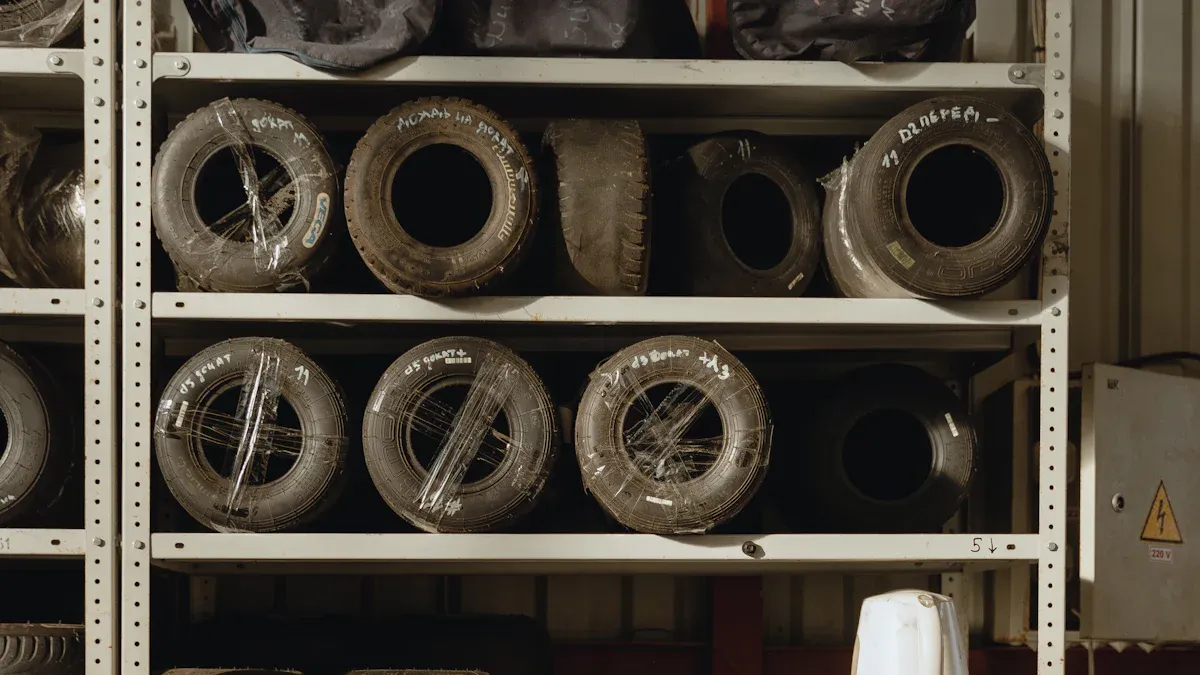
Unexpected downtime is one of the most significant hidden costs in production. While keeping a massive inventory of every part is inefficient, a lean, strategic approach to spare parts management is a powerful tool. It ensures operators can perform quick repairs, minimizing lost production time and protecting the bottom line.
Identify High-Wear Components
Not all parts are created equal. A criticality analysis helps identify which components are essential for the machine's operation. This process prioritizes parts that have a high impact on uptime. A common method is ABC analysis, which categorizes inventory to focus resources effectively.
- Category A: Critical parts that will shut down production if they fail. These require careful stock management.
- Category B: Important but non-critical parts. A failure is inconvenient but not catastrophic.
- Category C: Trivial or low-impact components.
This analysis helps businesses compare the cost of holding a specific part against the potential cost of equipment downtime. It ensures the most vital components are always available.
Stock Essential Seals, Gaskets, and Nozzles
Seals, gaskets, and nozzles are small, inexpensive, and subject to constant wear. Having these essential items in stock is non-negotiable for preventing long delays over a minor failure. Using non-approved, third-party parts introduces significant risks.
Using non-OEM seals and gaskets can lead to catastrophic operational loss. Incompatible polymers may degrade, causing leaks, or even release harmful chemicals that contaminate the juice and pose a health risk to consumers.
Stocking manufacturer-approved parts guarantees compatibility and protects both the machine and the final product.
Organize Parts for Quick Access
A well-organized parts room saves valuable time during a breakdown. When a machine is down, technicians should not have to search for a needed component. Implementing a clear organizational system ensures quick identification and retrieval.
| Practice | Description | Benefit |
|---|---|---|
| Zone Storage | Create specific zones for critical, non-critical, and bulk parts. | Technicians can find high-demand items in the most accessible locations. |
| Smart Labeling | Use QR codes or barcodes on bins and shelves. | Scanning a code instantly provides part details and updates inventory levels. |
| Logical Layout | Store heavy items on low shelves and small parts in labeled bins. | Improves safety and makes it easy to see and grab the correct component. |
This structured approach transforms the storeroom into an efficient tool that supports rapid maintenance and minimizes downtime.
Tip 5: Strictly Adhere to Manufacturer Guidelines
The manufacturer's manual is the most authoritative resource for machine care. It contains specific instructions tailored to the equipment's design and materials. Following these guidelines is the surest way to ensure safe, efficient, and reliable operation while protecting the warranty. This discipline prevents costly errors and maximizes the machine's service life.
Use Only Recommended Cleaning Agents
Operators should only use cleaning agents specified by the manufacturer. The machine's components, especially seals and gaskets, are made from materials that can react negatively to harsh or incompatible chemicals. Using unapproved solvents can cause these parts to degrade, leading to leaks and contamination. The correct cleaning solutions effectively remove residue without damaging sensitive surfaces or compromising food safety. Adherence to these recommendations protects the equipment and the integrity of the final product.
Follow the Specified Lubrication Schedule
Proper lubrication is vital for the mechanical health of the packer, especially its full CAM drive system. A strict lubrication schedule prevents friction and wear on moving parts. Manufacturers specify H1-approved food-grade lubricants that are safe for incidental food contact.
- Synthetic Lubricants: These are formulated for superior performance. They resist water washout yet are easily removed during clean-in-place cycles.
- Mineral-Based Lubricants: These USP-grade oils are effective for various applications, including pumps, valves, and pistons.
- Additives: Approved additives like antioxidants and corrosion inhibitors enhance lubricant performance and protect components.
Deviating from the schedule creates significant risks. Insufficient lubrication causes excessive friction and component wear. Excess lubrication can damage seals and trap contaminants. Using the wrong type of lubricant may lead to overheating and costly mechanical failures.
Consult the Manual for Technical Support
The technical manual is the first and best tool for troubleshooting. It provides clear, step-by-step instructions for diagnosing and resolving common operational issues. Consulting the manual empowers operators to address problems quickly and correctly, minimizing downtime. It contains expert guidance for many frequent challenges.
- Inconsistent fill volumes
- Leaking or dripping nozzles
- Sudden machine stoppages
- Conveyor belt malfunctions
- Capper or sealing errors
Relying on the manual prevents guesswork that could lead to further damage. It is an essential resource for maintaining machine performance.
Inquire About Available Upgrades or Retrofits
Technology in the packaging industry evolves rapidly. Manufacturers often develop upgrades or retrofit kits that can bring modern capabilities to older equipment. Maintaining communication with the machine's manufacturer is a strategic way to learn about these enhancements. A retrofit can be a cost-effective alternative to purchasing a new machine, extending the equipment's useful life and boosting its performance.
Upgrading an older machine with modern technology enhances accuracy, minimizes human error, and improves overall production capacity.
Retrofitting offers a direct path to improved efficiency and safety. Businesses can integrate the latest features to ensure their equipment meets current standards and protects workers. These upgrades often focus on key operational areas.
- Modern Automation: Installing modern systems like PLCs improves the machine's speed and precision. This leads to higher output and better quality control.
- Enhanced Reliability: Replacing worn-out components with newer technology minimizes unplanned downtime. This keeps production lines running smoothly.
- Greater Productivity: Incorporating energy-efficient motors, better control systems, and faster processing rates increases output. It also reduces energy use without raising production costs.
- Improved Safety: Upgrading equipment with cutting-edge safety features raises worker safety. It also ensures compliance with evolving industry regulations.
These enhancements can transform an aging asset into a more competitive and reliable production tool. For example, integrating IoT-enabled sensors allows for predictive maintenance, which further reduces downtime and extends the machinery's lifespan. Upgrading motors and drives can also significantly lower energy consumption and operating costs. Proactively asking the manufacturer about available retrofits is an investment in the machine's future and the business's bottom line.
Extending equipment life is an achievable goal. Consistent cleaning, regular inspections, and proper operator training are a business's most powerful tools against downtime. Stocking critical parts and following manufacturer advice protects the bottom line.
Businesses that implement strong maintenance programs see significant returns. For example, Toyota improved critical equipment uptime to over 97%, while other manufacturers have cut downtime by over 24% through similar efforts.
These five habits are a direct investment in the small juice packing machine's longevity and the company's success.
FAQ
What happens if operators skip daily cleaning?
Skipping daily cleaning allows juice residue to build up. This buildup can jam mechanical parts and create serious hygiene risks. A consistent cleaning routine prevents these issues, protects the full CAM drive system, and ensures the machine operates smoothly and safely.
How does the automatic fault alarm system help?
The system provides real-time status updates on the large-screen touch screen. It immediately alerts operators to operational issues. This feature helps diagnose problems quickly, preventing minor faults from causing major production stoppages and protecting the equipment from damage.
Why is the startup and shutdown sequence so important?
Correct sequences prevent unnecessary mechanical stress. A proper startup ensures accurate calibration from the first package. A disciplined shutdown cleans the system thoroughly. This prevents residue from hardening inside lines, which can cause blockages and damage the machine.
Can operators use any spare part for repairs?
No, operators must use manufacturer-approved parts. Third-party components can cause leaks, damage the machine, or contaminate the juice.
Using only recommended parts protects the equipment, the product, and the manufacturer's warranty. It is a critical step for long-term reliability.
See Also
Optimizing Plate Packs: Benefits and Cost-Effectiveness for the Coming Year
Smart Pressure Plate Insights: Essential Knowledge for Financial Savings
Simple Maintenance Routines: Avoiding Costly Dumbwaiter Elevator Malfunctions Effectively
Boosting Pharma Efficiency: The Role of Advanced Capsule Decapsulation Technology
Top Capsule Checkweighers: A Buyer's Guide for Smart 2025 Investments