Essential Tips for Buying a Maize Grading Machine in 2026
| Year | Global Maize Production (Million Tonnes) | Global Maize Processing Market ($ Billion) |
|---|---|---|
| 2026 | 1,250 | 85 |
A maize grading machine plays a vital role in meeting growing market demands and quality standards. Automatic grain graders deliver consistent results, helping producers achieve higher profitability and improve operational efficiency. Accurate grading supports better marketability in a competitive industry.
Maize Grading Machine Basics
What Is a Maize Grading Machine?
A maize grading machine sorts and classifies maize kernels based on specific criteria. Manufacturers design these machines to improve the consistency and quality of processed maize. Modern models use advanced technologies to separate kernels by color, size, shape, weight, and internal composition. Operators rely on these machines to remove defective grains and foreign materials, ensuring only premium kernels reach the market.
| Sorting Method | How It Works | Applications |
|---|---|---|
| Color Sorting | Uses high-definition cameras and imaging to detect color variations. | Removes moldy, discolored, or insect-damaged kernels; separates maize varieties. |
| Size & Shape Sorting | Employs vibrating sieves or image analysis to separate by dimensions. | Grades for milling, brewing, or snack production where uniformity matters. |
| Weight & Density | Utilizes air tables or gravity separators to differentiate kernel density. | Eliminates lightweight contaminants like chaff or hollowed-out grains. |
| Near-Infrared (NIR) | Detects chemical composition such as moisture or protein levels. | Ensures food safety and quality control in premium and export-grade maize. |
| Laser & X-ray | Identifies internal defects or dense foreign objects within kernels. | Used in high-security processing for baby food, pharmaceuticals, or industrial starch. |
Why Choosing the Right Machine Matters
Selecting the right maize grading machine affects every stage of production. Companies that invest in suitable equipment achieve higher output quality and reduce waste. The correct machine supports compliance with food safety standards and boosts market competitiveness. Reliable grading technology also lowers operational costs and increases profitability. Decision-makers must consider machine features that align with their business goals to maximize long-term value.
Assessing Your Business Needs
Production Capacity and Scale
Every maize processing business operates at a unique scale. Owners must evaluate their daily or seasonal throughput before selecting a maize grading machine. Small-scale producers often prioritize flexibility and lower capital investment. Large-scale operations require machines that handle high volumes without frequent downtime.
The following table outlines how different maize grading machines accommodate various production scales:
| Machine Type | Advantages | Limitations | Best For |
|---|---|---|---|
| Degerminating Maize Milling | Extends shelf life by removing oil-containing germ. Improves flour stability and reduces rancidity. Enables germ recovery for oil extraction. Enhances overall milling efficiency. | Higher initial investment cost. Requires precise calibration. Additional maintenance due to moving parts. | Industrial flour production. Long-shelf-life product lines. Integrated oil extraction facilities. |
| Grinding Maize Milling Machines | High-volume processing capability. Adjustable grind settings for different textures. Integrated storage silos for batch management. | Generates heat during prolonged operation. Wear and tear on grinding surfaces over time. Requires regular cleaning to prevent contamination. | Commercial flour production. Staple food manufacturing. Bulk export operations. |
| Sifting Maize Milling Machines | Produces multiple product grades from one batch. Enables production of specialty flours. Improves product consistency and quality control. Maximizes yield and reduces waste. | Optional equipment with added capital cost. Requires additional floor space. Needs regular sieve maintenance and replacement. | Diversified product lines. Specialty flour production. Premium market segments. |
A business that processes maize for industrial flour production may benefit from degerminating machines. Companies focused on staple food manufacturing often choose grinding machines for their high-volume capabilities. Specialty flour producers may invest in sifting machines to achieve multiple grades and maximize yield.
Grading Precision and Output Quality
Grading precision directly impacts the quality of the final product. Businesses must determine the level of accuracy required for their target market. High-precision grading ensures that only premium kernels reach consumers. This approach supports compliance with food safety standards and enhances brand reputation.
Operators should consider machines with advanced sorting technologies. Features such as color sorting, size and shape analysis, and near-infrared detection improve grading accuracy. For example, companies exporting maize to premium markets often require machines that detect internal defects and chemical composition. Local processors may prioritize basic sorting functions to meet regional standards.
Tip: Investing in a maize grading machine with adjustable settings allows operators to adapt to changing quality requirements and market demands.
Integration With Current Operations
Seamless integration with existing processes ensures efficient use of resources. Before purchasing a maize grading machine, managers should assess compatibility with current equipment and workflow. Machines that align with established production lines reduce installation time and minimize disruptions.
Key factors to evaluate include:
- Space requirements: Measure available floor space to ensure the new machine fits without crowding other equipment.
- Power supply: Verify that the facility’s electrical system supports the machine’s energy needs.
- Automation level: Determine if the machine’s automation matches the skills of current staff and the sophistication of other machinery.
- Maintenance routines: Review maintenance schedules to coordinate with existing downtime and staffing.
A well-integrated maize grading machine streamlines operations, reduces labor costs, and supports consistent output quality. Companies that plan for integration achieve faster returns on investment and maintain steady production during upgrades.
Types of Maize Grading Machines
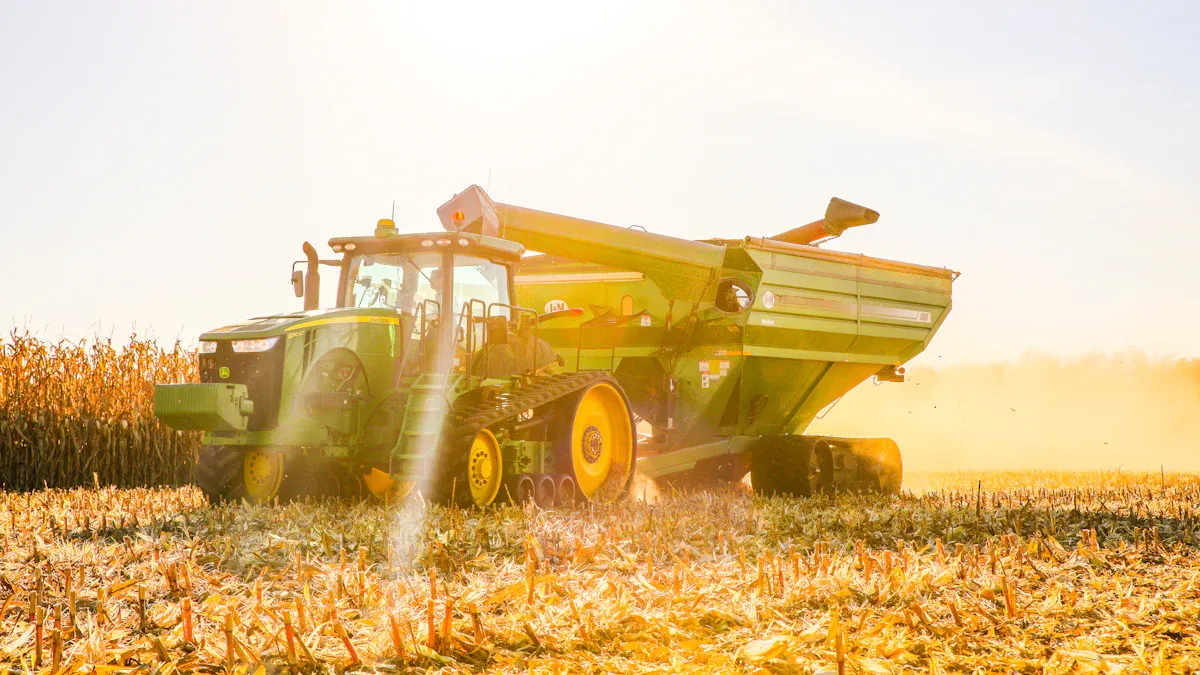
Manual vs. Automated Maize Grading Machines
Manual maize grading machines rely on human operators to sort and classify kernels. These machines suit small-scale businesses that process limited volumes. Operators control sorting speed and accuracy, but manual systems often result in inconsistent output. Automated maize grading machines use sensors, cameras, and software to perform grading tasks. These machines deliver higher precision and faster throughput. Automated models reduce labor costs and minimize human error. Many large-scale processors prefer automated systems for their reliability and efficiency.
| Machine Type | Labor Requirement | Throughput | Consistency | Best Use Case |
|---|---|---|---|---|
| Manual | High | Low | Variable | Small farms, startups |
| Automated | Low | High | Consistent | Industrial plants, exporters |
Single-Function and Multi-Function Models
Single-function models focus on one grading method, such as size or color sorting. These machines offer simplicity and lower maintenance. Multi-function models combine several grading technologies in one unit. Operators can sort by size, color, and density simultaneously. Multi-function machines increase flexibility and support diverse product lines. Companies that produce specialty maize products often choose multi-function models to meet strict quality standards.
Note: Multi-function models may require more training for staff due to their advanced features.
Technological Features in 2026
Maize grading machines in 2026 feature advanced imaging, artificial intelligence, and real-time data analytics. Many models include touch-screen controls and remote monitoring. AI-powered systems learn from previous batches to improve grading accuracy. Some machines connect to cloud platforms for performance tracking and predictive maintenance. These technological advancements help processors maintain high product quality and adapt quickly to market changes.
Choosing a Maize Grading Machine Supplier
Supplier Reputation and Experience
Selecting a supplier with a strong reputation and proven experience ensures reliable performance and long-term support. Buyers should evaluate several criteria before making a decision. Suppliers with technical expertise in designing and installing maize milling systems deliver better results. Compliance with international standards, such as ISO 9001 and CE, signals a commitment to quality and safety. Durable materials, especially food-grade stainless steel, improve machine longevity. Independent factory audits offer valuable insights into manufacturing practices. After-sales support, including installation supervision and maintenance, adds confidence for buyers.
| Criteria | Description |
|---|---|
| Technical Expertise | Suppliers with experience in maize milling system design and installation. |
| Compliance with Standards | Adherence to ISO 9001 and CE certifications for quality and safety. |
| Quality Control | Use of food-grade stainless steel for high-contact components. |
| Factory Audits | Independent reports on manufacturing and quality assurance. |
| After-Sales Support | Availability of installation and maintenance support. |
Tip: Request recent audit reports and certification documents before finalizing any purchase.
After-Sales Support and Warranty
Reliable after-sales support protects the investment and reduces downtime. Leading suppliers offer extensive technical support, spare parts availability, and maintenance advice. Most provide a one-year warranty, covering essential repairs and replacements. Buyers should confirm the details of support services and warranty terms before signing contracts.
| Feature | Details |
|---|---|
| After-Sales Support | Technical support, spare parts, and maintenance guidance. |
| Warranty | 1 Year |
Spare Parts Availability
Access to spare parts ensures uninterrupted operation and minimizes production delays. Suppliers in regions with established industrial clusters, such as Hebei, Shandong, and Henan, offer easier access to replacement components. Buyers should verify the supplier’s inventory and distribution network to avoid future shortages.
| Region | Availability of Spare Parts |
|---|---|
| Hebei | Easier access due to industrial cluster |
| Shandong | Easier access due to industrial cluster |
| Henan | Easier access due to industrial cluster |
Note: Establishing a relationship with local distributors can further improve spare parts availability.
Installation and Maintenance for Maize Grading Machines
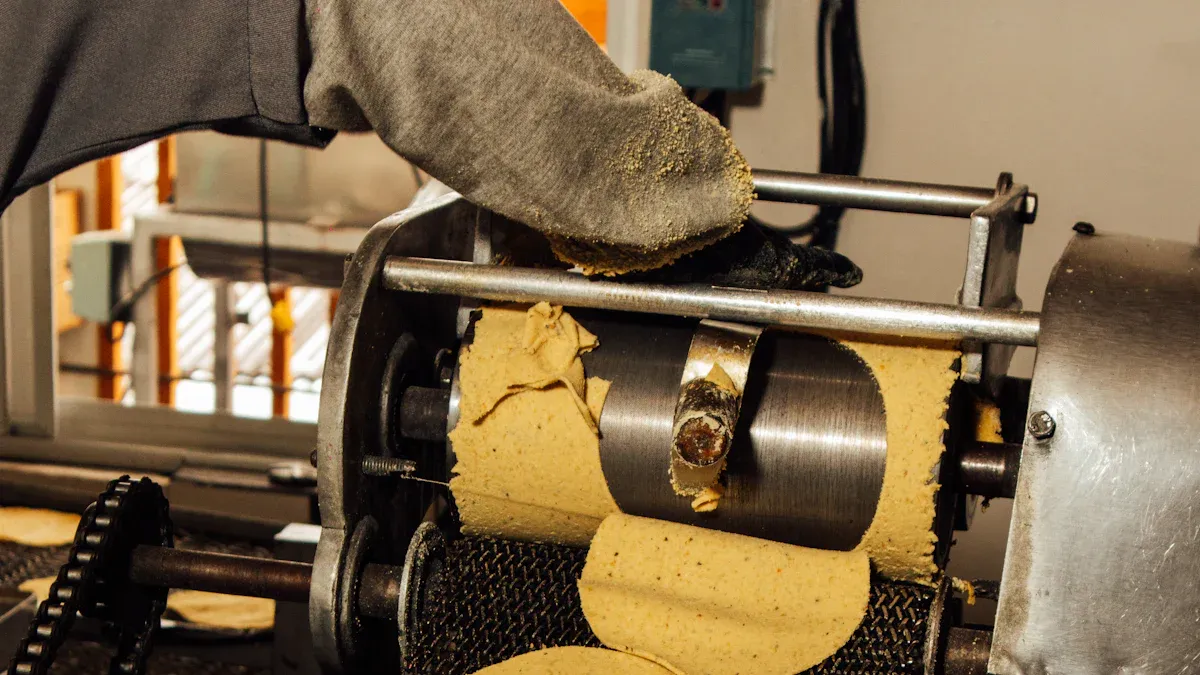
Space and Infrastructure Needs
Proper planning for space and infrastructure ensures smooth installation and operation. Commercial facilities require clean, dry, and well-ventilated storage areas for both raw maize and finished products. Storage silos or warehouses must prevent spoilage and insect infestation. Construction or renovation may be necessary to accommodate the machine and related processing areas. For example, the Roff C-80 model needs a footprint of 20 meters by 10 meters with a height of 10 meters, making it suitable for repurposed warehouses.
| Requirement Type | Description |
|---|---|
| Construction/Renovation | Necessary for milling facilities, including storage silos and processing areas. |
| Storage Facilities | Clean, dry, and ventilated areas for raw maize and finished products. |
| Machine Footprint | Roff C-80 requires 20m x 10m x 10m, suitable for repurposed warehouses. |
Training and Staffing Requirements
Operators must receive thorough training to maximize efficiency and safety. Staff should understand machine controls, safety protocols, and basic troubleshooting. Facilities benefit from assigning dedicated personnel to oversee daily operations and routine checks. Training programs from suppliers often include hands-on demonstrations and maintenance guidance. Well-trained staff reduce the risk of accidents and machine downtime.
Maintenance and Durability
Routine maintenance extends the lifespan of any maize grading machine. Daily cleaning prevents grain buildup and mold. Operators should inspect drive chains and belts regularly to avoid wear and inefficiency. Lubricating moving parts with the correct products keeps the system running smoothly. Before each harvest season, a full system check ensures all components function properly. Machines built from heavy-duty steel or cast iron offer better wear resistance. Protective coatings help prevent rust, especially in humid environments. Easy access to spare parts and local technical support further enhances durability.
Cost and Budget Considerations
Purchase Price vs. Long-Term Value
Buyers often focus on the initial purchase price, but long-term value matters more for sustainable operations. A maize grading machine with advanced features may cost more upfront, yet it can deliver higher output quality and lower maintenance expenses over time. Companies should compare not only the sticker price but also the expected lifespan, warranty coverage, and potential resale value. Machines built with durable materials and supported by strong after-sales service usually provide better returns on investment.
Operating Costs and Energy Efficiency
Operating costs can significantly affect a business’s bottom line. In 2026, buyers will find a wide range of prices and energy efficiency ratings:
- Machines in China typically cost $8,000 to $10,000, while those in the United States range from $9,000 to $11,000.
- High-energy efficiency models cost between $2,000 and $3,000, but lower-efficiency machines range from $1,000 to $1,850.
- Energy-efficient machines help reduce fuel and electricity consumption, leading to lower monthly expenses.
Selecting an energy-efficient model can result in substantial savings, especially for large-scale processors.
Financing Options
Many suppliers offer flexible financing solutions to help businesses acquire new equipment. The table below outlines common options available in the market:
| Financing Option | Description | Terms and Rates |
|---|---|---|
| Equipment Financing | A loan or lease for purchasing equipment, with the machine as collateral. | Fixed monthly payments over 2-7 years. |
| Loan Amounts | Ranges from $5,000 to $5,000,000+, based on equipment and qualifications. | Small purchases start at $5,000-$10,000. |
| Qualification Criteria | Accessible across credit spectrum; based on collateral, revenue, and down payment. | Strong business revenue required. |
| Approval Time | Decisions within 24-48 hours, funding in 3-5 business days. | Faster than traditional bank loans. |
| Interest Rates | 5% to 30% APR, depending on credit profile and equipment type. | Established businesses get better rates. |
Tip: Reviewing all financing terms helps businesses avoid unexpected costs and choose the best plan for their needs.
Practical Tips for Buying a Maize Grading Machine
Requesting Demos and Trials
Buyers gain valuable insights by requesting live demonstrations or trial runs before making a purchase. A demo allows operators to observe the machine’s grading accuracy, speed, and ease of use. Suppliers often provide video demonstrations or on-site trials, which help buyers evaluate real-world performance. Companies should insist on seeing the machine process actual maize samples. This step reveals how well the equipment handles different seed types and grades. A thorough trial also highlights any operational challenges or training needs.
Tip: Always request a demonstration with your own maize samples to assess compatibility and output quality.
Comparing Quotes and Offers
Effective comparison of quotes and offers ensures value for money. Buyers should follow a structured approach:
- Define the intended use case to select the right machine type.
- List all seed types to confirm compatibility.
- Set a realistic budget that covers purchase, installation, and maintenance.
- Evaluate space and infrastructure requirements for the new equipment.
- Check warranty and after-sales support options.
- Request demonstrations to see machines in action.
- Read independent reviews for unbiased feedback.
- Avoid vendors who lack proper documentation or offer unusually low prices.
A comprehensive comparison includes the total cost of ownership, factoring in energy consumption, maintenance, and expected lifespan. This method helps buyers identify machines that deliver the best long-term value.
Checking References and Reviews
Verifying supplier credibility protects against costly mistakes. Buyers should request client references and review transaction histories to assess repeat business. Video demonstrations provide additional assurance of machine performance. Local distributors often offer better service and faster support. Online marketplaces require careful due diligence. Trade shows present opportunities for firsthand comparisons. Pre-shipment inspections help confirm product quality before delivery.
| Method | Benefit |
|---|---|
| Client References | Confirms supplier reliability |
| Transaction History | Reveals reorder rates |
| Video Demonstrations | Shows machine in operation |
| Local Distributors | Improves service response |
| Online Marketplaces | Expands supplier options |
| Trade Shows | Enables direct comparisons |
| Pre-shipment Inspections | Ensures product quality |
Selecting a maize grading machine requires matching features to business needs, such as production capacity, grind consistency, and automation. Companies should follow these steps: choose quality machines, confirm models, inquire about prices, and implement maintenance. Research reputable brands, observe demonstrations, and check safety features before purchase.
| Feature | Description |
|---|---|
| Production Capacity | Aligns supply with market demand |
| Grind Consistency | Offers adjustable settings for multiple grades |
| Automation & Control | Enhances consistency and reduces error |
- Choose high-quality machines.
- Confirm model and quantity.
- Inquire about prices.
- Implement routine maintenance.
- Research reputable brands.
- Test before buying.
- Check safety features.
- Evaluate warranty terms.
FAQ
What maintenance does a maize grading machine require?
Operators clean the machine daily. They inspect belts and chains weekly. Lubrication of moving parts ensures smooth operation. Suppliers recommend a full system check before each harvest.
How long does installation usually take?
Most suppliers complete installation within one to two days. Facilities with prepared infrastructure experience faster setup. Training for staff typically follows immediately after installation.
Can a maize grading machine handle different maize varieties?
Modern machines adjust settings for various maize types. Operators select grading parameters using touch-screen controls. Multi-function models support specialty and export-grade maize.
See Also
Essential Capsule Checkweighers To Consider For 2025 Purchases
Top Locations For Purchasing X-Ray Inspection Machines In China
Three Essential Industrial Checkweighers For Food Processing Plants
Popular Features Of Folder Gluers For 2025 Carton Production
Comprehensive Guide To Selecting Tablet Sampling Machines For Labs