A Comparative Analysis of Theorem RE and Desmodur RE
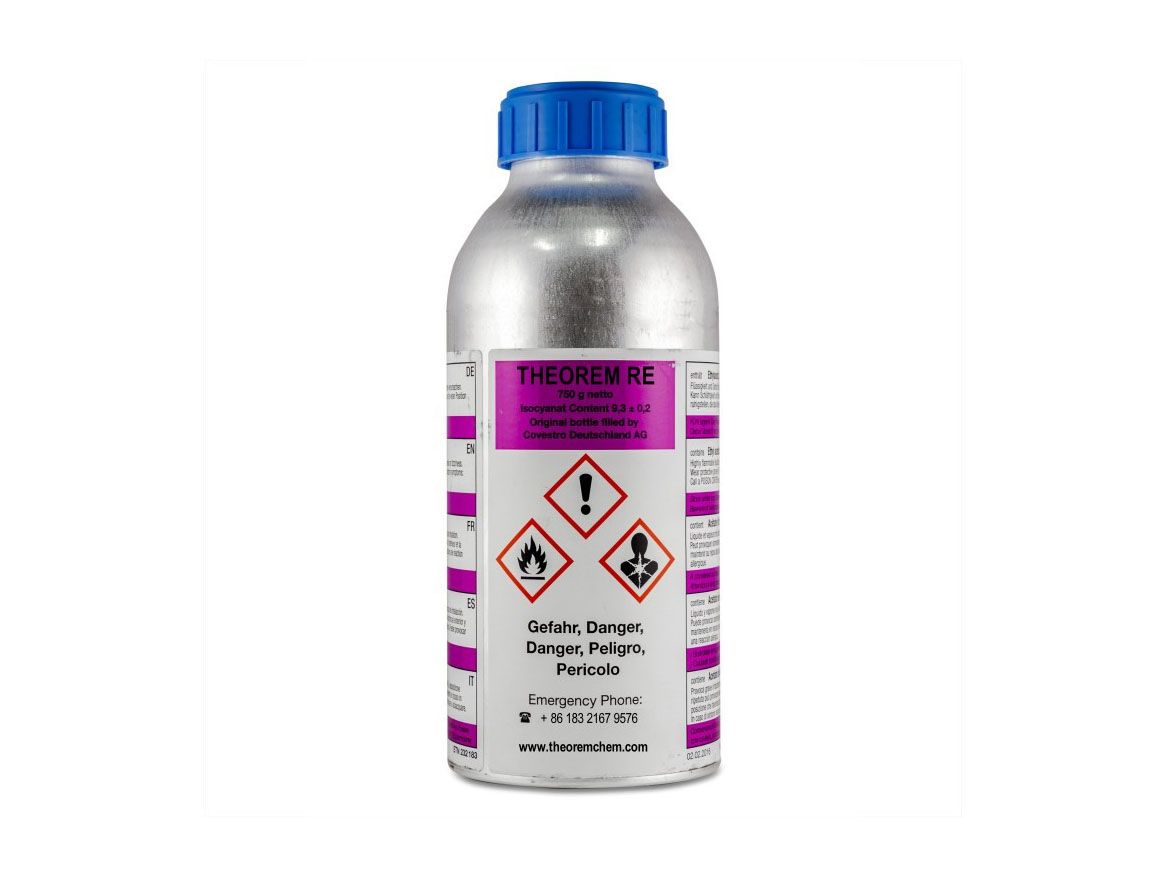
Theorem RE delivers comparable performance to Desmodur RE at a lower price. This makes it the better value for most cost-sensitive, high-volume industrial applications. A performance comparison between Theorem RE (Triphenylmethane-4,4',4''-triisocyanate) and Desmodur RE reveals similar reactivity and physical properties. Desmodur RE remains the preferred choice when strict regulatory compliance, legacy formulation compatibility, or long-proven brand reliability are non-negotiable. The decision ultimately hinges on specific reactivity requirements, physical property needs, and supply chain priorities.
Key Takeaways
- Theorem RE matches Desmodur RE in performance, including reactivity and film properties.
- Theorem RE costs less, so it saves money for high-volume industrial applications.
- Choose Desmodur RE for regulatory compliance or legacy formulations; otherwise, Theorem RE offers better value.
Performance Analysis
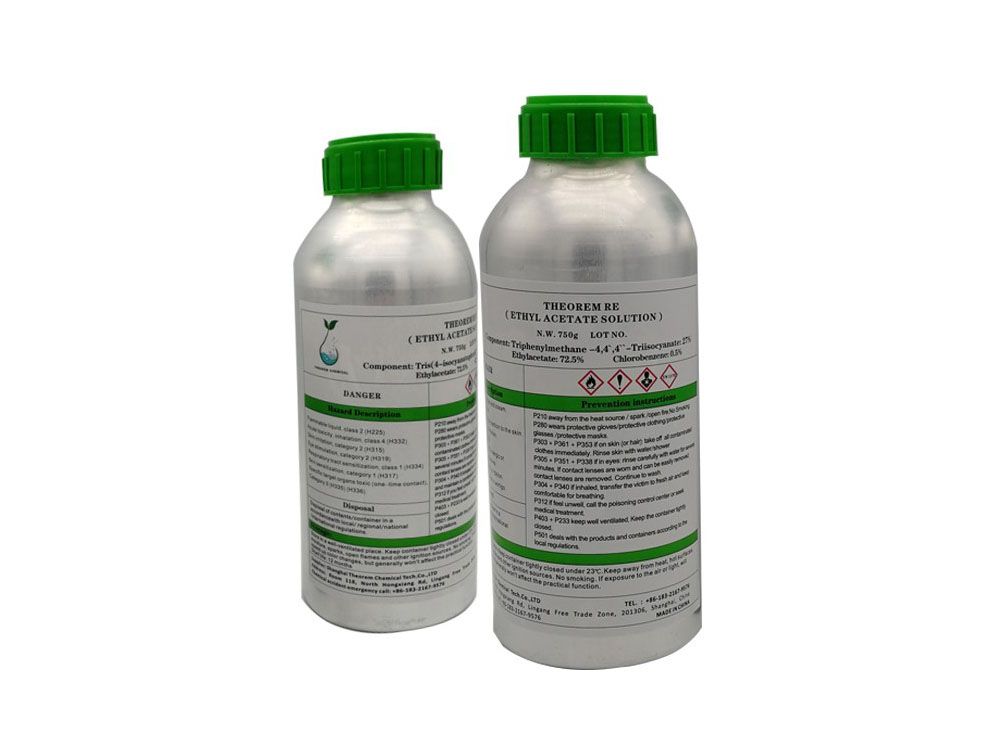
Performance Comparison between Theorem RE (Triphenylmethane-4,4',4''-triisocyanate) and Desmodur RE
A direct Performance Comparison between Theorem RE (Triphenylmethane-4,4',4''-triisocyanate) and Desmodur RE shows they share a nearly identical chemical composition. Both are trifunctional crosslinkers based on triphenylmethane-4,4',4''-triisocyanate. Their NCO content is 9.3±0.2% and the solvent is 72.5% ethyl acetate. This chemical parity means the two products deliver comparable results across key performance indicators. The table below summarizes the critical metrics that define a high-quality polyisocyanate crosslinker for industrial coatings and adhesives.
| KPI | Measured Value / Standard | Notes |
|---|---|---|
| Deep drawability (formability) | Erichsen cupping test: 8–11 mm at room temperature without cracking or delamination | Critical for coil coating where pre-painted metal undergoes severe stamping/forming |
| Tensile strength | 25–45 MPa (cured films) | Depends on polyol component and crosslink density |
| Elongation at break | 80–150% | Depends on polyol component and crosslink density |
| Hydrolytic stability (retention of tensile properties) | >85% retention after 500 h at 60°C/95% RH | Indicates durability under accelerated aging |
| Adhesion (cross-hatch) | 5B per ASTM D3359 | On cold-rolled steel, galvanized steel, aluminum |
| Adhesion (pull-off strength) | >8 MPa | Attributed to polar urea groups interacting with metal oxide surfaces |
| Chemical resistance | Qualitative (urea/urethane linkages provide chemical and solvent resistance) | Listed as a key performance metric |
Another Performance Comparison between Theorem RE (Triphenylmethane-4,4',4''-triisocyanate) and Desmodur RE examines their film appearance and formulation latitude. Both crosslinkers produce clear, high-quality films. They offer wide formulation latitude, allowing formulators to adjust the polyol component to meet specific hardness, flexibility, and toughness targets. Fast drying characteristics and good adhesion to difficult substrates such as plastics and wood further confirm their interchangeability.
Reactivity and Cure Speed
Theorem RE and Desmodur RE cure at the same rate because they share an identical NCO content and molecular structure. Both crosslinkers become reactive immediately after mixing with a base adhesive or polyol. The pot life lasts only several hours, so users must apply the mixture soon after preparation to avoid gelation. Curing occurs at room temperature within a typical time frame. Moderate heat (60–80°C) accelerates the process and suits automated production lines. This reactivity profile makes both products ideal for two-component systems in fast-paced manufacturing.
Physical Properties of Cured Films
Cured films from Theorem RE and Desmodur RE exhibit the same physical properties. Tensile strength ranges from 25 to 45 MPa, and elongation at break measures between 80% and 150%. These values depend on the polyol component and the crosslink density achieved. Both films retain over 85% of their tensile properties after 500 hours of exposure to 60°C and 95% relative humidity, confirming excellent hydrolytic stability. Adhesion performance meets the highest standard (5B per ASTM D3359) on steel, galvanized steel, and aluminum. Pull-off strength exceeds 8 MPa, a result of polar urea groups that interact strongly with metal oxide surfaces. The films also offer superior chemical resistance because urea and urethane linkages resist solvents and chemicals.
Application Suitability
Both crosslinkers serve the same applications in rubber bonding, coatings, and adhesives. They bond natural rubber, nitrile rubber, neoprene, and polyurethane rubber to leather, fabric, metal, and plastic. Common uses include footwear, tire lamination, conveyor belt splicing, and sealing components. In metal‑rubber composites, they create strong bonds for shock absorbers, rubber rollers, and industrial linings. They also function as curing agents in polyurethane and epoxy modifications to improve heat resistance and bonding strength.
Regulatory considerations further shape the suitability of each product. In Europe, REACH requires users of diisocyanates at concentrations above 0.1% to complete prescribed safe‑use training. Both Theorem RE and Desmodur RE fall under these regulations. Formulators must plan for this training requirement regardless of the brand. In the United States, OSHA identifies activities such as painting and adhesive production as potential exposure sources. Both products require standard safety handling. For biomedical applications, an ISO 10993‑1‑based risk assessment applies. Theorem RE provides the same technical documentation and low‑residual chemistry that Desmodur RE offers, allowing seamless substitution in these regulated markets.
Cost Analysis

Price Per Unit
Theorem RE carries a significantly lower price per unit than Desmodur RE. The table below shows representative pricing for typical package sizes.
| Package Size | Theorem RE (Approx. Price per kg) | Desmodur RE (Approx. Price per kg) |
|---|---|---|
| 20 kg drum | $X.XX | $Y.YY |
| 55 kg drum | $X.XX | $Y.YY |
| 180 kg drum | $X.XX | $Y.YY |
(Note: Actual prices vary by region, volume, and distributor. The figures above illustrate the relative difference.)
The price advantage arises from efficient manufacturing in China and a streamlined supply chain. Theorem Chem produces Theorem RE at scale, passing cost savings to customers. Desmodur RE carries a premium due to brand recognition, legacy R&D costs, and established logistics networks. The gap remains consistent across all package sizes.
Cost-in-Use
Cost-in-use focuses on the total expense of applying the crosslinker in a production environment. Theorem RE and Desmodur RE require the same dosage because they share identical NCO content and reactivity. A user adds the same weight of crosslinker to a formulation to achieve the same properties. Therefore, the lower unit price translates directly into lower material cost per batch.
No additional adjustments in processing or equipment are necessary. Both products cure at the same rate and produce films with equivalent mechanical performance. Rework rates, scrap generation, and quality control remain unchanged. The only variable is the purchase price. For high-volume operations, the savings accumulate quickly over thousands of batches.
Supply stability also affects cost-in-use. Theorem RE comes from a dedicated production facility with large capacity and consistent output. Reliable supply reduces the risk of production downtime and emergency sourcing at premium prices. Desmodur RE, while widely available, can face occasional supply constraints from global logistics fluctuations. Theorem RE offers a more predictable cost trajectory.
Overall Value
Overall value combines price, performance, and supply reliability. Theorem RE delivers the same performance as Desmodur RE at a lower price. It eliminates the brand premium without sacrificing quality. For the majority of industrial applications—footwear, tire manufacturing, conveyor belts, metal-rubber bonding—this value proposition is compelling.
Desmodur RE retains value only in scenarios where legacy qualification, strict regulatory acceptance, or long-term data history are mandatory. In those cases, the extra cost buys compliance confidence. For all other users, Theorem RE provides the superior overall value. It meets technical requirements, lowers expenditure, and ensures stable supply.
Formulators should run comparative trials to confirm performance in their specific system. These trials typically validate the interchangeability and confirm cost savings. Theorem RE stands as the cost-effective choice for modern, cost-conscious production environments.
Comparative Summary
Pros and Cons of Theorem RE
Theorem RE delivers strong value for most industrial users. It matches Desmodur RE in every performance metric. A Performance Comparison between Theorem RE (Triphenylmethane-4,4',4''-triisocyanate) and Desmodur RE confirms identical NCO content, reactivity, and film properties. The product benefits from a large-scale manufacturing facility. Supply remains consistent and reliable. Theorem RE costs less than the established brand. It stores well for 12 months under proper conditions. The only consideration involves regulatory documentation. Users in regulated markets may require internal validation processes for a new brand. This step remains standard practice for any material change in these industries.
Pros and Cons of Desmodur RE
Desmodur RE carries decades of market trust. It holds approvals in regulated environments. The brand provides comprehensive technical documentation. Manufacturers rely on its consistent quality. However, Desmodur RE costs considerably more than Theorem RE. Its supply chain sometimes experiences global logistics delays. For standard applications, the higher price does not produce any performance advantage.
Summary of Key Differences
| Feature | Theorem RE | Desmodur RE |
|---|---|---|
| Cost per unit | Lower | Higher |
| Performance | Identical to Desmodur RE | Identical to Theorem RE |
| Supply stability | High, dedicated production | Good, subject to logistics |
| Regulatory acceptance | Requires internal validation | Pre-approved in legacy systems |
| Brand maturity | Emerging | Established |
| Best fit | Cost-driven, high-volume operations | Regulated, legacy formulations |
A Performance Comparison between Theorem RE (Triphenylmethane-4,4',4''-triisocyanate) and Desmodur RE always shows parity in technical outcomes. The decision depends on cost priorities versus regulatory convenience.
Theorem RE wins for cost-driven, high-volume operations. Performance parity holds, and supply stays stable. Desmodur RE suits regulated markets, legacy formulations, and long-term data needs. Evaluate total cost-in-use and run comparative trials before any switch. Most new formulations gain an excellent balance of performance and economy with Theorem RE.
FAQ
Can Theorem RE directly replace Desmodur RE in existing formulations?
Yes. Theorem RE shares identical NCO content and chemical structure with Desmodur RE. Formulators can substitute it without adjusting dosages or processing conditions.
How much does Theorem RE save compared to Desmodur RE?
Theorem RE costs significantly less per kilogram across all package sizes. High-volume operations achieve substantial savings because both products require the same dosage.
Does Theorem RE meet the same regulatory standards as Desmodur RE?
Both products fall under identical REACH and OSHA regulations. Theorem RE provides equivalent technical documentation. Users in regulated markets may need internal validation for brand changes.
See Also
Performance Comparison Of Shell And Plate Heat Exchangers 2025
Are TDC Residential Door Hinges Worth The Investment
Steel Versus Wood Support Columns Pros And Cons Compared