THEED CAS No. 140-07-8 Powers Modern Industries
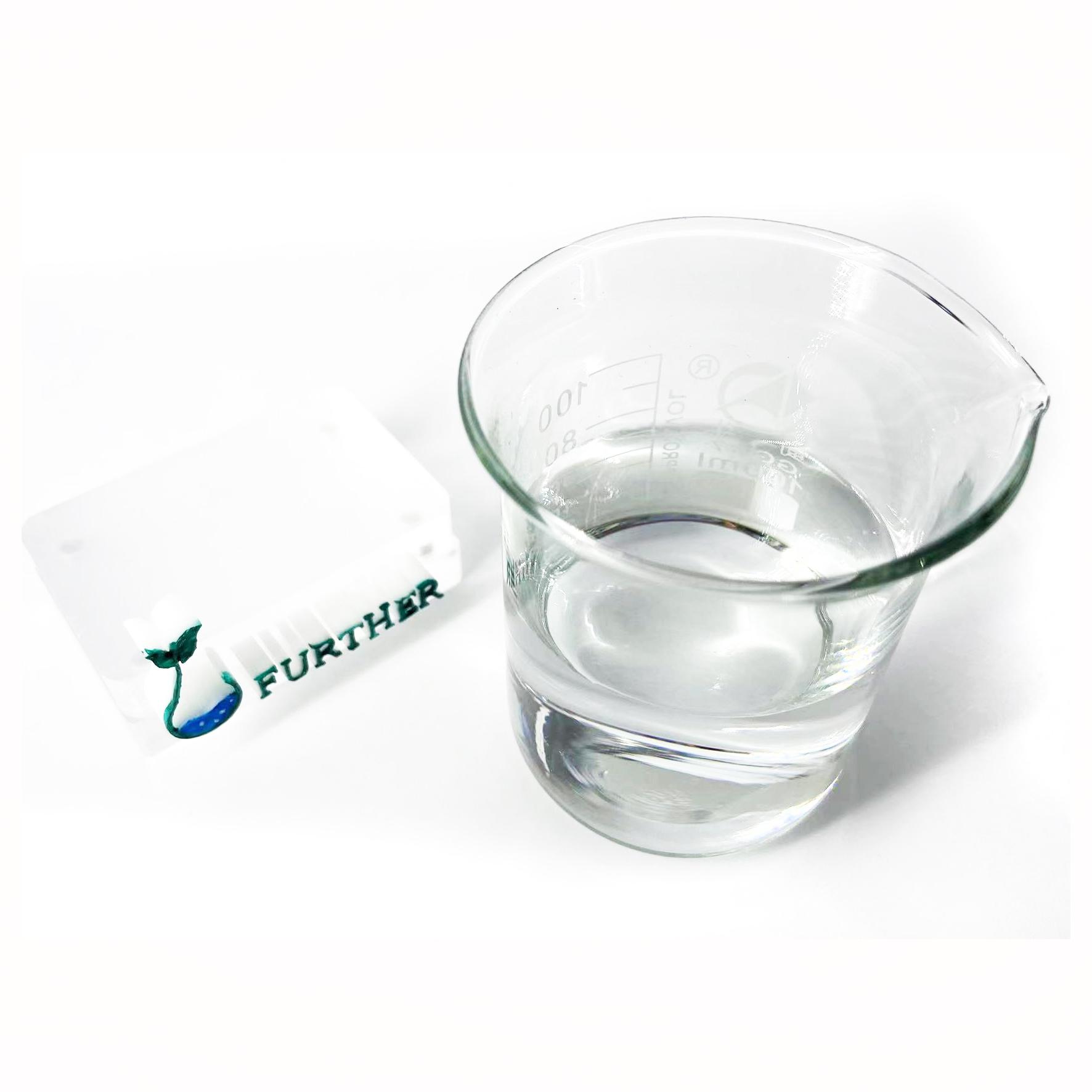
You encounter THEED CAS No. 140-07-8 in many industries. This chemical stands out because of its high purity and versatility. You use it as an intermediate, additive, and functional material. Its unique properties help improve product performance and support innovation.
- You find THEED CAS No. 140-07-8 in chemical manufacturing, polymers, electronics, construction, and consumer goods.
Key Takeaways
- THEED CAS No. 140-07-8 enhances product performance across various industries, including chemicals, electronics, and construction.
- Using THEED as a chelating agent improves product purity and stability, making it a smart choice for agricultural and industrial applications.
- Incorporating THEED in polymers and plastics boosts durability and performance, leading to better quality products like tires and electronic components.
Chemical Manufacturing and Synthesis with THEED CAS No. 140-07-8
Intermediate in Specialty Chemical Production
You use THEED CAS No. 140-07-8 as an important intermediate in making specialty chemicals. This compound helps you create products that improve many industrial processes. When you add THEED CAS No. 140-07-8 to your production line, you boost the quality and performance of your final products.
Here is a table that shows some specialty chemicals you can make with THEED CAS No. 140-07-8 and their main uses:
| Specialty Chemical | Applications |
|---|---|
| THEED | Coating Auxiliary Agents, Electronics Chemicals, |
| Petroleum Additives, Rubber Auxiliary Agents, | |
| Copper Plating Auxiliary |
You see THEED in coatings, electronics, and rubber products. You also find it in petroleum additives and copper plating. This wide range of uses shows how valuable THEED is in specialty chemical production.
Surfactant and Chelating Agent Applications
You often need surfactants and chelating agents to keep your products stable and effective. THEED CAS No. 140-07-8 works well as both. You can use it to help mix ingredients that do not usually blend. You also use it to bind metal ions, which keeps your solutions clear and free from unwanted reactions.
You get several advantages when you choose THEED as a chelating agent:
- High purity
- Water solubility
- pH stability
- Favorable environmental profile
You can use THEED in many sectors. In agriculture, it shows a 90% effectiveness rate. In industrial cleaning, water treatment, cosmetics, and pharmaceuticals, it works at a high level. This makes THEED a smart choice for your chemical processes.
| Sector | Effectiveness Rate |
|---|---|
| Agriculture | 90% |
| Industrial Cleaning | High |
| Water Treatment | High |
| Cosmetics | High |
| Pharmaceuticals | High |
Tip: When you use THEED as a chelating agent, you help your products stay pure and safe for longer.
Metal Complexing and Electroplating Processes
You can use THEED CAS No. 140-07-8 in metal complexing and electroplating. This compound helps you prepare metals for coating and finishing. You find it especially useful in copper plating, where it acts as an auxiliary agent. You also use it as a cleaning and flux agent, which improves the quality of your metal surfaces.
When you add THEED to your electroplating process, you get smoother and more even coatings. You also reduce the risk of defects. This means your electronic parts, like printed circuit boards, work better and last longer.
Note: THEED supports both the preparation and finishing steps in metal processing, making your job easier and your results more reliable.
Polymers, Plastics, and Advanced Materials Using THEED CAS No. 140-07-8

Cross-Linking Agent in Synthetic Rubber and Polyurethane
You rely on THEED CAS No. 140-07-8 when you want to make synthetic rubber and polyurethane stronger and more durable. This compound acts as a cross-linking agent, connecting polymer chains so your materials can handle stress and last longer. You see THEED used in many products, including tires, shoe soles, and foam cushions. When you add THEED CAS No. 140-07-8, you improve the mechanical properties and boost the performance of your rubber and polyurethane goods.
Here is a table showing common types and uses:
| Product Name | Synonyms | CAS Number | Applications |
|---|---|---|---|
| N,N,N’N’-tetrakis (2-Hydroxyethyl) ethylenediamine | Tetrahydroxyethyl Ethylenediamine; THEED 80%; THEED 90%; THEED 98%; THEED 99% | 140-07-8 | Cross-linking agent in synthetic rubber and polyurethane, antistatic agent, synthetic plastic stabilizer, initiator for polymer synthesis |
Polymerization Initiator for Specialty Plastics
You use THEED CAS No. 140-07-8 as a polymerization initiator when you want to create specialty plastics. This compound helps start the chemical reaction that forms plastic materials. You get plastics with unique properties, such as flexibility, strength, and resistance to chemicals. You find these specialty plastics in automotive parts, packaging, and electronics.
Tip: When you use THEED as an initiator, you can customize the features of your plastics to fit your needs.
Additive in Coatings and Resin Formulations
You add THEED CAS No. 140-07-8 to coatings and resin formulations to improve their quality. This compound acts as a stabilizer and antistatic agent. You notice that your coatings become smoother and more resistant to wear. Your resins stay strong and clear for longer periods.
- THEED helps rubber and polyurethane resist damage.
- It boosts the durability of synthetic plastics.
- You see better performance in coatings and resins.
You can trust THEED CAS No. 140-07-8 to make your materials last and perform well in many applications.
Electronics, Construction, and Consumer Goods Powered by THEED CAS No. 140-07-8
Antistatic Agent in Electronic Products
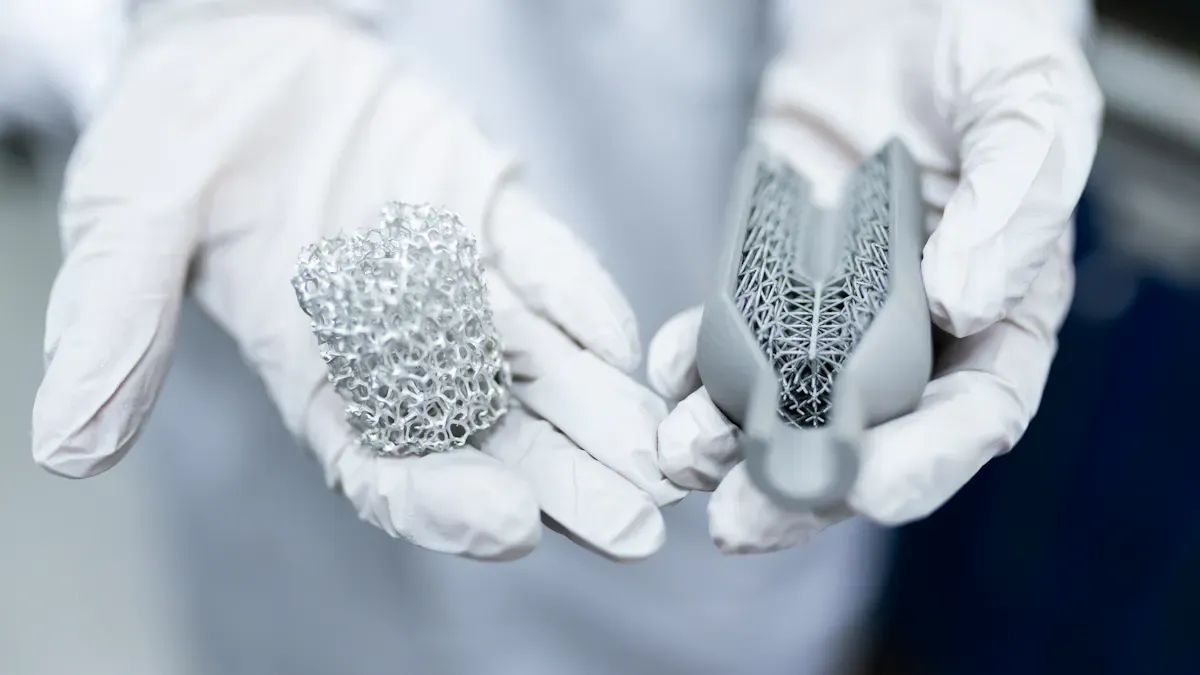
You often need to control static electricity in electronic devices. THEED CAS No. 140-07-8 helps you achieve this by acting as an antistatic agent. You add it to plastics and coatings used in electronics. This reduces the risk of static buildup, which can damage sensitive components. When you use this compound, you must follow safety guidelines.
- Wear nitrile gloves, chemical goggles, and respiratory protection.
- Store THEED in corrosion-resistant containers in well-ventilated areas.
- Follow regulations like REACH in Europe and TSCA in the U.S.
Raw Material for Concrete Water Reducers
You can improve concrete workability by using THEED as a raw material for water reducers. This makes your concrete easier to mix and pour. You get better results in construction projects because the concrete stays workable longer. This property supports high-performance building materials.
Application in Printed Circuit Boards and Pen Inks
You use THEED in printed circuit boards (PCBs) as a metal complexing agent. It helps with electroless copper plating, which is important for making PCBs. You also find it in oily pen inks. THEED gives these inks better water solubility and helps them bind to metal ions. It acts as a flux and cleaning agent in PCB production.
Tip: THEED’s low toxicity allows you to use it safely in both industrial and laboratory settings.
Use in Antibacterial Mirror Care Solutions
You can keep mirrors cleaner by using THEED in antibacterial care solutions. Its structure contains multiple hydroxyl groups, which make it dissolve well in water. THEED binds metal ions, taking away nutrients that bacteria need. This helps stop bacteria from growing on mirrors.
| Application Area | Key Properties and Uses |
|---|---|
| Electronics | Metal complexing agent for PCB manufacturing, enabling electroless copper plating. |
| Construction | Raw material for high-performance water-reducing agents, enhancing concrete workability. |
| Consumer Goods | Component in antibacterial lens care solutions and critical ingredient in inks. |
| General Properties | Water solubility, weak alkalinity, and effectiveness as a metal complexing agent. |
You see THEED CAS No. 140-07-8 as a key part of many industries. Its hydrophilicity, solubility, and low toxicity help you in chemicals, polymers, electronics, construction, and consumer goods.
- You use it as a chelating agent and multifunctional amine.
- It supports eco-friendly materials and lowers production costs.
FAQ
What is THEED CAS No. 140-07-8 used for?
You use THEED in making specialty chemicals, synthetic rubber, electronics, construction materials, and consumer products.
Tip: THEED improves durability and performance in many items.
How do you store THEED safely?
You keep THEED in corrosion-resistant containers. You store it in a cool, dry, and well-ventilated area.
- Wear gloves and goggles for protection.
Is THEED water soluble?
Yes, you can mix THEED with water in any ratio.
| Property | Value |
|---------------|-----------------|
| Water Soluble | Yes |