Which Tablet Compression Machine Type Is Right for Your Needs
Selecting the ideal tablet compression machine requires careful consideration of production demands, desired tablet characteristics, and financial constraints. Each machine type offers unique features that impact efficiency, quality, and scalability. Manufacturers who understand these differences can make informed choices that support consistent output and product integrity.
Tip: Evaluating the specific needs of a project early can help avoid costly equipment mismatches.
Main Types of Tablet Compression Machines

Single Punch Tablet Compression Machine
A single punch tablet compression machine uses one set of tooling to compress powder into tablets. Operators often choose this type for small-scale production or laboratory research. The machine works with a straightforward mechanism. It produces tablets one at a time.
Note: This machine suits companies that need flexibility and easy operation.
Manufacturers appreciate its compact design and low maintenance requirements. The single punch model handles basic tablet shapes and sizes. It does not support complex designs or high output rates.
Rotary Tablet Compression Machine
A rotary tablet compression machine features multiple tooling stations arranged in a circular pattern. As the turret rotates, each station compresses powder into tablets. This design increases production speed and consistency.
- Companies select rotary machines for medium to large-scale manufacturing.
- The machine supports a wide range of tablet sizes and shapes.
- Operators benefit from automated feeding and ejection systems.
Rotary models offer better efficiency than single punch machines. They maintain uniform tablet quality across batches.
High-Speed Rotary Tablet Compression Machine
High-speed rotary tablet compression machines deliver maximum output for large-scale operations. These machines use advanced automation and robust construction.
Manufacturers rely on high-speed models to meet demanding production targets. The machine can produce thousands of tablets per minute.
Tip: High-speed rotary machines help companies reduce labor costs and increase throughput.
Operators must monitor these machines closely to ensure consistent quality. High-speed models often include features for dust control and real-time monitoring.
Multi-Layer Tablet Compression Machine
Manufacturers use multi-layer tablet compression machines to produce tablets with two or more distinct layers. Each layer can contain different active ingredients or excipients. This capability allows companies to create combination drugs or controlled-release formulations. The machine compresses each layer sequentially, ensuring separation and integrity.
Operators select multi-layer machines for products that require complex release profiles. Pharmaceutical companies often rely on these machines for advanced therapies. The design includes multiple hoppers and precise control systems. These features help maintain uniformity between layers.
Note: Multi-layer tablet compression machines require careful calibration. Operators must monitor layer thickness and composition to avoid cross-contamination.
Key advantages include:
- Ability to produce tablets with multiple functionalities
- Enhanced patient compliance through combination dosing
- Flexibility in formulation design
Limitations involve higher costs and increased maintenance. The machine demands skilled technicians for setup and operation. Production speed may decrease compared to single-layer models.
Specialized Tablet Compression Machines
Specialized tablet compression machines address unique manufacturing challenges. These machines support applications such as effervescent tablets, chewable tablets, or tablets with unusual shapes. Manufacturers choose specialized models when standard machines cannot meet product requirements.
Some specialized machines feature custom tooling for intricate designs. Others offer advanced automation for high-precision dosing. Companies in nutraceuticals, veterinary medicine, and confectionery industries often use these machines.
| Application | Specialized Feature | Industry Example |
|---|---|---|
| Effervescent Tablets | Moisture control systems | Nutraceuticals |
| Chewable Tablets | Flavor integration | Confectionery |
| Odd Shapes | Custom punch tooling | Veterinary medicine |
Tip: Investing in a specialized tablet compression machine can help manufacturers differentiate their products in competitive markets.
Specialized machines tend to cost more and require custom maintenance plans. However, they enable innovation and support niche product development.
Features, Advantages, and Limitations of Tablet Compression Machines
Single Punch Tablet Compression Machine
A single punch tablet compression machine offers simplicity and reliability for small-scale production. Operators find this machine easy to set up and maintain. The design uses one set of punches and dies to form each tablet individually.
Features:
- Compact size fits laboratory or pilot environments.
- Manual or semi-automatic operation.
- Straightforward mechanism with minimal moving parts.
Advantages:
- Low initial investment suits startups and research labs.
- Quick changeover between formulations.
- Minimal training required for operation.
Limitations:
- Slow production speed restricts output.
- Limited to basic tablet shapes and sizes.
- Inconsistent tablet weight may occur with manual feeding.
Note: Single punch machines work best for batches under 5,000 tablets per hour. They do not support advanced tablet designs or high-volume manufacturing.
| Feature | Benefit | Limitation |
|---|---|---|
| Simple mechanism | Easy to operate | Low output |
| Compact footprint | Saves space | Limited scalability |
| Manual control | Flexible adjustments | Operator-dependent |
Rotary Tablet Compression Machine
Rotary tablet compression machines provide higher efficiency for medium and large-scale production. The turret rotates, allowing multiple punches to compress tablets simultaneously.
Features:
- Multiple stations increase output.
- Automated powder feeding and tablet ejection.
- Adjustable speed and pressure settings.
Advantages:
- Consistent tablet quality across batches.
- Supports a wide range of tablet sizes and shapes.
- Reduces labor requirements with automation.
Limitations:
- Higher upfront cost than single punch models.
- Requires regular maintenance for moving parts.
- Operators need technical training for setup and troubleshooting.
Tip: Rotary machines help manufacturers scale up production without sacrificing quality. They suit pharmaceutical companies aiming for batch consistency.
| Feature | Benefit | Limitation |
|---|---|---|
| Multiple stations | High throughput | Complex maintenance |
| Automated systems | Uniform tablets | Increased cost |
| Adjustable settings | Versatile production | Technical expertise needed |
High-Speed Rotary Tablet Compression Machine
High-speed rotary tablet compression machines deliver maximum efficiency for large-scale operations. These machines use advanced automation and robust construction to meet demanding production targets.
Features:
- High-speed turret with dozens of stations.
- Integrated dust control and monitoring systems.
- Real-time quality assurance technology.
Advantages:
- Produces thousands of tablets per minute.
- Minimizes human error with automated controls.
- Supports continuous production for large batches.
Limitations:
- Significant investment required for purchase and installation.
- Complex operation demands skilled technicians.
- Maintenance costs rise due to sophisticated components.
Alert: High-speed rotary machines require strict adherence to safety protocols. Operators must monitor performance to prevent downtime and ensure product quality.
| Feature | Benefit | Limitation |
|---|---|---|
| Advanced automation | Maximum output | High cost |
| Real-time monitoring | Quality assurance | Skilled labor required |
| Dust control systems | Clean environment | Intensive maintenance |
Manufacturers select the appropriate tablet compression machine based on production volume, tablet design, and operational expertise. Each type offers unique strengths and challenges, making careful evaluation essential for optimal results.
Multi-Layer Tablet Compression Machine
Multi-layer tablet compression machines enable manufacturers to produce tablets with two or more distinct layers. Each layer can contain different active ingredients or excipients. This technology supports complex drug delivery systems and combination therapies.
Operators use multi-layer machines to create tablets with controlled-release profiles. The machine compresses each layer in a precise sequence. This process prevents mixing and maintains the integrity of each layer. Pharmaceutical companies rely on multi-layer machines for products that require advanced formulation.
Key Features:
- Multiple hoppers for separate ingredients
- Sequential compression for each layer
- Advanced control systems for layer thickness
Advantages:
- Supports combination drugs and multi-functional tablets
- Enhances patient compliance with single-dose solutions
- Reduces risk of cross-contamination between layers
Limitations:
- Higher cost compared to single-layer machines
- Requires skilled technicians for setup and calibration
- Slower production speed due to complex process
Tip: Multi-layer tablet compression machines help companies develop innovative products that stand out in the market.
| Feature | Benefit | Limitation |
|---|---|---|
| Multiple hoppers | Flexible formulation | Increased complexity |
| Sequential compression | Precise layer separation | Slower output |
| Advanced controls | Consistent tablet quality | Higher maintenance needs |
Manufacturers must monitor layer thickness and composition closely. Any deviation can affect tablet performance and safety. Multi-layer machines demand regular calibration and maintenance to ensure consistent results.
Specialized Tablet Compression Machines
Specialized tablet compression machines address unique manufacturing challenges. These machines support products that standard models cannot handle. Manufacturers choose specialized machines for effervescent tablets, chewable tablets, or tablets with unusual shapes.
Operators benefit from custom tooling and advanced automation. Some machines include moisture control systems for sensitive formulations. Others integrate flavoring or coloring for chewable tablets. Veterinary and nutraceutical industries often use specialized machines for niche products.
Common Applications:
- Effervescent tablets with moisture-sensitive ingredients
- Chewable tablets with integrated flavors
- Tablets with custom shapes for branding or dosing
Advantages:
- Enables production of innovative and differentiated products
- Supports high-precision dosing and unique tablet designs
- Expands market opportunities in specialized segments
Limitations:
- Higher investment for custom equipment and tooling
- Increased maintenance requirements
- May require specialized training for operators
Note: Investing in a specialized tablet compression machine allows companies to meet specific market demands and regulatory standards.
| Application | Specialized Feature | Industry Example |
|---|---|---|
| Effervescent Tablets | Moisture control systems | Nutraceuticals |
| Chewable Tablets | Flavor integration | Confectionery |
| Odd Shapes | Custom punch tooling | Veterinary medicine |
Manufacturers must evaluate their product requirements before selecting a specialized machine. Customization increases costs but provides greater flexibility and market differentiation.
Matching Tablet Compression Machine Type to Your Needs
Production Scale: Small, Medium, Large
Manufacturers must evaluate production scale before selecting a tablet compression machine. Small-scale operations often focus on research, development, or limited batch manufacturing. These companies benefit from single punch machines. The compact design fits laboratory spaces and supports flexible production schedules.
Medium-scale manufacturers require higher output. Rotary tablet compression machines meet these needs. The rotary design increases efficiency and maintains consistent tablet quality. Operators can adjust speed and pressure to match batch requirements.
Large-scale production demands maximum throughput. High-speed rotary machines deliver thousands of tablets per minute. Pharmaceutical companies rely on these machines for mass production. Automated systems reduce labor costs and improve consistency.
| Production Scale | Recommended Machine Type | Typical Output Range |
|---|---|---|
| Small | Single Punch | Up to 5,000 tablets/hour |
| Medium | Rotary | 5,000–100,000 tablets/hour |
| Large | High-Speed Rotary | 100,000+ tablets/hour |
Tip: Companies should assess current and future production goals before investing in equipment.
Tablet Complexity and Design Requirements
Tablet design plays a critical role in machine selection. Simple tablets with basic shapes and single layers require less sophisticated equipment. Single punch and rotary machines handle these products efficiently.
Complex tablets, such as multi-layer or custom-shaped varieties, need specialized technology. Multi-layer tablet compression machines produce tablets with distinct layers for combination therapies or controlled release. Specialized machines support unique shapes, effervescent formulations, or chewable tablets.
Operators must consider ingredient sensitivity, tablet size, and branding requirements. Advanced machines offer custom tooling and precise control systems. These features ensure product integrity and regulatory compliance.
- Simple tablets: Single punch or rotary machines
- Multi-layer tablets: Multi-layer compression machines
- Custom shapes or formulations: Specialized machines
Note: Selecting the right machine for tablet complexity reduces production errors and enhances product quality.
Budget and Cost Considerations
Budget constraints influence equipment choices. Single punch machines offer the lowest initial investment. Startups and research labs often select these models for affordability and ease of use.
Rotary machines require higher upfront costs but provide greater efficiency. Medium-sized manufacturers benefit from automated systems and reduced labor expenses. High-speed rotary and multi-layer machines represent significant investments. Large pharmaceutical companies justify these costs with high output and advanced features.
Specialized machines demand custom tooling and maintenance plans. These expenses support innovation and market differentiation. Companies must balance equipment costs with expected returns and long-term goals.
| Machine Type | Initial Cost | Maintenance | Training Needs |
|---|---|---|---|
| Single Punch | Low | Minimal | Basic |
| Rotary | Medium | Moderate | Technical |
| High-Speed Rotary | High | Intensive | Advanced |
| Multi-Layer | High | High | Advanced |
| Specialized | Highest | Custom | Specialized |
Alert: Investing in the right tablet compression machine saves money over time by reducing downtime and improving efficiency.
Regulatory and Quality Standards
Manufacturers must follow strict regulatory and quality standards when selecting equipment for tablet production. Regulatory agencies such as the Food and Drug Administration (FDA) and the European Medicines Agency (EMA) set guidelines for pharmaceutical manufacturing. These organizations require companies to maintain product safety, consistency, and traceability.
Quality standards play a vital role in the selection process. Companies must ensure that each tablet compression machine meets Good Manufacturing Practice (GMP) requirements. GMP guidelines cover equipment design, cleaning procedures, and documentation. Machines must produce tablets with uniform weight, hardness, and appearance. Consistent quality reduces the risk of product recalls and regulatory penalties.
Tip: Companies should review local and international regulations before purchasing new equipment.
Manufacturers often use validation protocols to confirm that machines operate within approved parameters. Validation includes Installation Qualification (IQ), Operational Qualification (OQ), and Performance Qualification (PQ). These steps verify that the machine performs reliably and produces tablets that meet specifications.
| Regulatory Requirement | Description | Impact on Machine Selection |
|---|---|---|
| GMP Compliance | Ensures safe and consistent products | Requires machines with easy cleaning and documentation features |
| Data Integrity | Maintains accurate production records | Machines must support electronic batch records and audit trails |
| Traceability | Tracks ingredients and batches | Equipment should allow for serialization and labeling |
Quality assurance teams monitor tablet production using in-process controls. They check tablet weight, thickness, and hardness during each batch. Machines with automated monitoring systems help companies meet these standards. Advanced models provide real-time data and alerts for deviations.
Manufacturers must also consider environmental controls. Regulatory agencies require cleanroom conditions for pharmaceutical production. Machines should include dust control systems and easy-to-clean surfaces. These features help prevent contamination and ensure compliance.
- Key steps for regulatory compliance:
- Review applicable guidelines (FDA, EMA, WHO)
- Select machines with GMP-compliant features
- Validate equipment performance
- Maintain detailed production records
- Train operators on quality procedures
Companies that invest in compliant equipment protect their reputation and avoid costly delays. A tablet compression machine with advanced quality features supports regulatory approval and market success.
Tablet Compression Machine Comparison and Decision Guide
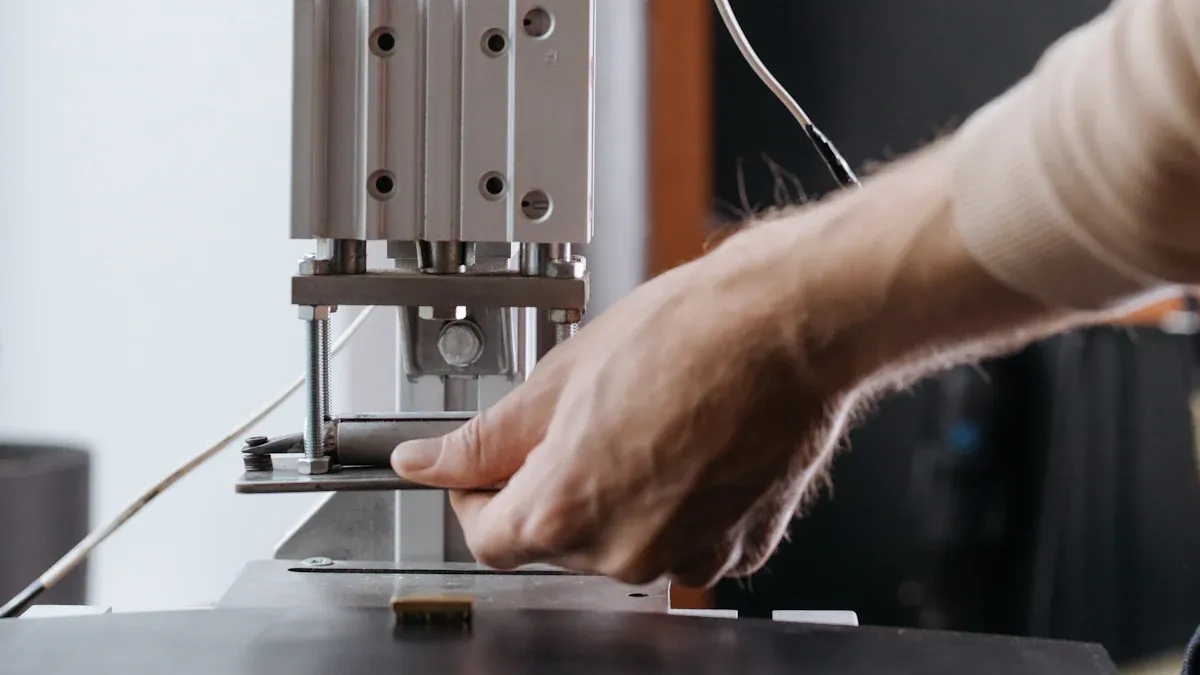
At-a-Glance Comparison Table
Selecting the right tablet compression machine becomes easier with a side-by-side comparison. The table below highlights key features, advantages, and best-use scenarios for each machine type.
| Machine Type | Output Range | Tablet Complexity | Initial Cost | Best For | Key Limitation |
|---|---|---|---|---|---|
| Single Punch | Up to 5,000/hr | Simple | Low | R&D, small batches | Low speed |
| Rotary | 5,000–100,000/hr | Moderate | Medium | Medium-scale production | More maintenance |
| High-Speed Rotary | 100,000+/hr | Moderate | High | Large-scale, high volume | High investment |
| Multi-Layer | 2,000–60,000/hr | Complex (multi-layer) | High | Combination/controlled release | Slower output |
| Specialized | Varies | Unique/custom | Highest | Niche, custom formulations | Custom setup needed |
Tip: Use this table to quickly match your production needs with the most suitable machine type.
Step-by-Step Selection Checklist
A structured approach helps manufacturers choose the best tablet compression machine. Follow these steps to ensure a smart investment:
-
Define Production Volume
Estimate the number of tablets needed per hour or batch. -
Assess Tablet Design
Identify if the product requires single-layer, multi-layer, or custom shapes. -
Set Budget Limits
Determine available funds for equipment purchase and ongoing maintenance. -
Review Regulatory Needs
Check if the machine meets GMP and other quality standards. -
Evaluate Technical Skills
Confirm if staff can operate and maintain advanced machinery. -
Consider Future Growth
Plan for possible increases in production or new product lines. -
Request Vendor Support
Ask suppliers about training, spare parts, and after-sales service.
Note: Careful planning at each step reduces the risk of costly mistakes and ensures long-term success.
By following this checklist, companies can confidently select a tablet compression machine that aligns with their goals and resources.
Selecting the right tablet compression machine depends on several factors:
- Production volume and speed requirements
- Tablet design complexity
- Budget and regulatory needs
Careful evaluation ensures the machine supports both current and future goals. Companies that match equipment to their specific needs achieve better efficiency and product quality. Assess all options before making a final decision.
FAQ
What factors determine the best tablet compression machine for a manufacturer?
Production volume, tablet design, budget, and regulatory requirements guide the selection. Each manufacturer must assess these needs before choosing a machine. Matching equipment to specific goals ensures efficient and consistent tablet production.
How often should operators perform maintenance on tablet compression machines?
Operators should follow the manufacturer's recommended schedule. Routine checks help prevent breakdowns and maintain product quality. Most machines require daily cleaning and monthly inspections. High-speed and specialized models may need more frequent attention.
Can a single punch machine produce complex tablet shapes?
Single punch machines handle basic shapes and sizes. They do not support intricate designs or multi-layer tablets. Manufacturers seeking advanced shapes should consider rotary or specialized machines.
Are high-speed rotary machines suitable for small-scale production?
High-speed rotary machines work best for large-scale operations. Small manufacturers may find these machines too costly and complex. Single punch or standard rotary models offer better value for limited batches.
What safety features should manufacturers look for in tablet compression machines?
Manufacturers should choose machines with dust control systems, emergency stop buttons, and real-time monitoring. These features protect operators and ensure safe production environments.
See Also
A Comprehensive Guide to Choosing Tablet Sampling Machines
Enhancing Pharmaceutical Efficiency with Capsule Decapsulation Technology
Key Factors for Capsule Checkweigher Buyers in 2025
Popular Features of Folder Gluers for 2025 Carton Production
Top Five Applications for Single Stage Rotary Vane Vacuum Pumps