Tablet coating equipment myths you should stop believing
Tablet coating equipment helps pharmaceutical manufacturers apply a thin, protective film to tablets. Many people believe myths about how these machines work and what types exist. > Clear knowledge allows companies to select the right tools and avoid costly mistakes. Understanding the real purpose and function of tablet coating equipment supports safe and effective medicine production.
What is Tablet Coating Equipment?
Definition and Purpose
Tablet coating equipment refers to specialized machinery designed to apply a thin, uniform layer to the surface of pharmaceutical tablets. Manufacturers use this equipment to protect tablets from moisture, mask unpleasant tastes, and improve appearance. The coating also helps control how quickly the medicine releases in the body. Companies rely on tablet coating equipment to ensure each tablet meets strict quality standards.
Note: Tablet coating equipment plays a vital role in maintaining the stability and effectiveness of medicines. Without proper coating, tablets may degrade faster or cause discomfort for patients.
Pharmaceutical facilities select tablet coating equipment based on the type of tablet, desired coating properties, and production volume. The right equipment supports efficient manufacturing and consistent results.
How Tablet Coating Equipment Works
Tablet coating equipment operates through a series of controlled steps. The process begins when operators load tablets into the coating chamber. The machine rotates or fluidizes the tablets to expose all surfaces evenly. A spray system applies the coating solution while heated air dries the tablets. Sensors monitor temperature, airflow, and spray rate to maintain optimal conditions.
The main steps include:
- Loading: Operators place uncoated tablets into the equipment.
- Mixing: The machine moves tablets to ensure even exposure.
- Spraying: Nozzles deliver the coating solution onto the tablets.
- Drying: Heated air removes moisture and sets the coating.
- Unloading: Finished tablets exit the equipment for packaging.
| Step | Description | Purpose |
|---|---|---|
| Loading | Tablets enter the coating chamber | Prepare for coating |
| Mixing | Tablets move for even coverage | Prevent clumping |
| Spraying | Coating solution applies to tablets | Create uniform film |
| Drying | Heated air dries the coating | Ensure stability |
| Unloading | Coated tablets leave the chamber | Ready for distribution |
Tablet coating equipment uses advanced controls to adjust each step. Operators can change settings to match different tablet sizes or coating formulas. This flexibility allows manufacturers to produce a wide range of products with consistent quality.
Types of Tablet Coating Equipment
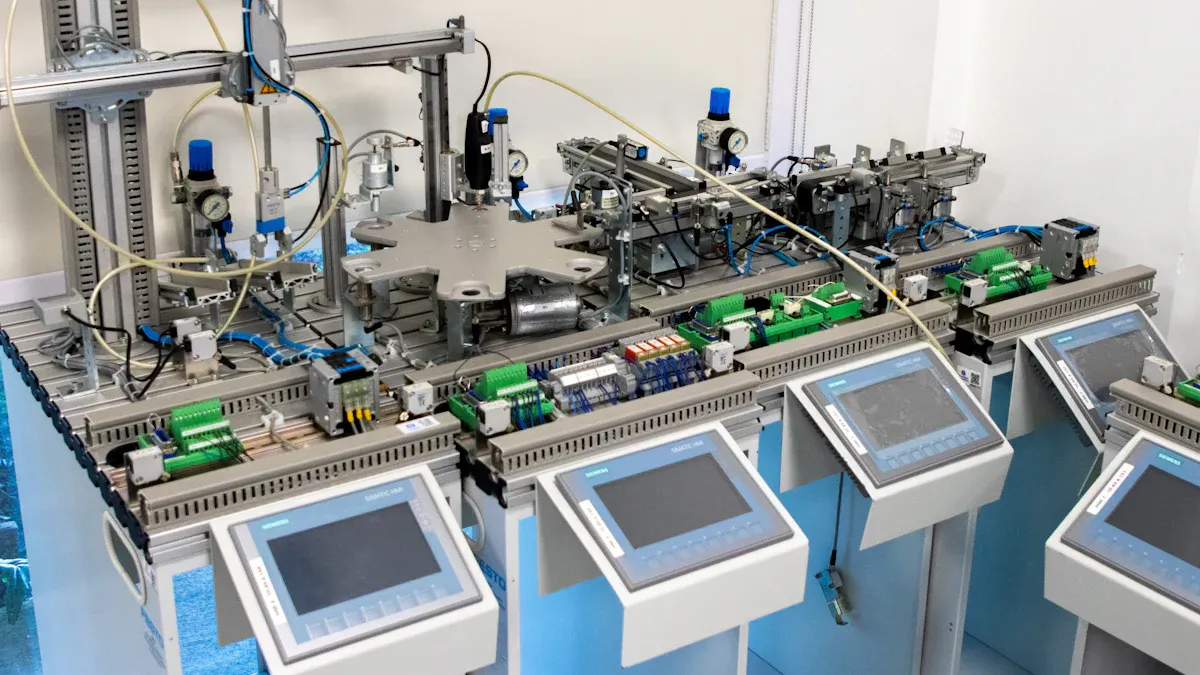
Standard Coating Pans
Standard coating pans represent one of the oldest and most widely used designs in the pharmaceutical industry. These machines feature a large, rotating stainless steel pan. Operators load tablets into the pan, which turns on a horizontal axis. As the pan rotates, the tablets tumble and mix. A spray system applies the coating solution directly onto the moving tablets. Heated air flows over the tablets to dry the coating.
Manufacturers often choose standard coating pans for their simplicity and reliability. These machines work well for sugar coating and film coating processes. They suit both small-scale and large-scale production. However, standard pans may not provide the highest efficiency for very large batches or for coatings that require precise control.
Tip: Standard coating pans offer a cost-effective solution for companies starting with tablet coating equipment.
Perforated Coating Pans
Perforated coating pans improve upon the standard design by adding small holes throughout the pan’s surface. These perforations allow air to flow more efficiently around the tablets. The system uses a closed environment, which helps control temperature and humidity during the coating process. Operators can adjust airflow and spray rates to achieve uniform coatings.
Perforated pans support faster drying times and better coating consistency. Many modern pharmaceutical plants prefer these machines for high-volume production. The design reduces the risk of tablet sticking and ensures even coverage. Perforated coating pans also allow for easier cleaning and maintenance.
| Feature | Standard Coating Pan | Perforated Coating Pan |
|---|---|---|
| Airflow Efficiency | Moderate | High |
| Drying Speed | Slower | Faster |
| Cleaning Requirements | More Difficult | Easier |
| Coating Uniformity | Good | Excellent |
Fluidized Bed Coaters
Fluidized bed coaters use a different approach compared to pan systems. These machines suspend tablets in a stream of air, causing them to float and move rapidly. The equipment sprays the coating solution onto the airborne tablets. Heated air dries the coating almost instantly.
This method provides excellent control over coating thickness and uniformity. Fluidized bed coaters handle a wide range of tablet sizes and shapes. They also support advanced coating techniques, such as sustained-release or enteric coatings. Many manufacturers select fluidized bed coaters for their flexibility and high efficiency.
Note: Fluidized bed coaters require skilled operators and regular maintenance to ensure optimal performance.
Tablet coating equipment comes in several forms, each with unique strengths. Companies should evaluate their production needs and product requirements before selecting the right type.
Spray Coating Machines
Spray coating machines deliver precise and uniform coatings to pharmaceutical tablets. These machines use advanced spray nozzles to apply the coating solution directly onto the tablet surfaces. Operators can adjust spray patterns, droplet size, and flow rates to achieve the desired coating thickness. The system often includes a controlled environment that manages temperature and humidity, which helps maintain consistent results.
Manufacturers choose spray coating machines for their ability to handle a wide range of tablet shapes and sizes. These machines support both small-scale research batches and large-scale commercial production. The flexibility of spray coating technology allows for quick changeovers between different products.
Key advantages of spray coating machines include:
- Precise control over coating application
- Reduced waste of coating materials
- Consistent film thickness across all tablets
- Compatibility with various coating formulations
Note: Proper maintenance of spray nozzles ensures reliable performance and prevents clogging, which can affect coating quality.
A typical spray coating process involves several steps:
- Loading tablets into the coating chamber
- Setting spray parameters based on the formulation
- Applying the coating solution through atomized nozzles
- Drying the coated tablets with controlled airflow
- Inspecting finished tablets for quality assurance
Spray coating machines play a vital role in modern pharmaceutical manufacturing. They help companies meet strict regulatory standards for product quality and safety.
Automated Coating Systems
Automated coating systems represent the latest advancement in tablet coating technology. These systems integrate robotics, sensors, and software to manage the entire coating process with minimal human intervention. Operators program the system to follow specific recipes for each product. The equipment then monitors and adjusts all critical parameters in real time.
Automated systems offer several benefits:
- Increased production efficiency
- Reduced risk of human error
- Enhanced data tracking and reporting
- Improved batch-to-batch consistency
Many automated coating systems feature touch-screen interfaces and remote monitoring capabilities. These features allow operators to oversee multiple batches simultaneously. The system can alert staff to any deviations from set parameters, which helps prevent costly mistakes.
| Feature | Manual Systems | Automated Systems |
|---|---|---|
| Labor Requirement | High | Low |
| Process Control | Moderate | Advanced |
| Data Recording | Limited | Comprehensive |
| Scalability | Moderate | High |
Automated coating systems suit facilities with high production volumes or strict quality requirements. These systems also support continuous improvement by collecting detailed process data. Companies that invest in automation often see faster return on investment and improved product quality.
Tip: When selecting tablet coating equipment, consider future scalability and the potential benefits of automation.
Common Myths About Tablet Coating Equipment
Myth: All Coating Equipment Works the Same Way
Many believe all tablet coating machines operate in a similar fashion. This idea leads to confusion when selecting equipment. In reality, each type of coating machine uses a unique process. For example, standard coating pans rotate tablets in a drum, while fluidized bed coaters suspend tablets in air. Perforated pans use airflow through small holes to improve drying. Each method offers different advantages for specific products.
Note: Choosing the wrong equipment can result in poor coating quality or wasted resources.
Operators must understand the differences between machines. They should match the equipment to the tablet’s size, shape, and coating requirements.
Myth: Only Large Facilities Need Coating Equipment
Some assume only big pharmaceutical companies require tablet coating equipment. This myth ignores the needs of small and medium-sized manufacturers. Many smaller facilities produce specialized or low-volume products. They benefit from compact or modular coating machines designed for limited space.
- Small-scale equipment supports research and development.
- Pilot batches help test new formulations before full production.
- Flexible machines allow quick changeovers for different products.
Even startups and contract manufacturers use coating equipment to meet quality standards and regulatory requirements.
Myth: Tablet Coating Is Just for Appearance
A common misconception suggests tablet coating serves only cosmetic purposes. In fact, coatings provide several critical functions:
- Protect tablets from moisture and light
- Mask unpleasant tastes or odors
- Control how fast the medicine releases in the body
- Prevent tablets from sticking together
Coatings help ensure patient safety and product stability.
Manufacturers rely on coatings to meet strict industry standards. The right coating can improve shelf life and patient experience.
Myth: Fluidized Bed Coaters Are Always Better
Many people believe fluidized bed coaters outperform all other tablet coating machines. This idea often comes from the advanced technology and flexibility these machines offer. However, fluidized bed coaters do not always provide the best solution for every application.
Fluidized bed coaters work well for certain types of coatings, such as sustained-release or enteric coatings. They handle irregularly shaped tablets and allow for precise control over coating thickness. Despite these strengths, they also have limitations.
- Higher Cost: Fluidized bed coaters usually cost more than standard or perforated pans. Smaller companies may find the investment difficult to justify.
- Complex Operation: These machines require skilled operators and regular maintenance. Training staff can take time and resources.
- Batch Size Limitations: Fluidized bed coaters may not suit very large or very small batches. Some products need different equipment for optimal results.
Note: The best coating equipment depends on the product, batch size, and coating requirements. No single machine fits every need.
A comparison table helps clarify when fluidized bed coaters work best:
| Feature | Fluidized Bed Coater | Perforated Pan | Standard Pan |
|---|---|---|---|
| Cost | High | Medium | Low |
| Coating Uniformity | Excellent | Excellent | Good |
| Operator Skill Needed | High | Medium | Low |
| Batch Size Flexibility | Medium | High | High |
Manufacturers should evaluate their specific needs before choosing a coating system. Fluidized bed coaters offer many advantages, but they do not always represent the best choice for every situation.
Myth: Coating Equipment Is Too Complicated for Small Batches
Some manufacturers think tablet coating equipment only suits large-scale production. This myth prevents small companies and research labs from exploring coating options. In reality, many machines work well for small batches.
Modern tablet coating equipment comes in various sizes. Manufacturers design compact models for pilot studies, clinical trials, or specialty products. These machines offer user-friendly controls and simple cleaning procedures.
- Small-scale coating pans allow quick setup and easy operation.
- Benchtop fluidized bed coaters support research and development projects.
- Modular systems let users adjust capacity as production needs change.
Tip: Choosing the right equipment for small batches can improve product quality and speed up development.
Small batch coating equipment helps companies test new formulations and respond to market changes. Operators can switch between products with minimal downtime. This flexibility supports innovation and growth, even for smaller manufacturers.
How to Choose the Right Tablet Coating Equipment

Assessing Your Production Needs
Every pharmaceutical facility has unique production goals. Operators should start by evaluating the number of batches produced each day. They should also consider the average batch size and the types of tablets manufactured. Facilities that handle frequent product changes may need flexible machines. High-volume sites often benefit from automated systems.
Tip: A clear understanding of production needs helps prevent costly equipment mismatches.
A simple checklist can guide the assessment process:
- Daily and weekly production targets
- Variety of tablet shapes and sizes
- Frequency of product changeovers
- Desired level of automation
Matching Equipment Type to Tablet Formulation
Tablet formulations vary in complexity. Some require basic film coatings, while others need specialized layers for controlled release. Operators must match the equipment type to the formulation’s demands. For example, fluidized bed coaters work well for tablets needing precise, uniform coatings. Standard or perforated pans suit simpler formulations.
| Formulation Type | Recommended Equipment |
|---|---|
| Basic Film Coating | Standard/Perforated Pan |
| Enteric Coating | Fluidized Bed Coater |
| Sustained Release | Fluidized Bed Coater |
| Sugar Coating | Standard Coating Pan |
Selecting the right match ensures consistent product quality and regulatory compliance.
Considering Budget and Space Constraints
Budget and available space play a major role in equipment selection. Smaller facilities may prefer compact or benchtop models. Larger sites can invest in automated or high-capacity systems. Operators should compare initial costs, maintenance expenses, and installation requirements.
Note: Planning for future growth can save money and time in the long run.
A careful review of these factors helps companies choose tablet coating equipment that fits both current and future needs.
Importance of Technical Support and Training
Selecting the right tablet coating equipment marks only the beginning of a successful manufacturing process. Ongoing technical support and comprehensive training play a crucial role in maximizing equipment performance and ensuring consistent product quality.
Manufacturers often encounter unexpected challenges during daily operations. Machines may require calibration, software updates, or troubleshooting. Reliable technical support helps resolve these issues quickly. When a supplier offers responsive assistance, production downtime decreases, and costly delays become less likely.
Tip: Choose equipment vendors who provide 24/7 technical support and have a proven track record in the pharmaceutical industry.
Proper training empowers operators and maintenance staff. Well-trained personnel understand how to set up, operate, and clean the equipment safely. They can identify early signs of wear or malfunction, which helps prevent major breakdowns. Training also ensures that staff follow standard operating procedures, reducing the risk of errors and product defects.
Key benefits of technical support and training include:
- Faster problem resolution and reduced downtime
- Improved safety for operators and products
- Higher batch-to-batch consistency
- Longer equipment lifespan
A comparison table highlights the impact of support and training:
| Without Support/Training | With Support/Training |
|---|---|
| Frequent errors | Fewer operational mistakes |
| Longer downtimes | Quick troubleshooting |
| Higher maintenance costs | Preventive care |
| Inconsistent quality | Reliable product output |
Manufacturers who invest in technical support and training gain a competitive edge. Their teams work confidently, and their equipment operates at peak efficiency. In the fast-paced pharmaceutical industry, this advantage can make a significant difference.
A clear understanding of tablet coating equipment helps manufacturers avoid common misconceptions. Accurate knowledge supports better choices in pharmaceutical production. Companies that rely on facts, not myths, achieve higher quality and efficiency. By exploring the main types and real capabilities, decision-makers select the best solutions for their needs.
Informed decisions lead to safer medicines and stronger business outcomes.
FAQ
What is the main purpose of tablet coating equipment?
Tablet coating equipment applies a protective film to tablets. This film improves stability, masks taste, and controls drug release. Manufacturers use coating machines to meet quality standards and enhance patient experience.
Can small pharmaceutical companies use tablet coating equipment?
Small companies can use compact or modular coating machines. These models suit limited space and smaller batch sizes. Manufacturers benefit from flexible equipment that supports research, development, and specialty products.
How often should operators clean tablet coating equipment?
Operators should clean equipment after every batch. Regular cleaning prevents contamination and maintains product quality. Manufacturers follow strict cleaning protocols to meet regulatory requirements.
Does tablet coating equipment require special training?
Operators need training to use coating equipment safely and efficiently. Training covers setup, operation, and maintenance. Well-trained staff reduce errors and improve batch consistency.
Tip: Manufacturers should choose suppliers who offer comprehensive training and technical support.
See Also
A Comprehensive Guide To Choosing Tablet Sampling Machines
Enhancing Pharmaceutical Efficiency With Capsule Decapsulation Technology
Cost-Saving Insights About Pressure Plates You Need