Tablet Checkweigher Selection Made Easy for Modern Production Lines
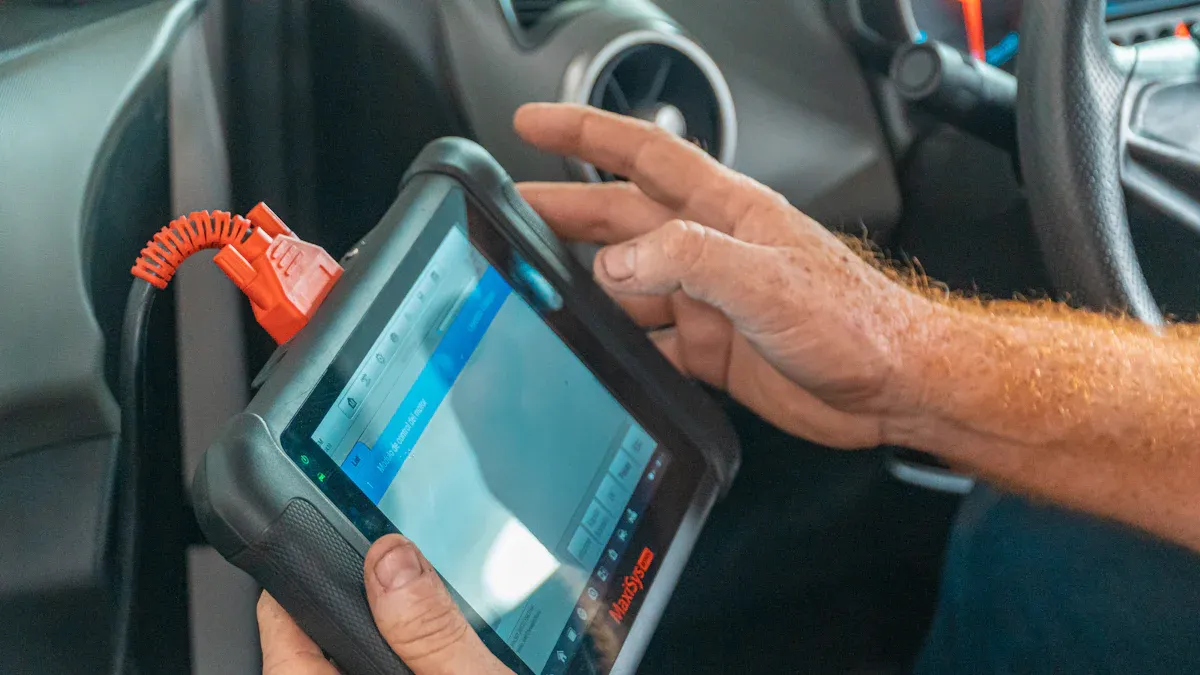
You need a Tablet Checkweigher to keep your production line accurate and safe. Many manufacturers trust these machines for precise weight measurement and easy integration.
- They help you collect important data.
- They support traceability and meet strict rules.
You can choose an Accuracy 0.1mg Online Checkweigher for Tablets Capsules Pills for top results.
Key Takeaways
- Choose a Tablet Checkweigher based on your product type and accuracy needs to ensure precise weight measurements.
- Integrate your checkweigher with existing equipment to enhance quality control and maintain compliance with regulations.
- Plan for regular maintenance and calibration to keep your checkweigher accurate and avoid costly downtime.
Tablet Checkweigher Key Selection Criteria
Product Type and Characteristics
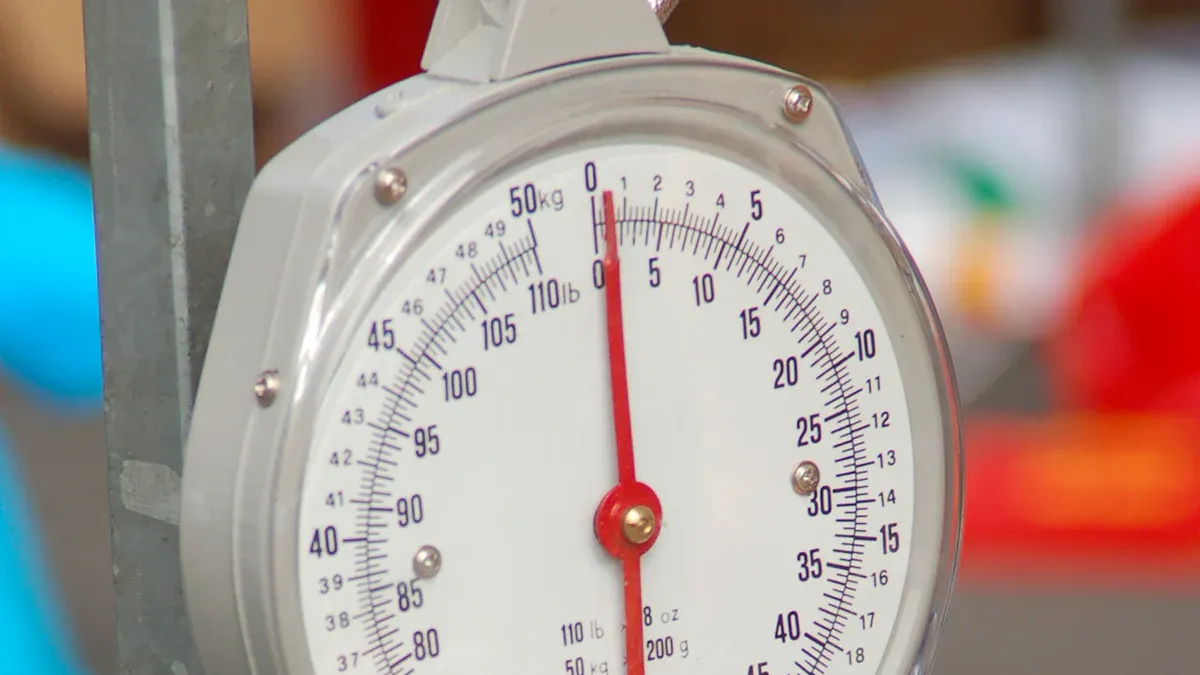
You must consider the type of product you want to weigh. Tablets and capsules have different shapes and sizes. Some products need extra care because they break easily or have coatings.
Checkweighers are crucial in pharmaceutical production as they ensure accurate dosages, which are essential for patient safety and treatment effectiveness. They also help maintain compliance with regulatory standards, such as those outlined by the FDA and the Drug Supply Chain Security Act (DSCSA).
Tablet Checkweighers help you meet strict weight specifications for each tablet or capsule. They work faster and more accurately than manual methods.
- The WT300 checkweigher is designed for high-speed pharmaceutical packaging lines, ensuring precise weight accuracy.
- Checkweighers serve as critical end-of-line quality control tools, maintaining consistency in the weight of each tablet and packet.
Accuracy Requirements
You need to choose a Tablet Checkweigher that matches your accuracy needs. In pharmaceutical manufacturing, precision is not optional.
- Precision and accuracy are critical for ensuring the correct dosage of medication, which is vital for patient health and regulatory compliance.
- Checkweighers guarantee accuracy and safety in product measurements, contributing to product quality and patient safety.
Regulatory bodies set strict guidelines. Every tablet or capsule must meet specific weight and quality standards.
- Upgrading to advanced checkweighers helps meet these requirements, ensuring product consistency and quality control.
- Global regulators like the FDA and EMA require documented proof that every product meets its intended specifications, which checkweighers provide through 100% in-line inspection.
Here is a table showing how accuracy requirements change with production volume:
| Production Type | Accuracy Requirements |
|---|---|
| High-Volume | Stringent precision blending and uniformity due to regulatory standards and batch consistency. |
| Low-Volume | More variability and less stringent requirements are acceptable. |
Throughput and Speed
You must match the speed of your Tablet Checkweigher to your production line. If your line moves fast, your checkweigher must keep up.
The speed of production is crucial when selecting tablet checkweighers. The checkweigher must match the production line's speed to prevent any operational delays. In high-volume settings, checkweighers must process thousands of capsules per hour to ensure efficiency and compliance with quality standards.
Here is a table showing typical throughput ranges:
| Type of Checkweigher | Throughput Range |
|---|---|
| Capsule Checkweigher | 80,000 p/h - 200,000 p/h |
High-speed checkweighers for capsules and tablets can measure up to 400 capsules per minute.
Integration with Existing Equipment
You need to make sure your Tablet Checkweigher fits with your current machines. Quality control is essential for safety and effectiveness. Compliance with regulations protects patient safety and ensures responsible drug supply.
- The integration of various inspection technologies, such as X-ray and automated systems, enhances the detection of contaminants and ensures product integrity.
Here is a table showing common compatibility issues:
| Compatibility Factor | Description |
|---|---|
| Conveyor System | The existing conveyor system must be compatible with the checkweigher. |
| Product Size and Shape | Variations in product dimensions can affect the integration process. |
| Line Speed | The speed of the production line must align with the checkweigher's capabilities. |
Operator error can lead to inaccurate measurements. Proper training is essential for operators to manage the checkweigher effectively. Incorrect load cell selection can impact accuracy.
Regulatory Compliance
You must follow strict rules in pharmaceutical manufacturing. Tablet Checkweighers help you meet these rules and avoid problems.
The CW1200 checkweigher is essential for ensuring that products meet specified weight ranges, which is critical for quality control and compliance with regulations in industries like pharmaceuticals.
The qualification of pharmaceutical manufacturing equipment, such as checkweighers, is mandated by regulatory bodies like the US FDA and EMA. This process is crucial for ensuring compliance with Good Manufacturing Practices (GMP) and safeguarding data integrity, which is vital for preventing product recalls and regulatory penalties.
| Aspect | Description |
|---|---|
| Validation and Verification | Ensures that systems are operating correctly and consistently, which is essential for compliance. |
| Routine Performance Checks | Frequent checks during production confirm that processes remain within acceptable limits. |
| Automated Monitoring | Built-in software reduces human error and provides documentation for quality assurance efforts. |
If you do not comply, you risk data integrity violations, product recalls, regulatory penalties, and batch rejection.
Budget and Cost Considerations
You need to think about your budget. Tablet Checkweighers come in many price ranges. You must balance cost with the features you need.
Service intervals and support availability affect the total cost of ownership. If service is delayed, downtime increases costs due to lost productivity. Local support and spare parts reduce maintenance costs and downtime. Annual calibration and software updates are essential for compliance and operational efficiency. Integration costs with upstream and downstream systems affect initial setup and ongoing operational costs.
| Cost Factor | Impact on TCO |
|---|---|
| Downtime impact if service is delayed | Increases overall costs due to lost productivity |
| Availability of local support and spare parts | Reduces maintenance costs and downtime |
| Cost of annual calibration and software updates | Essential for compliance and operational efficiency |
| Integration costs with upstream/downstream systems | Affects initial setup and ongoing operational costs |
Maintenance and Service Needs
You must plan for regular maintenance. Tablet Checkweighers need calibration and service to work well.
If you ignore maintenance, you risk downtime and higher costs. Choose a supplier who offers good support and fast service. Local spare parts and quick repairs help you avoid long delays.
Tip: Schedule routine checks and keep records to ensure your checkweigher stays accurate and reliable.
Tablet Checkweigher Types and Applications
In-Line Tablet Checkweighers
You can use in-line tablet checkweighers directly on your production line. These machines weigh each tablet as it moves along the conveyor. You get fast and continuous measurement without stopping your process. In-line systems help you catch errors early. You can remove underweight or overweight tablets before they reach packaging. This method keeps your production efficient and reduces waste.
Tip: In-line tablet checkweighers work best when you need high speed and real-time quality control.
Off-Line Tablet Checkweighers
You may choose off-line tablet checkweighers for batch testing or spot checks. These machines work away from the main production line. You can use them to test samples from each batch. Off-line systems help you verify your process and confirm your equipment is working correctly. You can also use them for research and development. Off-line checkweighers give you flexibility when you do not need constant monitoring.
High-Precision and Multi-Lane Tablet Checkweighers
High-precision and multi-lane tablet checkweighers help you improve production efficiency in large-scale operations. You can measure many tablets at once with multi-lane systems. High-precision models detect even small weight differences. You get accurate and reliable results, which helps you meet strict industry regulations.
Here is a table showing how these checkweighers benefit your production:
| Benefit | Description |
|---|---|
| Improved Accuracy | Ensures only qualified products pass through by detecting underweight or improperly packaged items. |
| Compliance with Regulations | Helps maintain compliance with industry regulations, reducing the risk of recalls. |
| Adaptability | Can adapt to various specifications and sizes, fitting seamlessly into production lines. |
| Quality Control | Maintains high standards of quality control, significantly lowering the likelihood of recalls. |
You can also expect these advantages:
- You reduce manual labor and errors with advanced technology.
- You get fast, reliable data for audits and documentation.
- You maintain strict compliance with regulations.
You should consider high-precision and multi-lane tablet checkweighers if you need to process large volumes and want to keep your quality standards high.
Tablet Checkweigher Compatibility Assessment
Physical Space and Layout
You need to check the space in your production area before you install new equipment. Measure the available floor space and look at the layout of your line. Make sure the new machine fits without blocking walkways or other machines. You should plan for easy access so operators can clean and maintain the equipment. If you have limited space, choose a compact model. Good planning helps you avoid problems during installation.
Connectivity and Data Integration
Modern production lines rely on strong data connections. You want your equipment to talk to other machines and systems. Here are some important data integration features you should look for:
- PLC communication, such as Profibus or Ethernet/IP
- ERP or MES system connectivity
- Mechanical integration with upstream and downstream equipment
These features help you collect data, control your process, and keep records for audits. When your machines connect well, you can spot problems faster and improve your workflow.
Workflow and Process Fit
You must make sure the new machine works with your current process. Look at how products move through your line and how operators use the equipment. The table below shows what you should consider:
| Aspect | Description |
|---|---|
| Compatibility | Make sure the new machine matches your current systems. |
| Integration | Talk to manufacturers about how the machine will fit into your process. |
| Easy Integration | Many modern machines are built to fit smoothly into existing production lines. |
If you choose equipment that fits your workflow, you save time and avoid mistakes. You also help your team work better and keep your production running smoothly.
Tablet Checkweigher Features and Options
Data Handling and Reporting
You can manage production data easily with advanced features in modern Tablet Checkweigher models. These machines help you track and control your process. You can store production data for up to 365 days and connect with other devices. This makes it simple to review past batches and improve your workflow. Many models offer U disk export for quick data transfer. You can print records instantly with a high-speed printer. Permanent paper records support quality traceability.
| Feature | Description |
|---|---|
| Statistical Process Control | Monitors and controls production processes. |
| Batch Reports | Generates reports for each batch processed. |
| OEE Monitoring | Tracks Overall Equipment Effectiveness. |
Tip: Use batch reports to find problems early and keep your production line running smoothly.
Reject Mechanisms
You can keep your products safe and reduce waste with smart reject mechanisms. Tablet Checkweighers check each item’s weight and remove any that do not meet standards. This helps you avoid financial losses from overfilling or underfilling. Real-time data lets you adjust your process quickly. You protect your brand and improve profitability by catching errors before products reach customers.
Hygiene and Cleanability
You must keep your equipment clean to meet strict pharmaceutical standards. Tablet Checkweighers use stainless steel and other non-reactive materials. These surfaces are easy to clean and help prevent contamination. Hygienic design makes maintenance simple. Regular calibration and preventive care are required to stay compliant with FDA and GMP rules.
- Stainless steel construction for easy cleaning
- Hygienic design to prevent contamination
- Mandatory preventive maintenance and calibration
User Interface and Controls
You can operate your Tablet Checkweigher with simple controls and clear displays. Modern machines use touchscreens and easy menus. Operators can set up, monitor, and adjust settings quickly. User-friendly interfaces reduce mistakes and save time. Training becomes easier, and your team works more efficiently.
Tablet Checkweigher Supplier Evaluation and Support
Reputation and Experience
You want to choose a supplier with a strong reputation and proven experience. Reliable suppliers help you avoid problems and keep your production line running smoothly. You should look for companies that offer cost-efficient solutions and quality assurance. Suppliers with NIST-traceable calibration certificates and GAMP 5 documentation show they care about accuracy and standards. You also need to check if they provide annual accuracy verification services. Good suppliers test integration with your conveyor systems and offer flexible designs for future upgrades.
| Criteria | Description |
|---|---|
| Cost-Efficiency | Calculate ROI based on giveaway reduction potential; precision models typically pay back in 8-15 months. Consider modular designs for future upgrades. |
| Quality Assurance | Require NIST-traceable calibration certificates and validate GAMP 5 lifecycle documentation. Opt for suppliers providing annual accuracy verification services. |
| Integration Capabilities | Confirm PLC communication protocols (EtherNet/IP, PROFINET, Modbus TCP) and API access for ERP integration. Test mechanical integration with existing conveyors during trials. |
| After-Sales Support | Evaluate service level agreements (SLA) with guaranteed 24-hour response times and local technician availability. Prioritize suppliers offering remote diagnostics and comprehensive spare parts inventories. |
Training and Technical Support
You need training and technical support to use your equipment correctly. Suppliers should offer clear instructions and hands-on training for your team. Good support includes quick answers to your questions and help with troubleshooting. You should ask if the supplier provides remote diagnostics and has local technicians who can visit your site. Fast support keeps your production line working and reduces downtime.
Tip: Choose suppliers who offer training updates when new features or software become available.
Warranty and After-Sales Service
You should check the warranty and after-sales service before you buy. A strong warranty protects your investment and gives you peace of mind. Suppliers who offer comprehensive spare parts inventories and quick repairs help you avoid long delays. Service level agreements with guaranteed response times show the supplier values your business. You want a partner who supports you after the sale, not just during installation.
Tablet Checkweigher Installation, Calibration, and Maintenance
Installation Planning
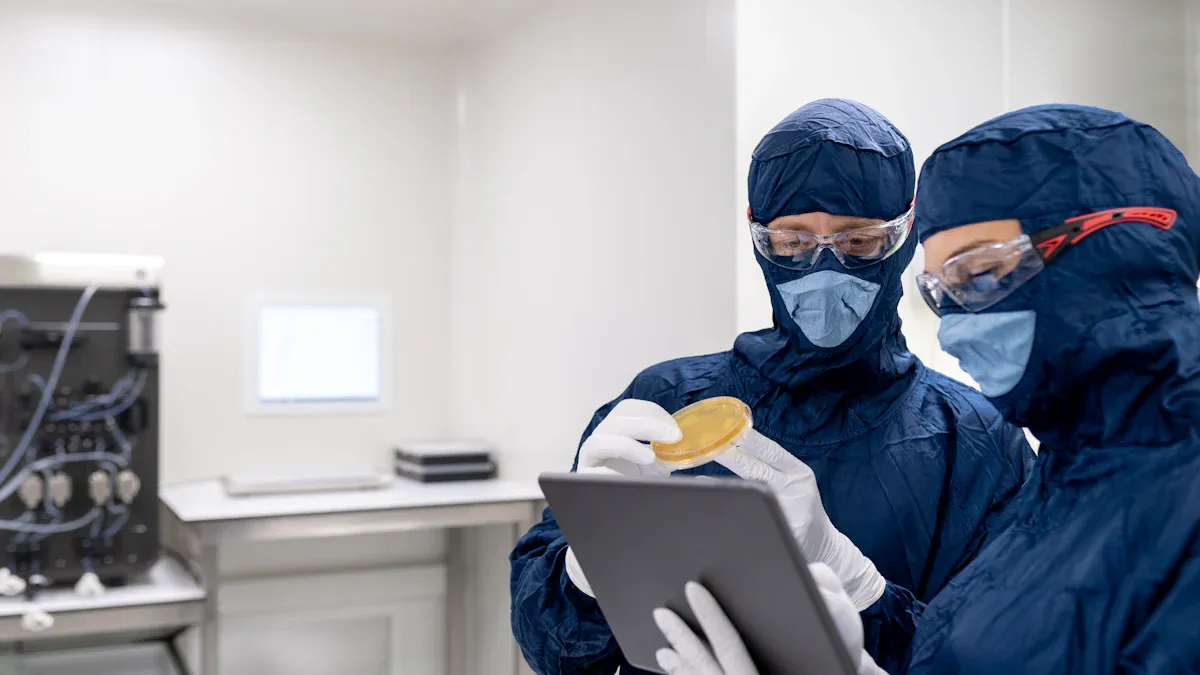
You need to plan carefully before installing new equipment. Start by checking the space in your production area. Measure the floor and make sure you have enough room for the machine and for people to move around. Look at the power supply and make sure it matches the equipment’s needs. You should also check the conveyor system and see if it fits with the new machine. Good planning helps you avoid problems and keeps your production line running smoothly.
Tip: Create a checklist for installation steps. This helps you remember every detail and makes the process easier.
Calibration Procedures
You must keep your equipment accurate. Calibration helps you get correct measurements and meet quality standards. Follow these steps to make sure your checkweigher works well:
- Set up a stable testing environment. Warm up the machine and keep outside factors away.
- Check the starting point. Make sure the machine reads zero when nothing is on it.
- Test with products that have known weights. Use items that match your real products.
- Run several test cycles. Write down the results and look for any problems.
You should repeat these steps often. Regular calibration keeps your machine reliable and helps you follow the rules.
Ongoing Maintenance
You need to take care of your equipment to keep it working. Clean the machine often to prevent dust and product build-up. Check moving parts and sensors for wear. Replace any broken parts quickly. Keep a record of all maintenance activities. This helps you spot problems early and avoid downtime.
Note: Schedule regular service visits with your supplier. This keeps your equipment in top shape and extends its life.
Tablet Checkweigher Selection Checklist:
- Identify your product type and accuracy needs.
- Match throughput with your production speed.
- Confirm integration and data compatibility.
- Review regulatory requirements.
- Plan for maintenance and support.
Tip: Ask suppliers for training and warranty details. You make better choices when you compare features and support options.
FAQ
How often should you calibrate your tablet checkweigher?
You should calibrate your checkweigher at least once a month. Regular calibration keeps your measurements accurate and helps you meet quality standards.
Can you use one checkweigher for different tablet sizes?
You can use one checkweigher for different sizes if it has adjustable settings. Always check the machine’s specifications before switching products.
What happens if your checkweigher finds an out-of-spec tablet?
- The checkweigher removes the tablet from the line.
- You get an alert so you can check for problems and fix them quickly.
See Also
Essential Industrial Checkweighers For Every Food Processing Facility
Key Capsule Checkweighers To Evaluate For 2025 Purchases
Understanding Pharmaceutical Checkweighers And Their Key Attributes
Comprehensive Guide To Choosing Tablet Sampling Machines For Labs
Enhancing Pharmaceutical Efficiency With Advanced Capsule Decapsulation Machines