Sustainable Water Treatment Plant Equipment Trends to Watch
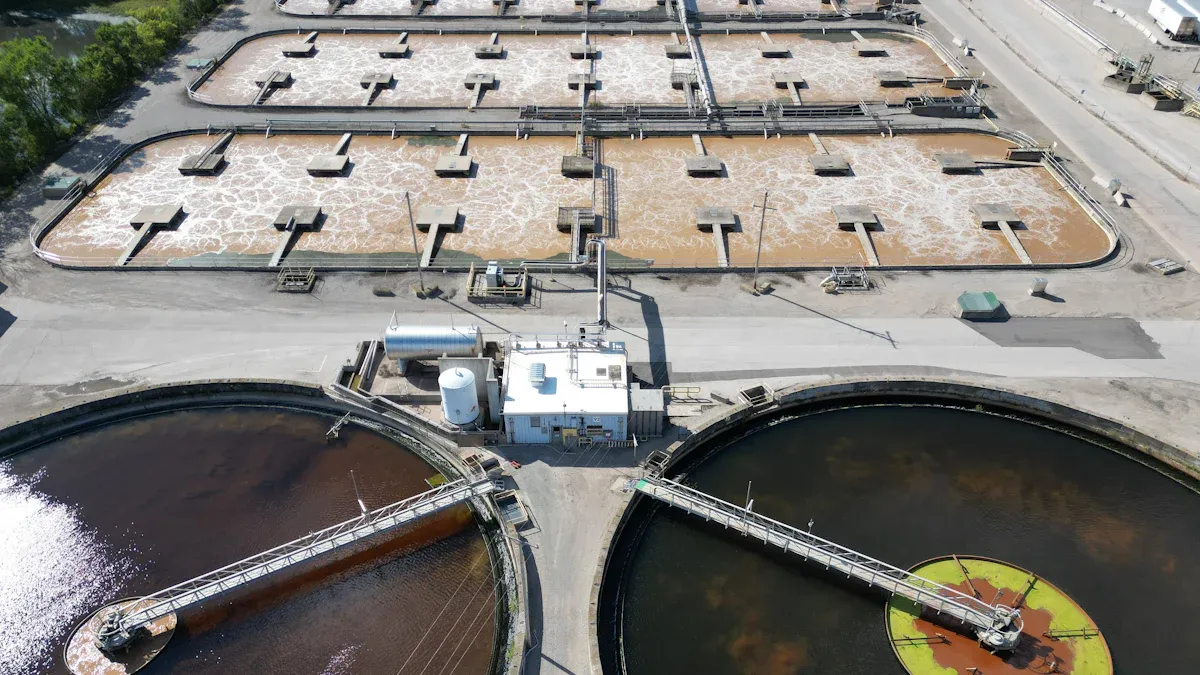
You see rapid change in the world of water treatment plant equipment. Companies push for solutions that protect resources and boost efficiency. The market grows fast, with strong adoption of new technologies:
- The wastewater treatment plant market will reach $149 billion in 2026, up from $141.65 billion in 2025, with a 5.2% CAGR.
- Automation and water-efficient processes gain popularity.
- Major firms invest in filtration innovation and digital water management to improve sustainability.
Key Takeaways
- Modular water treatment systems allow for quick assembly and easy upgrades, helping you adapt to changing water needs without major construction.
- Decentralized water treatment brings solutions closer to communities, reducing costs and improving control over the treatment process.
- Advanced water reuse technologies and resource recovery solutions help you meet strict water quality standards while preserving natural resources.
Modular and Decentralized Water Treatment Plant Equipment
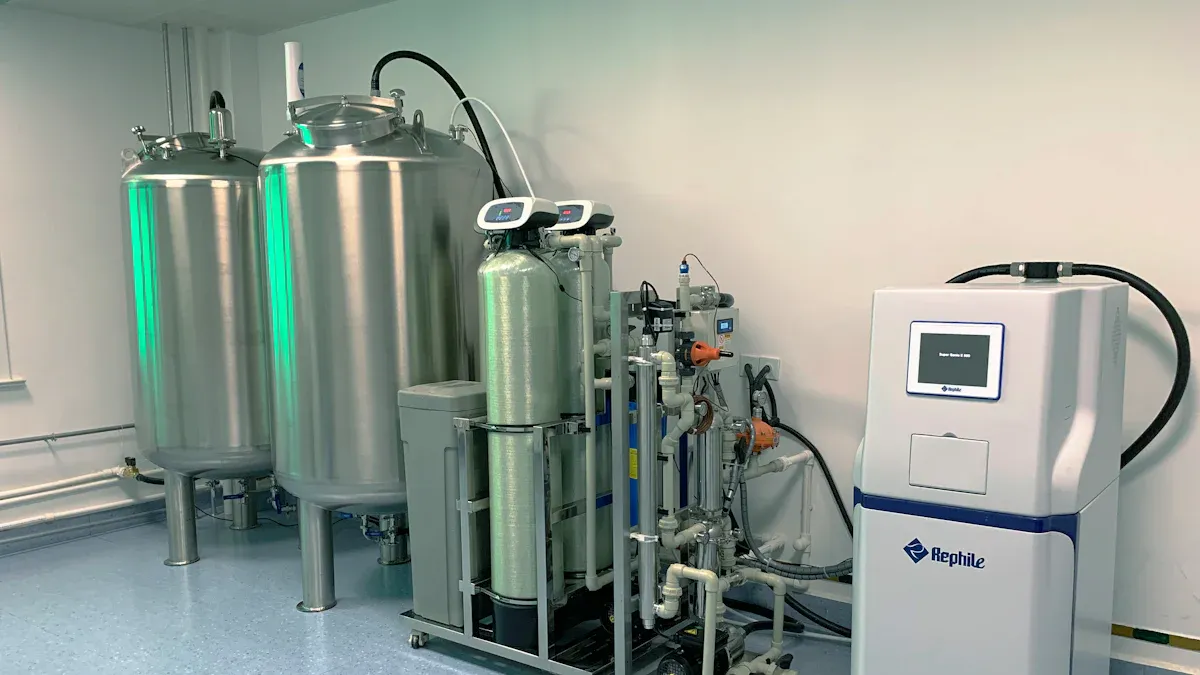
Modular System Designs
You can see a shift toward modular system designs in water treatment plant equipment. These systems use pre-engineered units that you can assemble quickly. Modular plants allow you to respond to changing water needs without major construction. You can add or remove modules as your community grows or as water quality changes. This approach saves time and reduces disruption.
Tip: Modular systems help you meet strict water standards by letting you upgrade or reconfigure equipment easily.
Decentralized Deployment Benefits
Decentralized water treatment plant equipment brings treatment closer to where you need it. You avoid long pipelines and lower both capital and operational costs. You gain full control over your treatment process, which makes it easier to follow environmental rules. Many communities now choose decentralized systems because they work well in areas where large, centralized plants are not practical.
- Decentralized plants reduce the need for long pipelines.
- Modular units allow for quick deployment and easy scaling.
- Advanced technologies minimize chemical use and lower expenses.
- Onsite systems eliminate expensive connections to central facilities.
- These systems suit small communities and remote areas.
Flexibility and Scalability
You benefit from the flexibility and scalability of modular and decentralized water treatment plant equipment. You can scale up or down by adding or removing units. This means you can adapt to changes in water demand with little disruption. Quick deployment lets you respond to emergencies or growth in your area.
| Year | Market Size (USD Billion) | CAGR (%) |
|---|---|---|
| 2024 | 17.45 | N/A |
| 2025 | 19.54 | N/A |
| 2033 | 48.39 | 12 |
The market for these systems grows fast, especially in regions facing water scarcity and infrastructure challenges.
Water Reuse and Resource Recovery Equipment
Advanced Water Reuse Technologies
You can now access advanced water reuse technologies that transform how you manage water. Many municipal and industrial plants use these systems to improve efficiency and sustainability. Common options include:
- Electrocoagulation, which uses electrical current to remove contaminants without chemicals.
- Advanced Oxidation Processes (AOP), such as GCAT, that break down complex organic molecules. These work well in industries like pharmaceuticals and food processing.
- High solids self-cleaning spiral filtration systems, which operate continuously and reduce maintenance.
- Media filtration systems, which use special materials to remove suspended solids and some dissolved contaminants.
These technologies help you meet strict water quality standards and reduce your environmental impact.
Resource Recovery Solutions
Modern water treatment plant equipment lets you recover valuable resources from wastewater. You can use energy recovery through anaerobic digestion, which turns organic waste into biogas. Heat recovery systems capture thermal energy for reuse. High-efficiency equipment improves overall plant performance. Many facilities now shift from simple pollution control to active participation in the circular economy. You can meet tough effluent limits, improve energy efficiency, and reduce greenhouse gas emissions. You also recover nutrients for irrigation, which lowers the need for synthetic fertilizers.
Note: Resource recovery solutions provide a reliable, locally controlled water supply and reduce pollution.
Addressing Water Scarcity
Water scarcity affects communities worldwide. For example, 66% of the global population may face water shortages by next year, and $58 trillion in economic value is at risk each year. In Mexico, 60% of the country experiences moderate to exceptional drought, and 90% of Mexico City faces severe drought.
| Statistic | Description |
|---|---|
| 66% | Global population likely to face water scarcity by next year |
| $58 trillion | Economic value threatened annually by water scarcity |
| 60% | Percentage of Mexico experiencing moderate to exceptional drought |
| 90% | Percentage of Mexico City in severe drought |
You can use water reuse technologies to preserve natural resources and create sustainable freshwater supplies. These systems treat wastewater for non-potable and potable uses, increasing water availability for your community.
Energy-Efficient and Low-Carbon Water Treatment Plant Equipment
High-Efficiency Pumps and Motors
You can boost the performance of your water treatment plant equipment by using high-efficiency pumps and motors. These new designs help you save energy and reduce costs. Modern pumps now feature speed adjustment, improved impeller shapes, and special coatings that lower friction. You also benefit from smart monitoring systems that alert you to problems before they cause downtime. The table below highlights recent advancements:
| Advancement Type | Description |
|---|---|
| Speed Adjustment | Pumps adjust speed based on demand, saving energy when full power is not needed. |
| New Impeller Shapes | Improved shapes increase efficiency and reduce waste. |
| Special Coatings | Lower friction allows pumps to operate with less effort. |
| Improved Pump Casings | Smoother fluid flow reduces the workload on pumps. |
| Smart Monitoring | Sensors monitor performance and allow remote control. |
You can also use high-efficiency metering pumps for accurate chemical dosing. These pumps offer multiple control options and self-cleaning features, which lower maintenance needs. Regular diagnostics for electric motors help you prevent failures and extend equipment life.
Renewable Energy Integration
You can integrate renewable energy sources like solar, wind, geothermal, and hydropower into your plant operations. These systems help you cut energy costs and lower carbon emissions. Many plants use renewable energy for electricity and heat generation. This approach works well in remote areas and supports water reuse and sanitation. By adopting these solutions, you make your facility more sustainable.
Low-Carbon Treatment Processes
You have access to several low-carbon treatment processes that reduce emissions and save energy. Some of the most effective options include:
- Solar photovoltaics for energy generation
- Heat recovery from treated wastewater
- Algae cultivation for biofuels
- Shortcut nitrogen removal processes such as anammox
- Membrane bioreactors for compact treatment
- Anaerobic treatment for biogas generation
You can achieve energy savings of 15 to 30 percent by implementing these technologies. This leads to significant financial savings and a smaller environmental footprint.
Digitalization and Smart Water Treatment Plant Equipment
Real-Time Monitoring and Automation
You can transform your operations with real-time monitoring and automation. These tools give you instant data, helping you make quick decisions and keep your plant running smoothly. Automated systems adjust processes as conditions change, which saves energy and reduces costs. The table below shows how these features benefit your facility:
| Benefit | Description |
|---|---|
| Streamlined Processes | Real-time data increases capacity without expanding your facility. |
| Predictive Maintenance | Performance data helps you prevent unexpected shutdowns. |
| Increased Efficiency | Automated systems respond quickly, reducing energy use. |
| Optimized Chemical Dosing | Automation ensures precise dosing, cutting waste and environmental impact. |
| Consistent Water Quality | Real-time adjustments help you meet water quality standards every day. |
Predictive Maintenance and AI
You can use artificial intelligence to predict maintenance needs before problems occur. AI systems analyze pump vibrations and filter pressure, sending alerts if something seems wrong. This approach helps you avoid unplanned downtime and lowers maintenance costs. You also get early warnings about leaks or other issues, so you can act fast. AI tools help you:
- Detect leaks and operational issues early.
- Receive real-time alerts about potential failures.
- Monitor air and water quality to prevent contamination.
- Forecast water demand and optimize supply.
Data Analytics for Optimization
Data analytics lets you improve every part of your water treatment plant equipment. You can use advanced methods to spot problems, predict trends, and make better decisions. Many plants have cut reporting time from 20 hours to less than one hour each month. You can also increase filter performance and schedule maintenance based on real-time data. These tools help you:
- Identify issues quickly and fix them before they grow.
- Improve process control and reduce human error.
- Learn from past data to make your plant more efficient.
North America leads in adopting smart water management, holding over a third of the market. Asia-Pacific grows fastest, driven by smart city investments and rapid urbanization.
Circular Economy Approaches in Water Treatment Plant Equipment
Equipment Designed for Reuse and Recycling
You can support a circular economy by choosing water treatment plant equipment designed for reuse and recycling. This approach changes the traditional model by focusing on long-term sustainability and minimal environmental impact. When you select equipment built for multiple life cycles, you help reduce waste and keep valuable materials in use. Many modern systems now include:
- Basic filtration skids that remove solids and suspended particles.
- Solid-liquid separation skids using media, cartridge, or bag filters.
- Advanced treatment skids with technologies like Ultrafiltration (UF) and Reverse Osmosis (RO).
- Booster skids that deliver reclaimed water at the right pressure.
- Specialized processors, such as the Oystra Industrial Wastewater Processor, which can turn heavily contaminated water into near-potable quality.
These solutions let you recover resources, lower pollution, and decrease reliance on non-renewable materials.
Minimizing Waste and Maximizing Value
You can minimize waste and maximize value by adopting circular economy strategies in your operations. This model encourages you to:
- Design out waste and pollution.
- Keep products and materials in use.
- Regenerate natural systems.
By reusing water and energy, you create a closed-loop system that reduces environmental impact. For example, gravity-driven membrane filtration (MGF) technology uses less energy and fewer chemicals, which lowers costs and extends equipment life. You also recover nutrients and energy from wastewater, supporting resource efficiency and sustainability. These practices help you align your plant with broader environmental goals and make your operations more resilient.
Regulatory and Policy Drivers for Water Treatment Plant Equipment
Evolving Environmental Standards
You face a landscape where environmental standards change quickly. Governments around the world now require higher water quality and stricter pollution controls. These rules push you to invest in smarter, more sustainable solutions. By 2026, you will see more plants using Industry 4.0 technologies because new regulations demand intelligent and efficient operations. For example, the revised Urban Wastewater Treatment Directive requires advanced treatment for nitrogen, phosphorus, and new contaminants in large plants by 2035. The table below shows how treatment methods have evolved:
| Traditional Methods | Modern Methods |
|---|---|
| Basic filtration and chemical disinfection | Advanced filtration like reverse osmosis (RO) |
| Simple sand filters and chlorine use | Smart technology for real-time monitoring |
| Limited removal of micro-pollutants | Effective removal of many impurities |
| High human supervision | Automated adjustments and maintenance alerts |
Incentives for Sustainable Equipment
You can benefit from government incentives that support sustainable upgrades. Many countries offer subsidies and interest-free loans to help you adopt new water treatment plant equipment. These programs encourage you to act as a responsible economic contributor. However, many firms do not know about these incentives. Clearer communication from governments can help you take full advantage of available support.
- Subsidies lower the cost of new equipment.
- Interest-free loans make upgrades more affordable.
- Incentives reward your commitment to sustainability.
Compliance Strategies for 2026
You need a clear plan to meet new regulations. Consider these strategies:
- Choose modular and decentralized systems for faster, scalable upgrades.
- Invest in water reuse and resource recovery to turn waste into valuable resources.
- Focus on energy efficiency and carbon reduction to meet climate goals.
- Use digital tools and AI for real-time process optimization.
- Stay informed about regulatory trends and work with policymakers.
You may face challenges such as aging infrastructure, limited budgets, and changing laws. By staying proactive, you can keep your plant compliant and resilient.
You drive efficiency and compliance by embracing sustainable water treatment plant equipment trends. Integrating modularity, resource recovery, energy efficiency, digitalization, and circularity helps you future-proof operations. The table below highlights how each aspect strengthens your plant’s resilience and environmental stewardship.
| Aspect | Benefit |
|---|---|
| Modularity | Fast, scalable solutions |
| Resource Recovery | Valuable resource transformation |
| Energy Efficiency | Lower costs and emissions |
| Digitalization | Optimized, reliable performance |
| Circularity | Reduced waste, new revenue streams |
FAQ
What is the main benefit of modular water treatment equipment?
You can expand or reduce your system quickly. Modular equipment lets you adapt to changing water needs without major construction or long delays.
How does digitalization improve plant operations?
You gain real-time data and automated controls. These tools help you spot problems early, optimize performance, and reduce costs.
Can water treatment plants use renewable energy?
Yes. You can power your plant with solar, wind, or biogas. Renewable energy lowers your operating costs and reduces your carbon footprint.
See Also
Innovative Materials Transforming Heat Exchanger Distribution Today
Best Precoating Materials for Filtration Systems This Year
Essential Industrial Checkweighers Required in Every Food Facility
Advancements in Heat Exchanger Manufacturing Boost Industrial Efficiency
Ways to Reduce Environmental Impact Using Plate Heat Exchangers