How Automation Is Transforming Outbound Logistics in Agriculture
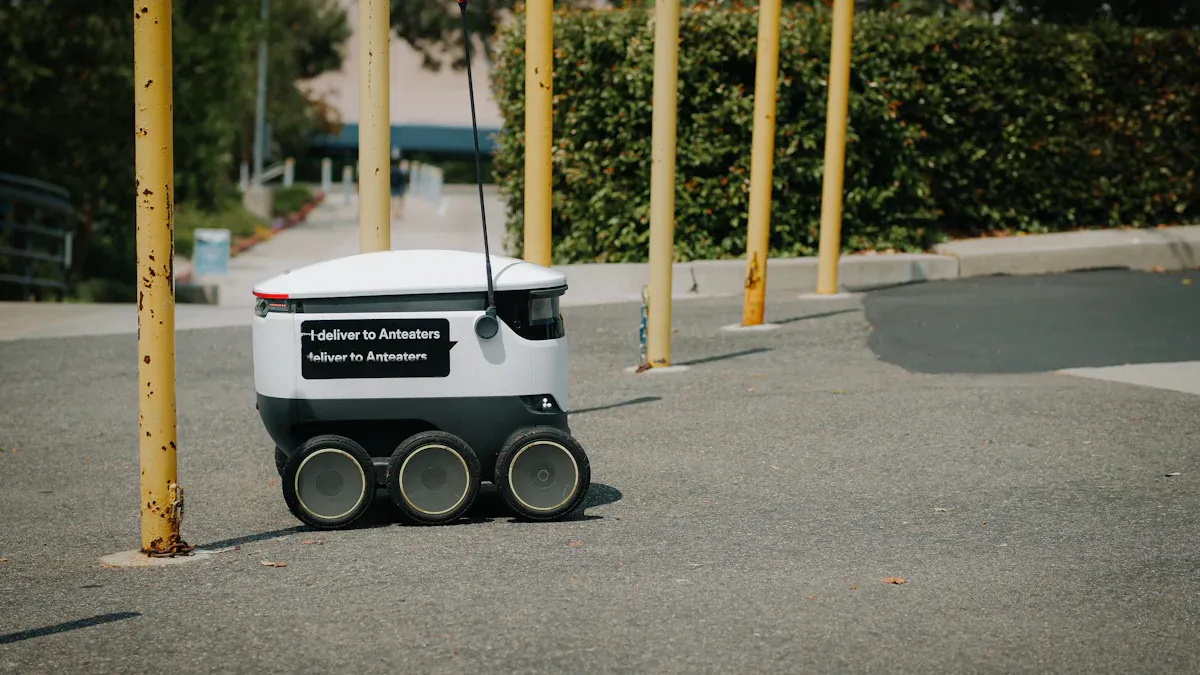
Automation changes how you handle outbound logistics in agriculture. You see faster delivery and better product quality.
- Autonomous tractors run day and night, cutting labor costs by 40%.
- Robotic harvesters pick fruit with 95% accuracy every 1.5 seconds.
- Automated machines process large fields quickly and raise yields.
You can work with a supplier of automated storage and outbound solutions for soybean meal to boost reliability and meet demand.
Key Takeaways
- Automation in agriculture boosts efficiency. Machines work around the clock, speeding up delivery and reducing labor costs.
- AI and IoT technologies enhance decision-making. Use data to predict demand and track shipments in real time, ensuring fresher products.
- Building partnerships with technology providers is crucial. Collaborate to access the best automation solutions and improve your logistics.
Outbound Logistics in Agriculture
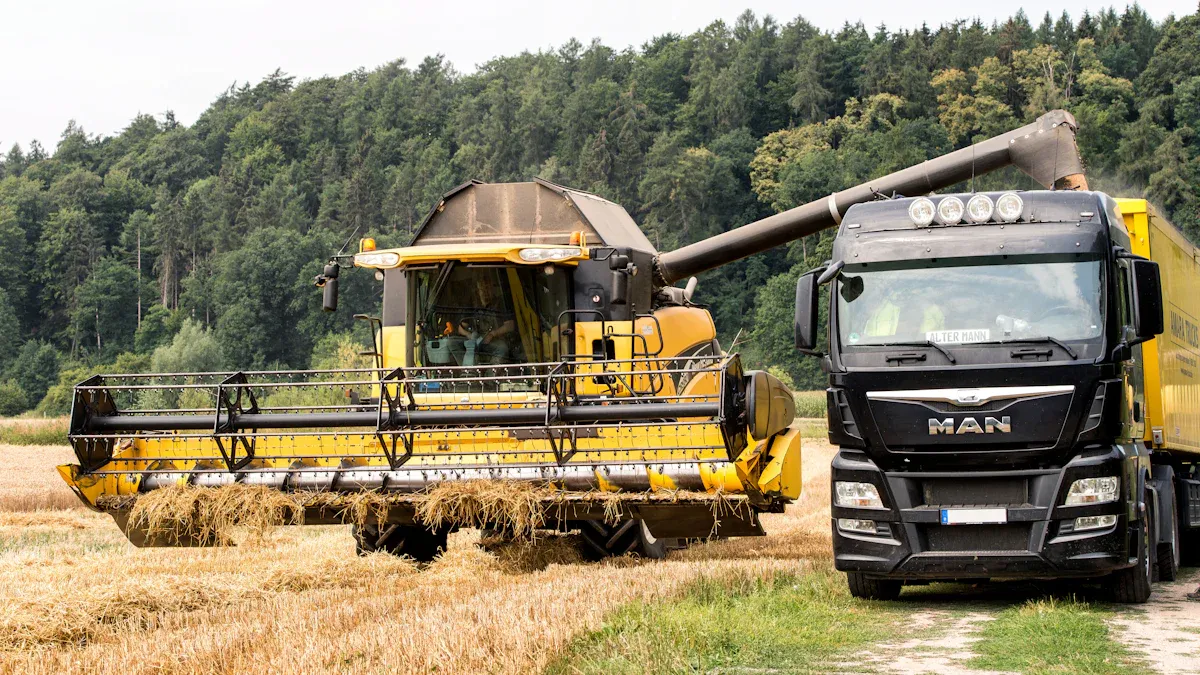
Defining Outbound Logistics
You play a key role in moving agricultural products from farms to customers. Outbound logistics covers every step after harvest. You need to store, manage, and deliver goods efficiently. Each process helps you keep products fresh and customers happy. The table below shows the main components and processes you handle in outbound logistics:
| Component/Process | Description |
|---|---|
| Warehouse and Storage | Store goods securely and organize them for outgoing shipments. |
| Inventory Management | Maintain product quality and ensure accurate order fulfillment. |
| Transportation | Choose shipping methods based on product type, like refrigerated trucks. |
| Delivery | Make sure items arrive on time and in the right quantity. |
| Distribution Channels | Reach customers through direct or indirect sales. |
| Last-mile Delivery | Complete the final and often most complex step to the customer’s location. |
| Delivery Optimization | Improve speed and visibility to meet customer expectations. |
Challenges Unique to Agricultural Products
You face special challenges when shipping agricultural goods. These products often do not match international standards. You must also deal with different rules and regulations in each country. Many times, you cannot sell products directly on cross-border e-commerce platforms.
- 🌱 Lack of alignment with global production standards
- 🌍 Different rules for each country’s e-commerce platforms
- 🚫 Limited access to direct online sales for many products
You must find ways to overcome these barriers to succeed in global markets.
Why Automation Is Essential in 2026
Meeting Rising Demand and Complexity
You face more demand for agricultural products every year. Supply chains grow more complex as you try to reach new markets and meet customer needs. Automation helps you keep up with these changes. AI-powered tools can predict supply and demand, so you can plan better. Automated scheduling reduces food waste and gets fresh produce to stores faster.
- AI models analyze data for real-time distribution
- Automation improves efficiency and reduces delays
- You deliver fresher products to customers
Addressing Labor Shortages and Cost Pressures
You see fewer workers in the fields and higher costs for supplies. The average age of farmers rises, and younger workers do not replace them fast enough. In some countries, labor shortages leave crops unharvested. Costs for fertilizers and chemicals have surged by up to 250%. Automation steps in to fill these gaps.
- Machines work when people cannot
- Automated systems lower labor costs
- You avoid losing crops due to worker shortages
Responding to Sustainability and Regulatory Needs
You must follow new rules for sustainability and transparency. Governments want you to reduce emissions and manage resources better. Automation software helps you track your operations and stay compliant. Digital tools like blockchain make your supply chain more transparent and ethical.
- Automation ensures compliance with environmental laws
- You reduce waste and use resources wisely
- Digital records help you meet reporting requirements
Automation gives you the tools to handle these challenges and succeed in a changing world.
Key Automation Trends in Outbound Logistics
AI-Driven Supply Chain Optimization
You can use AI to make your supply chain smarter. AI tools help you plan shipments, manage inventory, and predict what your customers need. These systems look at data from many sources and give you clear recommendations. You can react faster to changes in demand or supply. For example, you can work with a supplier of automated storage and outbound solutions for soybean meal to use AI for better order planning. This helps you avoid delays and reduce waste.
Tip: AI-driven tools support data-driven decision making. You can improve logistics and make your supply chain more sustainable.
Here is a table showing the most important automation trends in outbound logistics:
| Automation Trend | Description |
|---|---|
| Human-in-the-loop Automation | Machines handle repetitive tasks while you make key decisions, which boosts efficiency. |
| Task-specific Automation | You use focused automation for certain jobs, which increases productivity and lowers costs. |
| Modular Robotics | Flexible robots adapt to many tasks, not just one, making your operations more versatile. |
| Data-driven Decision Making | Technology gives you clear recommendations, which improves logistics and supports sustainability. |
Modular Robotics for Flexible Solutions
You can use modular robotics to handle many different tasks in your warehouse or packing area. These robots change their tools or functions based on what you need. You do not have to buy a new robot for every job. This saves you money and lets you respond quickly to new challenges. If you ship soybean meal, you can ask your supplier of automated storage and outbound solutions for soybean meal about modular robots that load, sort, or pack products. You get more flexibility and can scale your operations as your business grows.
IoT Integration for Real-Time Shipment Tracking
You can track your products from the farm to the customer with IoT devices. These smart sensors send real-time data about your shipments. You know where your goods are and what condition they are in at all times. This helps you reduce spoilage and keep food safe.
- IoT devices let you see the location and status of your products.
- You get alerts if something goes wrong, like a temperature spike.
- You can make better decisions because you have real-time data.
- You improve efficiency and can plan your supply chain better.
- IoT supports sustainability by helping you use resources wisely.
Predictive Analytics for Demand and Routing
You can use predictive analytics to forecast demand and plan the best routes for your shipments. These tools look at both your own data and outside factors, like weather or market trends. For example, Church Brothers Farms improved their short-term forecasting accuracy by over 40% with AI-driven demand forecasting. You can also optimize order fulfillment and manage inventory more effectively. Predictive analytics help you spot trends early and make smarter decisions about where and when to ship your products.
- You can avoid running out of stock or having too much inventory.
- You save money by choosing the best routes and delivery times.
- You respond faster to changes in the market.
Autonomous Vehicles and Drones
You can use autonomous vehicles and drones to move products quickly and safely. Drones help you monitor crop health and even distribute seeds or fertilizers. Autonomous trucks or tractors can deliver goods without a driver. This technology reduces your need for labor and speeds up delivery. If you work with a supplier of automated storage and outbound solutions for soybean meal, you can add autonomous vehicles to your outbound logistics. This keeps your supply chain running smoothly, even when workers are hard to find.
Note: Drones and autonomous vehicles help you reach remote areas and deliver products faster.
Supplier of Automated Storage and Outbound Solutions for Soybean Meal
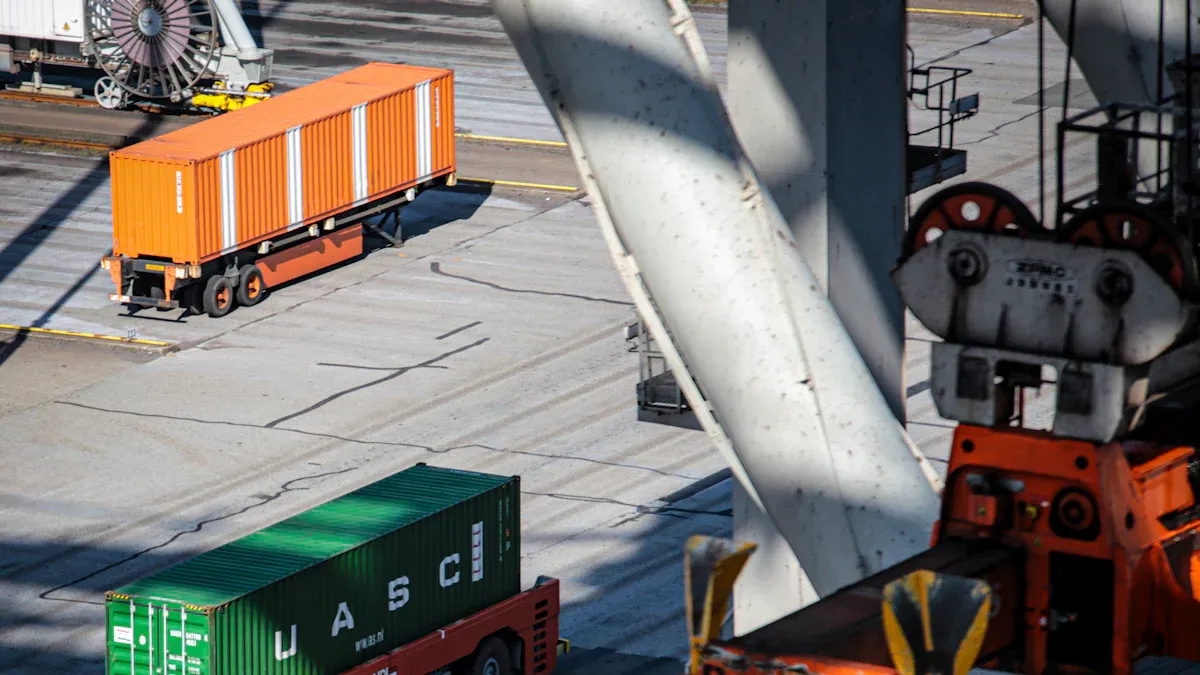
Automation in Soybean Meal Logistics
You need reliable systems to move soybean meal from storage to shipment. Automation helps you keep products safe and fresh. You can use smart silos that assign batches automatically. These silos protect quality and reduce mistakes. You see faster loading and unloading with mobile pneumatic ship unloaders. These machines use high-speed suction to handle cargo quickly and cleanly.
You can connect your storage to the port with integrated conveyor systems. These conveyors move soybean meal without exposing it to dust or moisture. You avoid product loss and keep your shipments on schedule. IoT cargo tracking lets you watch every step in real time. You know where your soybean meal is and how it moves. This helps you plan better and respond to problems before they grow.
A supplier of automated storage and outbound solutions for soybean meal gives you tools to manage your logistics. You get automated systems that work nonstop. You save time and lower costs. You also meet strict quality standards for export markets.
Tip: Automated dust-control and de-aeration systems help you keep your facility clean and your product safe. You protect workers and meet environmental rules.
Technology Providers and Innovations
You see many technology providers leading the way in automated soybean meal logistics. These companies offer advanced solutions that make your operations smoother. You can choose from a range of equipment and systems. The table below shows some of the most important technologies you can use:
| Technology Type | Description |
|---|---|
| Mobile Pneumatic Ship Unloaders | High-speed suction systems for clean, fast cargo handling. |
| Continuous Ship Unloaders (CSU) | Automated, nonstop ship-to-silo unloading. |
| Integrated Conveyor Systems | Enclosed conveyors connecting port to mills, reducing dust. |
| Dust-Control and De-aeration Systems | Protects product quality and ensures cleaner operations. |
| IoT Cargo Tracking & SCADA Automation | Real-time monitoring and smart flow optimization. |
| Smart Silo Management Systems | Automated silo assignment for quality control. |
| Mobile Harbour Cranes with Specialized Grabs | Flexible, efficient option for mid-sized ports. |
You can work with a supplier of automated storage and outbound solutions for soybean meal to set up these systems. You get mobile harbour cranes with specialized grabs for flexible loading at mid-sized ports. You use continuous ship unloaders to move cargo nonstop from ship to silo. Smart silo management systems help you track batches and keep quality high.
IoT cargo tracking and SCADA automation give you real-time data. You see how much product you have and where it goes. You make decisions faster and avoid delays. Dust-control systems keep your facility clean and protect your soybean meal from contamination.
You can ask your supplier of automated storage and outbound solutions for soybean meal about new innovations. Many providers now offer integrated solutions that combine several technologies. You get a complete system that fits your needs and helps you grow your business.
Note: Choosing the right technology provider helps you stay ahead in the market. You improve efficiency, reduce waste, and deliver better products to your customers.
Real-World Examples of Automation
AI in Crop Distribution
You can use AI to improve how you distribute crops. AI systems analyze data from weather, soil, and market trends. These tools help you decide where to send your products for the best results. You see fewer mistakes and faster deliveries. AI also helps you predict demand, so you avoid sending too much or too little to each location. This technology makes your supply chain smarter and more reliable.
Tip: AI can help you spot problems early and adjust your plans before they affect your business.
Robotics in Packing Facilities
You see robots working in packing facilities to make outbound logistics faster and more efficient.
- Robots automate loading and unloading, which saves you time and effort.
- Sorting robots organize grain and other products quickly.
- Automated systems monitor and adjust operations in real time, so you get better performance.
- Palletizing systems prepare containers for transport with little human input, which streamlines your shipping process.
These robots help you move products safely and keep your packing lines running smoothly.
IoT for Cold Chain Monitoring
You can use IoT technology to track fresh products during transportation. IoT devices collect data about temperature and humidity at every step. This information helps you keep food safe and fresh. Researchers have developed IoT frameworks that connect all parts of the cold chain. You spend less time on manual checks and see fewer mistakes. IoT makes your logistics more efficient and helps your business grow in international markets.
IoT gives you real-time updates, so you can respond quickly if something goes wrong.
Benefits of Automation in Outbound Logistics
Efficiency and Speed Gains
You see faster and more reliable deliveries when you use automation in outbound logistics. Machines and smart software help you sort, pack, and ship products quickly. Automated systems work around the clock, so you do not worry about delays. You can track shipments in real time and respond to problems before they grow. AI helps you plan the best routes, which means your products reach customers faster and stay fresh longer.
Tip: Automation lets you handle more orders with less effort, so you can grow your business without adding extra work.
Cost Savings and Resource Optimization
You save money and use resources wisely when you automate your logistics. Here are some ways automation helps you cut costs and boost productivity:
- Route optimization software lowers fuel costs and shortens delivery times.
- Warehouse automation streamlines sorting, storage, and dispatch, reducing labor costs.
- AI supports smart farming, which minimizes waste and helps you use resources better.
- Robots powered by AI improve job efficiency and raise the quality of your products.
You spend less on fuel and labor, and you get more done with the same resources.
Sustainability and Traceability Improvements
You help the environment and build trust with your customers when you use automation. Traceability systems track your products from farm to table, so you can find and fix problems quickly. Blockchain technology creates records that cannot be changed, making your supply chain transparent and accountable. Many companies now use electric and hybrid vehicles for delivery, which lowers carbon emissions. Organizations report carbon footprint reductions of up to 35% by using sustainable transportation methods. You show your customers that you care about the planet and their safety.
Automation supports your goals for sustainability and traceability, helping you meet new standards and earn customer loyalty.
Challenges and Barriers to Adoption
Integration with Existing Systems
You may find it hard to connect new automation tools with your current logistics systems. Many farms and warehouses use older equipment. These systems often lack the sensors and control algorithms needed for modern automation. You need safety features to keep workers safe when robots operate nearby. User-friendly interfaces help your team work with new machines and reduce resistance to change.
- You must handle different object shapes and weights.
- Safety mechanisms protect workers from hazards.
- Easy-to-use controls support teamwork between people and robots.
Upfront Investment and ROI
You face high initial costs when you invest in automation. Buying new machines and software can strain your budget. Many farms have limited access to advanced technology. You may worry about how long it will take to see a return on your investment. Standardized order preparation can make logistics more efficient, but it often requires special packaging for each product and customer. This adds complexity and cost.
- Inefficient transport practices can slow down your progress.
- High upfront costs make it hard to start.
- Limited access to technology can hold you back.
Tip: Careful planning and choosing the right partners can help you manage costs and improve your return on investment.
Skills Gap and Workforce Training
You need new skills to succeed with automation. The skills needed in agriculture are changing fast. You must hire people with both technical and soft skills. A digital workforce strategy helps your team use new tools and stay productive.
- Assess your team’s current and future skill needs.
- Train workers to use digital tools and best practices.
- Focus on building a team that can adapt to new technology.
Bridging the skills gap helps you boost productivity and stay competitive in a changing world.
Actionable Steps for Stakeholders
Assessing Readiness and Needs
You should start by looking at your current logistics process. Identify where you face delays or waste. Check if your team uses digital tools or still relies on manual work. Make a list of the main challenges you want to solve with automation. Set clear goals, such as faster delivery or better product tracking. This helps you choose the right technology for your needs.
Building Partnerships with Technology Providers
You can achieve more by working with technology providers. Strong partnerships help you get the best solutions for your business. Use the table below to see key strategies for building these partnerships:
| Strategy | Description |
|---|---|
| IoT Implementation | Use IoT to automate tasks and improve coordination in logistics. |
| Information Sharing | Share data with partners to manage resources and plan better. |
| Mutual Understanding | Build trust with your partners for smooth data exchange and teamwork. |
| Third-party Logistics (3PLs) | Work with 3PLs to boost efficiency and lower costs in your supply chain. |
Training and Upskilling Teams
You need a skilled team to succeed with automation. Focus on both leadership and technical skills.
- Teach warehouse supervisors about modern warehousing and inventory control.
- Show your team how to use digital tools like Warehouse Management Systems.
- Practice leadership skills such as motivating others and solving conflicts.
- Use case studies and simulations to help your team solve real problems.
Piloting and Scaling Automation Solutions
Start small with a pilot project. Test new automation tools in one part of your logistics process. Measure the results and learn what works best. When you see success, expand the solution to other areas. This step-by-step approach helps you manage risks and build confidence in your team.
- You see automation reshape outbound logistics in agriculture.
- New technologies help you stay competitive in a fast-changing market.
- Proactive adaptation gives you long-term success.
Embrace automation now. You build a stronger supply chain and prepare for future challenges.
FAQ
What is outbound logistics in agriculture?
You move products from the farm to the customer. Outbound logistics includes storage, transportation, and delivery. You make sure food arrives fresh and on time.
How does automation help with labor shortages?
You use machines to do repetitive tasks. Automation lets you work faster with fewer people. You keep your business running even when workers are hard to find.
Can automation improve food safety?
Yes! Automation tracks temperature and humidity. You spot problems early. You protect food quality and keep your customers safe.
See Also
Evaluating Custom Cargo Lifts: Benefits and Drawbacks for Businesses
Enhancing Pharmaceutical Efficiency with Advanced Capsule Decapsulation Machines
Innovative Features of Folder Gluers for 2025 Carton Production
Essential Industrial Checkweighers for Every Food Processing Facility
Important Changes in Freight Classification for Bearing Boxes