Understanding the Operation of Sterile Filter Devices
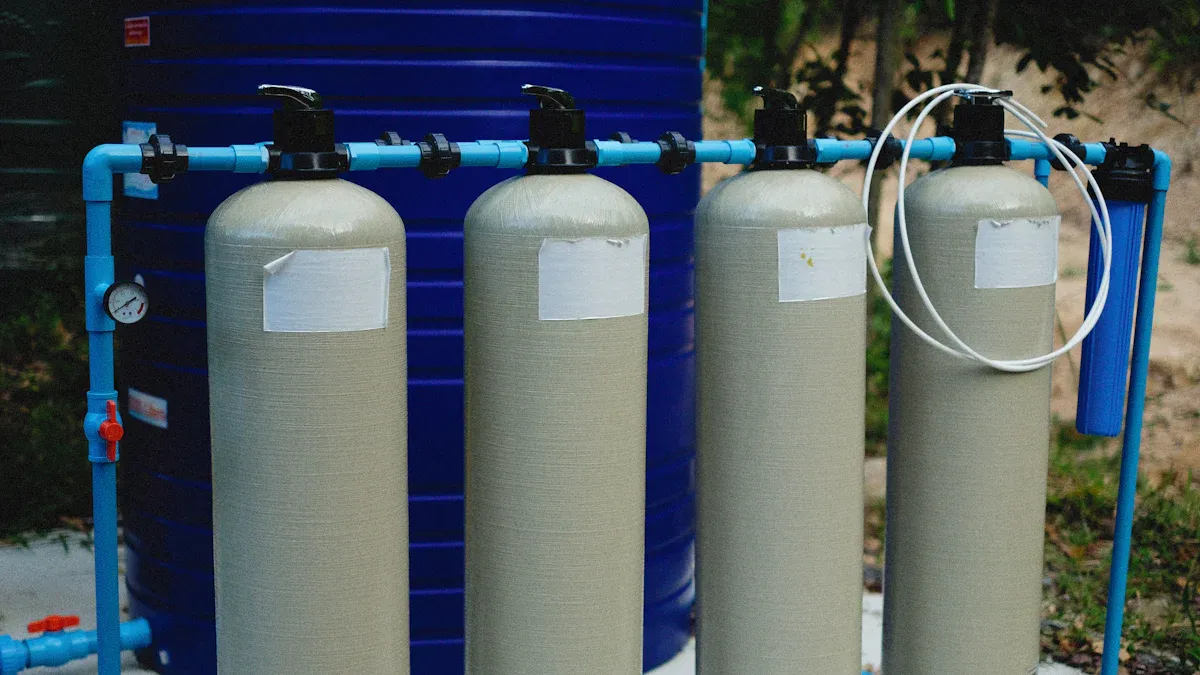
You rely on a sterile filter device to ensure fluids stay free from harmful microorganisms and particles. This device uses a membrane with precise pore sizes that trap contaminants as the liquid passes through. When you use a sterile filter device, you help protect sensitive processes and products from contamination.
Tip: Always choose a membrane with the right pore size for your application to achieve reliable sterility.
Key Takeaways
- Sterile filter devices remove harmful microorganisms by trapping them in tiny membrane pores, keeping fluids safe and pure.
- Choosing the right pore size and membrane material is crucial to ensure effective filtration and protect your product.
- Different filter types fit different needs: membrane filters for labs, syringe filters for small samples, and capsule or cartridge filters for large volumes.
- Follow proper setup and aseptic techniques to avoid contamination and maintain sterility throughout the filtration process.
- Sterile filtration offers fast, gentle sterilization that preserves sensitive products but requires careful monitoring to prevent clogging and ensure filter integrity.
Sterile Filter Device: Definition and Principle
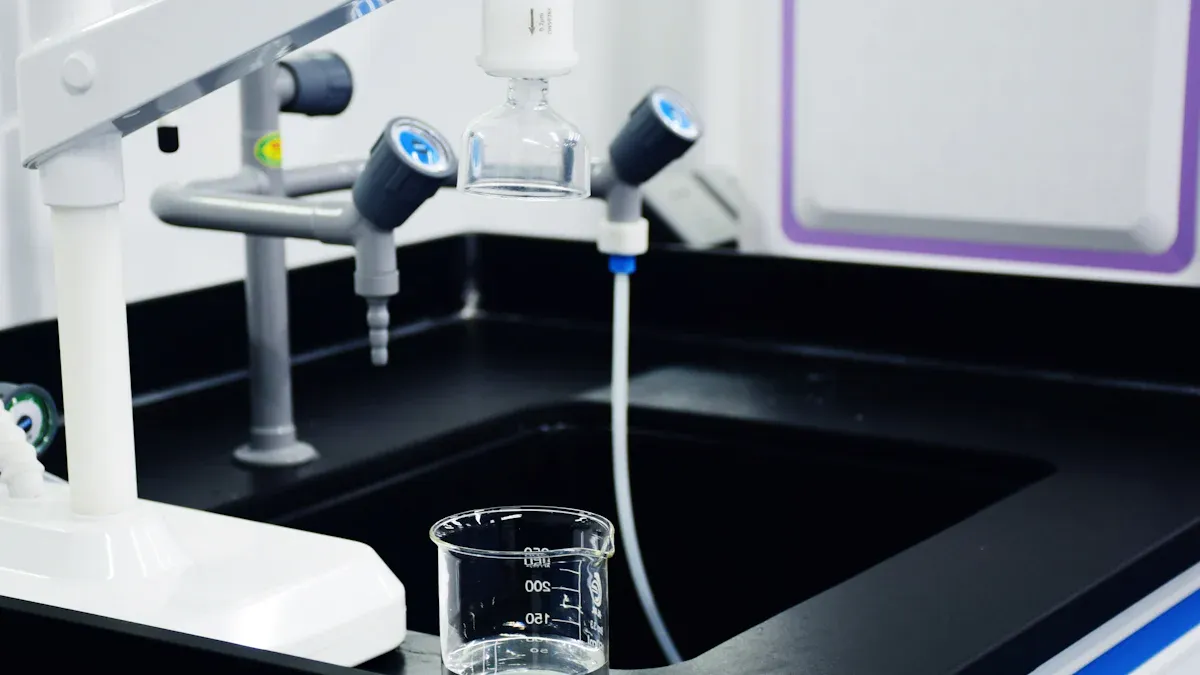
What Is a Sterile Filter Device?
You use a sterile filter device to remove unwanted microorganisms and particles from liquids. This device acts as a physical barrier between contaminants and your final product. In many industries, such as pharmaceuticals, biotechnology, and food processing, you rely on sterile filter devices to maintain product safety and quality.
A sterile filter device contains a membrane with tiny, uniform pores. When you pass a fluid through the device, the membrane traps bacteria, fungi, and other particles. Only the filtered, sterile liquid moves through to the other side. You often choose this method because it does not use chemicals or heat, which can damage sensitive products.
Note: You should always select a sterile filter device that matches your application’s requirements. The wrong pore size or material can compromise sterility.
How Size Exclusion Works
Size exclusion is the main principle behind how a sterile filter device operates. The membrane inside the device has pores measured in micrometers (µm), usually 0.2 µm or smaller. These pores are small enough to block bacteria and most microorganisms, but they allow water, nutrients, and other small molecules to pass through.
You can think of the membrane like a very fine sieve. Here’s how the process works:
- You pour or push the liquid into the sterile filter device.
- The liquid flows toward the membrane.
- Particles larger than the pore size, such as bacteria, get trapped on the membrane’s surface.
- Only the filtered, sterile fluid passes through to the collection side.
| Particle Type | Typical Size (µm) | Trapped by 0.2 µm Filter? |
|---|---|---|
| Bacteria | 0.2 – 10 | Yes |
| Fungi/Yeast | 1 – 40 | Yes |
| Viruses | 0.02 – 0.3 | Partially |
| Proteins/Nutrients | <0.01 | No |
Tip: Always check the pore size rating before you use a sterile filter device. This ensures you achieve the level of sterility your process demands.
You depend on size exclusion to guarantee that only sterile fluid reaches your final product. This method gives you confidence in the safety and purity of your results.
Types of Sterile Filter Devices
When you select a sterile filter device, you need to understand the different types available. Each type serves a specific purpose and fits unique applications in your workflow.
Membrane Sterile Filter Device
You often use membrane sterile filter devices in laboratory and industrial settings. These devices contain a thin, flat membrane made from materials like polyethersulfone (PES), cellulose acetate, or nylon. The membrane acts as the main barrier, trapping microorganisms and particles as fluid passes through.
- Common Applications:
- Clarifying cell culture media
- Sterilizing buffers and reagents
- Filtering small sample volumes
You can choose from various pore sizes, but 0.2 µm is the standard for sterilization. The flat membrane design allows for high flow rates and consistent performance.
Note: Always check the chemical compatibility of the membrane with your fluid before use.
Syringe Sterile Filter Device
You use syringe sterile filter devices for quick, small-volume filtration. These devices attach directly to a syringe. You draw the liquid into the syringe, then push it through the filter into a sterile container.
- Advantages:
- Simple operation
- Minimal sample loss
- Disposable and single-use
Syringe filters work well for preparing samples for HPLC, removing particulates, or sterilizing small volumes in research labs.
Capsule and Cartridge Sterile Filter Device
For larger-scale operations, you rely on capsule and cartridge sterile filter devices. Capsules are self-contained units, while cartridges fit into reusable housings. Both types handle higher volumes and pressures.
| Feature | Capsule Filter | Cartridge Filter |
|---|---|---|
| Volume Range | Medium | Large |
| Reusability | Single-use | Reusable |
| Typical Use | Pilot scale | Production |
You often see these devices in pharmaceutical manufacturing, beverage processing, and water purification. They provide robust filtration for demanding environments.
Tip: Match the filter size and housing to your process requirements for optimal performance.
Sterile Filter Device Operation Steps
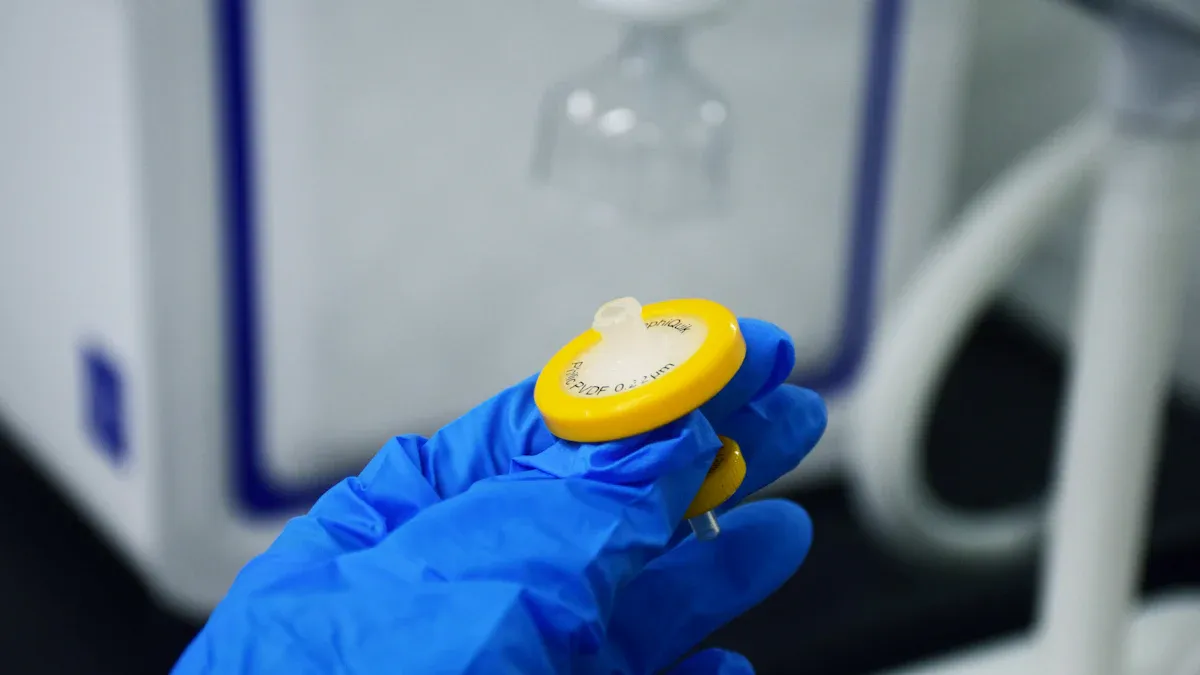
Preparation and Setup
You begin by preparing your workspace and gathering all necessary materials. You check that your sterile filter device is intact and that the packaging is undamaged. You select the correct pore size and membrane material for your application. You wear gloves and clean your hands to prevent contamination.
Follow these steps to set up your filtration:
- Inspect the sterile filter device for any visible defects.
- Confirm the expiration date and integrity of the sterile packaging.
- Open the packaging in a clean environment, such as a laminar flow hood.
- Assemble the device according to the manufacturer’s instructions.
- Attach the filter to the appropriate container, syringe, or system.
Tip: Always use aseptic techniques during setup. This reduces the risk of introducing contaminants.
You ensure that all connections are secure. You avoid touching the membrane or any part that will contact the filtered fluid.
Filtration Process
You proceed with the filtration once the device is ready. You transfer the liquid into the system, making sure not to exceed the recommended pressure or flow rate. You monitor the process to maintain consistent filtration.
Here is a typical filtration workflow:
- Pour or draw the liquid into the input chamber.
- Apply gentle pressure to move the fluid through the membrane.
- Watch for any signs of clogging or slow flow.
- Collect the sterile filtrate in a clean, sterile container.
| Step | Action | Purpose |
|---|---|---|
| Loading | Add liquid to input chamber | Prepare for filtration |
| Applying Pressure | Push or pump fluid | Move fluid through membrane |
| Monitoring | Observe flow and pressure | Detect issues early |
| Collecting Output | Gather filtrate | Ensure sterility |
Note: If you notice a sudden drop in flow rate, you may need to replace the filter. Clogging can compromise filtration efficiency.
You avoid overfilling the device. You keep the filtration process steady to prevent damage to the membrane.
Post-Filtration Handling
You handle the filtered product with care to maintain sterility. You immediately seal the container holding the sterile filtrate. You label the container with relevant information, such as date, batch number, and contents.
You dispose of the used sterile filter device according to safety guidelines. You clean the workspace and record the filtration details in your logbook.
Best practices for post-filtration handling include:
- Seal and store the filtrate in a sterile environment.
- Dispose of single-use filters in biohazard waste.
- Clean reusable housings if applicable.
- Document the filtration process for traceability.
Alert: Never reuse single-use sterile filter devices. Reusing can lead to contamination and unreliable results.
You review the entire process to confirm that you followed all steps correctly. You maintain a sterile workflow from start to finish.
Advantages and Limitations of Sterile Filter Device
Benefits of Sterile Filtration
You gain several important benefits when you use sterile filtration in your workflow. This method helps you protect your products and processes from contamination. You avoid the risks that come with heat sterilization, such as damaging sensitive proteins or chemicals. Sterile filtration works quickly and does not require long waiting periods.
Here are some key advantages:
- Preserves Product Integrity: You maintain the quality of heat-sensitive solutions, including vaccines and cell culture media.
- Immediate Sterility: You achieve sterility as soon as the liquid passes through the filter.
- Simple Operation: You do not need complex equipment or extensive training.
- Scalability: You can use sterile filtration for small laboratory samples or large industrial batches.
- Cost-Effective: You reduce costs by avoiding expensive sterilization equipment and energy use.
Tip: You can improve your workflow by choosing the right filter type and pore size for each application.
The table below highlights how sterile filtration compares to other sterilization methods:
| Method | Speed | Product Safety | Equipment Needed |
|---|---|---|---|
| Sterile Filtration | Fast | High | Minimal |
| Heat Sterilization | Slow | Low | Extensive |
| Chemical Sterilization | Moderate | Moderate | Moderate |
Challenges and Limitations
You must consider some challenges when you rely on sterile filtration. Not every microorganism can be removed by size exclusion. Some viruses and small particles may pass through the membrane. You need to monitor the filtration process to avoid clogging, which can slow down your workflow.
Common limitations include:
- Incomplete Removal: You may not capture all viruses or endotoxins.
- Membrane Compatibility: You must check that the filter material matches your liquid’s chemical properties.
- Risk of Clogging: You can experience reduced flow rates if your sample contains high levels of particulates.
- Single-Use Restrictions: You cannot reuse most sterile filters, which increases waste.
- Pressure Limits: You must avoid exceeding recommended pressure to prevent membrane damage.
Alert: Always inspect the filter before use. Damaged membranes can compromise sterility and product safety.
You should weigh these limitations against the benefits. You can often address challenges by selecting the correct filter and following best practices for operation and maintenance.
You achieve sterility by using physical filtration, which blocks contaminants and ensures product safety. Correct operation gives you reliable results and protects your workflow.
Always follow manufacturer guidelines and inspect your equipment before each use.
Tips for best results:
- Choose the right pore size for your application.
- Maintain a clean workspace and use aseptic techniques.
- Monitor filtration for signs of clogging or damage.
FAQ
How often should you replace a sterile filter device?
You should replace a sterile filter device after each use. Single-use filters cannot provide reliable sterility if reused. For reusable systems, follow the manufacturer’s cleaning and replacement guidelines to maintain performance.
Can you sterilize a filter device in an autoclave?
You cannot autoclave most single-use sterile filter devices. The heat may damage the membrane. For reusable filters, check the manufacturer’s instructions. Only autoclave filters labeled as autoclavable.
What pore size do you need for sterilizing liquids?
You should use a 0.2 µm pore size for most sterilization tasks. This size blocks bacteria and fungi. For virus removal, consider specialized filters with smaller pores.
Tip: Always verify the pore size with your application’s requirements.
Why does the filter clog during use?
High particle loads or viscous fluids can clog the membrane. You can pre-filter your sample to reduce clogging. Monitor flow rates and replace the filter if you notice a significant drop.