Step-by-Step Guide for Apartment Sewage Treatment Plant Installation and Upkeep
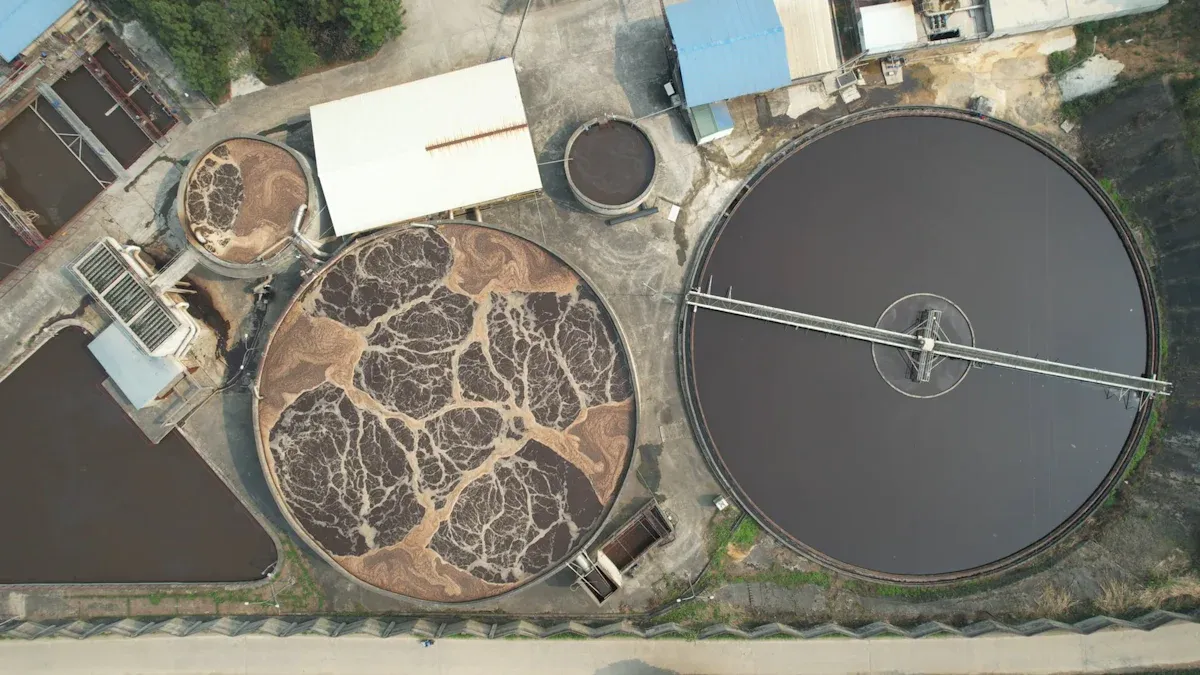
You need a sewage treatment plant for apartments to protect water bodies, follow laws, and keep everyone healthy.
Immediate actions include checking wastewater needs, hiring skilled teams, and starting regular maintenance.
| Consideration Type | Description |
|---|---|
| Legal Compliance | Meet all rules to avoid fines. |
| Health and Safety | Remove harmful germs from sewage. |
Key Takeaways
- Installing a sewage treatment plant protects water bodies and ensures compliance with local laws, promoting community health.
- Regular maintenance and inspections are crucial for the longevity of the sewage treatment system, helping to prevent costly repairs.
- Choosing the right technology and design for your sewage treatment plant can enhance efficiency and water quality, benefiting both the environment and your budget.
Understanding Sewage Treatment Plant for Apartments
What Is a Sewage Treatment Plant?
A sewage treatment plant for apartments is a system that cleans wastewater from homes before releasing it into the environment. You use this plant to remove harmful substances and protect water sources. The plant treats water from toilets, sinks, and showers. You help keep your community healthy by making sure wastewater gets cleaned properly.
How STPs Work in Apartment Complexes
You can find several important parts in a sewage treatment plant for apartments. Each part has a special job:
- Preliminary treatment removes large debris like plastic bottles and tree branches.
- Primary treatment settles solids in a tank, taking out about 60% of them.
- Secondary treatment uses air and bacteria to clean water, reaching up to 90% purification.
- Tertiary treatment disinfects water and reduces harmful chemicals.
These steps make sure the water leaving your apartment complex is safe for the environment.
Benefits of Installing an STP
You gain many advantages when you install a sewage treatment plant for apartments. The plant protects nature and saves money. Here is a table showing some key benefits:
| Type | Benefits |
|---|---|
| Environmental | Prevents untreated sewage from contaminating natural water bodies. |
| Helps recharge groundwater when treated water is reused in landscaping. | |
| Supports sustainable urban development. | |
| Financial | Cuts down fresh water consumption by recycling sewage water. |
| Reduces tanker water dependency. | |
| Avoids hefty fines for non-compliance with PCB guidelines. |
You help your apartment complex stay safe, save resources, and follow important rules.
Planning Sewage Treatment Plant Installation
Assessing Apartment Wastewater Needs
You start by figuring out how much wastewater your apartment complex produces. You look at the number of units, how many people live there, and how much water everyone uses. You also check the types of fixtures in each apartment. You need larger tanks for more units and regular maintenance to keep the system working well. You ask professionals to design the system and follow local regulations. You also test the soil and groundwater and study the space available. Here is a table showing what you should consider:
| Factor | Description |
|---|---|
| Larger Tanks | Handle increased wastewater volume from multiple units. |
| Regular Maintenance | Essential for system longevity and performance. |
| Professional Design | Necessary for proper functioning of the system. |
| Local Regulations | May impact system requirements and permitting processes. |
| Capacity Considerations | Includes number of units, occupants, water usage patterns, and fixtures. |
| Site Evaluation | Involves soil testing, groundwater assessment, and space evaluation. |
| System Layout | Must consider property characteristics and usage patterns. |
| Regulatory Compliance | Must adhere to local, state, and federal regulations for multi-unit systems. |
Selecting the Right STP Technology
You choose the best technology for your apartment’s needs. Moving Bed Biofilm Reactor (MBBR) works well for medium-sized complexes. Sequencing Batch Reactor (SBR) fits large buildings with changing wastewater amounts. Membrane Bioreactor (MBR) gives high-purity water for reuse. Conventional Activated Sludge Process (ASP) suits older buildings. Electrocoagulation (EC) offers a low-chemical option. You compare these options to find the right fit.
Regulatory Compliance and Approvals
You must follow rules set by national and local authorities. The Central Pollution Control Board (CPCB) gives standards for wastewater treatment. State Pollution Control Boards (SPCBs) add local rules. The Water Act of 1974 stops untreated sewage from entering water bodies. You get all needed permits before installing your sewage treatment plant for apartments.
Budgeting and Cost Factors
You plan your budget by looking at equipment costs, installation fees, and ongoing maintenance. You include costs for professional design, permits, and regular checks. You also set aside money for upgrades and emergency repairs. Careful budgeting helps you avoid surprises and keeps your system running smoothly.
Sewage Treatment Plant Installation Steps
Site Selection and Preparation
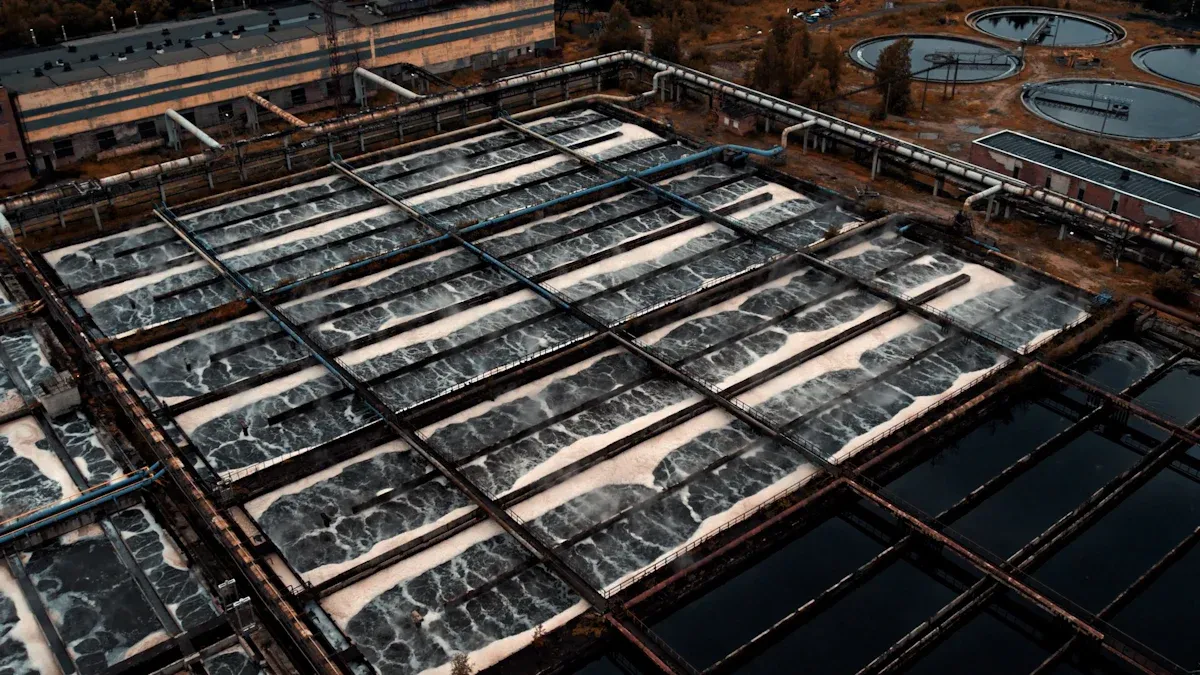
You need to choose the best spot for your sewage treatment plant for apartments. The right site helps your system work well and keeps costs low. You look at land-use rules, the shape of the land, and the environment around your building. You check if the soil is stable and if the ground is flat. You also make sure the site does not harm nearby water bodies or plants. Here is a table that shows what you should consider when picking a site:
| Criteria | Description |
|---|---|
| Land-use regulations | Local zoning ordinances dictate permitted land uses, building heights, and densities. |
| Site attributes | Rugged topography, unstable soils, and shallow bedrock can deter development and increase costs. |
| Environmental considerations | Sites must be evaluated for their suitability for intended land uses, considering potential impacts. |
You clear the area of debris and make sure trucks and workers can reach the site easily. You set up safety barriers to protect people during construction.
Tip: Always check with local authorities before you start preparing the site. This helps you avoid problems later.
Hiring Qualified Professionals
You need skilled experts to install your sewage treatment plant. You look for people with the right licenses and experience. You ask for proof that they finished special training and passed exams. Some jobs need advanced skills, especially if your system handles a lot of wastewater. Here is a table that shows the types of licenses and what each one means:
| License Type | Requirements |
|---|---|
| Basic Installer License | Completion of Basic Installers Licensing Class and passing the exam. |
| Advanced Level I Installer | Completion of Advanced Level I Class and passing the exam, plus two years of experience. |
| Advanced Level II Installer | Must install systems generating over 1800 gallons of sewage daily, requires Advanced Level I. |
You ask for references and check past projects. You make sure your team knows how to follow safety rules and local laws.
Installation Timeline and Milestones
You plan each step of the installation. You set clear goals and dates for every part of the project. You start with site preparation, then move to building tanks and laying pipes. You install pumps and control panels next. You finish by connecting the system to your apartment’s plumbing. Here is a simple list of milestones:
- Site clearing and grading
- Foundation and tank construction
- Pipe and equipment installation
- Electrical and control system setup
- Final connections and inspections
You track progress and solve problems quickly. You keep everyone informed about changes in the schedule.
Note: Delays can happen if you do not get permits on time or if the weather is bad. Always plan for extra time.
Initial Testing and Commissioning
You test the system before you use it every day. You check if pumps, tanks, and filters work as they should. You run water through the system and look for leaks or blockages. You measure how clean the treated water is. You fix any problems right away. You write down all test results and share them with local officials.
You train your staff to use the system safely. You set up a schedule for regular checks and cleaning. You make sure your sewage treatment plant for apartments meets all rules before you start using it.
Reminder: Good testing and training help you avoid costly repairs and keep your system running smoothly.
Maintaining Sewage Treatment Plant for Apartments
Routine Maintenance Tasks
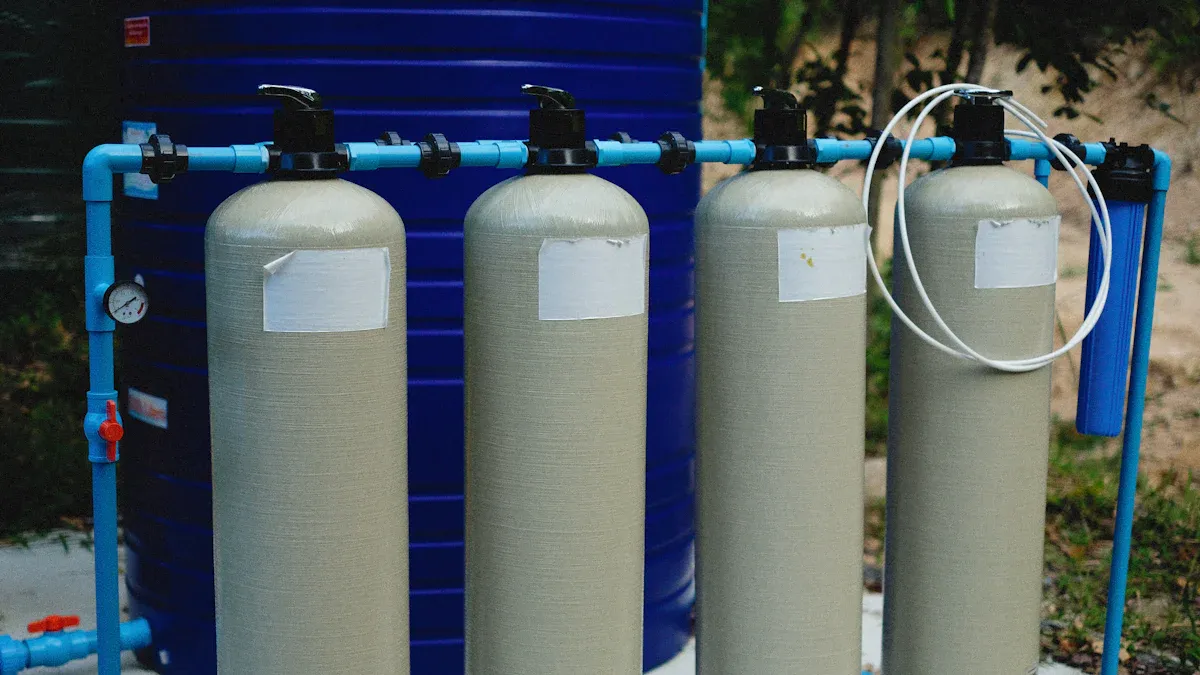
You keep your sewage treatment plant for apartments running smoothly by following a regular maintenance schedule. You check each part of the system often. You look for leaks, blockages, and signs of wear. You clean filters and screens to prevent clogs. You set aside money for repairs and emergencies. You make sure your team follows local rules to avoid fines. You hire professionals who know how to manage water treatment systems. They help you stay compliant and efficient.
Here are some important routine tasks:
- Inspect tanks, pipes, and pumps every week.
- Clean screens and filters to stop debris from building up.
- Test water quality to make sure the system works well.
- Schedule regular servicing to catch small problems early.
- Keep a budget for maintenance and emergency repairs.
- Hire skilled service providers for ongoing operation and checks.
Tip: Regular maintenance helps you avoid expensive repairs and keeps your system safe for everyone.
Monitoring System Performance
You watch your system closely to catch problems before they grow. You listen for strange noises or vibrations from pumps. You measure how much water flows through the system. You check pressure and energy use to spot issues. You clean the pump and the area around it to prevent blockages. You inspect parts like impellers, seals, and bearings. You replace worn parts right away.
| Best Practice | Description |
|---|---|
| Operational Checks | Listen for unusual noises and vibrations to make sure pumps work properly. |
| Flow Rate Measurements | Measure and compare flow rates to spot changes or problems. |
| Performance Monitoring | Track flow rate, pressure, and energy use to find issues early. |
| Regular Cleaning | Clean pumps and nearby areas to prevent blockages. |
| Component Inspection | Check impellers, seals, and bearings for damage and replace them as needed. |
You use sensors and smart technology to monitor water quality and flow rates in real time. You get alerts if something goes wrong. You use data to predict when maintenance is needed. You keep your system working at its best.
Note: Early detection saves you time and money. Smart monitoring helps you fix problems before they affect your building.
Cleaning and Sludge Management
You remove sludge from tanks to keep your system healthy. You schedule cleaning based on how much waste your building produces. You use pumps or trucks to take sludge away. You follow local rules for disposing of sludge safely. You clean tanks and pipes to prevent odors and blockages. You check for buildup and clean as needed.
You keep records of cleaning dates and methods. You make sure your team wears safety gear during cleaning. You train staff to handle waste safely.
- Remove sludge from tanks on a set schedule.
- Clean tanks and pipes to prevent buildup.
- Dispose of sludge according to local regulations.
- Record cleaning activities for future reference.
Reminder: Proper sludge management keeps your system safe and prevents pollution.
Record Keeping and Reporting
You keep detailed records to show your system meets all rules. You track inspections, repairs, and cleaning dates. You store reports about water quality and system performance. You keep copies of permits and design reviews. You record every inspection during installation and operation. You use forms to request extra records if needed.
| Record Type | Purpose |
|---|---|
| Site-suitability assessment | Shows the land is right for sewage treatment. |
| Treatment system design review | Proves the design meets state standards. |
| System installation inspections | Documents checks during key stages of installation. |
| Historic Permit Search | Lets you find old permits and information. |
| Active Permit Search | Tracks current permit status and final documents. |
| Records Request Form | Helps you ask for more records if you need them. |
You report problems and repairs to local authorities. You keep all records organized and easy to find. You use these records to prove compliance and plan future maintenance.
Alert: Good record keeping protects you from fines and helps you manage your system better.
Addressing Common STP Challenges
Odor Control Solutions
You may notice unpleasant smells near your apartment’s sewage treatment plant. These odors can bother residents and visitors. You can use several solutions to control odors and keep the air fresh. The table below shows common odor control methods and how they work:
| Solution Type | Description |
|---|---|
| Mechanical Ventilation | Install exhaust vents at floor level to remove heavier gases and bring in fresh air. |
| Dual Ventilation System | Introduce clean air and extract moist air to prevent stagnant zones. |
| Biological Odour Control Systems | Use bacteria to break down smelly compounds and improve sludge digestion. |
| Activated Carbon Filters | Absorb gases like hydrogen sulfide and ammonia before they escape. |
| Chemical Treatment | Use iron salts or oxidizers to neutralize odors by changing harmful gases into safe compounds. |
| Proper Sludge Management | Regularly remove and dewater sludge to reduce odor emissions. |
Tip: Regular cleaning and proper ventilation help you keep odors under control.
Managing Noise and Visual Impact
You want your apartment complex to look and sound pleasant. Sewage treatment plants can make noise and change the appearance of your property. You can reduce noise by using soundproof covers on pumps and motors. You can plant trees or shrubs around the plant to hide equipment and improve the view. You can choose equipment with quiet operation features. You can paint tanks and walls to blend with the surroundings.
Note: Good landscaping and smart design help you create a peaceful and attractive environment.
Troubleshooting System Issues
You may face problems with your sewage treatment plant from time to time. You can solve many issues by following these steps:
- Perform regular maintenance to prevent clogs and keep bacteria working well.
- Avoid sending too much wastewater into the system at once.
- Check that the power supply stays steady to prevent treatment interruptions.
- Design your plant to match the type of wastewater your building produces.
- Take care of equipment to avoid mechanical breakdowns.
- Follow all rules and guidelines for safe operation and maintenance.
Alert: Quick action and routine checks help you fix problems before they get worse.
Best Practices for Efficient STP Operation
Staff Training and Awareness
You need a well-trained team to run your apartment’s sewage treatment plant. Staff should know how each part of the system works. You teach them to spot leaks, blockages, and equipment problems. You show them how to use safety gear and follow local rules. You encourage your team to ask questions and share ideas. Regular training keeps everyone alert and ready for emergencies.
Tip: Hold short workshops every few months to refresh skills and update staff on new procedures.
Scheduling Regular Inspections
You keep your system healthy by planning inspections. You check tanks, pumps, and filters on a set schedule. You look for signs of wear and fix small problems before they grow. You test water quality and record results. You follow a preventive maintenance program to keep everything running smoothly. The table below shows important best practices:
| Best Practice | Description |
|---|---|
| Preventive Maintenance Programs | Scheduled checks, filter replacements, and performance optimization to ensure peak efficiency. |
| Regulatory Compliance | Adhering to government regulations that mandate STPs in residential setups for effective operation. |
You stay organized by keeping inspection logs and maintenance records.
Upgrading and Modernizing STP Systems
You improve your plant by using new technologies. You choose systems like Moving Bed Biofilm Reactor (MBBR), Sequencing Batch Reactor (SBR), and Membrane Bioreactor (MBR) for better efficiency and water quality. You add smart sensors and IoT devices to monitor water in real time. You use digital twins to simulate processes and make better decisions. Modular infrastructure lets you expand or upgrade quickly. The table below highlights modern options:
| Technology | Benefits |
|---|---|
| Digitalization | Improves treatment processes through smart sensors, IoT, and digital twins. |
| Smart Sensors and IoT | Real-time monitoring of effluent quality, reducing maintenance expenses by up to 30%. |
| Digital Twins | Simulates treatment processes for better decision-making and energy efficiency. |
| Modular Infrastructure | Offers speed of deployment, scalability, and cost-effectiveness in treatment systems. |
Note: Upgrading your system helps you save money, meet regulations, and protect the environment.
You follow these key steps for successful STP installation:
- Evaluate the site.
- Select the right design.
- Get permits.
- Build the foundation.
- Install components.
- Connect electrical systems.
- Test everything.
- Train operators.
- Schedule maintenance.
| Benefit | Description |
|---|---|
| Compliance | Regular upkeep helps you meet legal requirements. |
| Cost Savings | Proactive management saves resources and money. |
Keep your STP running smoothly. You create a healthy, eco-friendly community and boost property value.
FAQ
How often should you clean the STP tanks?
You should clean tanks every six months. Regular cleaning keeps your system safe and prevents blockages.
What permits do you need for STP installation?
You need permits from the local pollution control board. You also need approval for site suitability and system design.
Can you reuse treated water from the STP?
Yes, you can reuse treated water for gardening or flushing toilets. This helps you save fresh water and lower costs.
See Also
Understanding Plate Heat Exchangers: A Comprehensive Step-by-Step Guide
Industrial Applications of Semi-Welded Plate Heat Exchangers in 2025
Comparing EHEDG Guidelines and 3A SSI Standards for Hygiene
Essential Safety Measures for Storing Nitric Acid Safely
Simple Maintenance Tips to Avoid Dumbwaiter Elevator Failures