A Step-By-Step Guide To Deep Cleaning PVC Floors
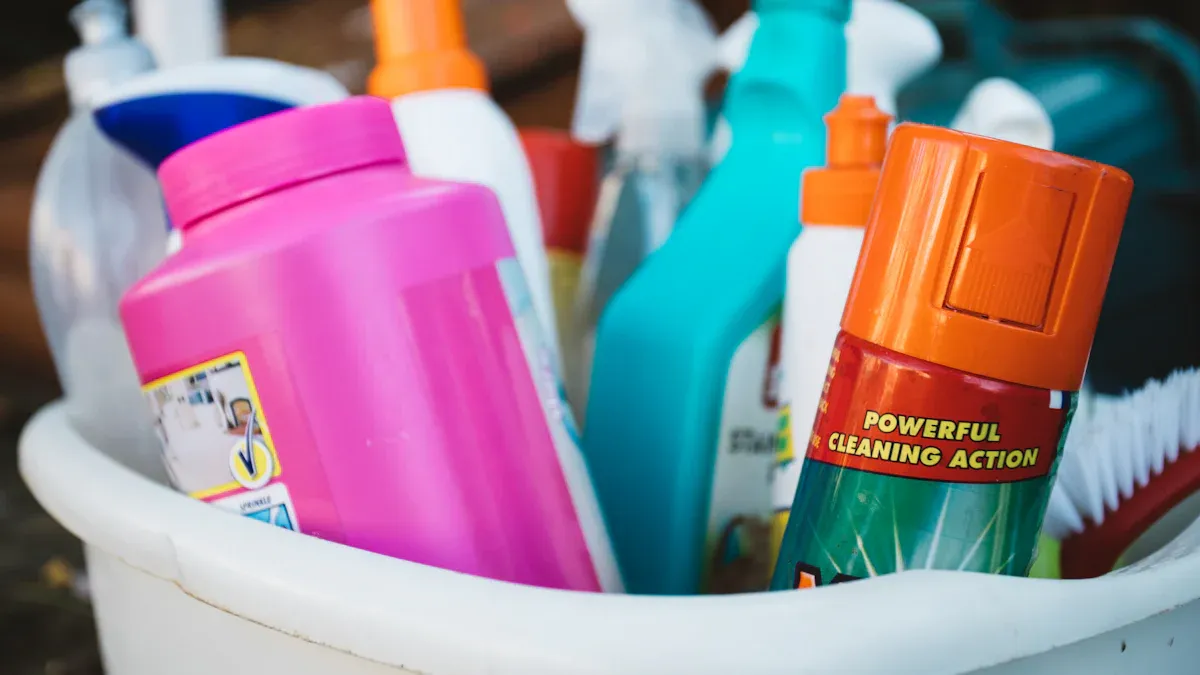
PVC flooring is a popular choice for homes due to its style and affordability. To start your deep clean, you must first clear away all loose dirt and dust. Neglecting this step allows grit to act like sandpaper, scratching the surface of your beautiful Lantise 2m-3m width PVC Flooring.
Key Takeaways
- Always prepare your PVC floor before cleaning. Clear furniture and sweep away all dirt. This stops scratches.
- Use the right tools and cleaners. A damp microfiber mop and pH-neutral cleaner work best. Avoid harsh chemicals and steam mops.
- Rinse and dry your floor completely. This removes cleaning residue and prevents water spots. It keeps your floor shiny and safe.
Step 1: Prepare the Floor for a Deep Clean
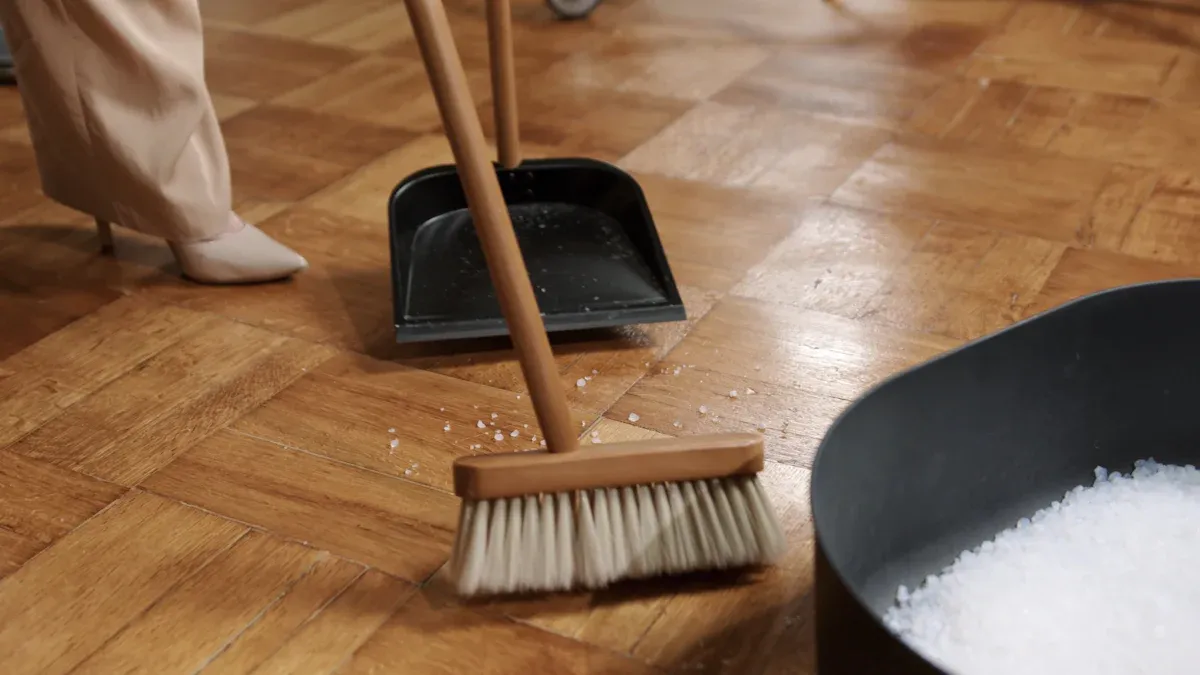
A successful deep clean starts with a clear space. This initial preparation ensures you can clean every inch of your floor without causing accidental scratches or scuffs.
Clear Furniture and Rugs
First, you need to move all furniture and rugs out of the room. This gives you full access to the entire floor surface. Dragging heavy items can easily scratch your PVC flooring, so you should always lift them when possible. For heavier pieces, you can use simple tools to protect your floor.
Pro Tip: How to Move Furniture Safely Always lift, don't drag. For large items, consider these options:
- Place furniture sliders or thick towels under the legs.
- Use a dolly or hand truck to move very heavy pieces.
- Attach felt pads to the bottom of furniture feet for future protection.
Sweep or Vacuum Away Debris
Next, you must remove all loose particles from the floor. Small bits of debris can act like sandpaper during mopping and damage the surface. The most common culprits are:
- Dust
- Dirt
- Grit
You can use a soft-bristled broom to sweep everything up. A vacuum cleaner also works well if you use the correct settings. Make sure to disable the beater bar or rotating brush, as its stiff bristles can create fine scratches. Instead, use a hard floor setting or an attachment with a soft brush. A crevice tool is perfect for cleaning along baseboards and in tight corners.
Step 2: Choose the Right Cleaning Solution
After preparing your floor, you need to select a cleaner. The right solution cleans effectively without damaging your floor's surface. Harsh chemicals can strip the protective finish, so choosing a gentle option is key.
Use a pH-Neutral Commercial Cleaner
The safest and most effective choice is a commercial cleaner made specifically for vinyl or PVC flooring. Look for products labeled "pH-neutral." These cleaners are designed to lift dirt and grime without being too acidic or alkaline. Using a specialized cleaner offers several benefits:
- It protects the floor's wear layer.
- It prevents a sticky residue from forming.
- It helps maintain the original shine and finish.
Always follow the manufacturer's instructions on the bottle for the best dilution ratio and application method.
Mix a DIY Vinegar Solution
You can also create a simple cleaning solution at home. For a natural alternative, mix one cup of white vinegar with a gallon of very warm water. This mixture helps break down dirt and disinfects the surface. However, you should use this solution carefully.
A Word of Caution 📝 Vinegar is acidic. Repeated use can slowly diminish the shine on some no-wax floors, including certain types of vinyl. The acidity may cause the top surface to look dull or dark over time. It is best to use a vinegar solution sparingly for occasional deep cleans rather than for regular mopping.
Step 3: Mop the Floor Methodically
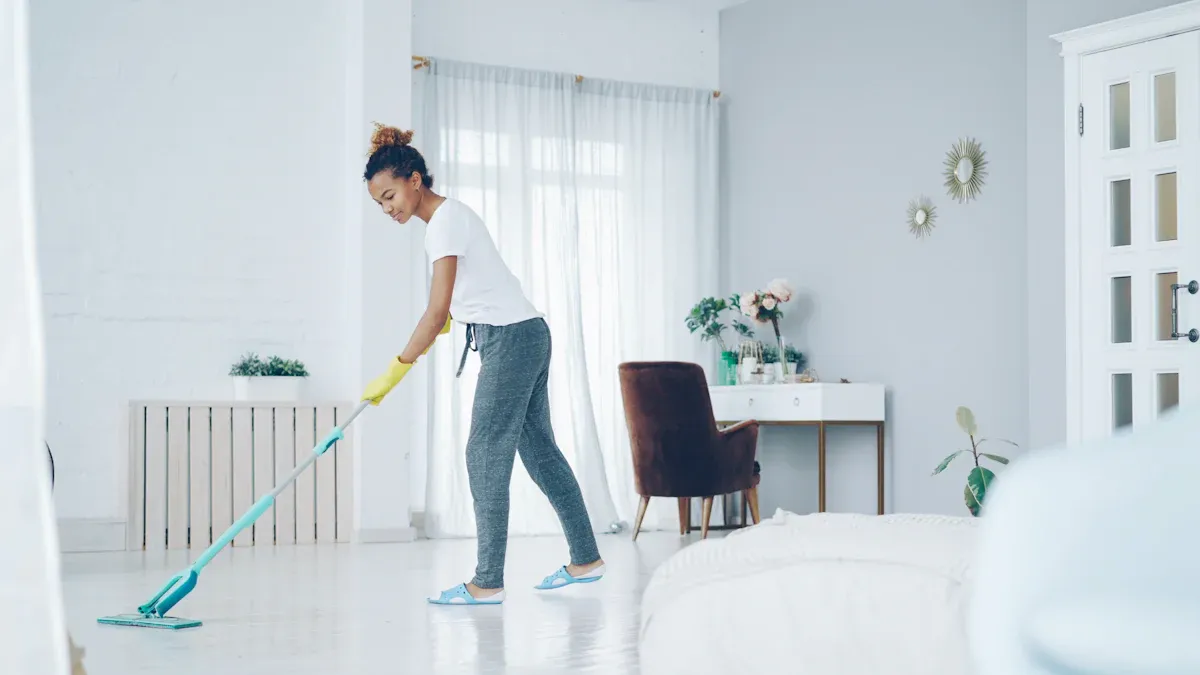
With your cleaning solution ready, you can now begin mopping. A proper technique ensures you clean effectively without leaving streaks or damaging the floor.
Use a Damp Microfiber Mop
Your choice of mop is very important. You should use a microfiber mop for the best results. Microfiber mops have tiny, dense fibers that trap dirt and germs instead of just pushing them around. They are also lint-free, so you will not leave any residue behind.
Compare a microfiber mop to a traditional cotton mop:
| Feature | Microfiber Mops | Cotton Mops |
|---|---|---|
| Dirt Removal | Traps fine dust and germs | Pushes dirt around |
| Water Usage | Uses less water for faster drying | Absorbs too much water |
| Residue | Lint-free and leaves no streaks | Can leave lint behind |
| Effort | Cleans effectively with less work | Requires more effort |
Even though your PVC floor is waterproof, you must avoid using too much water. Excess moisture can seep into the seams and edges, causing damage over time.
How Damp Should Your Mop Be? 💧 Your goal is a damp mop, not a soaking wet one. Wring the mop head out completely until it no longer drips. It should feel only slightly damp to the touch. This method cleans the surface gently and protects the planks.
Work in Sections from Farthest Corner
You should always mop with a clear plan. Start in the corner of the room that is farthest from the doorway. This strategy allows you to work your way out of the room without stepping on the clean, wet floor.
Divide the floor into small, manageable sections. Mop one section at a time, moving backward toward the exit. This methodical approach guarantees you cover every inch of the floor and helps it dry evenly without footprints.
Step 4: Rinse Away All Cleaning Residue
You have mopped away the dirt, but your job is not finished yet. Rinsing is a critical step that many people skip. This final rinse removes any leftover cleaning solution, ensuring your floor dries to a beautiful, streak-free shine.
Use Clean Water and a Fresh Mop Head
First, grab a clean bucket and fill it with fresh, cool water. You should also switch to a new microfiber mop head or thoroughly rinse your used one until it is completely clean. Dip your fresh mop into the water and wring it out well. You want it to be damp, not dripping. Mop the entire floor again, following the same pattern you used before—starting from the farthest corner and working toward the exit.
Pay close attention to your rinse water. You must change it when it starts to look cloudy.
- Swap out dirty water to avoid spreading grime back onto your clean floor.
- Using dirty water wastes your time and effort.
- Replacing the water regularly keeps the process hygienic and effective.
Why Rinsing Prevents a Dull Finish
Cleaning solutions are designed to break down dirt. If you leave them on the floor, they can leave behind a sticky or hazy film. This residue not only dulls your floor’s shine but also attracts new dirt much faster. Strong acidic or alkaline cleaners can even react with your floor's protective urethane layer, causing it to look hazy.
Failing to rinse can cause serious issues over time. Certain chemicals found in disinfectants can cause permanent damage if left on the surface.
Long-Term Risks of No-Rinse Cleaning ⚠️ Some cleaning agents, like those with peroxide or quaternary ammonium compounds (quats), can harm your floor's finish. Repeated use without rinsing may lead to yellowing, damage the protective coating, and even shorten your floor's lifespan. These effects can take months to become visible.
Step 5: Dry Your Floor Completely
The final step in your deep cleaning process is drying the floor. You must remove all moisture to prevent slips, water spots, and damage to the seams. A completely dry floor reveals a beautiful, streak-free finish.
Allow the Floor to Air Dry
The easiest way to dry your PVC floor is to let it air dry. You should open windows or turn on a ceiling fan to improve air circulation in the room. Good airflow helps the water evaporate much faster. 💨
You need to keep everyone, including pets, out of the room until the floor is completely dry. Walking on a damp floor can cause dangerous slips and leave behind new footprints or smudges. This method requires patience, but it is very effective. Check the floor after about 30 minutes. It should feel totally dry to the touch before you move furniture back into place.
Towel Dry to Prevent Water Spots
For a quicker and more thorough result, you can towel dry the floor. This method gives you immediate results and is the best way to prevent mineral deposits from hard water from leaving dull spots.
Pro Tip: The Secret to a Spotless Shine ✨ Use a clean, dry microfiber cloth or a large towel. Attach the cloth to your mop head or simply get on your hands and knees to wipe the floor dry. This extra step ensures no moisture is left behind, protecting the seams and guaranteeing a perfect, streak-free shine every time.
Towel drying is especially useful in bathrooms or kitchens where humidity is high. It gives you full control and leaves your PVC floor looking its absolute best.
What to Avoid When Cleaning Your PVC Flooring
To keep your PVC flooring in great condition, you need to know what products and tools to avoid. Using the wrong items can cause permanent damage that is difficult or impossible to repair.
Abrasive Scrubbers and Steel Wool
You should never use abrasive tools like steel wool or stiff-bristled brushes. These items are too harsh for your floor's surface. They create tiny scratches and fissures in the protective wear layer. Over time, these small cracks trap dirt, which makes your floor harder to clean and look perpetually dirty. For tough spots, you can use a soft cloth or a gentle paste made from baking soda and water.
Ammonia or Bleach-Based Cleaners
You must avoid harsh chemical cleaners containing ammonia or bleach. These strong chemicals can strip the finish from your floor and cause discoloration. Bleach is especially damaging because it can erode the wear layer to the point where it starts flaking off. This type of chemical damage is often irreparable and may even void your floor’s warranty. Always stick to pH-neutral cleaners to be safe.
Steam Mops and Excessive Water
Steam mops and excessive water are major threats to your floor. The high heat from a steam mop can weaken the adhesive that holds the planks down. This may cause the edges to curl, lift, or bubble. ♨️
Warning: The Dangers of Moisture When too much water or steam gets into the seams, it can get trapped underneath. This can lead to several problems:
- A persistent musty odor from mold growth
- Warping or buckling of the planks
- Weakened adhesive and loose tiles
Always use a damp mop, not a soaking wet one, to protect your investment.
Daily and Weekly Maintenance Tips
A deep clean restores your floor, but daily care keeps it looking great. You can protect your investment with a few simple habits. These tips prevent dirt buildup and protect the surface from damage.
Sweep or Vacuum Regularly
You should remove dirt and grit from your floor often. These small particles can scratch the surface over time. Your cleaning schedule depends on how much you use the room. High-traffic areas like entryways and kitchens need more frequent attention.
| Cleaning Method | Area Type | Frequency |
|---|---|---|
| Sweeping | General | Daily to every other day |
| Vacuuming | General | Once a week |
| Vacuuming | High-Traffic | Twice a week |
Wipe Up Spills Immediately
Accidents happen, but quick action prevents stains. You must wipe up spills as soon as they occur. Liquids can seep into the seams or discolor the surface if left for too long.
Act Fast! 💧 Use a clean cloth to blot the spill immediately. This simple step protects your floor from lasting damage and keeps it looking pristine.
Use Doormats and Furniture Pads
You can stop dirt at the door with effective doormats. A good mat traps dirt, mud, and moisture before they reach your PVC flooring. Look for mats made from durable, weather-resistant materials.
- Heavy-Duty Rubber offers excellent traction and will not rot or curl.
- Recycled PET fibers scrape away dirt and dry quickly.
- Polypropylene is a rigid fiber that is great for scraping and dissipating water.
You should also protect your floor from furniture. Place pads under the legs of chairs, tables, and sofas. This prevents scuffs and dents.
- Use: Felt or cotton pads. They are soft and will not stain the floor.
- Avoid: Rubber pads. They can leave permanent stains on the vinyl.
You can achieve a perfect deep clean by following the five key steps: Prepare, Mix, Mop, Rinse, and Dry. Combine this routine with simple daily maintenance to keep your PVC flooring looking its best for years.
Remember 💡 Gentle and consistent care is the secret to preserving your floor's beauty and durability.
FAQ
How often should I deep clean my PVC floor?
You should deep clean your PVC floors every two to four months. High-traffic areas may need more frequent attention to maintain their appearance and prevent dirt buildup.
Can I use a steam mop on PVC flooring?
No, you should never use a steam mop. The high heat can damage the adhesive. This may cause the floor planks to warp, curl, or lift over time.
What is the best way to remove a tough scuff mark?
You can gently rub the scuff mark with a clean tennis ball. For stubborn marks, apply a paste of baking soda and water with a soft cloth.
See Also
Simple Upkeep Practices to Avoid Costly Dumbwaiter Elevator Malfunctions
Top Six Industrial Vacuum Cleaners Essential for Every Business
Crucial Stages for Obtaining PED 2014/68/EU Certification Successfully
A Detailed Guide: Understanding the Functionality of Plate Heat Exchangers
Novice's Introduction to Frame Plate Kits for Vehicle Structural Reinforcement