Step-by-Step Guide to Picking the Best Domestic Sewage Treatment Plant
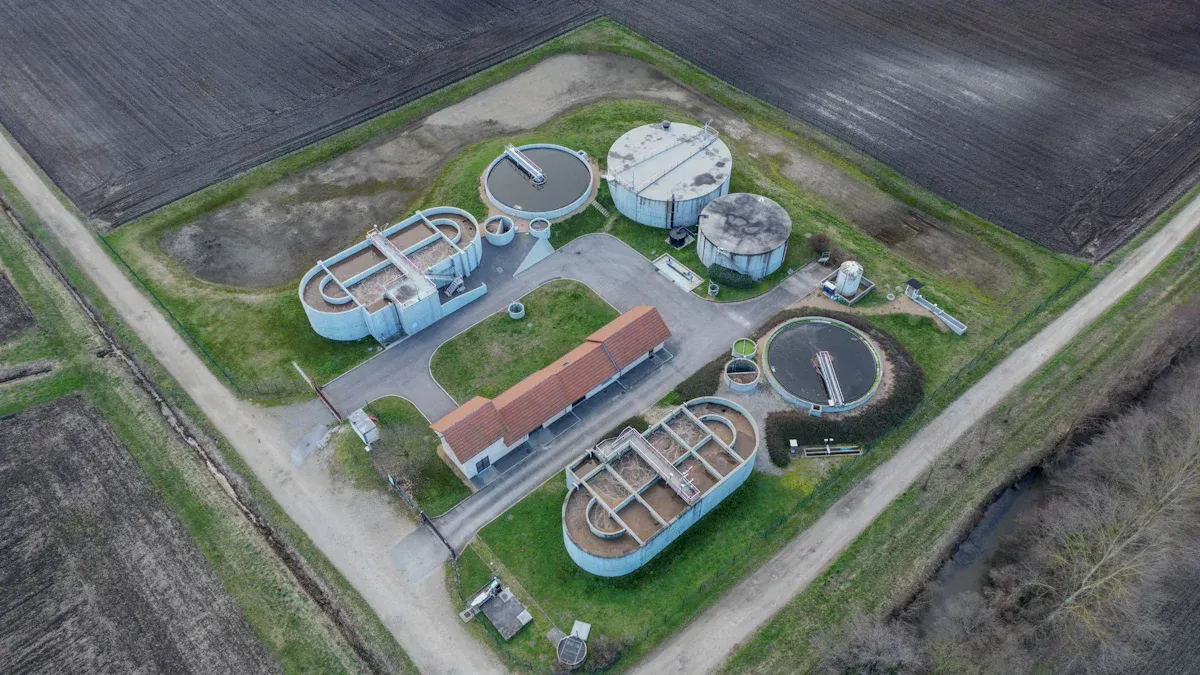
You want your home to stay safe and clean. Start by choosing the best domestic sewage treatment plant that fits your needs. Think about your household size, property layout, and local rules. When you follow each step, you make a smart choice for your family and the environment.
Key Takeaways
- Assess your household size and water usage to determine the right sewage treatment plant capacity.
- Evaluate your property layout and soil type to ensure proper installation and drainage.
- Understand local regulations and permits to avoid legal issues when installing your sewage treatment plant.
Identify Your Needs for the Best Domestic Sewage Treatment Plant
Assess Household Size and Water Usage
You need to start by looking at how many people live in your home. The number of people affects how much wastewater your system must handle every day. If you have a large family, you will need a bigger sewage treatment plant. If you live alone or with one other person, a smaller system may work best.
Water usage matters too. You use water when you shower, wash dishes, do laundry, and flush toilets. More water means more wastewater. You should check your water bills to see how much water your household uses each month. This helps you pick the best domestic sewage treatment plant for your needs.
Tip: Write down the number of people in your home and your average monthly water use. This information helps you choose the right size system.
Here is a simple table to help you estimate the size you need:
| Household Size | Average Daily Water Use (gallons) | Suggested Plant Capacity |
|---|---|---|
| 1-2 people | 50-100 | Small |
| 3-5 people | 150-250 | Medium |
| 6+ people | 300+ | Large |
Consider Property Size and Layout
You must look at your property before you choose a sewage treatment plant. The size of your yard and the way your land is shaped can change what system works best. If you have a small yard, you may need a compact system. If your land is large and open, you have more options.
Check where you want to place the plant. You need to keep it away from wells, streams, and buildings. Some systems need more space for pipes and tanks. Others fit into tight spots. You should also think about how easy it is to reach the plant for maintenance.
- Walk around your property and mark possible locations for the plant.
- Measure the space you have available.
- Look for any obstacles like trees, rocks, or slopes.
Note: The best domestic sewage treatment plant fits your property and meets your needs. You should always check local rules about where you can install the system.
When you know your household size, water use, and property layout, you can make a smart choice. These steps help you find the best domestic sewage treatment plant for your home.
Assess Site Conditions for the Best Domestic Sewage Treatment Plant
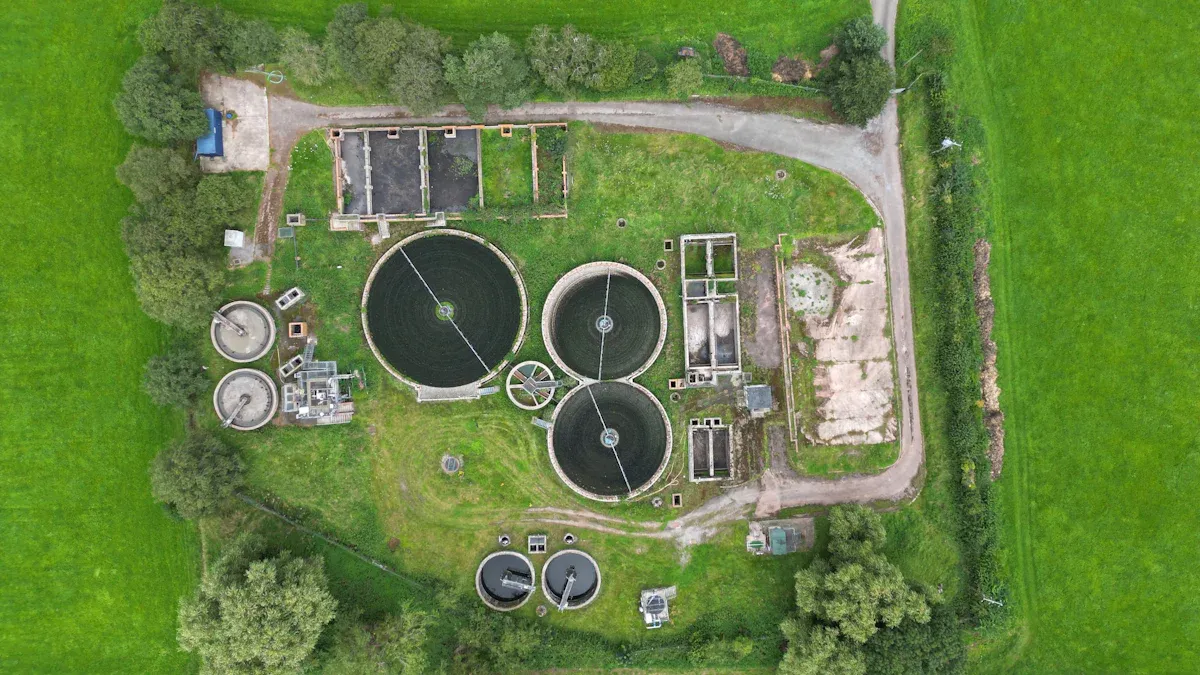
Check Soil Type and Drainage
You need to know what kind of soil you have before you install a sewage treatment plant. Soil type affects how well water drains away from your system. If you have sandy soil, water moves through it quickly. This makes sandy soil a good choice for many systems. Clay soil holds water and drains slowly. You may need a different system if your soil is mostly clay. Good drainage keeps your system working well and helps prevent problems.
- Analyze the soil where you plan to install the plant.
- Compare your soil type to the system you want.
- Match the soil type with the right plant for the best results.
- Conduct a soil test to find out what type you have.
- Make sure your site drains well to avoid backups and bad smells.
Poor drainage can cause big problems. Water can build up in the drain field. This may lead to sewage backing up or foul odors around your home. Heavy rain, using too much water, or not keeping up with maintenance can make these problems worse. Regular checks and good care help your system last longer.
Evaluate Available Space and Site Limitations
You must look at how much space you have for your system. Some properties have limited land, especially in crowded areas. Large systems need more room for tanks and pipes. Small yards may only fit compact systems. You also need to think about the cost and how easy it is to build on your land.
| Site Limitation | Description |
|---|---|
| Land Availability Constraints | You need enough space for the plant. Small lots can make this hard. |
| Substantial Initial Investment | High costs for equipment and building can limit your choices. |
Check your property for obstacles like trees, rocks, or slopes. These can make installation harder. When you understand your site, you can choose the best domestic sewage treatment plant for your needs.
Compare Types of Domestic Sewage Treatment Plants
Septic Tanks vs. Treatment Plants
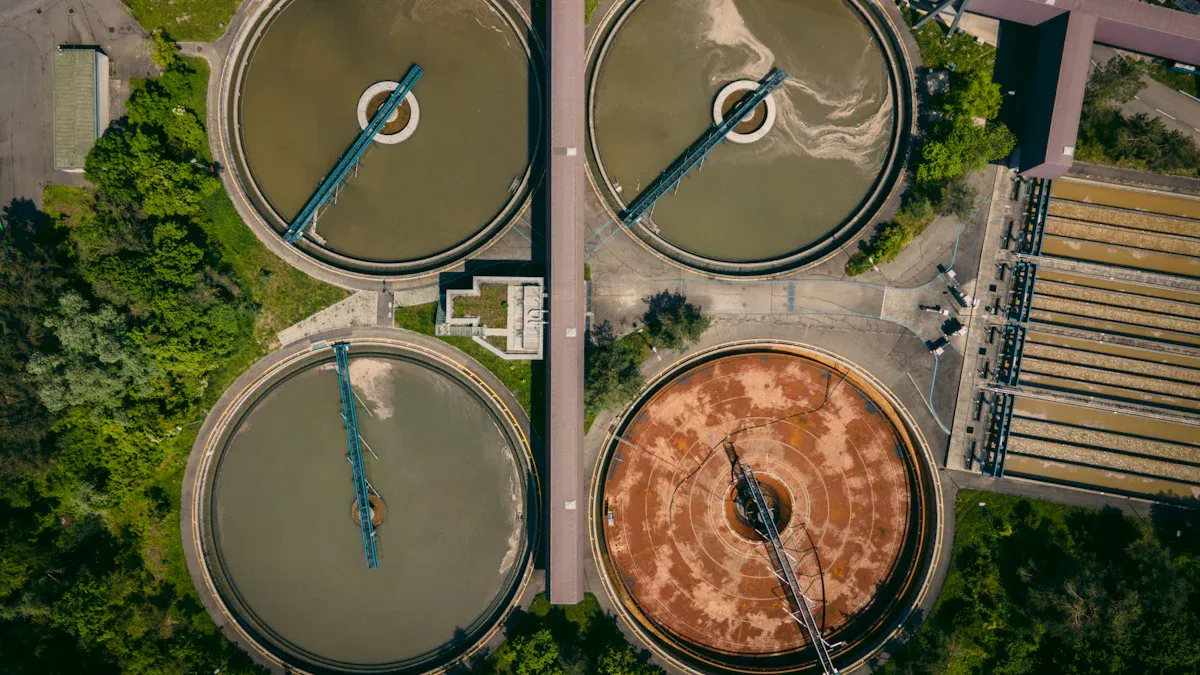
You may wonder about the difference between septic tanks and modern sewage treatment plants. Septic tanks use gravity and bacteria to break down waste. This process works, but it does not clean water as well as newer systems. Modern treatment plants use several steps like settling, adding air, and cleaning the water. These steps remove more pollution and make the water much cleaner before it leaves your property. You will find that treatment plants need less frequent maintenance. Septic tanks fill up with sludge faster and need regular emptying. If you want the best domestic sewage treatment plant for your home, you should look for one that gives you cleaner water and less work.
Eco-Friendly and Alternative Options
You can choose from several eco-friendly sewage treatment options. These systems help protect nature and use less energy. Here is a table to help you compare some popular choices:
| Treatment Option | Environmental Impact | Energy Consumption | Carbon Footprint | Nutrient Management |
|---|---|---|---|---|
| Reed Beds | No electricity needed, low carbon footprint | Low | Zero | No chemicals needed |
| Constructed Wetlands | Good water quality, low energy use | Low | Low | Less chemical treatment |
| Willow Systems | Absorbs nutrients, supports wildlife, carbon negative | Low | Carbon negative | Less chemical dosing |
| Compost Toilets | No water or chemicals, makes compost | None | None | Turns waste into compost |
| Septic Tanks | Needs care, can harm nature if not managed | Moderate | Moderate | Depends on upkeep |
- These options remove harmful substances from wastewater.
- They lower the risk of pollution in rivers and streams.
- They help keep plants and animals safe.
You can use these facts to pick a system that matches your values and your property.
Understand Regulatory Requirements for the Best Domestic Sewage Treatment Plant
Permits and Local Regulations
You must check the rules in your area before you install a sewage treatment plant. Every city or county has its own laws. Some places need you to get a permit before you start any work. You may need to show plans or drawings of your system. Local health departments often review these plans. They want to make sure your system will not harm people or the environment.
Tip: Call your local building office or health department. Ask what permits you need for your project.
You should also ask about any special rules for your neighborhood. Some areas have extra steps if you live near water or in a flood zone. If you skip these steps, you may face fines or have to remove your system.
Discharge and Environmental Standards
You need to know where your treated water will go. Some systems let you release clean water into a stream or ditch. Others send it into the ground. Each method has its own rules. You must follow limits on how much pollution can leave your system. These limits protect rivers, lakes, and groundwater.
Many places require regular checks to make sure your system works well. You may need to test the water every year. If your system does not meet the rules, you must fix it right away.
Note: Meeting all standards helps you choose the best domestic sewage treatment plant and keeps your home safe.
Following these rules protects your family and your community. Always check the latest laws before you start your project.
Plan Installation and Maintenance for the Best Domestic Sewage Treatment Plant
Professional Installation vs. DIY
You may wonder if you should install your sewage treatment plant yourself or hire a professional. Each choice has risks and benefits. Doing it yourself can save money at first, but mistakes can lead to big problems. Professionals know the rules and have the right tools. They keep your home safe and help you avoid legal trouble. Here is a table to help you compare both options:
| Aspect | DIY Installation Risks | Professional Installation Benefits |
|---|---|---|
| Safety Risks | Exposure to harmful gases and bacteria | Safe waste disposal and compliance with regulations |
| Equipment | Improper equipment may fail to handle thick sludge | Specialized tools ensure thorough cleaning |
| Legal Issues | Mismanaged disposal can lead to fines | Early problem detection prevents legal complications |
| Cleaning | Incomplete cleaning can cause blockages | Experts ensure complete cleaning and maintenance |
| Long-term Costs | Mistakes can lead to expensive repairs | Extends system lifespan and reduces long-term costs |
| Homeowner Stress | High stress due to potential failures | Less stress with professional handling |
Tip: Hiring a professional often means fewer headaches and better results for your home.
Ongoing Maintenance and Service Needs
You need to keep your system in good shape to make sure it works well for years. Most manufacturers recommend these steps:
- Service your sewage treatment plant at least once a year.
- Remove solid waste during each service visit.
- Check the level of microorganisms to keep the treatment process strong.
Regular care helps you avoid costly repairs and keeps your system running smoothly. When you follow these steps, you protect your investment and get the best domestic sewage treatment plant performance.
Evaluate Costs and Long-Term Value of the Best Domestic Sewage Treatment Plant
Upfront Costs and Financing Options
You need to think about the money you will spend at the start. Domestic sewage treatment plants usually cost more to buy and install than septic tanks. This higher price comes from advanced technology and better cleaning power. You may find the cost challenging, but you have options to help pay for your system:
- You can ask your bank about loans for equipment purchases.
- Some people use private investors or crowdfunding platforms to raise money.
- Borrowing against future cash flows is hard because you do not have past data for a new system.
You should compare prices and look for the best value. Remember, the cheapest system may not last as long or work as well.
Operating Expenses and System Lifespan
You will spend less money each year on a modern sewage treatment plant than on a septic tank. New systems like BioTornado use less energy and need less maintenance. You only need to empty most treatment plants once a year. Septic tanks need emptying more often, which adds to your costs. Older septic tanks also use old designs from the 19th century and do not clean water as well.
Here is a simple table to help you compare:
| System Type | Upfront Cost | Yearly Maintenance | Emptying Frequency | Energy Use |
|---|---|---|---|---|
| Septic Tank | Low | High | 2-4 times/year | Moderate |
| Treatment Plant | Higher | Low | Once/year | Low |
You get better value over time with the best domestic sewage treatment plant. You protect your home and the environment while saving money in the long run.
Actionable Checklist for Choosing the Best Domestic Sewage Treatment Plant
Step-by-Step Summary
You want to make sure you choose the right system for your home. Use this checklist to guide your decision. Each step helps you focus on what matters most.
- Find out your daily wastewater volume. Write down how much water your household uses each day. This number helps you pick a system that can handle your needs.
- Look at your land area. Measure your yard and see if space is a limitation. Some systems need more room than others.
- Decide if you want to reuse treated water. Some treatment plants let you use clean water for gardening or other tasks.
- Set your budget. Figure out how much money you can spend. Check your power supply to make sure your system will work in your home.
- Choose between domestic and industrial solutions. Most homes need a domestic sewage treatment plant, not an industrial one.
- Review local rules and permits. Contact your city or county office to learn about regulations and required permits.
- Compare system types. Research septic tanks, modern treatment plants, and eco-friendly options.
- Plan for installation and maintenance. Decide if you want to hire a professional or do it yourself. Schedule regular service to keep your system working well.
Tip: Keep this checklist handy as you talk to suppliers or installers. You can use it to ask questions and make sure you get the best domestic sewage treatment plant for your property.
A clear checklist helps you stay organized and confident. You protect your home and the environment when you follow each step.
You improve your results when you follow each step to choose the best domestic sewage treatment plant.
- Multi-criteria decision support helps you match your needs and site conditions.
- Professionals recommend checking household size, soil, and regulations.
You gain safety, compliance, and peace of mind by making an informed choice.
FAQ
How often should you service your domestic sewage treatment plant?
You should service your plant once a year. Regular checks keep your system safe and working well.
Can you install a sewage treatment plant yourself?
You can try, but hiring a professional gives you better results. Experts know the rules and help you avoid mistakes.
What happens if your system fails an inspection?
You must fix the problem right away. Quick repairs protect your home and keep you within the law.
See Also
Understanding Plate Heat Exchangers: A Comprehensive Guide
Benefits of Using Self-Priming Water Pumps in Systems
Essential Tips for Selecting Power Transformers for Beginners
Selecting the Ideal 10KW Diesel Generator for Your Requirements