DTF Transfer T-Shirt Business Your 2026 Startup Blueprint
An entrepreneur can launch a t-shirt business with a relatively small initial investment. The custom t-shirt printing market is projected to reach USD 5.68 billion in 2025. This market is expected to grow significantly, reaching USD 9.82 billion by 2030. The dtf transfer method allows for quick brand launches.
Key Takeaways
- DTF printing is a good way to start a t-shirt business. It lets you print many colors on different fabrics.
- Plan your business carefully. Find a group of customers you want to sell to and make a simple plan.
- You can print shirts yourself or have another company do it. Choose what works best for your business.
What is a DTF Transfer and Why Choose It?
Direct-to-Film (DTF) printing is a modern garment decoration method. It empowers entrepreneurs to create detailed, full-color designs for apparel. The process involves printing a design onto a special PET film using specialized pigment inks. A layer of hot-melt adhesive powder, a thermoplastic polymer, is then applied to the wet ink. This powder melts during a curing stage, creating a ready-to-press transfer.
The Direct-to-Film Advantage
The primary advantage of the dtf transfer method is its versatility. An operator prints a design, including a white ink base layer, onto a transfer film. Next, an adhesive powder is applied and melted onto the ink. Finally, a heat press transfers the complete design from the film to the garment. This technique works on cotton, polyester, blends, and more, producing vibrant results on fabrics of any color.
Key Benefits for Your Startup
Startups gain significant benefits from using DTF technology.
- No Fabric Limitations: Apply designs to a wide range of materials.
- Vibrant, Full-Color Prints: Achieve bright and complex graphics with a full spectrum of inks, including CMYK, white, and even fluorescent options.
- Cost-Effective for Small Orders: Produce single items or small batches without high setup costs.
DTF vs. Screen Printing vs. DTG
Choosing the right printing method depends on production volume. A dtf transfer is highly efficient for small to medium runs. Screen printing excels at large batches, while DTG is best for one-off prints. While DTF offers good wash durability, screen printing's plastisol inks often provide greater longevity.
| Printing Method | Small Batches | Medium Batches | Large Batches |
|---|---|---|---|
| DTF Printing | Highly efficient | Efficient | Less efficient than screen printing |
| DTG Printing | Excels but slower | Slower speed | Slower speed |
| Screen Printing | High setup costs | High setup costs | Ideal and highly efficient |
Phase 1: Building Your Business Foundation
A successful t-shirt brand begins with a solid strategic foundation. An entrepreneur must define a target audience, choose an operational model, and create a clear plan. These initial steps guide all future decisions from design to marketing.
Finding Your Profitable Niche
A focused niche helps a brand stand out in a crowded market. Entrepreneurs should target specific customer groups with shared interests. Market trend reports for 2026 suggest several profitable areas:
- Game memes and puns
- Couples, family, and kids
- Music genres and instruments
- Work, hobbies, and professions
- Traveling and nature themes
- Sports, health, and fitness
- Social causes and activism
The global sports industry, for example, is projected to exceed $700 billion by 2026. This growth indicates a strong, sustained demand for sports-related apparel.
Selecting Your Business Model
An entrepreneur must choose between holding inventory or using print-on-demand (POD). The inventory model provides higher profit margins and full control over quality. However, it requires a significant upfront investment and carries the risk of unsold stock. In contrast, the POD model eliminates inventory costs and financial risk, making it ideal for testing designs.
Note: The POD model allows an entrepreneur to focus time on design and marketing rather than printing and shipping. This trade-off often involves lower profit margins, typically in the 15%-20% range.
Crafting Your Simple Business Plan
A simple, one-page business plan is an essential roadmap. It clarifies the brand's direction and goals. This document should outline key business components. An effective plan includes a market analysis of the target audience and competitors. It also details the product line, pricing strategy, and marketing plan. Finally, it provides a basic financial forecast covering startup costs and projected revenue.
Phase 2: Gearing Up for Production
Transitioning from planning to production requires the right tools and a clear operational strategy. An entrepreneur must decide whether to invest in equipment for in-house printing or to partner with an external provider. This choice directly impacts startup costs, workflow, and scalability.
Essential DTF Equipment Checklist
Setting up an in-house production space involves acquiring specialized machinery. Each piece of equipment plays a critical role in the printing process.
- DTF Printer: A dedicated printer capable of handling PET film and specialized CMYK and white inks.
- Powder Shaker/Applicator: A machine that automates the application and removal of excess adhesive powder.
- Curing Oven or Heat Press: A device used to melt the adhesive powder onto the printed ink.
- Heat Press: An essential tool for transferring the final design from the film to the garment.
- Ventilation System: A system to manage fumes from the curing process, ensuring a safe workspace.
Must-Have Supplies and Consumables
Consistent production depends on a steady supply of high-quality consumables. Entrepreneurs must manage inventory carefully. DTF inks typically have a shelf life of 6 to 12 months. Opened adhesive powder degrades faster and should be used within six months for best results. Properly stored, unused transfers on film can last for up to three years.
Choosing Your Production Method: In-House vs. Outsourced
An entrepreneur can produce designs in-house or outsource the printing. Outsourcing a dtf transfer to a third-party service eliminates the need for equipment investment. This model offers cost-effective bulk pricing and fast turnarounds for urgent orders. It allows a startup to focus on design and marketing.
Tip: Outsourcing is an excellent way to test the market before committing to expensive equipment.
| Service | Average Cost | Average Turnaround |
|---|---|---|
| Cost per Transfer | $1.50 – $3.00 | 2–4 Business Days |
| Cost per Gang Sheet | $15.00 – $30.00 | 2–4 Business Days |
Phase 3: The Core DTF Transfer Process Step-by-Step
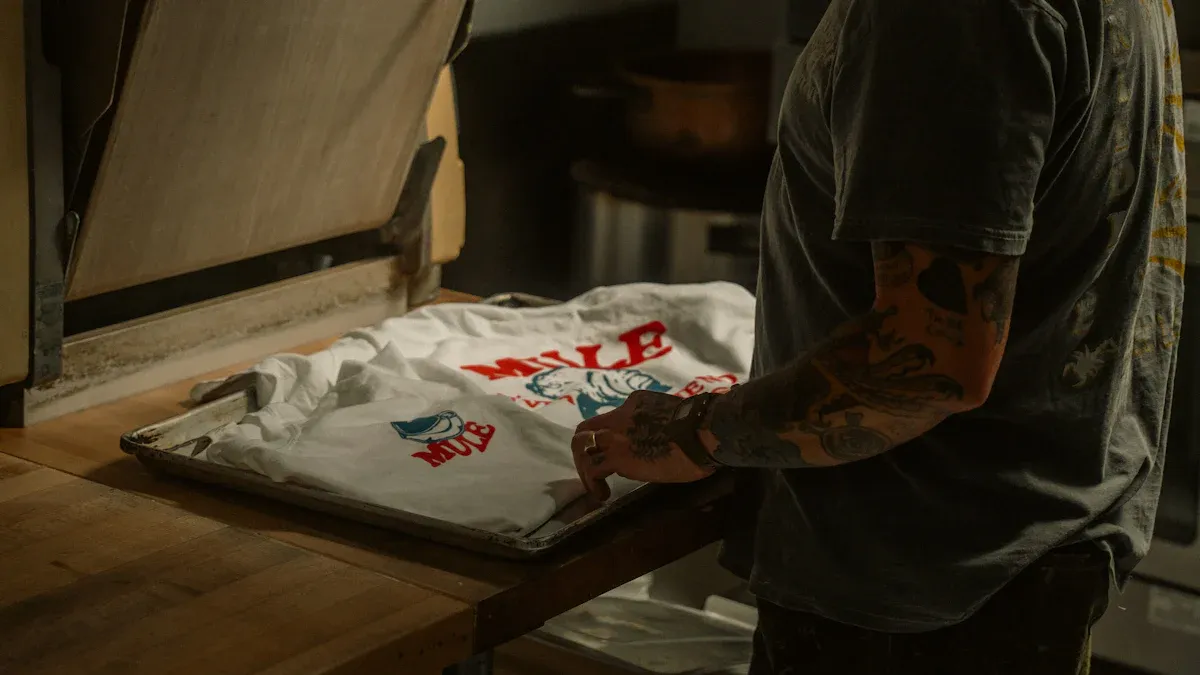
Mastering the core DTF process transforms a digital concept into a tangible, high-quality product. This phase covers the four critical steps from digital file preparation to the final heat press application. Precision at each stage ensures a vibrant and durable final garment.
Step 1: Prepare Your Digital Design
The quality of the final print begins with a properly prepared digital file. A high-resolution design is essential for achieving professional results. Entrepreneurs must ensure their artwork meets specific technical standards to avoid pixelation and color inaccuracies. For DTF printing, it is crucial to convert designs from the RGB color space, used for digital screens, into the CMYK color space that physical printers use. Fine-tuning color profiles to match the specific inks and printer is essential for accurate color reproduction.
Key design file specifications include:
- Resolution: 300 DPI (dots per inch) is the gold standard for maintaining clean edges and crisp text.
- File Format: A PNG or PDF with a transparent background is required to ensure only the design is printed.
- Color Mode: The file must be set to CMYK. Recommended color spaces include "sRGB IEC61966-2.1" for original RGB files and "U.S. Web Coated (SWOP) v2" for the final CMYK conversion.
Step 2: Print onto PET Film
With a print-ready file, the next step is printing the design onto special PET film. The DTF printer first lays down the CMYK colors and then applies a white ink base layer on top. This white layer ensures the design remains vibrant on dark-colored fabrics. The printing environment significantly impacts print quality, especially concerning temperature and humidity. Maintaining a stable workspace prevents issues like ink bleeding or film warping.
An operator should monitor and control the production environment for optimal results.
| Parameter | Ideal Range |
|---|---|
| Temperature | 20°C to 25°C (68°F–77°F) |
| Relative Humidity | 40% to 60% |
Workspace Control Tips ⚙️ An entrepreneur can manage the environment effectively. Use a dehumidifier for high humidity or a humidifier for low humidity. Store PET film and adhesive powder in sealed, airtight containers with silica gel packs. Keep all materials off the floor to avoid moisture absorption.
Step 3: Apply and Cure Adhesive Powder
After printing, the operator applies a hot-melt adhesive powder to the wet ink on the PET film. Automated shaker machines handle this step efficiently by coating the print evenly and shaking off the excess powder. The powdered film then moves into a curing oven or under a heat press set to hover mode. The heat melts the powder, creating a smooth, rubbery adhesive layer that bonds the ink to the film.
Typical DTF ovens should maintain a curing range between 280°F to 320°F. The exact settings depend on film thickness and powder composition.
- For a convection oven, a common setting is 110–120°C (230–250°F) for 2–3 minutes.
- The goal is to melt the powder until it achieves a glossy, orange-peel-like texture.
Step 4: Heat Press Your T-Shirt
The final step is transferring the design from the film to the garment. An operator places the t-shirt on the heat press, pre-presses it for a few seconds to remove moisture and wrinkles, and then positions the cured dtf transfer on the fabric. A protective sheet, like Teflon or parchment paper, is placed over the transfer. The operator then presses the design using specific settings for temperature, time, and pressure, which vary by fabric type. After the initial press, the operator waits for the film to cool completely before peeling it off (a "cold peel"). A final, short press without the film sets the ink into the fabric, improving durability and feel.
| Fabric Type | Temperature (°F) | Time (seconds) | Pressure |
|---|---|---|---|
| 100% Polyester | 250–275 | 7–8 (primary) | Medium |
| Cotton/Poly Blends | 300–315 | 10–13 (primary), 3–5 (final) | Medium to firm |
| 100% Cotton | 300–315 | 10–13 (primary), 3–5 (final) | Medium to firm |
Phase 4: Launching Your Operations
With a solid production process in place, an entrepreneur can now focus on bringing the t-shirt brand to market. This phase covers the critical steps of sourcing materials, creating compelling designs, setting profitable prices, and building an online presence. Each element is essential for a successful launch.
Sourcing Quality Blank Garments
The final product's quality heavily depends on the blank garment selected. A premium t-shirt enhances the perceived value of a design and ensures customer satisfaction. Entrepreneurs should partner with wholesale suppliers to access high-quality apparel at a lower cost per unit. A reliable supplier like ShirtSpace offers blank apparel from top brands suitable for decoration. The best shirts for DTF printing often have a smooth, tight-knit surface.
For optimal DTF application results, an entrepreneur should consider these industry-trusted models:
- District DM130DTG: This shirt is specifically engineered for digital printing, providing an ideal surface for vibrant transfers.
- Port & Company PC54DTG: It features PosiPrint™ technology, which creates a smooth print face for excellent ink adhesion.
- Gildan G650: Known for its high stitch-density, this model offers a superior canvas for detailed DTF designs.
Creating Designs That Sell
A unique and appealing design is the heart of any t-shirt brand. While trends come and go, certain themes consistently resonate with customers and generate sales. An entrepreneur can build a strong foundation by focusing on these evergreen categories.
Timeless Design Themes 💡
- Hobbies and Passions: Designs centered on lifelong passions like fishing, gardening, or gaming attract a dedicated audience.
- Professions: People take pride in their careers. T-shirts for nurses, teachers, and engineers are always in demand.
- Family and Relationships: Designs celebrating roles like "Best Dad Ever" or announcing new parents are steady sellers.
- Nature and Environment: Themes of serene landscapes, eco-friendly messages, and animal protection have timeless appeal.
- Motivational Quotes: Uplifting text with modern typography offers positivity and connects with customers on a personal level.
- Cartoons and Comics: Bold, fun, and imaginative comic styles provide a boundless space for creative expression.
Design Best Practices to Avoid Common Mistakes A great idea can fail with poor execution. An entrepreneur must avoid several common design pitfalls. A simple, intentional design is often more effective than an overcomplicated one. Typography is critical; one should master font choice and limit designs to two complementary fonts. Proper placement is also key. A design should sit about ten centimeters below the collar, not in the middle of the torso, to avoid an awkward "belly print" look. Finally, ensuring high contrast between the design and shirt color is essential for readability.
Pricing Your T-Shirts for Profit
Strategic pricing ensures a business is not only sustainable but also profitable. An entrepreneur must calculate a retail price that covers all costs and includes a healthy profit margin. The first step is to determine the Cost of Goods Sold (COGS). This figure includes the wholesale cost of the blank t-shirt, the cost of the DTF transfer, and any associated expenses like shipping or special packaging.
Once the COGS is known, the entrepreneur can use a standard formula to set the retail price. This method ensures a consistent profit margin on every sale.
The Profit Margin Formula
A business owner can calculate the retail price using this equation:
Retail Price = Cost of Goods Sold / (1 – Desired Profit Margin)
For example, if the COGS for one t-shirt is $8 and the entrepreneur desires a 60% profit margin (expressed as 0.60), the calculation is:
Retail Price = $8 / (1 - 0.60) = $8 / 0.40 = $20
This price covers all costs and generates $12 in profit, achieving the 60% margin.
Setting Up Your Online Store
The online store is the brand's digital headquarters. It is where customers browse products, make purchases, and connect with the brand. Choosing the right e-commerce platform is a critical decision that impacts everything from branding flexibility to operational fees. The three leading platforms for a t-shirt business are Shopify, Etsy, and WooCommerce.
Shopify offers a user-friendly, all-in-one solution with extensive themes and a powerful app ecosystem. Etsy provides access to a massive built-in audience of over 90 million buyers but offers limited branding control. WooCommerce is a flexible WordPress plugin that gives an entrepreneur complete control, though it requires more technical knowledge to manage.
A direct comparison reveals their distinct advantages and fee structures.
| Feature | Shopify | Etsy | WooCommerce |
|---|---|---|---|
| Base Cost | Starts at $32/month | No monthly fee | Requires WordPress hosting |
| Transaction Fees | 0% with Shopify Payments | 6.5% per sale | Varies by payment gateway |
| Listing Fees | None | $0.20 per item | None |
| Customization | Fully customizable store | Limited shop design | High flexibility via WordPress |
| Built-in Audience | No | 90M+ active buyers | No |
| Technical Skill | Beginner-friendly | Beginner-friendly | Intermediate to advanced |
For a new entrepreneur, the choice often comes down to a trade-off. Etsy is excellent for testing designs with its huge buyer pool, despite higher fees and competition. Shopify is ideal for building a distinct brand identity but requires the owner to generate all traffic through marketing.
Phase 5: Marketing and Scaling Your Brand
Effective marketing and strategic scaling transform a small operation into a thriving brand. An entrepreneur must attract the first customers and then build systems to support growth. This final phase outlines the path from initial launch to long-term expansion.
Your First Marketing Actions
Initial marketing efforts should focus on high-impact, low-cost strategies. Offering free shipping is a powerful incentive. Research shows 66% of US consumers expect free shipping, so promoting this offer can significantly reduce cart abandonment. An entrepreneur can also build an email list by offering a first-time purchase discount. This action creates a direct communication channel for future promotions and product announcements.
Using Social Media to Grow
Social media platforms are essential for brand building and customer engagement. An effective strategy involves encouraging user-generated content (UGC). A business owner can ask customers to share photos of themselves wearing the apparel using a unique brand hashtag. Showcasing these images on the brand's social media pages builds social proof and provides authentic marketing content at no cost.
Scaling Your Production
As order volume increases, an entrepreneur must scale production to meet demand. A business handling dozens of transfers daily should consider upgrading from a desktop printer to a commercial roll-fed system. These larger printers offer higher throughput and greater reliability. An owner can also implement automation software like DecoNetwork. This type of platform streamlines the entire workflow, from online order management to production scheduling.
Expanding Your Product Line
The versatility of DTF transfers allows for simple product line expansion. An entrepreneur can easily apply designs to a wide range of items beyond t-shirts. This strategy opens new revenue streams and broadens customer appeal.
Popular DTF-Compatible Products 🛍️
- Hoodies: DTF prints adhere well to the cotton and blend fabrics common in hoodies.
- Tote Bags: Canvas and cotton tote bags provide a great surface for vibrant, detailed promotional designs.
- Hats: An owner can use a special hat platen to apply transfers to curved surfaces like baseball caps and beanies.
An entrepreneur can follow this blueprint to launch a successful DTF t-shirt business. Success requires consistent, informed action. An owner must avoid common pitfalls like poor supply chain management and neglecting equipment maintenance. By applying these strategies, an entrepreneur can start building a dream t-shirt brand today.
FAQ
How durable are DTF prints?
A high-quality DTF transfer can endure over 50 wash cycles. An owner must follow proper care instructions. This includes washing inside-out with cold water to maximize the print's lifespan.
What is the biggest startup cost for an in-house DTF business?
The DTF printer itself represents the largest initial investment. Commercial-grade systems are a significant expense. An entrepreneur must budget carefully for this core piece of production equipment.
Can an entrepreneur use a regular inkjet printer for DTF?
No, a standard inkjet printer is not compatible. A business owner needs a dedicated DTF printer. These machines use specialized pigment inks and are designed to handle PET film.
See Also
Exploring Top Folder Gluer Innovations for 2025 Carton Production Lines
Identifying Key Qualities of an Exceptional Nameplate Supplier in 2025
Analyzing Benefits and Drawbacks of Tailored Cargo Lifts for Businesses
Unveiling Plate Pack Benefits and Cost-Effectiveness for the Year 2025
Evaluating Investment in Automated Virus Sampling Tube Assembly Lines