Stannous Octoate Study Share These Foam Tips
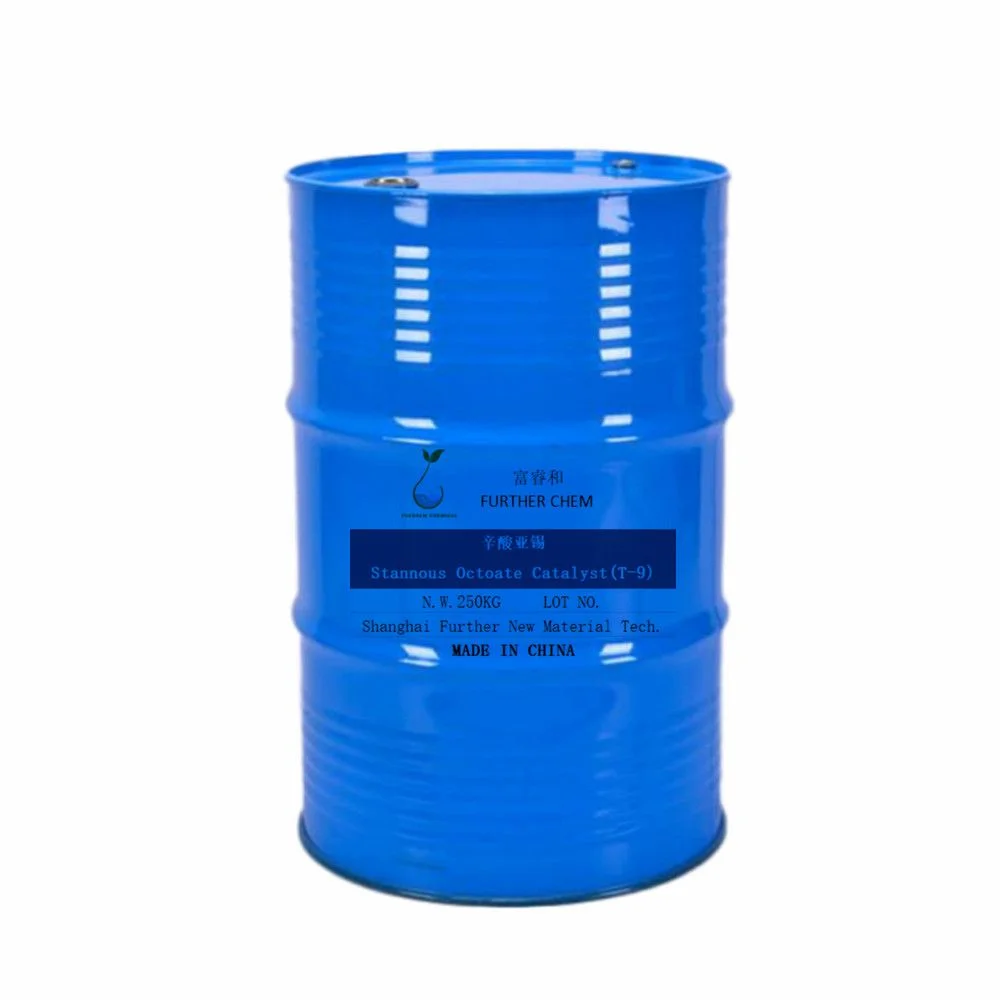
Stannous octoate works as a precision tool. A small dosage change drives a large reactivity shift. A study on the application of stannous octoate highlights three levers: correct dosage, thorough mixing, and tight temperature control. Most foam defects trace back to one of these levers, and each one is fixable. Choose a catalyst by application fit, not by habit.
Key Takeaways
- Start with a small dose of stannous octoate and measure it carefully. Small changes make a big difference in foam quality.
- Mix the catalyst thoroughly to avoid soft or hard spots in the foam. Good mixing gives you even, consistent foam.
- Keep the temperature steady during foam production. Temperature changes can mimic dose changes and cause defects.
Study on the Application of Stannous Octoate: Core Usage Tips
A study on the application of stannous octoate reveals that success in foam production depends on how well operators manage the catalyst. Stannous octoate, often called T-9, is a pale yellow liquid with high stannous content (≥27.8%) and total tin content (≥28.8%). These properties give it strong catalytic efficiency in the gelation reaction. That same strength means small changes produce big effects. The four tips below help operators stay in control.
Dose Small, Measure Often
Stannous octoate is powerful. A tiny amount drives the gelation reaction forward. Operators should start with a low dose and increase it in small steps. A common practice is to adjust the catalyst by fractions of a percent rather than whole percentages. Each adjustment deserves a measurement. Weigh the catalyst with a scale that reads to at least 0.01 grams. Record the dose for every batch. This habit builds a reliable record of what works.
The study on the application of stannous octoate shows that dose response is steep. A small increase in catalyst can cut the gel time sharply. A small decrease can leave the foam too soft or slow to set. Operators who measure often catch these shifts early. They avoid scrapping whole batches. They also build data that guides future runs.
Freshness matters too. Stannous octoate reacts with air and moisture over time. Keep containers sealed under nitrogen protection. Use older stock first. A catalyst that has degraded will not deliver the expected reactivity, and no dose adjustment can fix that.
Mix Thoroughly for Uniform Reactivity
Stannous octoate dissolves in polyols and most organic solvents. It does not dissolve in water. This solubility profile shapes how operators should add it to the foam system. Poor mixing leaves pockets of high catalyst concentration and pockets with none. The result is uneven reactivity across the foam bun. Some areas gel fast. Other areas lag. The foam may show soft spots, hard spots, or irregular cell structure.
Add the catalyst to the polyol stream and mix it well before the isocyanate meets the system. High-shear mixing helps. So does adequate mixing time. Operators should check that the catalyst is fully dispersed, not just stirred in. A uniform blend gives every part of the foam the same reaction speed. That uniformity shows up as consistent cell size and even density.
Mixing also matters at the dispenser head. Inefficient head mixing creates streaks and flow lines. These defects often look like catalyst problems, but the real cause is poor blending. Check the mix quality before blaming the dose.
Control Temperature Within a Tight Window
Temperature controls reaction speed. Stannous octoate amplifies that rule. A warm day speeds the gel reaction. A cold morning slows it down. Operators who ignore temperature chase the dose up and down all day. They never find a stable setting.
Keep the polyol and isocyanate streams within a tight temperature window. Many foam lines target a range of about 20 to 25 degrees Celsius for the raw materials. The exact window depends on the formulation and the equipment. The key is to hold it steady. Precondition the streams before they reach the mix head. Monitor with calibrated sensors. Log the readings for every shift.
The study on the application of stannous octoate confirms that temperature swings mimic dose changes. A rise of a few degrees can shorten cream time and gel time noticeably. Operators who control temperature gain a stable baseline. Dose adjustments then reflect real formulation needs, not weather or plant conditions.
Match Catalyst Level to Process Window
Every foam process has a window. The window defines how fast the foam must cream, rise, and gel. A flexible slabstock line runs at one speed. A molded foam line runs at another. The catalyst level must fit the window, not the other way around.
Start with the process window. Measure the required cream time, rise time, and gel time for the target product. Then set the stannous octoate level to hit those targets. A high-stannous catalyst like T-9 gives strong gelation activity. That strength suits processes that need fast set and good green strength. For slower windows, reduce the dose rather than switching to a weaker catalyst by habit.
The study on the application of stannous octoate also points to balance with other components. The amine catalyst controls the blow reaction. The tin catalyst controls the gel reaction. These two must stay in balance. Too much tin relative to amine gives a tight, closed foam. Too little tin gives a weak foam that collapses. Match the catalyst level to the process window, and check the balance at every formulation change.
Fix Common Foam Defects Fast
Foam defects rarely appear without a cause. Most trace back to the catalyst dose, the mix quality, or the temperature. Operators who learn to read the defect can find the fix fast. The study on the application of stannous octoate offers a clear map for this work. Each defect type points to a specific lever.
Collapse: Check Dose and Reaction Speed
Collapse shows up when the foam rises and then falls back. The cell walls fail before the polymer gains enough strength. The bun loses height. It may show a dense, wrinkled skin on top. Collapse almost always signals a reaction speed problem.
Start with the gel reaction. Stannous octoate drives gelation. Too little catalyst leaves the foam weak during rise. The gas expands faster than the polymer can set. The cell walls rupture. The foam falls. Operators should check the tin dose first. A small increase often restores the balance.
Too much catalyst can also cause collapse. A fast gel traps gas before the foam finishes expanding. The pressure builds inside closed cells. The structure tears. The foam collapses from the inside out. This pattern looks different from a weak-gel collapse. The foam may show internal voids or a torn core.
Reaction speed depends on temperature too. A cold mix head slows the gel reaction. The foam rises before the polymer sets. Collapse follows. Check the stream temperatures before changing the dose. The study on the application of stannous octoate confirms that temperature and dose act together. Fix the temperature first. Then adjust the catalyst.
Shrinkage: Rebalance the System
Shrinkage appears hours after the foam sets. The bun pulls away from the mold walls. It may wrinkle or warp. The foam feels tight and hard. Shrinkage points to an imbalance between the blow reaction and the gel reaction.
The amine catalyst controls blow. The tin catalyst controls gel. Too much tin relative to amine gives a tight foam. The cells stay closed. Gas cannot escape. The foam shrinks as it cools. Operators should check the tin-to-amine ratio. A small reduction in stannous octoate often solves the problem.
Too little tin can also cause shrinkage in some systems. A weak gel leaves the foam open and fragile. The cell struts buckle under their own weight. The foam distorts. This pattern is less common. It appears in formulations with high water content or fast blow rates.
Mechanical factors matter too. Overpacking a mold forces gas out of the cells. The foam shrinks back when the mold opens. Check the fill weight and the mold pressure before blaming the catalyst. Rebalance the system one lever at a time. Change the catalyst dose. Measure the result. Then adjust the next lever.
Surface and Cell Defects: Trace the Source
Surface defects include skin voids, rough patches, and flow lines. Cell defects include coarse cells, irregular cell size, and pin holes. These problems often share a root cause. Poor mixing tops the list.
Stannous octoate dissolves in polyols. It does not dissolve in water. Uneven dispersion leaves catalyst-rich and catalyst-poor zones. The rich zones gel fast. The poor zones lag. The foam shows streaks, hard spots, or irregular cells. Check the mix quality at the head. High-shear mixing and adequate time help. Verify that the catalyst is fully dispersed before the isocyanate meets the system.
Contamination causes similar defects. Moisture reacts with stannous octoate and reduces its activity. Old or poorly sealed catalyst loses strength. Store containers under nitrogen protection. Use older stock first. Keep the catalyst away from air and moisture.
Surface skin voids often trace to mold temperature. A cold mold surface slows the reaction at the skin. The cells collapse or rupture. A hot mold surface speeds the skin reaction and traps gas. Check the mold temperature across the whole surface. Look for hot and cold spots. Fix the mold before changing the formulation.
When to Suspect the Catalyst
The catalyst is a common suspect, but it is not always the culprit. Operators should follow a clear order of checks. This habit saves time and avoids unnecessary reformulation.
Suspect the catalyst when the defect appears suddenly, follows a catalyst lot change, or tracks with dose adjustments. Suspect the process when the defect follows a temperature shift, a mix head change, or a raw material switch.
A sudden change in foam behavior points to the catalyst. A gradual drift points to the process. A defect that appears only in one mold points to the mold or the fill pattern. A defect that appears across all molds points to the formulation or the catalyst.
Check the catalyst lot and storage history. Stannous octoate degrades with air and moisture exposure. A degraded lot will not deliver the expected reactivity. Replace the lot and run a small trial. Compare the result to the baseline. This step confirms or clears the catalyst fast.
Operators should also check the dose record. A transcription error or a scale drift can change the dose without warning. Weigh a sample of the catalyst. Compare it to the recorded value. Small errors in a high-activity catalyst cause large effects.
The table below summarizes the common defects and their first checks.
| Defect | First Check | Second Check |
|---|---|---|
| Collapse | Tin dose and gel speed | Stream temperature |
| Shrinkage | Tin-to-amine ratio | Fill weight and mold pressure |
| Surface voids | Mix quality at the head | Mold temperature |
| Coarse cells | Catalyst dispersion | Contamination and storage |
| Sudden behavior change | Catalyst lot and dose record | Scale calibration |
A structured check finds the cause fast. Most defects trace back to one of the three levers: dose, mixing, or temperature. Fix the lever. Measure the result. Then move to the next check.
Compare Stannous Octoate with Alternative Catalysts
Catalyst choice shapes the process window, the defect profile, and the final cost. A study on the application of stannous octoate shows where this catalyst fits best. The same study shows where other catalysts serve better. Each option has a place.
Stannous Octoate vs. Amine Catalysts
Amine catalysts drive the blow reaction. They push water and isocyanate to release gas. Stannous octoate drives the gel reaction. It builds polymer strength. Formulators often use both together. The amine sets the rise profile. The tin sets the set speed. Amines suit fast-cure lines and low-emission targets. Stannous octoate suits flexible slabstock and molded foam that need strong green strength.
Stannous Octoate vs. Other Tin Catalysts
Tin catalysts share a family, but they differ in strength and speed. The table below shows the general fit for each type.
| Catalyst Type | Strength | Best Fit |
|---|---|---|
| Stannous octoate (T-9) | High gel activity | Flexible slabstock, molded foam |
| Dibutyltin dilaurate | Slower, more selective | Coatings, elastomers, RTV systems |
| Blended tin systems | Balanced rate and cure | Processes needing both speed and pot life |
Stannous octoate offers high stannous content (≥27.8%). That content gives strong catalytic efficiency. Blends with other tin catalysts can fine-tune the balance between reaction rate and curing speed.
Regulatory and Compliance Fit
Compliance needs vary by market and application. Formulators should confirm that the chosen catalyst meets the local rules for the target product. Stannous octoate has a long history in foam production. Its use profile is well documented. Amine catalysts offer low-emission options for markets with tight volatile organic compound limits. Other tin catalysts serve specific niches. Match the catalyst to the compliance profile of the final product.
Cost per Part, Not per Pound
Price per pound tells only part of the story. Stannous octoate is highly active. A small dose does the job. The cost per part stays low even when the drum price looks higher than a weaker catalyst. Amines may cost less per pound but need larger doses. They also affect cure speed and scrap rates. Compare total cost: catalyst dose, scrap rate, cycle time, and energy use. The cheapest drum rarely gives the cheapest part.
The study on the application of stannous octoate confirms three levers solve most issues: precise dosage, thorough mixing, and temperature control. Start defect troubleshooting with the catalyst dose before reformulating. Stannous octoate excels in flexible slabstock and molded foam. Amines suit fast-cure and low-emission needs. Other tin catalysts serve specific processing windows. Choose by application fit, compliance, and total cost. Run small-scale trials before any production change.
FAQ
How much stannous octoate should a foam formulator start with?
Start low and adjust in small steps. Weigh each dose to 0.01 grams. Record every batch. This habit reveals the right level fast.
Does stannous octoate lose strength during storage?
Yes. Air and moisture reduce its activity over time. Keep containers sealed under nitrogen. Use older stock first. Replace any lot that behaves differently.
Which foam processes suit stannous octoate best?
Flexible slabstock and molded foam benefit most. These processes need strong gelation and good green strength. Amine catalysts fit fast-cure and low-emission lines better.
See Also
Best Precoat Materials for Filtration Systems in 2025
Nozzle Solutions Guide for Gardeners, Bioprinters, and Lubrication Experts
Tablet Sampling Machines Explained: Ultimate Laboratory Selection Guide for Buyers
Essential Safety Practices for Storing Nitric Acid Safely
Comparing EHEDG Guidelines and 3A SSI Standards for Hygienic Design