Comparing Standard Optical Sorters and Traditional Sorting Machines for Modern Food Processing
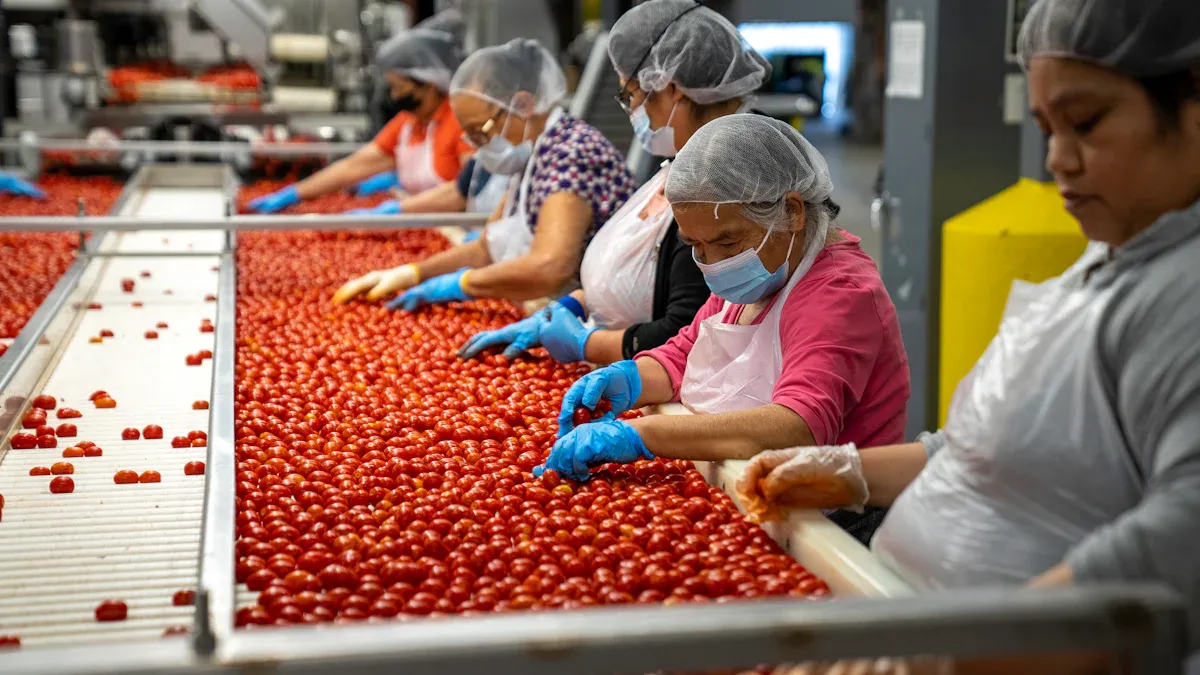
Choosing the right sorting technology shapes the future of food processing. A standard optical sorter delivers unmatched accuracy, efficiency, and adaptability. Companies that invest in advanced systems see better product quality, lower waste, and improved compliance with safety standards. Raymantech leads the field with its AI Standard Optical Sorter, setting new benchmarks for reliability and performance. The technology you select can decide your place in a competitive market and ensure consistent quality for your customers.
Impact Area | Evidence |
|---|---|
Sorting Accuracy | Enhanced sorting accuracy leads to better product selection and quality. |
Waste Reduction | A food processor in Australia reduced food waste by 30% using optical sorters. |
Compliance with Safety Standards | Sorting technologies ensure adherence to food safety regulations, improving product quality. |
Demand for Automation | Increased demand for automated sorting machines to enhance efficiency and maintain quality. |
Rising Consumer Expectations | Higher consumer expectations for quality drive the need for advanced sorting technologies. |
Sorting Technologies Overview
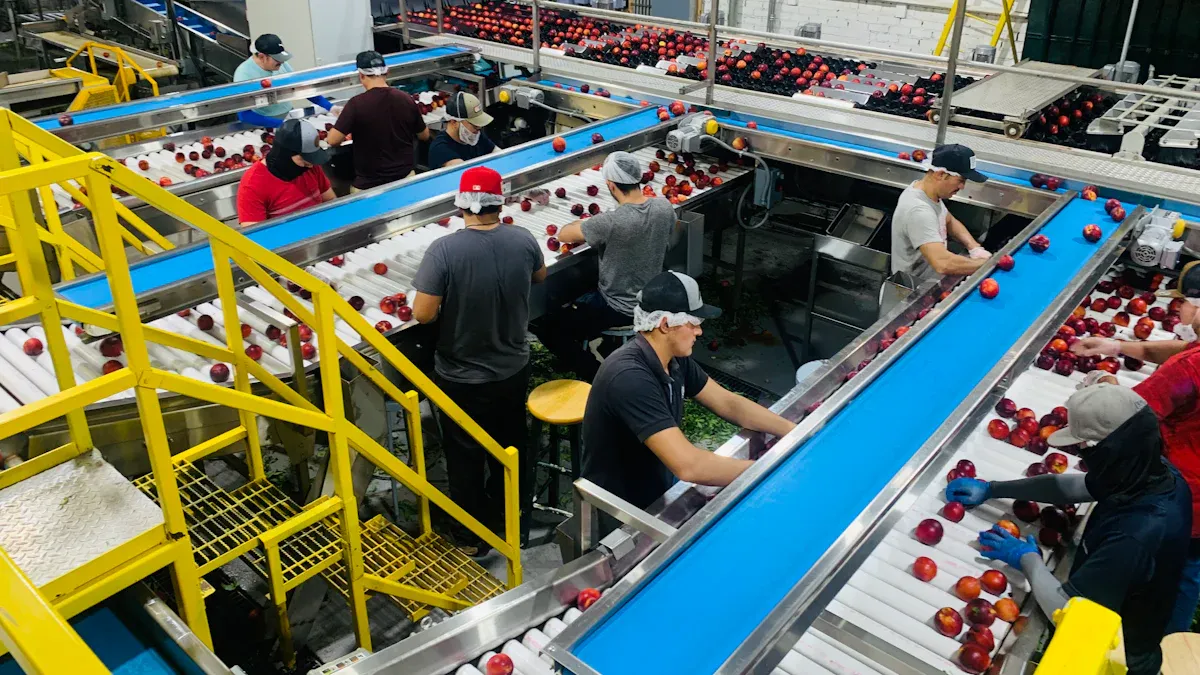
Standard Optical Sorter Overview
A standard optical sorter uses advanced technology to inspect and separate food products. This machine relies on high-resolution cameras, powerful lights, and artificial intelligence to detect differences in color, shape, and size. The Raymantech AI Standard Optical Sorter stands out in this field. It uses self-learning models that improve over time. The system can process data in real time, which helps it make quick and accurate decisions. The feed system spreads products into a single layer, allowing the optical system to examine each item closely. When the sorter finds a defect or foreign object, it uses a burst of air to remove it from the production line. This process ensures only the best products move forward.
Standard optical sorters are used for many tasks. They sort fruits and vegetables by size and color. They remove foreign materials from grains, nuts, and seafood. These machines also help separate ripe tomatoes from unripe ones and detect bruises in apples. In grain processing, they eliminate discolored kernels and sort peanuts by removing shells and debris.
Traditional Sorting Machines Overview
Traditional sorting machines use mechanical or manual methods to separate products. Workers may sort items by hand, or machines may use simple screens and rollers. These systems often rely on fixed criteria and cannot adapt to new product types easily. They may struggle to distinguish between objects that look similar. Processing speed is usually slower, and accuracy can drop when the machine tries to work faster. Traditional machines are still found in some food processing plants, especially where automation is not yet common.
Key Differences
Technology | Raymantech AI Standard Optical Sorter | Traditional Sorting Machines |
|---|---|---|
Speed and Accuracy | Maintains precision at high speeds | Often compromises between speed and accuracy |
AI Models | Uses advanced, self-learning models | Limited learning capabilities |
High-Performance Computing | Processes data in real-time | Slower processing speeds |
Camera Systems | High-resolution for detailed detection | Standard resolution |
Adaptability | Dynamic learning for evolving products | Static sorting criteria |
The standard optical sorter offers unmatched precision and adaptability. It uses optical sorting technologies to analyze products based on size, color, and even chemical composition. Traditional machines, on the other hand, often cannot match this level of detail or flexibility. Choosing the right technology can make a big difference in product quality and operational efficiency.
Precision and Accuracy

Optical Sorter Accuracy
Raymantech’s AI Standard Optical Sorter sets a new standard for precision in food processing. The system uses advanced AI-powered detection to analyze every product on the line. Ultra-high-definition cameras capture detailed images from both sides of each item. This technology allows the sorter to identify even the smallest defects or impurities. The AI system processes these images in real time, making quick decisions that ensure only the best products continue down the line.
AI optical sorters achieve accuracy rates exceeding 99%. This level of accuracy is much higher than what manual inspection can provide.
The advanced imaging system can distinguish between different varieties and grades. This ensures that only the highest quality fruit and vegetables reach customers.
The use of dual-sided industrial cameras means every kernel or piece of food is examined with great detail. The AI-powered grading system then evaluates each item for defects. This process leads to consistent detection of impurities, such as hair or fine strings, which can cause contamination if left unchecked. The LG Series, for example, uses four-dimensional UHDR technology. This allows the machine to identify materials based on color and texture, further improving defect detection. The result is a sorting process that combines speed, precision, and accuracy at every stage.
Traditional Sorting Limitations
Traditional sorting machines rely on mechanical or manual methods. These systems have several limitations when it comes to precision and accuracy.
Traditional machines can only detect defects larger than 0.35mm. Smaller impurities, such as those just 0.1mm in diameter, often go unnoticed.
These machines depend on preset color thresholds and simple shape features. This approach leads to mistakes when sorting complex materials.
Fluctuating lighting conditions and different product positions can confuse traditional sorters. This results in higher rates of mis-selection and missed detection.
Manual sorting also struggles to keep up with the demands of modern food processing. Workers may miss tiny defects or impurities, especially when processing large volumes. As a result, traditional methods cannot match the precision or accuracy of AI-powered optical sorters. The risk of contamination increases when small impurities are not detected and removed. In today’s food industry, maintaining high standards for product quality and safety requires advanced technology that delivers reliable results every time.
Speed and Efficiency
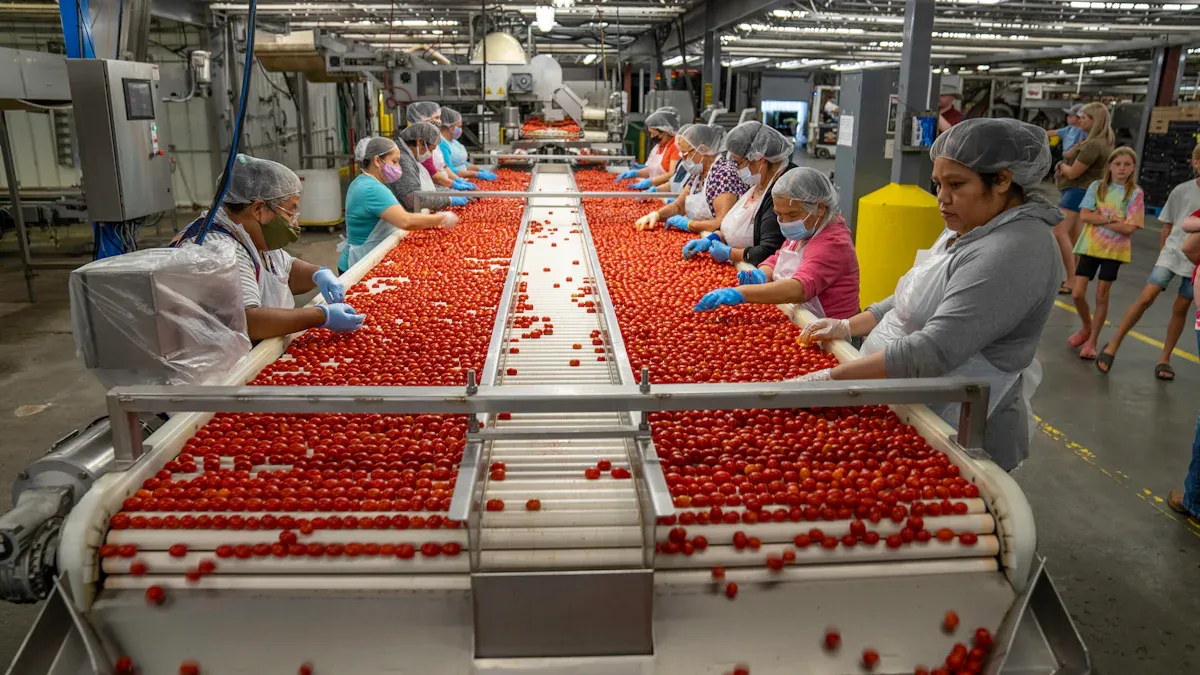
High-Capacity Processing with Optical Sorters
Raymantech’s AI Standard Optical Sorter brings a new level of speed and efficiency to food processing. The machine uses a high-speed belt that can reach 150 to 180 meters per minute. This rapid movement allows the sorter to handle large volumes of product without slowing down. For example, when sorting poppy seeds, the system can process between 800 and 1,200 kilograms per hour. This high throughput means food processors can meet large orders and tight deadlines with ease.
The optical sorter can process up to 15 tons of product per hour in some applications.
Advanced technology inspects every piece, ensuring reliable results at high speed.
The system reduces the need for manual labor, which helps maintain consistent efficiency.
The design of the AI Standard Optical Sorter also leads to better use of resources. It consumes less energy and water compared to older methods. This not only saves money but also supports sustainability goals. The machine’s ability to sort multiple grades in one pass further boosts efficiency, making it a smart choice for modern production lines.
Traditional Sorting Throughput
Traditional sorting machines rely on manual or basic mechanical systems. These methods cannot match the speed or efficiency of modern optical sorters. Manual sorting, for example, can handle up to 250 kilograms per hour, but this depends on the skill and stamina of workers. Mechanical sorters may improve processing speed, but they still fall short of the capacity offered by advanced optical systems.
Sorting Method | Throughput (tons per hour) |
|---|---|
Modern Optical Sorters | Up to 15 |
Traditional Sorting | Much slower |
Manual sorting also requires more workers, which increases labor costs and limits scalability. Mechanical systems can boost efficiency by about 30 percent, but they often lack the precision and adaptability of optical sorters. As a result, traditional methods struggle to keep up with the demands of today’s food industry.
Note: Upgrading to optical sorting technology can lead to higher efficiency, lower energy use, and improved product quality. This shift supports both business growth and environmental responsibility.
Flexibility and Adaptability
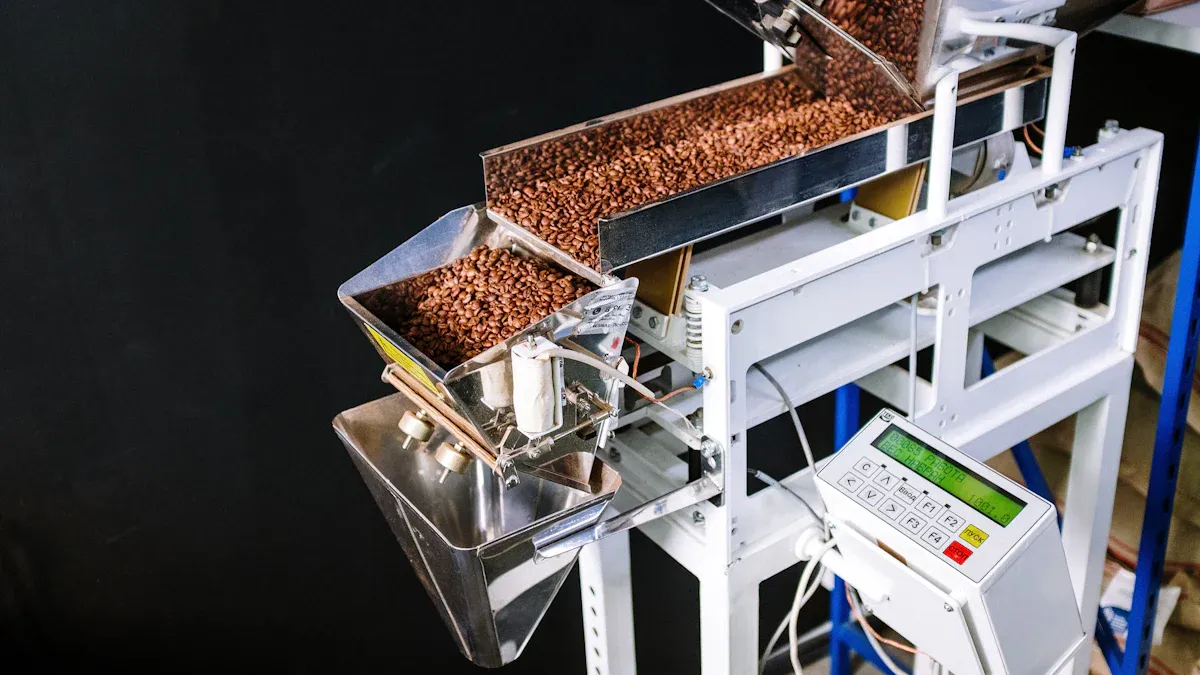
Versatility of Standard Optical Sorters
Raymantech’s AI Standard Optical Sorter stands out for its ability to handle a wide range of food products. The system adapts quickly to different materials, making it suitable for many industries. Operators can switch between products like nuts, grains, and dried fruits with minimal adjustments. This flexibility supports efficient production and reduces downtime.
The following table shows how Raymantech’s sorters work with various products:
Product Type | Applications |
|---|---|
AI Medium Speed Belt Sorter | Aquatic products, pet food, candy, raisins, rose petals, fragile nut kernels |
AI Standard Food X-Ray System | All food industries |
Modern Sorters | Can be calibrated for crops like wheat, oats, or soybeans |
Multi-grade sorting is another key feature. The sorter scans and grades each grain, reducing the need for re-sorting. It detects size, shape, and color differences, which helps maintain consistent quality. The table below highlights important features:
Feature | Description |
|---|---|
Product Tracking | Scans and grades each grain, reducing unclassified grains from being recirculated. |
Size and Shape Detection | Removes unwanted sizes and shapes to maintain consistent product quality. |
Color Detection | Matches up to three colors to detect five color defects simultaneously, minimizing re-sorting. |
Precision Sorting | Accounts for natural variations in products with high accuracy. |
Comprehensive Quality Control | Offers automated quality control from pre-sorting to final inspection, enhancing throughput and accuracy. |
This level of adaptability means processors can meet changing market demands and maintain high standards.
Adaptation Challenges for Traditional Machines
Traditional sorting machines face several challenges when adapting to different materials and quality levels:
These machines struggle to sort complex materials, such as mixed broken glass, paper from cardboard, and various grades of plastics.
They often require technology from other industries to improve sorting capabilities.
Handling contaminants and complex materials presents significant challenges for traditional systems.
Traditional machines use fixed criteria and manual adjustments. This limits their ability to process new or mixed products efficiently. As a result, they may not keep up with the fast-changing needs of modern food processing.
Data and Quality Control
Real-Time Monitoring with Optical Sorters
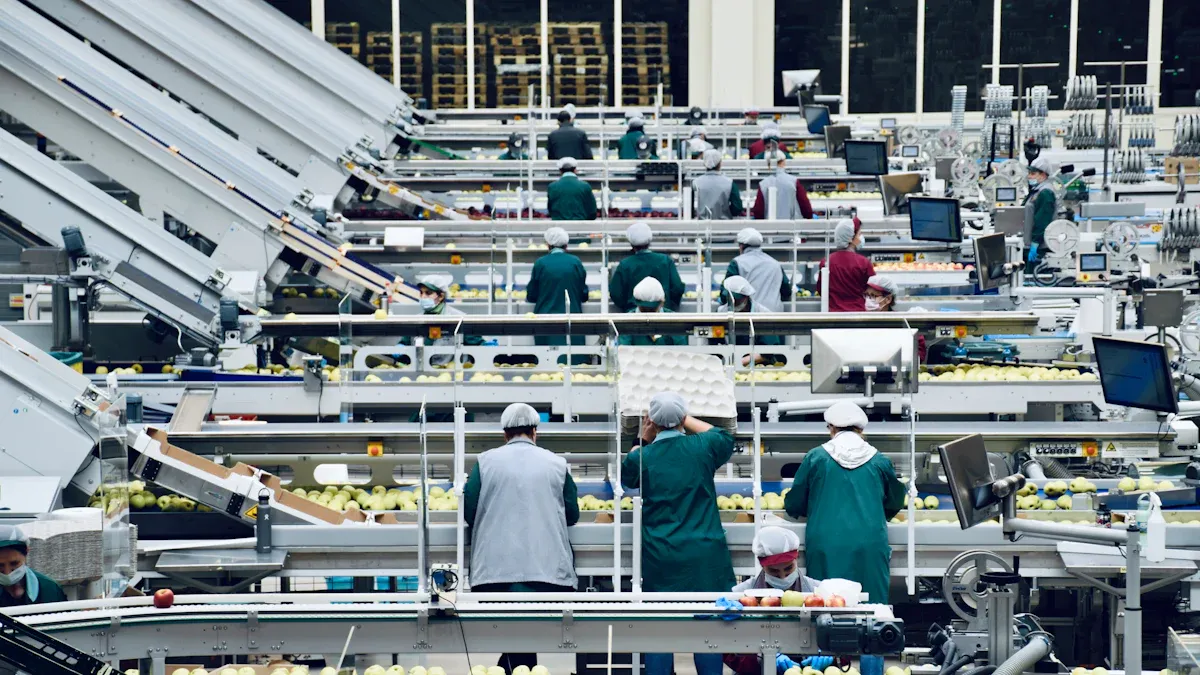
Raymantech’s AI Standard Optical Sorter brings a new level of control to food processing. The system features a user-friendly 15-inch LCD screen that displays real-time analytics. Operators can see every step of the sorting process as it happens. This dashboard visualization helps managers track production and make quick decisions to optimize resource use.
The sorter uses continuous data exchange, which means every action is recorded and reported instantly. This improves traceability and makes it easier to find the source of any issue. Early detection of faulty samples reduces errors and keeps product quality high. The system also monitors important variables like temperature and ingredient ratios, ensuring that each batch meets strict standards.
Feature | Benefit |
|---|---|
Continuous data exchange | Real-time records for better traceability |
Dashboard visualization | Live process tracking and resource planning |
Early detection of faulty samples | Fewer errors and higher accuracy |
Other advanced components include dual cameras for full inspection, customizable lighting for better visibility, and a precision ejection system that removes defective items. The AI system checks for cosmetic flaws, verifies labels, and performs structural checks. These features help standardize quality and minimize interruptions, supporting efficient and reliable quality control.
Quality Assurance in Traditional Sorting
Traditional sorting machines rely on manual checks and basic mechanical systems. Workers inspect products by hand or use simple tools to spot defects. This process can be slow and inconsistent, especially during long shifts. Manual quality control often misses small flaws or subtle differences in color and shape.
Mechanical sorters may speed up the process, but they lack real-time monitoring and data reporting. Managers must rely on periodic checks and written records, which can delay problem-solving. Without instant feedback, it is harder to maintain consistent standards or trace issues back to their source. As a result, traditional methods may struggle to meet the demands of modern food safety and quality requirements.
Cost and Sustainability

Investment in Standard Optical Sorters
When considering new equipment for food processing, the initial investment is a key factor. Raymantech’s AI Standard Optical Sorter represents a higher upfront cost compared to traditional sorting machines. However, this investment brings advanced technology and greater value over time.
Machine Type | |
|---|---|
Traditional Sorting Machines | Under $1,000 |
Entry-level Optical Sorters | Under $1,000 |
High-end Optical Sorters | $9,500 - $26,000 |
Specialized CCD Color Sorter | $19,000 - $26,000 |
Traditional machines and entry-level optical sorters require less money at the start. High-end optical sorters, like Raymantech’s, need a larger investment. This higher cost reflects the advanced features, such as AI-powered detection, ultra-high-definition cameras, and real-time analytics. Over time, these features help companies achieve better results and higher product quality.
Traditional Sorting Machines Cost
Traditional sorting machines seem more affordable at first. Their low purchase price attracts many small businesses. However, these machines often rely on manual labor and basic mechanical parts. This leads to higher ongoing expenses.
Companies must hire more workers to operate and maintain traditional machines.
Manual sorting increases wage and overhead costs.
Lower accuracy means more product waste, which raises material expenses.
Slower processing speeds can cause production delays and reduce output.
Raymantech’s AI Standard Optical Sorter reduces the need for manual labor. Automated sorting systems bring significant cost savings by lowering wage bills and overhead. Improved accuracy also means less waste, which directly decreases material costs. Faster sorting speeds help companies process more products in less time, leading to greater efficiency and cost savings.
Sustainability Impact
Sustainability is now a top priority in food processing. Raymantech’s AI Standard Optical Sorter supports this goal in several ways.
Optical sorters help reduce food waste, which benefits the environment and saves money.
These machines make food production cleaner and faster, increasing productivity.
Companies using optical sorters can support sustainable development goals.
Improved recycling processes are possible with advanced sorting, which helps address environmental concerns.
The use of optical sorters shows a commitment to sustainable business practices.
Traditional sorting machines do not offer the same level of environmental benefits. They often create more waste and use more resources. In contrast, Raymantech’s technology helps companies meet both business and environmental goals. The result is a cleaner, more efficient, and more sustainable food processing operation.
Tip: Investing in advanced optical sorting technology can lead to long-term cost savings, improved efficiency, and a smaller environmental footprint. Companies that choose Raymantech’s AI Standard Optical Sorter position themselves as leaders in both quality and sustainability.
Industry Applications and Case Studies
Raymantech Success Stories
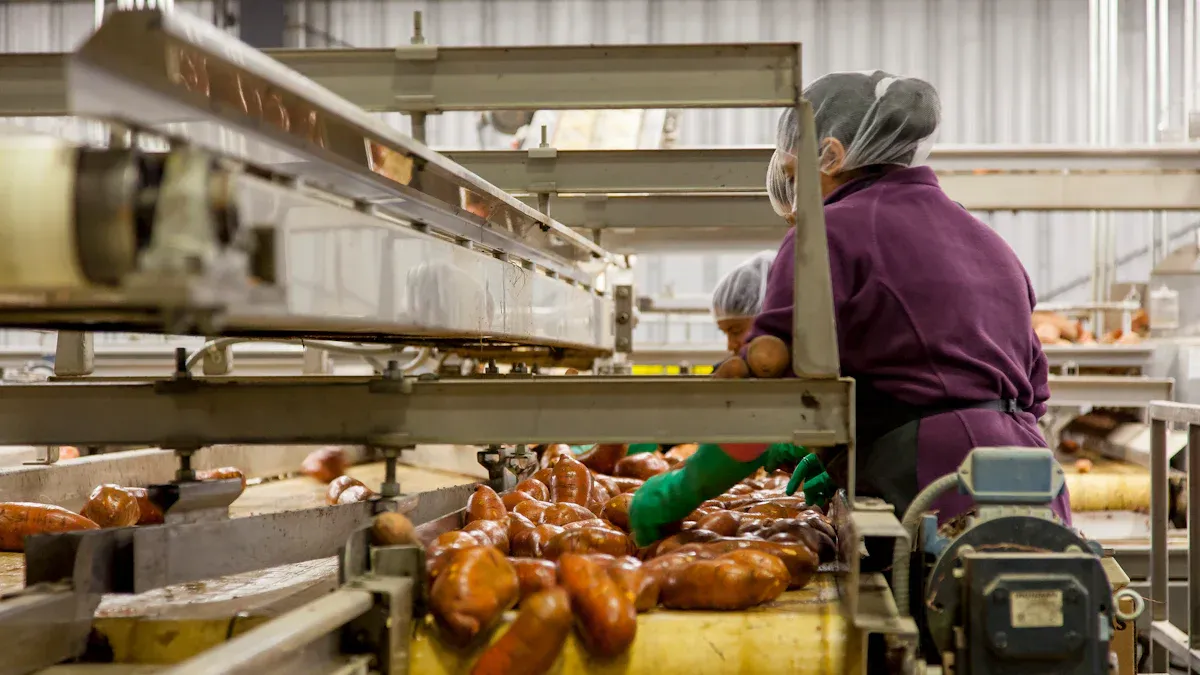
Raymantech’s AI Standard Optical Sorter has made a difference in many industries. In the nut processing sector, companies use this machine to sort almonds, walnuts, and peanuts. The sorter removes shells, stones, and even tiny pieces of debris. This helps processors deliver clean, high-quality nuts to customers. In the grain industry, the sorter checks wheat, rice, and corn for color and shape. It finds and removes damaged kernels and foreign materials. Coffee producers also benefit from this technology. The sorter separates defective beans and ensures only the best beans reach the roasting stage.
Dried fruit companies use Raymantech’s sorter to remove stems and leaves from raisins and apricots. The machine works well with both wet and dry products. It can handle large amounts of food quickly. Many food processors report fewer product recalls and higher customer satisfaction after switching to this system.
Note: Raymantech’s AI Standard Optical Sorter supports multi-grade sorting. This means it can separate products by quality in a single pass, saving time and reducing waste.
Traditional Sorting in Practice
Many factories still use traditional sorting machines. In fruit packing plants, workers often sort apples and oranges by hand. These machines use rollers or screens to separate items by size. In grain mills, traditional sorting machines rely on simple color differences to remove bad kernels. Sometimes, these machines miss small defects or foreign objects.
In nut processing, traditional sorting machines may not catch tiny shell fragments or hair. This can lead to lower product quality. Manual sorting is slow and can be tiring for workers. Companies using traditional sorting machines often face higher labor costs and more waste. These systems may struggle to keep up with the demands of modern food safety standards.
Choosing the Right Solution
Decision Factors
Selecting the best sorting technology for your business requires careful thought. Companies should look at several important factors before making a decision. The table below highlights the main points to consider:
Factor | Description |
|---|---|
Technology | Advanced machines use AI and machine learning for better defect detection. |
Compatibility | The system should handle a wide range of materials, such as food, pharmaceuticals, or goods. |
Energy Efficiency | Low operational costs and sustainability are important for long-term success. |
Scalability | The machine should remain useful as your business grows and needs change. |
After-sales Support | Reliable support helps with maintenance and troubleshooting after purchase. |
A business should also think about how the sorting machine fits into its current production line. The right choice can improve product quality, reduce waste, and support future growth. Energy efficiency and strong after-sales support help keep operations running smoothly.
Raymantech Support for Modernization
Raymantech offers strong support for companies moving to advanced optical sorting. Their machines use modular construction, which makes it easy to add them to existing lines. This design saves time and reduces the need for major changes.
Raymantech’s sorters use advanced sensors to remove defects and ensure product safety. The technology provides high purity in wheat and other crops, which helps companies deliver premium products. Improved efficiency means faster sorting and less waste.
Tip: Raymantech’s team helps with installation, training, and ongoing support. This ensures that businesses get the most from their new sorting equipment.
Raymantech’s solutions help companies stay competitive in a changing market. Upgrading to advanced sorting technology can boost profitability and support sustainable business practices.
Standard optical sorters deliver unmatched quality in food processing. These systems use machine vision to inspect products, ensuring quality for fruits, vegetables, and processed foods. The table below highlights their strengths:
Application Area | Description |
|---|---|
Quality Inspection | Machine vision systems ensure consistent quality across food types. |
Sorting and Grading | Optical sorters improve quality by sorting and grading based on color and defects. |
Advanced Features | High capacity sorters assess color, shape, and size for better quality. |
Optical sorters combine non-destructive techniques and machine learning to boost quality. They offer real-time grading, making quality control faster and more reliable. These systems automate feature extraction, which improves quality and supports food safety. Companies benefit from better quality, less waste, and higher customer trust. For those seeking speed and efficiency, Raymantech’s AI Standard Optical Sorter stands out. Evaluate your needs and reach out to Raymantech for a demo or consultation to enhance quality in your operations.
FAQ
What is the main advantage of using ai in grain sorting?
ai improves accuracy and speed in grain sorting. The system can detect defects and impurities that traditional methods often miss. This technology helps processors deliver higher quality grain to customers.
How does ai technology handle different types of grain?
ai systems adapt quickly to various grain types. Operators can switch between wheat, rice, and other grains with minimal setup. The ai learns from each batch, improving sorting results for every grain processed.
Can ai sorters reduce waste in grain processing?
Yes, ai sorters minimize waste by accurately removing only defective grain. This precision ensures that more usable grain reaches the market. Companies see less product loss and better resource use.
Is ai sorting suitable for both small and large grain operations?
ai sorting works well for any size operation. Small businesses benefit from improved quality, while large processors handle high volumes efficiently. The technology scales to fit different grain processing needs.
How does ai support sustainability in grain processing?
ai reduces waste and energy use in grain sorting. The system processes grain faster and with fewer errors. This efficiency supports sustainable practices and helps companies meet environmental goals.
Tip: ai-powered grain sorting boosts quality, efficiency, and sustainability for modern food processors.