Stainless Steel vs Plastic Water Dispensers The Definitive Guide
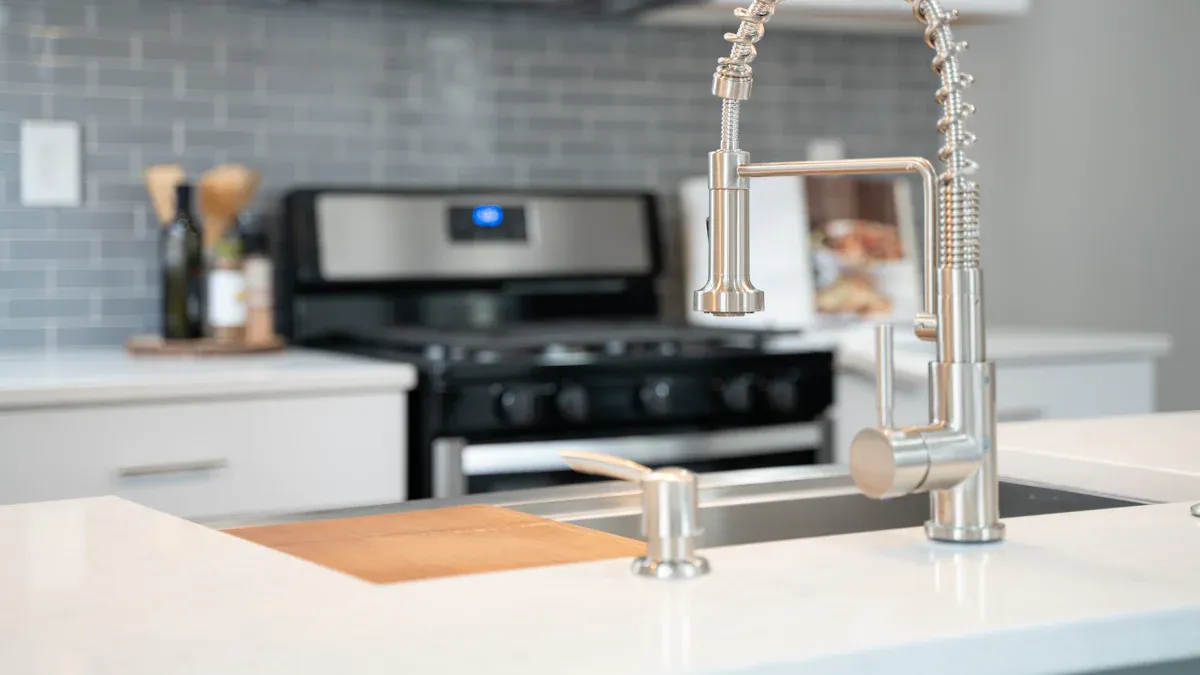
A stainless water dispenser represents a top choice for health, durability, and long-term value. Plastic dispensers, however, present a budget-friendly alternative with a lower upfront cost. Your decision balances immediate savings against lasting quality and peace of mind.
Key Takeaways
- Stainless steel water dispensers are healthier. They do not add chemicals to your water. Plastic dispensers can put chemicals into your water.
- Stainless steel dispensers last longer. They are strong and do not break easily. Plastic dispensers wear out faster and need to be replaced.
- Stainless steel dispensers keep water tasting fresh. They do not hold onto bad smells. Plastic dispensers can make water taste like plastic.
Health and Safety: A Material Showdown
When you choose a water dispenser, you are making a decision that directly impacts your daily health. The material of your dispenser determines the purity of your water. Let's explore how stainless steel and plastic compare in this critical area.
Chemical Purity vs. Leaching Risks
You expect your water to be clean and pure. Stainless steel helps ensure this. Food-grade stainless steel is a stable, non-reactive material. It does not release chemicals into your water, so the taste remains fresh and untainted. A scientific study confirmed this, finding no detectable BPA migration from uncoated stainless steel bottles. This gives you peace of mind with every glass you drink.
Plastic dispensers, however, introduce the risk of chemical leaching. Leaching happens when tiny chemical particles from the plastic mix into the water. Even plastics marketed as "BPA-free" can be a concern.
What Could Be in Your Water? 💧
Studies show that various chemicals can leach from plastic containers, especially with age, heat, or exposure to sunlight. These include:
- Bisphenol A (BPA): A well-known chemical linked to health issues. One study found that people drinking from plastic bottles had 70% higher BPA levels in their urine.
- BPA Alternatives (BPS, BPF): Often used in "BPA-free" products, these chemicals may have similar effects to BPA.
- Phthalates: These plastic softeners can leach from certain plastics, particularly those made from recycled materials.
- Antimony: This metal is used in the production of PET plastic and can seep into water over time.
These risks increase as a plastic dispenser gets older or develops tiny scratches, creating more opportunities for chemicals to enter your water.
Bacterial Resistance and Hygiene
Hygiene is another major factor in your choice. The surface of your dispenser plays a huge role in preventing the growth of germs.
Stainless steel has a non-porous surface. This means it is incredibly smooth, with no tiny holes or cracks where bacteria can hide. This slick surface makes it very difficult for germs to attach and form colonies. Because stainless steel resists corrosion, it stays smooth over its lifetime. It can also handle high-temperature cleaning for effective sterilization.
Plastic surfaces are softer and more porous. Over time, cleaning and daily use create microscopic scratches. These scratches become perfect breeding grounds for bacteria and biofilm. One common bacterium found in plastic water systems is Pseudomonas aeruginosa, which thrives on these surfaces.
Scientific studies consistently show that plastic surfaces hold onto more bacteria than stainless steel. The data below shows how much bacteria is removed from different surfaces after cleaning.
| Surface Type | Bacterial Reduction (Cleaned with Water) | Bacterial Reduction (Cleaned with Detergent) |
|---|---|---|
| Thermoplastic (Plastic) | 9.7% – 25.7% | Up to 39.4% |
| Stainless Steel | 22.5% – 30.6% | 36.3% – 41.3% |
As you can see, stainless steel surfaces consistently release more bacteria during cleaning. This makes them easier to keep truly clean and hygienic for your daily use.
Why a Stainless Water Dispenser Excels in Durability
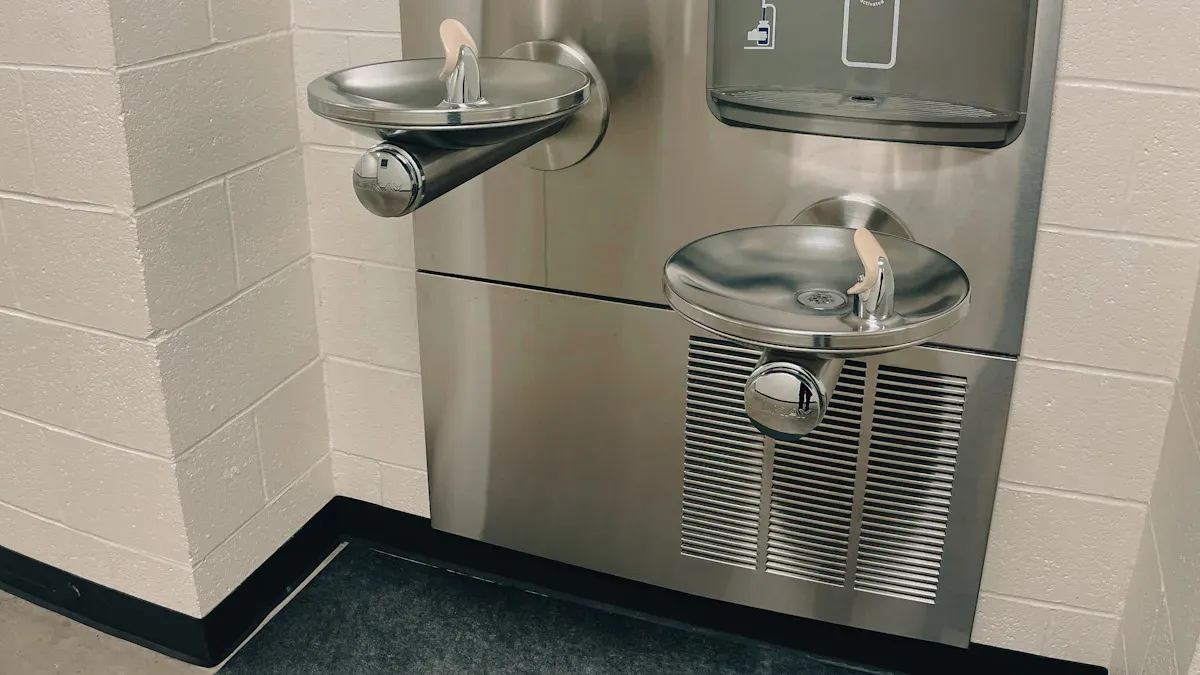
Your water dispenser is an appliance you use every day. You need it to be reliable and long-lasting. Durability is not just about saving money on replacements; it is also about the quality of your water over time.
Built to Last vs. Prone to Wear
You want a product that offers excellent value for your money. A stainless water dispenser is a long-term investment in quality. With proper care, these dispensers can last for 10 to 15 years. This impressive lifespan means you will not have to worry about frequent replacements. The durability comes from the material itself. Stainless steel contains an element called chromium. When chromium meets oxygen in the air, it forms a thin, invisible protective layer. This layer shields the steel from rust and corrosion, keeping it strong for years.
The Science of Strength 🛡️
The chromium oxide layer on stainless steel is self-healing. If the surface gets scratched, the chromium immediately reacts with oxygen again to repair the protective barrier. This keeps your dispenser looking great and functioning perfectly.
Plastic dispensers, on the other hand, are prone to wear and tear. They are much more susceptible to damage.
- Cracking: Plastic can become brittle over time and develop cracks, leading to leaks.
- Discoloration: Exposure to sunlight can cause the plastic to turn yellow and look old.
- Scratches: The soft surface of plastic scratches easily during cleaning, which can weaken the structure.
This means you will likely need to replace a plastic dispenser much sooner, turning a low initial cost into a recurring expense.
Pure Taste vs. Plastic Aftertaste
You drink water to feel refreshed. The last thing you want is a strange, unpleasant taste. Stainless steel ensures your water tastes exactly as it should: pure and clean.
The reason is simple. Stainless steel is a non-porous and inert material. "Non-porous" means the surface has no tiny holes to trap particles. "Inert" means it does not react chemically with the water it holds. This combination prevents any flavors from being added to your water.
Dr. Lewis, a food scientist, explains, “Stainless steel’s ability to remain inert is crucial for maintaining water’s purity.”
Plastic tells a different story. Have you ever noticed a faint "plastic" taste from a water bottle? This happens because plastic surfaces are porous. They contain microscopic pores that absorb and hold onto odors and flavors.
These pores can trap smells from:
- Strong-smelling foods in your kitchen, like garlic or curry.
- The plastic material itself, which can release its own chemical taste.
- Previous liquids if the container was ever used for something other than water.
Over time, these trapped odors leach back into your water, giving it an unpleasant aftertaste. A stainless water dispenser avoids this problem entirely, delivering a fresh, clean taste with every glass.
Daily Use and Practicality
Your daily routine should be simple, not complicated. The material of your water dispenser directly affects how you clean it and how well it performs.
Effortless Cleaning vs. Careful Maintenance
You can keep a stainless steel dispenser hygienic with minimal effort. Its smooth, non-porous surface releases germs easily. For best results, follow a simple cleaning schedule.
Easy Cleaning for Stainless Steel 🧼
- Daily: Wipe down the outside and soak nozzles in warm, soapy water.
- Weekly: Flush the water lines to keep them fresh.
- Every 6 Months: Change the water filter.
Note: Always use soap and water. Avoid cleaners with high chlorine, as they can damage the steel.
Plastic requires more careful maintenance. Plastic is a soft material that scratches easily, even with gentle cleaning. These tiny, invisible scratches become "canyons" where bacteria can hide and grow. Over time, bacteria form a protective slime called biofilm, which is difficult to remove completely. This means you have to be extra cautious to keep a plastic dispenser truly clean.
Superior Temperature Retention
You want your cold water to be cold and your hot water to be hot. Stainless steel excels at maintaining temperature. It has excellent thermal stability, meaning it will not warp or soften when exposed to heat. This makes a stainless water dispenser a reliable choice for both hot and cold dispensing.
Plastic, however, has a much lower heat tolerance. Exposure to high temperatures, whether from a heating element or direct sunlight, can cause the plastic to warp, soften, or degrade. This not only affects the dispenser's performance but can also weaken its structure over time, leading to potential failure.
Cost and Environmental Considerations
Your choice affects both your wallet and the planet. You must weigh the immediate cost against the long-term value and environmental impact.
Initial Price vs. Long-Term Investment
You will notice a price difference when shopping. Plastic dispensers often have a lower upfront cost. However, a stainless water dispenser is a smarter long-term investment.
A Look at the Numbers 💰
- Plastic Dispensers (White/Black): $9.00 – $274.00
- Stainless Steel Dispensers: $9.00 – $305.00
While the initial price of steel can be higher, its total cost over time is often lower. This is called Life Cycle Costing (LCC). LCC includes the purchase price, maintenance, and replacement costs. Because steel lasts much longer, you avoid buying replacements, saving you money in the long run.
Recyclability vs. Plastic Waste
Your decision also has an environmental footprint. Stainless steel is a champion of sustainability. It is one of the most recycled materials on the planet.
Did You Know? ♻️
Studies show that about 95% of stainless steel is collected and recycled at the end of its life. This circular process reduces waste and conserves resources.
Plastic, however, creates a serious waste problem. It takes hundreds of years to break down and pollutes our soil and water with microplastics. In the U.S., only about 5% of plastic waste was recycled in 2021. The rest ends up in landfills or the environment. Choosing steel helps you reduce your contribution to plastic pollution.
At-a-Glance: Steel vs. Plastic
When you need to make a quick decision, this summary breaks down the key differences.
Purity vs. Potential Leaching
You get pure, clean water from a stainless steel dispenser. Its material is stable and does not release chemicals. Plastic, however, can be a risk.
Studies show that plastic can leach potentially toxic elements like lead (Pb) into your water, especially when it gets warm. This creates a health risk you can easily avoid.
Longevity vs. Short Lifespan
You can count on a stainless steel dispenser to last for many years. It resists rust and damage, making it a durable appliance. Plastic dispensers have a much shorter lifespan. They can crack, turn yellow, and wear out quickly, forcing you to buy replacements.
Fresh Taste vs. Odor Retention
Your water will always taste fresh from a steel dispenser. The non-porous surface does not hold onto flavors or smells. Plastic is different. Its porous surface can absorb odors from your kitchen or the plastic itself, giving your water an unpleasant aftertaste.
Simple Cleaning vs. Scratch Risks
You will find cleaning a stainless steel dispenser to be simple. Its smooth surface releases germs easily, keeping your water hygienic. Plastic requires more careful work. Its soft surface scratches easily, creating hiding spots for bacteria that are difficult to clean.
Higher Upfront Cost vs. Lower Price
You will pay less at first for a plastic dispenser. However, a stainless steel dispenser offers a better return on your investment.
- Plastic: Lower initial price but requires frequent replacement.
- Stainless Steel: Higher initial price but saves you money over time.
Sustainable vs. Disposable
You make an environmentally friendly choice with stainless steel. It is one of the most recycled materials in the world. Plastic creates a major waste problem, with most of it ending up in landfills and polluting the environment.
You should choose a stainless water dispenser for the best long-term health, durability, and taste. It is a worthwhile investment. If budget is your main concern, a quality plastic model can serve you well for a short time.
Your decision comes down to a simple choice:
- Stainless Steel: Lasting peace of mind.
- Plastic: Short-term affordability.
FAQ
Which dispenser is healthier?
You will find stainless steel is healthier. It does not leach chemicals into your water. Plastic can release chemicals, creating a potential health risk over time.
Is BPA-free plastic safe?
You should still be cautious. "BPA-free" plastics can release other chemicals that may have similar effects. Stainless steel avoids this risk entirely.
Is a stainless steel dispenser worth the higher price?
Yes, you save money over time. A steel dispenser lasts much longer, so you avoid buying replacements. It is a smart long-term investment. 💰