The Real Differences Between Stainless Steel and Other Food Truck Materials
Food truck owners face a critical decision when selecting construction materials. Stainless Steel Food Truck options offer unique advantages in durability, hygiene, and long-term value. Other materials, such as aluminum, mild steel, fiberglass, and wood, present their own strengths and weaknesses.
- Durability and ease of cleaning shape the daily operations of every food truck.
- Cost and maintenance influence long-term profitability and safety.
Stainless Steel Food Truck vs. Other Materials: Quick Comparison

Common Materials Used in Food Trucks
Food truck manufacturers select materials based on durability, hygiene, and cost. Stainless steel, aluminum, mild steel, fiberglass, and wood represent the most common choices. Each material offers unique properties that impact performance and maintenance.
- Stainless steel provides exceptional resistance to corrosion and wear.
- Aluminum delivers lightweight construction and moderate durability.
- Mild steel offers strength but lacks corrosion resistance.
- Fiberglass supplies flexibility and insulation but can crack under stress.
- Wood creates a classic appearance but absorbs moisture and odors.
Tip: Food truck owners should evaluate material options based on their business needs, local climate, and health regulations.
Comparison Table: Stainless Steel, Aluminum, Mild Steel, Fiberglass, Wood
The following table highlights the main differences between these materials. It compares durability, hygiene, maintenance, cost, and suitability for food truck environments.
| Material | Durability | Hygiene | Maintenance | Cost | Suitability for Food Trucks |
|---|---|---|---|---|---|
| Stainless Steel | High | Excellent | Low | High | Best overall |
| Aluminum | Moderate | Good | Moderate | Moderate | Good for lightweight builds |
| Mild Steel | Moderate | Fair | High | Low | Prone to rust |
| Fiberglass | Low | Fair | Moderate | Moderate | Insulation, but fragile |
| Wood | Low | Poor | High | Low | Not recommended |
Stainless Steel Food Truck construction stands out for its superior durability and hygiene. Aluminum suits operators seeking lighter vehicles. Mild steel appeals to those prioritizing upfront savings, though it requires frequent maintenance. Fiberglass works for specialty builds but lacks strength. Wood rarely meets modern food safety standards.
Note: Stainless Steel Food Truck materials comply with most health codes and withstand heavy use, making them the preferred choice for professional operators.
Durability and Longevity in Food Truck Materials
Corrosion Resistance
Food truck owners often prioritize corrosion resistance when selecting materials. Stainless steel, especially the 304 and 316 series, demonstrates high resistance to rust and chemical exposure. Aluminum offers moderate protection but can corrode in salty or acidic environments. Mild steel rusts quickly without proper coatings. Fiberglass resists moisture but may degrade over time. Wood absorbs water and deteriorates rapidly.
| Material Type | Corrosion Resistance Rating | Notes |
|---|---|---|
| 200 series stainless steel | Low | Cheaper, acceptable for food truck use |
| 304 series stainless steel | High | Common in kitchens, resistant to rust except with high salt exposure |
| 316 series stainless steel | Very High | Contains molybdenum for enhanced rust resistance against salt and chemicals |
| 430 series stainless steel | Moderate | Not as corrosion resistant, magnetic |
| 440 series stainless steel | Very High | Strongest option, high carbon content for durability |
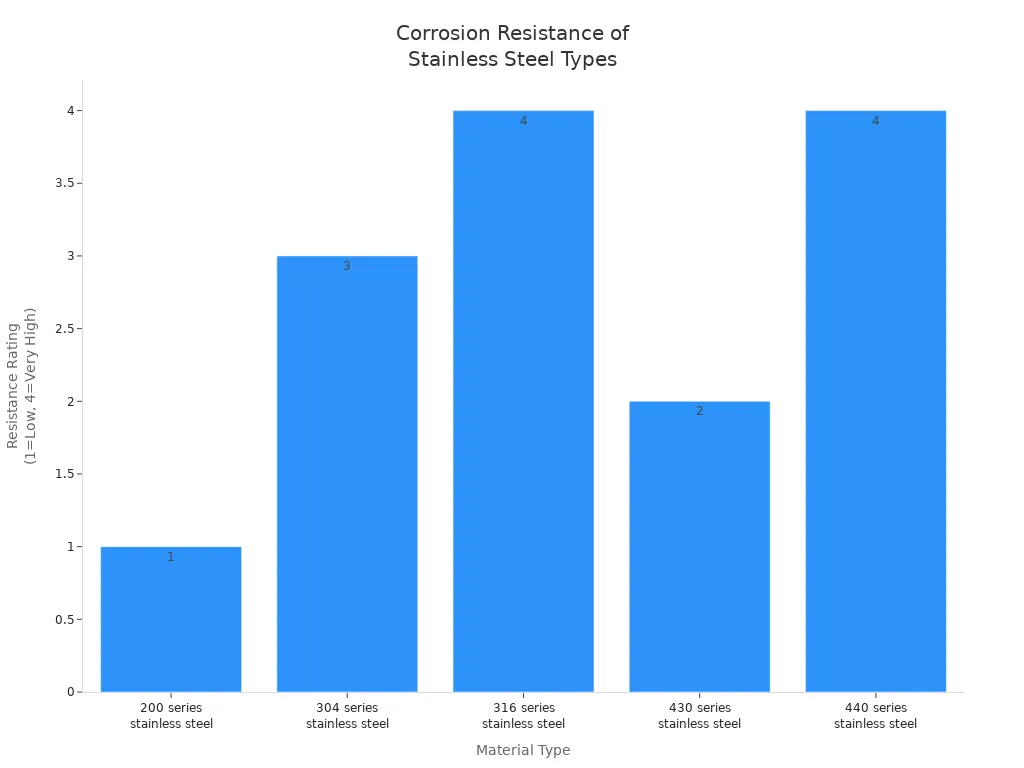
Note: Stainless steel stands out as the preferred choice for food truck environments where moisture and cleaning chemicals are common.
Strength and Wear Over Time
Material strength affects how well a food truck withstands daily operations. Stainless steel maintains structural integrity under heavy use. Aluminum bends more easily but remains lightweight. Mild steel provides solid strength but loses durability due to rust. Fiberglass cracks under repeated stress. Wood warps and splinters, reducing its lifespan.
- Stainless steel resists dents and scratches.
- Aluminum suits lighter builds but may deform.
- Mild steel needs frequent repairs.
- Fiberglass and wood require replacement sooner.
Weather and Environmental Impact
Weather conditions challenge food truck materials. Stainless Steel Food Truck bodies endure rain, heat, and cold without significant damage. Aluminum performs well in dry climates but corrodes in coastal areas. Mild steel rusts in humid environments. Fiberglass insulates but suffers from UV exposure. Wood fails in wet or extreme conditions.
Tip: Food truck owners should select materials based on local climate and expected wear to maximize longevity.
Hygiene and Food Safety in Stainless Steel Food Truck Construction
Cleanliness and Sanitation
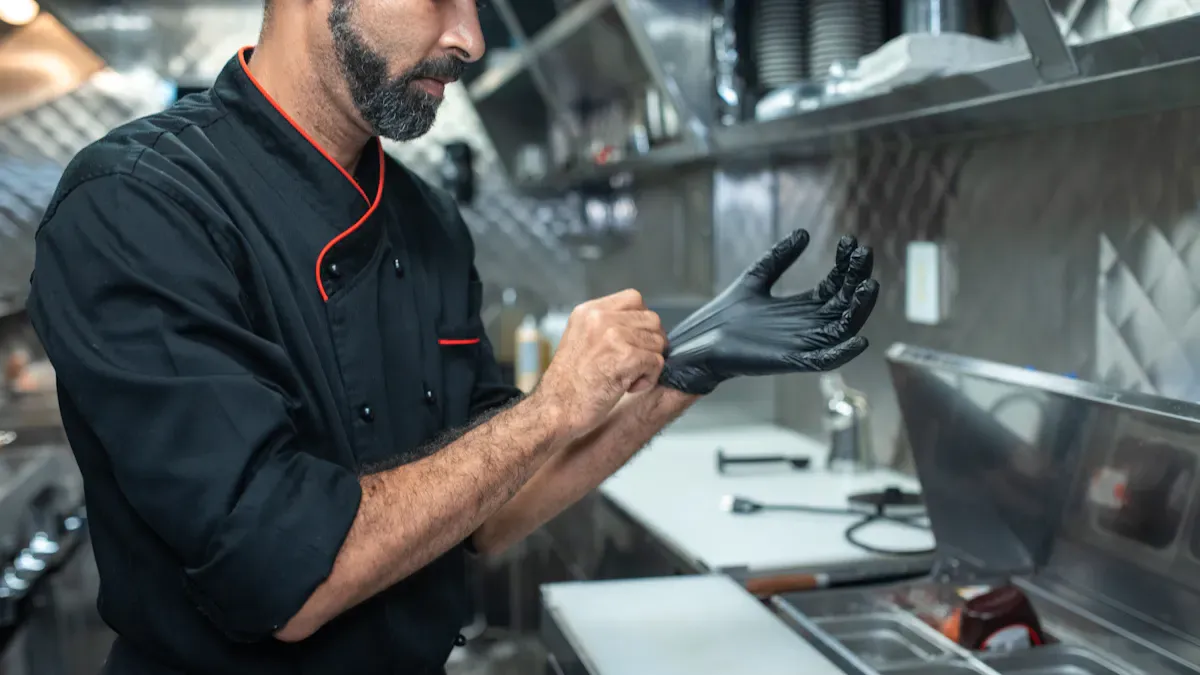
Food truck operators value materials that simplify cleaning routines. Stainless steel surfaces allow quick removal of food residue and grease. Staff can use commercial-grade cleaners without damaging the material. The smooth finish prevents bacteria from hiding in crevices. Many choose stainless steel for its ability to withstand frequent sanitizing. Cleaning protocols become easier, and the risk of cross-contamination drops.
Note: Health inspectors often recommend stainless steel for food trucks because it supports strict sanitation standards.
Resistance to Stains and Odors
Stainless steel resists stains from sauces, oils, and acidic foods. Unlike wood or fiberglass, it does not absorb odors. Operators notice that stainless steel maintains a fresh appearance even after heavy use. The material does not discolor or retain smells, which helps preserve food quality. This resistance protects the food truck’s reputation and ensures a pleasant environment for staff and customers.
- Stainless steel does not trap food particles.
- The surface stays odor-free after cleaning.
- Operators avoid costly deep-cleaning treatments.
Compliance with Health Regulations
Regulatory agencies set high standards for food truck construction. Stainless Steel Food Truck designs meet most local and national health codes. The material’s non-porous surface prevents microbial growth. Inspectors look for easy-to-clean surfaces and durable construction. Stainless steel satisfies these requirements, making it the preferred choice for professional food truck builders.
| Regulation Requirement | Stainless Steel | Other Materials |
|---|---|---|
| Non-porous surface | ✅ | ❌ |
| Easy to sanitize | ✅ | ❌ |
| Resistant to contamination | ✅ | ❌ |
🛡️ Stainless steel helps operators pass inspections and maintain safe food preparation areas.
Maintenance and Upkeep for Food Truck Materials
Cleaning Requirements
Food truck operators must clean surfaces daily to maintain food safety. Stainless steel stands out for its smooth, non-porous finish. Staff can wipe down counters and walls quickly with standard sanitizers. Aluminum also cleans easily but may stain from acidic foods. Mild steel requires special attention to prevent rust during cleaning. Fiberglass needs gentle cleaners to avoid surface damage. Wood absorbs moisture and harbors bacteria, making sanitation difficult.
Tip: Stainless steel allows operators to use strong disinfectants without damaging the surface, reducing cleaning time and effort.
Repair and Replacement Costs
Material choice affects long-term repair expenses. Stainless steel resists dents and scratches, so repairs remain rare. Aluminum panels may bend or dent, requiring occasional straightening or replacement. Mild steel rusts, leading to frequent patching or repainting. Fiberglass cracks under stress, which means costly repairs. Wood deteriorates quickly, often needing full replacement.
| Material | Repair Frequency | Typical Cost |
|---|---|---|
| Stainless Steel | Low | Low |
| Aluminum | Moderate | Moderate |
| Mild Steel | High | High |
| Fiberglass | High | High |
| Wood | Very High | Very High |
Operators who choose stainless steel often save money over time due to fewer repairs and replacements.
Ease of Maintenance
Stainless steel offers the simplest maintenance routine. Staff can inspect surfaces for damage or residue with ease. Aluminum requires regular checks for corrosion, especially in humid areas. Mild steel needs constant attention to prevent rust. Fiberglass and wood demand specialized care and frequent repairs.
- Stainless steel simplifies daily upkeep.
- Other materials increase maintenance time and costs.
- Food truck owners prefer materials that support efficient operations.
Note: Investing in stainless steel reduces downtime and keeps food trucks running smoothly year-round.
Cost and Value of Stainless Steel Food Truck Materials
Initial Investment
Food truck owners often notice that stainless steel requires a higher upfront investment compared to other materials. The cost reflects the quality, durability, and compliance with health standards. Aluminum and mild steel may seem more affordable at first, but they lack the long-term benefits of stainless steel. Many manufacturers recommend stainless steel for critical areas such as kitchen surfaces and walls. This choice ensures a professional appearance and meets most regulatory requirements.
| Material | Average Initial Cost | Notes |
|---|---|---|
| Stainless Steel | High | Best for hygiene and strength |
| Aluminum | Moderate | Lightweight, less durable |
| Mild Steel | Low | Prone to rust |
| Fiberglass | Moderate | Fragile, limited lifespan |
| Wood | Low | Not suitable for kitchens |
Note: Investing in quality materials at the start can prevent costly upgrades later.
Long-Term Savings
Stainless steel offers significant savings over the life of a food truck. Owners spend less on repairs and replacements because the material resists dents, corrosion, and stains. Cleaning routines become faster and more effective, reducing labor costs. Aluminum and mild steel require frequent maintenance, which increases expenses over time. Fiberglass and wood often need early replacement due to wear or damage.
- Stainless steel reduces maintenance costs.
- The material extends the service life of the truck.
- Owners avoid unexpected repair bills.
Resale Value
A food truck built with stainless steel retains its value better than those made from other materials. Buyers look for trucks that meet health codes and require minimal repairs. Stainless steel surfaces stay attractive and functional, making the truck easier to sell. The resale market favors trucks with proven durability and low maintenance histories. A Stainless Steel Food Truck often commands a higher price and sells faster than competitors.
Tip: Choosing stainless steel increases the return on investment when it is time to upgrade or sell the truck.
Stainless Steel Food Truck Types: 304 vs. 201
Differences in Composition
Food truck builders often choose between 304 and 201 stainless steel. These two grades differ in chemical makeup and performance. Grade 304 contains more nickel and chromium, which increases its resistance to rust and corrosion. Grade 201 uses less nickel and more manganese, making it less expensive but also less durable in harsh conditions.
| Feature | Steel 304 | Steel 201 |
|---|---|---|
| Corrosion resistance | High – does not rust in humid or acidic settings | Inferior – may rust with moisture or acids |
| Lifetime | Long lasting – decades of reliable service | Shorter – wears out faster |
| Suitability for humid areas | Ideal – handles outdoor and frequent cleaning | Unsuitable – degrades with exposure |
| Price | Higher – investment in quality | Lower – but shorter service life |
| Use in gastronomy | Professional – best for food trucks and kitchens | Less suitable – may cause issues |
Tip: Food truck owners who operate in wet or coastal regions should consider 304 stainless steel for maximum protection.
Performance in Food Truck Environments
Grade 304 stainless steel performs well in demanding food truck settings. It resists corrosion from cleaning chemicals, food acids, and constant moisture. Many manufacturers use 304 for sinks, work tables, and cooking surfaces. Grade 201 offers moderate resistance but can develop rust spots over time, especially with frequent washing or acidic foods.
| Stainless Steel Grade | Corrosion Resistance | Cost | Common Applications in Foodservice |
|---|---|---|---|
| 304 | High | Higher | Sinks, work tables, cooking utensils |
| 201 | Moderate | Lower | Gaining acceptance in foodservice |
Food truck operators who want long-lasting, hygienic surfaces often select 304. Grade 201 may suit trucks with lower budgets or less exposure to harsh conditions, but it does not match the reliability of 304.
Cost Comparison
Price plays a role in material selection. Grade 201 stainless steel costs less than 304, making it attractive for budget-conscious buyers. However, the lower price comes with trade-offs in durability and maintenance. Grade 304 requires a higher initial investment but delivers better corrosion resistance and mechanical strength.
| Stainless Steel Grade | Cost Comparison | Corrosion Resistance | Mechanical Properties |
|---|---|---|---|
| 304 | Higher | Superior | Better |
| 201 | Lower | Moderate | Adequate |
Note: Investing in 304 stainless steel can reduce long-term repair costs and extend the lifespan of a food truck.
Why Professionals Choose Stainless Steel Food Truck Materials
Real-World Examples
Many food truck operators rely on stainless steel for their daily operations. He uses stainless steel counters to prepare food quickly and safely. She cleans stainless steel sinks with commercial sanitizers, ensuring compliance with health codes. They operate in cities with strict regulations, where inspectors check for non-porous surfaces and easy-to-clean materials. One owner in Miami reported that his Stainless Steel Food Truck survived hurricane conditions without corrosion or structural damage. Another operator in Seattle noted that stainless steel surfaces resisted stains from coffee and sauces, maintaining a professional appearance for customers.
Professionals in the industry often share stories about reduced maintenance costs and improved hygiene after switching to stainless steel. These examples highlight the material’s reliability in demanding environments.
Practical Benefits for Food Truck Owners
Stainless steel offers several practical advantages for food truck owners. The material resists dents and scratches, which protects the truck’s value. Owners spend less time cleaning, allowing staff to focus on serving customers. Stainless steel surfaces do not absorb odors, so food tastes fresh every day. The material meets health regulations, reducing the risk of fines or shutdowns. Owners find that stainless steel simplifies repairs, as replacement panels are easy to source and install.
- Stainless steel supports efficient workflows.
- Owners avoid costly repairs and replacements.
- The material maintains a clean, attractive appearance.
| Benefit | Stainless Steel | Other Materials |
|---|---|---|
| Hygiene | ✅ | ❌ |
| Durability | ✅ | ❌ |
| Maintenance | ✅ | ❌ |
| Regulatory Compliance | ✅ | ❌ |
Food truck professionals choose stainless steel because it delivers consistent performance, safety, and value.
Stainless steel stands out as the premier material for food trucks. Operators benefit from unmatched durability, superior hygiene, and lasting value.
- 304 stainless steel resists corrosion and supports easy cleaning.
- Food trucks with stainless steel surfaces achieve higher cleanliness scores.
Other materials may reduce initial costs but compromise performance and safety. Industry data confirms 304 stainless steel as the top recommendation for most owners.
| Property | Description |
|---|---|
| Corrosion Resistance | Excellent against food acids and alkaline solutions |
| Common Applications | Commercial kitchen equipment, cookware |
FAQ
What makes stainless steel the best material for food trucks?
Stainless steel offers unmatched durability, hygiene, and resistance to corrosion. Food truck owners choose it for its long service life and compliance with health regulations. The material also simplifies cleaning and maintenance.
How does aluminum compare to stainless steel in food trucks?
Aluminum provides a lightweight option and moderate durability. However, it cannot match stainless steel’s strength or resistance to corrosion. Aluminum may suit lighter builds, but it requires more frequent repairs in harsh environments.
Is 201 stainless steel suitable for all food truck applications?
Grade 201 stainless steel works for low-budget builds or areas with minimal moisture. It does not perform well in humid or coastal regions. Grade 304 remains the preferred choice for critical kitchen surfaces.
Can food trucks with wood interiors pass health inspections?
Most health inspectors do not recommend wood for food truck interiors. Wood absorbs moisture and harbors bacteria. Stainless steel meets non-porous surface requirements and supports strict sanitation standards.
Does stainless steel increase the resale value of a food truck?
Yes. Stainless steel construction helps maintain a food truck’s appearance and functionality. Buyers prefer trucks with stainless steel because they require less maintenance and comply with health codes.
See Also
Comparing Steel And Wood Support Columns: Pros And Cons
Reliable Steel Processing Techniques For Effective Heat Exchange
Innovative Materials Transforming The Heat Exchanger Industry