How to Source High-Quality Laid Scrim Mesh Fabric from Trusted Manufacturers
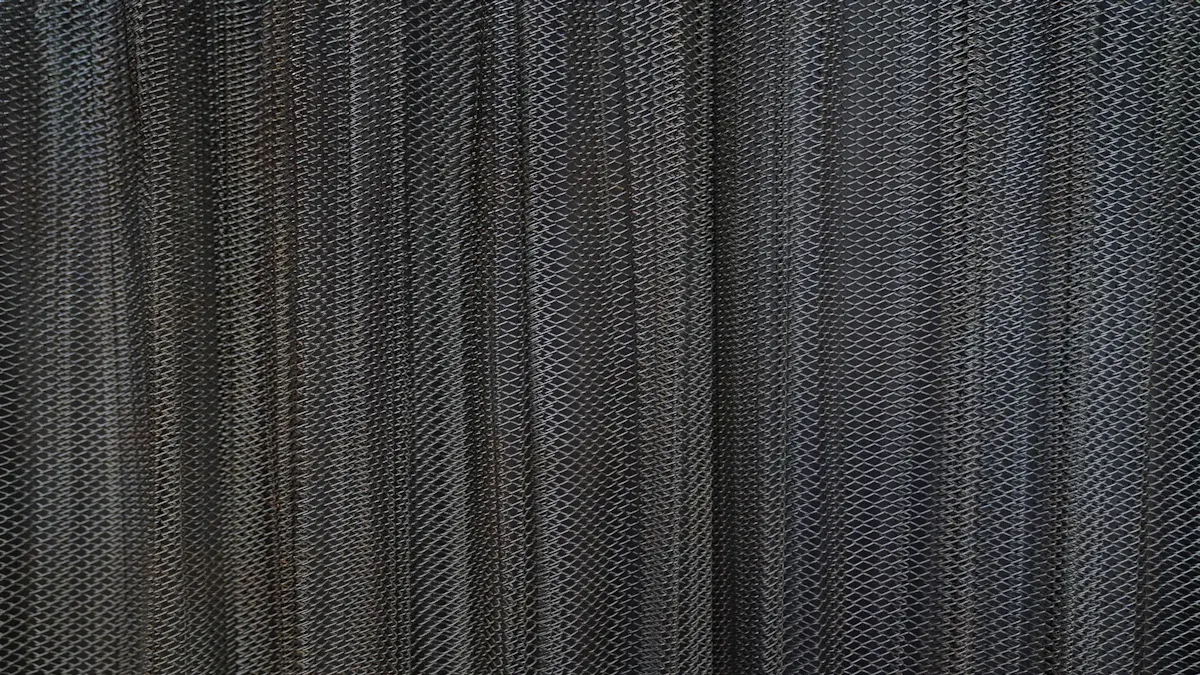
When you choose a reliable Laid Scrim Mesh Fabric Manufacturer, you help your projects last longer and perform better. High-quality Polyester Laid Scrim can reduce waste and improve cost efficiency over time. You might use Laid Scrims For Non-Wovens or select Fiberglass Scrim For Dimensional Stability for added strength. The table below shows how investing in quality makes a difference:
| Aspect | Details |
|---|---|
| Average Price (2021) | $3.50 per yard for high-quality mesh fabric, with premium options exceeding $5 per yard. |
| Cost Impact | Higher initial costs can lead to better long-term project outcomes and reduced waste. |
| Supply Chain Disruptions | A 20% increase in costs reported in 2022 due to disruptions, affecting budgeting strategies. |
Key Takeaways
- Choose a reliable manufacturer to ensure high-quality laid scrim mesh fabric. This choice leads to better project outcomes and reduced waste.
- Inspect samples before ordering. Check for defects, strength, and flexibility to confirm the fabric meets your needs.
- Request detailed specifications and certifications from manufacturers. This ensures the fabric complies with industry standards and maintains quality.
- Consider eco-friendly materials and ethical practices when sourcing. This supports sustainability and responsible manufacturing.
- Use a checklist to guide your sourcing process. This helps you stay organized and make informed decisions.
Understanding Laid Scrim Mesh Fabric
Definition and Common Applications
Laid scrim mesh fabric is a lightweight, open-grid material. You will find it made from polyester, fiberglass, or other strong fibers. Manufacturers create this fabric by laying yarns in a grid pattern and bonding them together. This process gives the fabric a unique structure that stands out from woven or knitted materials.
You can use laid scrim mesh fabric in many industries. In construction and manufacturing, it helps reinforce materials and adds strength. You often see it used to support laminates and improve dimensional stability. It makes handling materials easier and acts as a carrier for adhesives. Many companies choose laid scrim mesh because it is thinner than woven products. This feature allows you to use lighter materials without losing strength. You will also find it in bitumen roof sheets, where it improves mechanical properties. It prevents tearing in fragile items like paper and plastic films.
Common uses include:
- Reinforcing building materials
- Supporting laminates
- Improving dimensional stability
- Making materials easier to handle
- Acting as a carrier for adhesives
- Preventing tears in paper and plastic
Key Features and Performance Benefits
Laid scrim mesh fabric offers several technical features that make it valuable. You get high tensile strength and tear resistance, which means the fabric can handle stress without breaking. Many types are heat sealable, so you can bond them easily during manufacturing. Some options have anti-microbial properties and resist water, making them suitable for harsh environments. You may also find self-adhesive, eco-friendly, decomposable, or recyclable varieties.
When you use laid scrim mesh fabric in composites, you gain a lightweight material that still adds strength. This fabric increases the durability and resilience of your products. It often costs less than traditional reinforcement options, helping you save money while maintaining quality.
Tip: Choose laid scrim mesh fabric when you need a strong, lightweight, and versatile reinforcement for your project.
What Makes Laid Scrim Mesh Fabric High-Quality
Material Selection and Weave Structure
You need to pay close attention to the materials used when you want high-quality laid scrim mesh fabric. The choice of fiber affects how the fabric performs in your project. Polyester and fiberglass are popular because they offer strength and stability. You can also find other fibers that provide special benefits.
When you select fibers, you look for certain properties:
- Dimensional stability keeps the fabric from stretching or shrinking.
- Tensile strength helps the fabric resist breaking under tension.
- Alkali resistance protects the fabric from chemicals.
- Tear resistance prevents rips and holes.
- Fire resistance makes the fabric safer in risky environments.
- Anti-microbial properties stop bacteria and mold from growing.
- Water resistance keeps the fabric strong even when wet.
The weave structure also plays a big role in quality. You see yarns laid in a grid pattern, which gives the fabric its unique look and strength. The way these yarns are arranged affects how the fabric performs. You can choose a tighter weave or a looser weave depending on your needs.
| Weave Type | Effect on Strength and Durability |
|---|---|
| Tighter Weave | Enhances strength and dimensional stability, ideal for load-bearing applications. |
| Looser Weave | Allows greater airflow and light diffusion, which may compromise strength. |
If you work with a Laid Scrim Mesh Fabric Manufacturer, you can ask for custom weave structures. This lets you match the fabric to your project requirements. You get more control over the balance between strength and flexibility.
Note: Always check the material and weave details before you place an order. This helps you avoid problems later.
Durability, Light Transmission, and Other Quality Indicators
Durability is one of the most important signs of high-quality laid scrim mesh fabric. You want a fabric that lasts through repeated use and tough conditions. Strong fibers and a tight weave help the fabric resist tearing and stretching. You can test durability by pulling and bending the fabric. If it holds its shape and does not break, you know it is reliable.
Light transmission is another key indicator. Some projects need fabric that lets light pass through. A looser weave allows more light, but it may reduce strength. You must decide what matters most for your project. If you need both strength and light transmission, you can ask your Laid Scrim Mesh Fabric Manufacturer for a balanced option.
Other quality indicators include:
- Consistent thickness across the fabric
- Smooth bonding between yarns
- No visible defects or weak spots
- Resistance to moisture and chemicals
- Ability to hold adhesives or coatings
You should always inspect samples before you buy. Look for even color, strong edges, and a uniform grid pattern. If you see flaws, ask the manufacturer for better samples. Reliable manufacturers will provide technical data sheets that show the fabric’s properties. You can compare these sheets to make sure you get the best quality.
Tip: Request detailed specifications from your Laid Scrim Mesh Fabric Manufacturer. This helps you understand what you are buying and ensures you meet your project goals.
Choosing a Reliable Laid Scrim Mesh Fabric Manufacturer
Researching Manufacturer Reputation and Track Record
You want to work with a Laid Scrim Mesh Fabric Manufacturer that has a strong reputation. A good reputation means you can trust the quality and service. You can use a few steps to check the track record of a manufacturer:
- Define the intended application for your scrim mesh fabric. This helps you match the manufacturer’s strengths to your needs.
- Evaluate the weight, thickness, and strength of the fabric they offer. Look for clear details about GSM, thickness, and tensile strength.
- Assess the transparency and weave density. The right weave pattern and mesh density will fit your project.
- Understand the material composition and any alternatives. Ask about the advantages and limits of each option.
- Source from reputable suppliers. Review product specifications, customer testimonials, and check if they follow industry standards.
You should always ask for detailed information. A reliable Laid Scrim Mesh Fabric Manufacturer will share their product data and answer your questions. You can also look for how long the company has been in business. Companies with many years of experience often have better processes and more reliable products.
Tip: Make a checklist of your needs before you start your search. This will help you compare manufacturers more easily.
Verifying Certifications and Industry Compliance
You need to make sure your manufacturer follows industry standards. Certifications and compliance show that the company cares about quality and safety. You can use several methods to check this:
| Verification Method | Description |
|---|---|
| Third-party testing reports | Check if the fabric meets standards like ISO 9001. |
| Local building codes | Make sure the product fits codes such as Eurocode. |
| Certifications | Look for CE, UL, or fire rating certificates. |
| Batch-to-batch consistency | Test samples from different batches for quality. |
| Material data sheets | Ask for full data on the materials used. |
You should ask the Laid Scrim Mesh Fabric Manufacturer for these documents. If they cannot provide them, you may want to look for another supplier. Certifications like ISO 9001 or CE mark show that the company meets global standards. Batch testing and material data sheets help you see if the quality stays the same over time.
Reviewing Customer Feedback and Case Studies
You can learn a lot from other customers. Reviews and case studies show how the manufacturer works in real projects. Look for feedback on product quality, delivery times, and customer service. You can find reviews on the company’s website or on third-party platforms.
Case studies give you real examples of how the fabric performs. They show if the manufacturer can meet special needs or solve problems. You should read about projects that are similar to yours. This helps you see if the manufacturer is a good fit.
Note: If you see many positive reviews and detailed case studies, you can feel more confident in your choice.
By following these steps, you can choose a Laid Scrim Mesh Fabric Manufacturer that meets your needs and delivers high-quality products.
Evaluating and Testing Fabric Quality
Requesting and Inspecting Product Samples
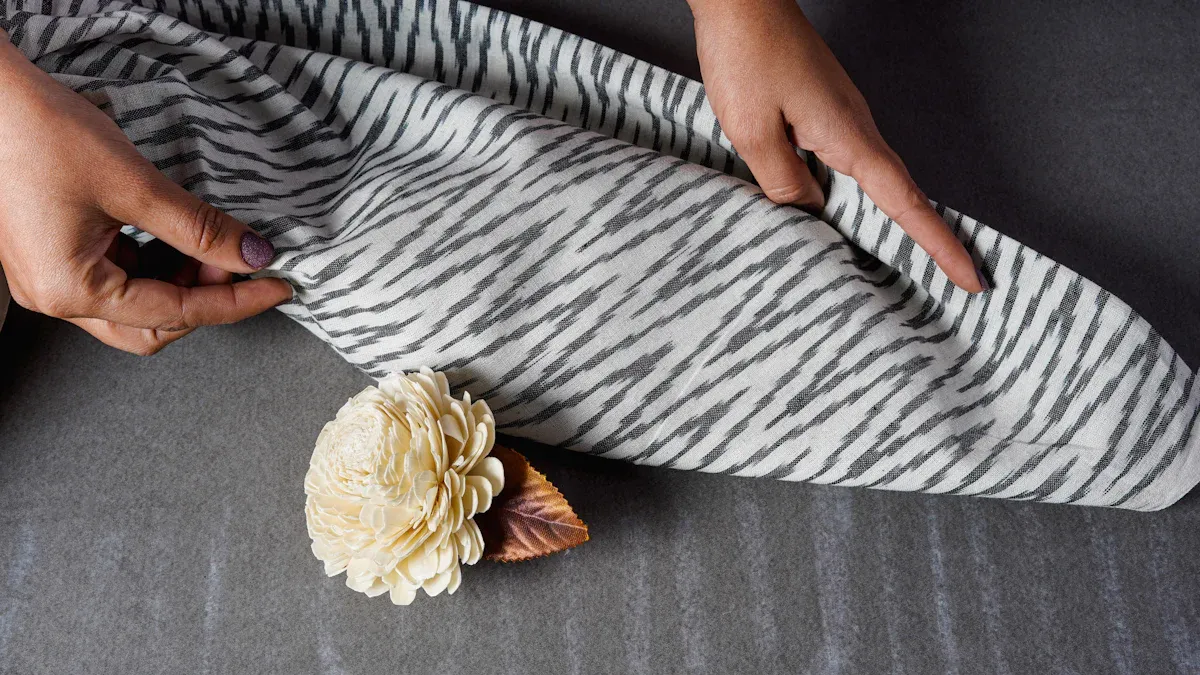
You should always ask for product samples before making a large order. Samples let you see and feel the fabric. You can check the color, texture, and grid pattern. Hold the sample up to the light. Look for even spacing and no weak spots. Run your fingers along the edges. Strong edges show good bonding. If you find any flaws, ask the Laid Scrim Mesh Fabric Manufacturer for another sample. Good suppliers will send samples that match your needs.
Tip: Take notes on each sample. Write down what you like and what you do not like. This helps you compare options later.
Conducting Hands-On Testing and Technical Analysis
You can test the fabric’s strength by pulling and stretching it. Try to tear the mesh with your hands. High-quality fabric will not rip easily. Bend the fabric back and forth. It should not crack or lose shape. You can also pour a little water on the fabric. Good mesh will resist soaking and stay strong. If you need more details, ask the supplier for lab test results. These tests show how the fabric performs under stress, heat, or chemicals.
- Check for:
- Tear resistance
- Water resistance
- Flexibility
Comparing Technical Data Sheets and Specifications
You should always review technical data sheets before you buy. These sheets list important details about the fabric. Compare the following key specifications:
| Specification | Description |
|---|---|
| Material Quality | High-quality PES scrims are durable and resistant to environmental factors, ideal for various applications. |
| Weight and Thickness | The weight (in gsm) affects the scrim's drape and rigidity, with common weights ranging from 150gsm to 350gsm. |
| Print Compatibility | Ensure the scrim is treated for compatibility with your specific printing method for optimal results. |
Look for consistent numbers across different batches. Ask the Laid Scrim Mesh Fabric Manufacturer for data sheets for each product. This helps you pick the best option for your project.
Note: Always keep copies of the data sheets. You can use them to check quality if you have problems later.
Negotiating with Laid Scrim Mesh Fabric Manufacturers
Setting Clear Quality and Performance Requirements
You need to start negotiations by outlining your expectations. Describe the quality standards you want for your project. Specify the material type, weave structure, and durability. Ask the manufacturer to provide technical data sheets. These sheets show the fabric’s strength, thickness, and resistance to moisture. You can request samples that match your requirements. If you see any differences, ask for adjustments. Clear communication helps you avoid misunderstandings and ensures you receive the right product.
Tip: Write down your requirements before you contact the manufacturer. This makes your negotiation easier and more effective.
Discussing Lead Times, Minimum Orders, and Pricing
You must talk about production schedules and order sizes. Lead time affects how quickly you get your fabric. Most manufacturers need 45 to 70 days to produce and deliver your order. You confirm your order by signing a quotation. Shipping options include sea and airfreight, which can change delivery times. Minimum order quantities often apply. These quantities help the manufacturer plan production and keep costs low. You can use the table below to understand these aspects:
| Aspect | Details |
|---|---|
| Lead Time | Average lead time is between 45 and 70 days, depending on order quantity. |
| Order Confirmation | Requires customer to sign a quotation before production begins. |
| Shipping Options | Offers both sea and airfreight options for international orders. |
You should ask about pricing for different order sizes. Larger orders may offer better prices. Smaller orders may cost more per yard. Discuss payment terms and any extra fees for shipping or rush orders.
Establishing Quality Control and Assurance Agreements
You need to set up quality control measures with your Laid Scrim Mesh Fabric Manufacturer. Ask for regular batch testing and inspection reports. These reports show if the fabric meets your standards. You can agree on how often the manufacturer tests the fabric. Request a process for handling defects or returns. Quality assurance agreements protect your investment and help you maintain consistent results.
Note: Quality control agreements give you peace of mind. You know your fabric will meet your needs every time.
Sustainability and Ethical Sourcing Considerations
Selecting Eco-Friendly Materials and Processes
You can make a big difference by choosing eco-friendly materials for your laid scrim mesh fabric. Many manufacturers now offer options made from recycled polyester or natural fibers. These materials help reduce waste and lower the carbon footprint of your project. When you select fabrics that use fewer chemicals, you help protect water sources and the environment.
Roughly 17 to 20% of industrial water pollution is owed to fabric dyes and treatments. An estimated 8,000 synthetic chemicals are used to bleach, treat, and brighten our clothes.
You should look for processes that use less water and energy. Some companies use natural dyes instead of harsh chemicals. Others recycle water during production. These steps help keep the planet cleaner and safer for everyone.
Ensuring Ethical Manufacturing Practices
You play a key role in supporting ethical manufacturing. When you work with responsible suppliers, you help improve working conditions and protect the environment. Many textile practitioners want to make positive changes. In fact:
- Nearly 40% choose natural processes over chemical ones.
- Over 38% have learned new skills like dyeing and weaving to create their own materials.
- About 80% have made or want to make changes to reduce their environmental impact.
You should ask your supplier about their labor policies and safety standards. Make sure they follow fair wage practices and provide safe workplaces. The Cotton Foundation found that even when farming uses less energy, it can still affect water use and pollution. This means you need to check every step, from raw materials to finished fabric.
Tip: Choose manufacturers who share their sustainability goals and show proof of ethical practices. This helps you build trust and support a better future.
Quick-Reference Checklist for Sourcing Laid Scrim Mesh Fabric
Use this checklist to guide your sourcing process. You can print it or save it for future projects. Each step helps you make smart decisions and avoid common mistakes.
-
Define Your Project Needs
- List the main use for the fabric.
- Decide on the required strength, weight, and weave.
- Set your budget and timeline.
-
Research Manufacturers
- Look for companies with a strong reputation.
- Check how long they have been in business.
- Read customer reviews and case studies.
-
Verify Quality and Compliance
- Ask for certifications like ISO 9001 or CE.
- Request technical data sheets.
- Make sure the fabric meets industry standards.
-
Request and Test Samples
- Inspect samples for defects or weak spots.
- Test strength, flexibility, and water resistance.
- Compare samples from different suppliers.
-
Discuss Terms and Agreements
- Confirm lead times and minimum order quantities.
- Review pricing and payment terms.
- Set up quality control checks.
-
Check Sustainability and Ethics
- Choose eco-friendly materials if possible.
- Ask about fair labor practices and safe workplaces.
Tip: Keep a record of all documents, samples, and agreements. This helps you track quality and solve problems quickly.
| Step | What to Check For |
|---|---|
| Project Needs | Use, strength, weight, budget |
| Manufacturer Reputation | Reviews, years in business, case studies |
| Quality & Compliance | Certifications, data sheets, standards |
| Sample Evaluation | Defects, strength, flexibility |
| Terms & Agreements | Lead time, pricing, quality control |
| Sustainability & Ethics | Eco-materials, fair labor |
You can use this checklist every time you source laid scrim mesh fabric. It helps you stay organized and ensures you get high-quality material from trusted manufacturers.
You can secure high-quality laid scrim mesh fabric by following a clear process. Start by choosing suppliers with strong experience and strict quality control. Always test samples before you order. Review the table below to remember the most important steps:
| Step | Why It Matters |
|---|---|
| Supplier Experience | Ensures stable processes and reliable quality. |
| Quality Control | Guarantees product meets your standards. |
| Sample Testing | Confirms material strength and performance. |
| Supplier Reviews | Shows consistent and trustworthy service. |
Use your checklist every time. This helps you get the best results for your projects.
FAQ
What is laid scrim mesh fabric used for?
You use laid scrim mesh fabric to reinforce materials. It helps make laminates stronger, supports adhesives, and prevents tears in paper or plastic. You often see it in construction, packaging, and roofing projects.
How can you check the quality of laid scrim mesh fabric?
You can request samples from the manufacturer. Inspect the fabric for even grid patterns, strong edges, and no defects. Test its strength by pulling and bending. Review technical data sheets for details.
What certifications should you look for when sourcing laid scrim mesh fabric?
You should look for certifications like ISO 9001, CE, or UL. These show the manufacturer follows industry standards. Ask for batch testing reports and material data sheets to confirm quality.
Can you find eco-friendly laid scrim mesh fabric options?
You can choose fabrics made from recycled polyester or natural fibers. Some manufacturers use less water and energy during production. Ask your supplier about their sustainability practices and eco-friendly materials.
See Also
Comparing EHEDG Guidelines With 3A SSI Standards For Hygiene
Assessing Molybdenum Plugs In Steel Pipe Manufacturing For 2025
Best Precoating Options For Filtration Systems In 2025
Steel Processing Continues To Excel In Heat Exchange Applications
Benefits Of Selecting Eco-Friendly Bamboo Packaging For Cosmetics