How Sorghum Color Sorters Improve Grain Quality
Sorghum color sorter technology identifies and removes defective, discolored, or contaminated grains. These machines elevate the safety and visual appeal of sorghum. Producers rely on this automated process to deliver uniform, high-quality grain. Consumers benefit from improved product consistency and reduced risk of impurities.
Sorghum Color Sorter: What It Is and How It Works

Definition and Main Purpose
A sorghum color sorter operates as an advanced machine in grain processing facilities. Its main purpose centers on purifying sorghum by detecting and removing grains that do not meet quality standards. This technology ensures that only clean, uniform grains move forward for milling, storage, or export. By eliminating impurities, the sorghum color sorter increases the market value of the grain and supports food safety.
The sorghum color sorter sorts grains based on characteristics such as size, weight, density, and magnetic properties. This process results in a higher quality output that meets industry requirements.
Key Components and Technology
Modern sorghum color sorters rely on several sophisticated components. These machines often feature high-resolution cameras and advanced lighting systems. The following technologies play a significant role:
- Sorghum Camera Color Sorter: Uses a line scan camera that captures up to 6000 scans per second. This system produces detailed images, allowing for precise sorting based on user-defined parameters.
- C-3 Color Sorter Three Channel: Incorporates LED illumination and Nikon lenses. This setup enables accurate sorting for a variety of grains and seeds.
These technologies help the sorghum color sorter identify even the smallest defects or color variations.
Step-by-Step Sorting Process
The sorting process follows a clear sequence:
- Operators feed raw sorghum into the machine.
- The sorghum color sorter spreads the grains into a single layer.
- High-speed cameras scan each grain as it passes through.
- The system analyzes images and identifies defective or discolored grains.
- Air jets or mechanical devices remove unwanted grains from the main flow.
- Only high-quality sorghum continues to the next stage of processing.
This automated process ensures consistent results and reduces manual labor.
How Sorghum Color Sorters Improve Grain Quality
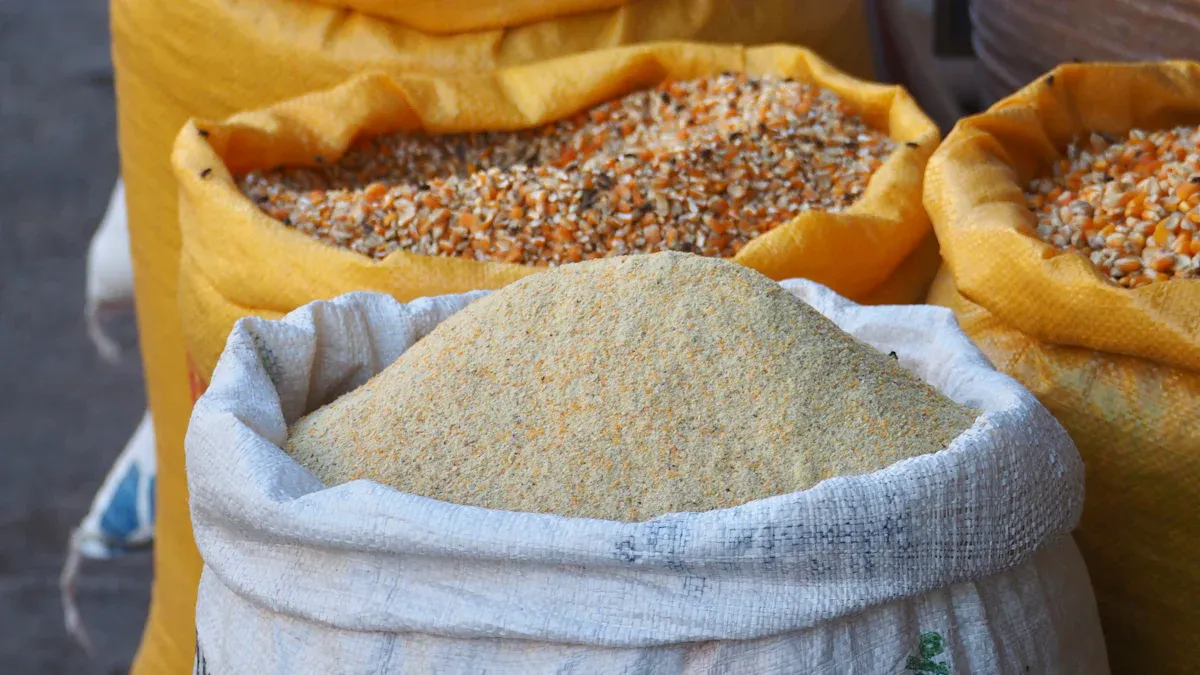
Removing Impurities and Foreign Materials
Sorghum color sorters play a critical role in eliminating impurities and foreign materials from grain batches. These machines use advanced optical sensors to detect and separate unwanted elements. Operators rely on the technology to identify grains that do not meet quality standards. The following table highlights the most common impurities and foreign materials removed during the sorting process:
| Type of Impurity/Foreign Material | Description |
|---|---|
| Discolored grains | Grains that have an abnormal color. |
| Moldy grains | Grains that show signs of mold growth. |
| Insect-damaged grains | Grains that have been affected by insects. |
| Stones | Small rocks that can contaminate the grain. |
| Weed seeds | Seeds from unwanted plants that mix with the grain. |
Sorghum color sorter technology ensures that only clean, safe grains proceed to the next stage. This process protects consumers and supports industry standards.
Enhancing Uniformity and Appearance
Uniformity and visual appeal matter in the grain market. Buyers expect sorghum to look consistent and attractive. Sorghum color sorters use high-resolution cameras and specialized lighting to scan each grain. The system removes grains with irregular shapes, sizes, or colors. This approach creates batches with a uniform appearance and quality.
Consistent grain size and color increase the value of sorghum in both domestic and international markets.
Processors benefit from fewer rejected shipments and improved customer satisfaction. The technology also reduces the need for manual inspection, saving time and labor.
Reducing Contamination and Health Risks
Contaminated grains pose serious health risks. Sorghum color sorters help reduce the presence of harmful substances, including mycotoxins. These toxins develop in moldy or damaged grains and can cause illness. The sorting process uses optical sensors to identify and remove infected kernels. Key benefits include:
- Optical sorting machines remove infected kernels based on color differences, reducing mycotoxin contamination.
- Large-scale implementation in feed mills becomes possible with automated sorting.
- The process decreases mycotoxin content by more than 80%, improving food safety.
Sorghum color sorter systems protect consumers and livestock from dangerous contaminants. Grain processors gain confidence in the safety of their products.
Increasing Efficiency and Saving Resources
Efficiency drives profitability in grain processing. Sorghum color sorters automate the sorting process, reducing manual labor and minimizing waste. The machines support traceability and quality assurance throughout the supply chain. The following table outlines features that contribute to these benefits:
| Feature | Benefit |
|---|---|
| Product tracking software | Scans and grades each grain, enhancing traceability. |
| Size and shape detection | Removes unwanted sizes and shapes, supporting quality assurance. |
| Color detection capability | Detects multiple color defects, minimizing re-sorting. |
| InGaAs technology | Identifies hard-to-detect defects, ensuring only quality grains proceed. |
| PROfile technology | Analyzes size, shape, and color for compliance, supporting quality. |
Processors achieve higher throughput and lower operational costs. Sorghum color sorter technology ensures that resources are used efficiently, and only market-ready grain reaches consumers.
- Sorghum color sorters deliver high-quality, safe, and market-ready grain.
- Advanced optical technology removes defects and contaminants, improving value for producers and consumers.
Investing in these machines ensures consistent grain quality and boosts market competitiveness.
FAQ
What types of defects can a sorghum color sorter detect?
A sorghum color sorter identifies discolored grains, mold, insect damage, stones, and weed seeds. The machine uses optical sensors to ensure only quality grains remain.
How does a color sorter improve food safety?
The color sorter removes contaminated and moldy grains. This process reduces mycotoxin levels and protects consumers from health risks associated with poor-quality sorghum.
Is maintenance required for sorghum color sorters?
Operators must perform regular cleaning and calibration. Routine maintenance ensures optimal performance, reduces downtime, and extends the lifespan of the machine.
See Also
Exploring Capsule Sorters And Their Importance In Defect Elimination
Essential Industrial Checkweighers For Every Food Manufacturing Facility
Enhancing Metering System Precision With Manganin Copper Shunts
Key Indicators Of High-Quality Bovine Gelatin Powder To Recognize
Important Capsule Checkweighers For Buyers To Evaluate In 2025