Solving Sticking and Picking with the ZPW Series
Sticking and picking defects directly impact tablet quality. These common manufacturing problems lead to batch rejection and significant financial loss. The ZPW Series tooling, engineered with advanced materials and precision designs, effectively eliminates these issues.
Implementing this advanced tooling on a Rotary Tablet Press Machine ensures consistent tablet quality and maximizes manufacturing uptime, securing production efficiency.
Identifying the Causes of Sticking and Picking

Effective troubleshooting begins with understanding the root causes of sticking and picking. These defects often originate from three key areas: the formulation itself, the manufacturing environment, and the tooling used in the tablet press. Identifying the specific cause is the first step toward implementing a lasting solution.
Formulation Properties
The physical and chemical nature of the formulation is a primary factor in sticking. Studies show that granules with higher moisture content frequently cause material to adhere to punch faces. The formulation's particle size and molecular structure also significantly influence its tendency to stick.
Even carefully selected ingredients can present challenges. For example, some active pharmaceutical ingredients (APIs) are inherently sticky. This issue is compounded when combined with certain excipients.
- Hygroscopic materials, which readily absorb moisture, are a known cause of picking.
- Picking occurs when formulation adheres to the punch tip, leaving small indentations on the tablet surface.
- A case study showed that even a "least hygroscopic" API salt form caused picking when used with mannitol, a sticky excipient.
Process Parameter Issues
The conditions within the compression suite directly impact tablet production. High relative humidity is a major contributor to sticking and picking, especially when working with hygroscopic formulations.
Excessive humidity allows granules to absorb environmental moisture. This moisture forms liquid bridges between the formulation particles and the tooling surfaces, which dramatically increases adhesion forces. Therefore, maintaining strict humidity control through robust HVAC systems is critical for consistent production.
Inadequate Tooling Design
Flaws in tooling design and condition create opportunities for material to stick. The shape and finish of the punch face are critical. Rough or scratched punch surfaces provide anchor points for granule adhesion, leading to defects.
Common tooling-related causes include:
- Deep concavity or sharp angles on the punch face, which can trap material.
- Worn or improperly polished surfaces that increase surface roughness.
- Intricate embossing or dividing lines that are too deep, causing picking.
Regular tool maintenance, including polishing punch faces to an optimal surface finish, is essential. A poorly maintained tool surface is a direct cause of sticking, which worsens as more material accumulates during a production run.
How ZPW Series Tooling Solves Sticking
While formulation and process parameters are significant, the most direct and reliable solution to sticking lies in superior tooling engineering. The ZPW Series directly confronts sticking issues by integrating advanced materials, surface treatments, and intelligent design. This proactive approach moves beyond simple troubleshooting to provide a robust, long-term solution.
Advanced Steel Grades
The foundation of any high-performance tool is the material it is made from. The ZPW Series utilizes premium steel grades specifically selected for their superior metallurgical properties. Standard tooling steel can have microscopic porosity and a higher susceptibility to corrosion, creating anchor points for formulation to adhere.
ZPW tooling is crafted from high-chromium steel. This composition provides exceptional corrosion resistance and allows for a smoother, non-porous surface finish. A harder, denser surface inherently resists material adhesion, reducing the initial cause of sticking before it can even begin. This material choice also extends the life of the tool, ensuring consistent performance over millions of compression cycles.
Specialized Non-Stick Coatings
For particularly challenging or inherently sticky formulations, the ZPW Series offers specialized non-stick coatings. These advanced coatings are applied to the punch cup and tip surfaces, creating an ultra-smooth, low-friction barrier between the tool and the tablet. This functions much like a non-stick frying pan, preventing material from gaining a foothold.
These coatings provide several key advantages:
- Reduced Surface Energy: The coatings create a hydrophobic (water-repelling) surface, which minimizes the liquid bridges that cause sticking with moist formulations.
- Enhanced Product Release: The extremely low coefficient of friction ensures that tablets eject cleanly from the punch face, preserving intricate details and preventing surface defects.
- Tool Protection: The coating acts as a protective layer, shielding the steel from abrasive or corrosive formulations and further extending the tooling's operational lifespan.
Optimized Head and Cup Design
The physical geometry of the punch is a critical factor in preventing sticking. The ZPW Series features tooling with an optimized head and cup design, engineered through extensive analysis and testing.
The punch head is designed for smooth, stable operation within the cams of the Rotary Tablet Press Machine. This stability minimizes vibration and ensures consistent pressure application, which reduces the likelihood of material sticking due to inconsistent force.
More importantly, the punch cup—the surface that forms the tablet—is meticulously engineered. Sharp angles and deep concavities are common culprits for material trapping. ZPW tooling eliminates these problem areas with refined geometry.
| Problematic Designs | ⚙️ ZPW Optimized Designs |
|---|---|
| Sharp internal angles in lettering | Blended and radiused edges on embossing |
| Deep, narrow cup concavity | Shallow, open cup profiles |
| Flat land area around the cup edge | Tapered land area for clean release |
This precision-machined design ensures that there are no dead spots or sharp corners where granules can become trapped and accumulate. The result is a smooth, uninterrupted compression and ejection cycle, run after run.
Eliminating Picking with Precision Engineering
Picking is a specific type of sticking where formulation lifts away from the tablet surface and adheres to the fine details of the punch tip, such as lettering or logos. This defect ruins tablet appearance and can obscure important dosage information. The ZPW Series eliminates picking by applying meticulous precision engineering to every aspect of the tool's design, from the die bore to the punch face itself.
Tapered Dies for Smooth Ejection
The moment of tablet ejection is a critical point where picking can occur. High ejection forces can cause stress on the tablet, leading to defects. ZPW Series tooling utilizes tapered dies to ensure a smooth, low-force ejection process. Unlike straight-bore dies, which maintain constant pressure until the moment of release, tapered dies introduce a slight inward slope at the top of the die bore.
This design offers significant advantages for tablet ejection:
- It allows for gradual tablet expansion as the tablet exits the die.
- This gradual expansion reduces the kinetic friction between the tablet band and the die wall.
- The design minimizes the initial break-away force needed to overcome static friction.
Adding a taper is an efficient method for releasing residual stress built up during compaction. This controlled release prevents mechanical failures and defects that originate from internal stresses. By lowering ejection forces, tapered dies also reduce wear on the lower punch head and the ejection cam of the Rotary Tablet Press Machine, extending the operational life of both the tooling and the press.
Superior Punch Face Polishing
The surface of the punch tip is the final point of contact with the tablet. Any imperfection, no matter how small, can become an anchor point for picking. In optimal conditions, punch faces are polished to a high mirror finish. This finish, however, can degrade over time from the abrasive action of continuous granule compaction, leading to a worn, uneven surface that encourages material adhesion.
The ZPW Series addresses this with a superior punch face polishing process. This automated system goes beyond a standard mirror finish to create an exceptionally smooth, non-porous surface with minimal roughness. This ultra-smooth finish drastically reduces the available sites for formulation to stick.
While a mirror finish is a common industry goal, the quality and consistency of that polish are what truly prevent picking. The ZPW Series' advanced polishing techniques ensure that every tool meets a stringent surface standard. This helps maintain a smooth, efficient surface, guaranteeing clean product release and preventing the degradation that leads to picking issues.
Precision-Machined Embossing for Clear Details
Intricate logos, dividing lines, and alphanumeric codes are the most common areas for picking. Sharp internal angles and deep, narrow characters create traps for formulation. The ZPW Series overcomes this challenge by using state-of-the-art manufacturing technologies to create punch embossing with unparalleled precision.
These advanced processes allow for the creation of complex designs without the microscopic flaws that cause picking.
| Technology Used | Application in ZPW Tooling |
|---|---|
| CAD/CAM Technology | Enables the design and machining of complex punch geometries with extreme accuracy. |
| CNC Milling | Creates flawless mold cavities and character details, eliminating burrs and sharp edges. |
| Automation Technology | Ensures every tool is manufactured with perfect consistency and repeatability. |
| Advanced Heat Treatment | Hardens the steel after machining, preserving the precision details for millions of cycles. |
This combination of technologies ensures that all lettering and logos feature blended, radiused edges instead of sharp corners. The result is a punch face that allows the formulation to compress and eject cleanly, leaving behind crisp, clear details on the tablet without any risk of picking.
Enhancing Your ZPW Series Rotary Tablet Press Machine
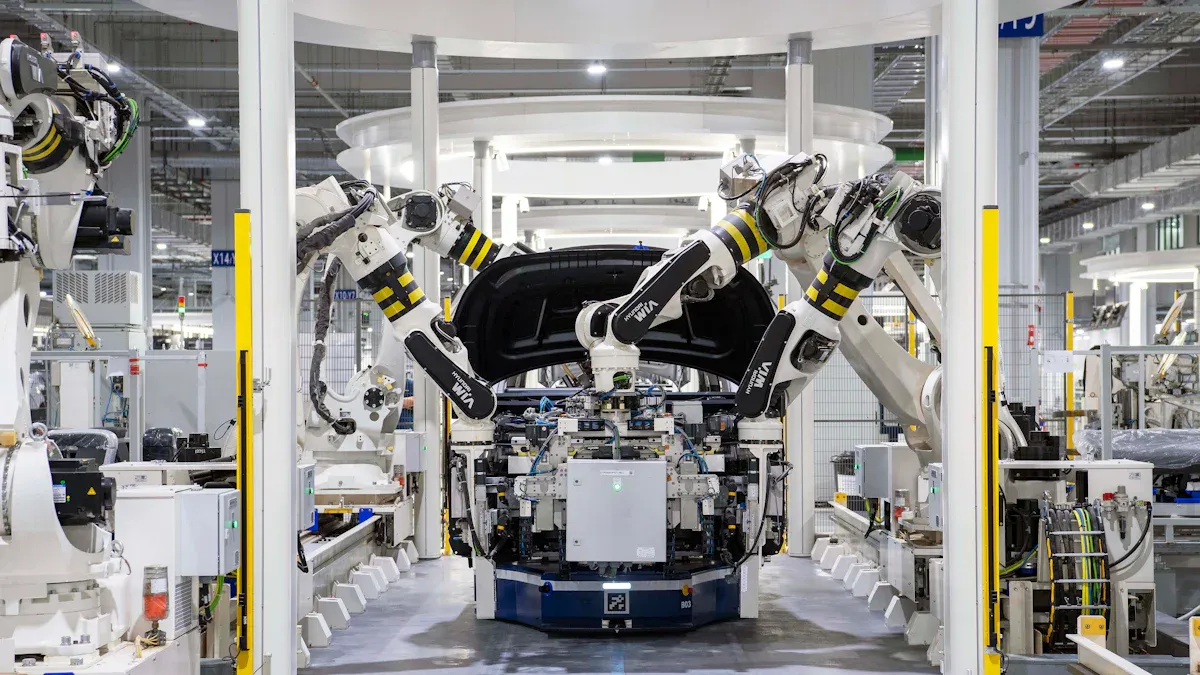
Integrating ZPW Series tooling elevates the performance of your entire tablet manufacturing line. This upgrade delivers tangible benefits that extend beyond defect prevention, directly improving operational efficiency and product quality. The tooling works in synergy with the press to create a more reliable and productive system.
Reduce Production Downtime
Production downtime is a major source of financial loss. Operators frequently stop a Rotary Tablet Press Machine to clean and polish tooling when sticking and picking occur. ZPW Series tooling minimizes these interruptions. Its advanced steel grades, non-stick coatings, and optimized designs prevent material buildup from the start. This proactive engineering means fewer stops for maintenance, allowing for longer, continuous production runs and maximizing manufacturing uptime.
Lower Batch Rejection Rates
Sticking and picking defects are a primary cause of batch rejection. A single rejected batch represents a significant loss of raw materials, labor, and time. The precision engineering of ZPW tooling directly addresses this issue. By eliminating the root causes of these defects, the tooling ensures every tablet meets quality standards. This consistency dramatically lowers the risk of batch failure, protecting your investment and improving your overall yield.
This reduction in waste not only improves profitability but also enhances the sustainability of the manufacturing process.
Guarantee Tablet Uniformity
Consistent tablet quality is essential for patient safety and product efficacy. ZPW Series tooling guarantees uniformity across every tablet produced. The precision manufacturing process ensures each tool meets exact specifications. This uniformity, combined with an advanced pressure control system, delivers consistent results.
- The system allows for precise pressure adjustments to meet target hardness and thickness standards.
- It maintains strict control over tablet weight differences, ensuring stable quality.
- The tooling's design supports high-precision metering and filling for superior product consistency.
This capability ensures the machine presses raw materials into tablets of consistent shape, weight, and hardness, securing medication quality and stability batch after batch.
The ZPW Series provides a proactive, engineering-based solution to the persistent challenges of sticking and picking. Upgrading the tooling on a Rotary Tablet Press Machine achieves higher operational efficiency, reduces waste, and ensures superior tablet quality. This allows manufacturers to move beyond reactive troubleshooting and secure production line performance.
Contact our experts to find the ideal tooling configuration for your specific manufacturing needs and enhance your production capabilities.
FAQ
How does the ZPW Series handle different tablet shapes?
The ZPW Series Rotary Tablet Press Machine utilizes interchangeable tooling sets. This flexibility allows manufacturers to produce a wide variety of tablet shapes and sizes. Its precision engineering guarantees consistent quality, even with complex logos or unique concavity designs on the punch faces.
What makes the ZPW Series compliant with GMP standards?
The machine features a fully enclosed design. Its transmission structures and lubrication system are completely isolated beneath the workbench. This separation prevents any cross-contamination between mechanical components and the formulation, ensuring strict adherence to Good Manufacturing Practice (GMP) requirements.
Can the ZPW Series produce two-color tablets?
Yes, the double-outlet model is engineered for this capability. It completes a second working cycle during each rotation of the turntable. This feature enables the efficient production of high-quality, two-color tablets, enhancing product diversity and aesthetic appeal.
How does the machine protect against operational overloads?
The ZPW Series integrates an automatic safety system. This system constantly monitors pressure during operation. If it detects an overload, it immediately stops the machine, engages the brake, and sounds an alarm. This feature protects both the tooling and the press from damage.
See Also
Versatile Nozzle Solutions: A Guide for Diverse Industrial and Horticultural Applications
Top 5 Applications for Single Stage Rotary Vane Vacuum Pump Sets
Welding Pass Partition Plates: Expert Techniques and Best Practices for 2025
Essential Guide Bar Tips for Effortless and Efficient Cutting Performance
Unexpected Strategies for Effective Troubleshooting of Sulfur Recovery Catalyst Issues