Power Through Any Storm With a Truck Mounted Air Start Unit
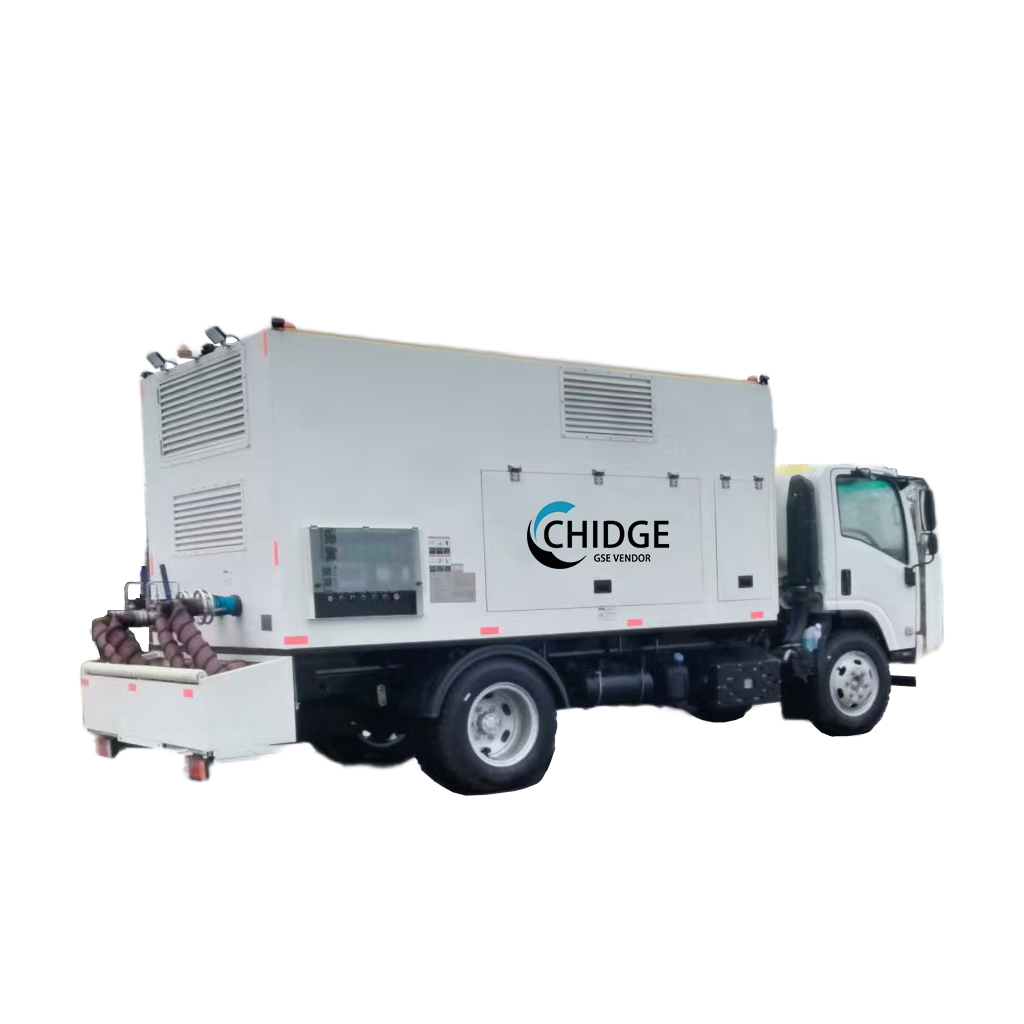
A Truck Mounted Air Start Unit instantly overcomes engine start delays. It delivers a high-volume, high-pressure burst of compressed air to rapidly spin an engine's turbine. This powerful method bypasses common failure points like dead batteries or inoperative APUs, guaranteeing a reliable start in any condition.
Ground Support Equipment (GSE) failures, including issues with Ground Power Units (GPUs), account for a significant percentage of costly flight delays, making reliable starting equipment essential for operational uptime.
Key Takeaways
- A Truck Mounted Air Start Unit helps start large engines quickly. It uses a strong burst of air to spin the engine.
- This unit works even when other starting systems fail. It helps avoid delays caused by dead batteries or broken APUs.
- Air start units are very reliable in bad weather. They work well in both very hot and very cold conditions.
- These units are mobile and can start many different types of engines. They are useful for airplanes, trucks, and other heavy machines.
- Choosing the right unit means looking at its air pressure and flow. Good build quality and easy-to-maintain parts are also important.
How an Air Start Unit Delivers Immediate Engine Power
An air start unit provides immediate power by converting high-pressure pneumatic energy into mechanical force. This process is direct, powerful, and bypasses the aircraft's own starting systems. The result is a reliable engine start, even when onboard systems fail.
The Core Mechanism of High-Pressure Air
The unit's operation relies on a straightforward yet powerful mechanical sequence. It channels a massive volume of compressed air to generate the rotational force needed to crank a large turbine engine. This method is highly efficient and delivers torque almost instantaneously.
The process unfolds in several distinct steps:
- Air Supply: The unit directs a high volume of compressed air toward the aircraft engine's starter.
- Activation: A control valve opens, releasing the high-pressure air into the starter's motor.
- Energy Conversion: The expanding air pushes against internal turbine blades, causing them to spin at very high speeds.
- Gear Reduction: A gearbox reduces the high speed of the motor, which multiplies its torque.
- Pinion Engagement: A pinion gear extends from the starter and meshes with the engine's flywheel.
- Engine Cranking: The powerful torque rotates the flywheel, turning the engine’s main shaft until it achieves self-sustaining combustion.
- Disengagement: The pinion automatically retracts after the engine starts, preventing damage.
Bypassing Electrical and APU Failures
Aircraft often rely on an Auxiliary Power Unit (APU) or ground power for starting. These systems, however, are susceptible to numerous failures. A Truck Mounted Air Start Unit provides a crucial layer of redundancy, ensuring operations continue without delay. It completely sidesteps common issues like dead batteries and faulty APUs.
Common APU Failure Points ⚠️ APUs can fail for many reasons, especially in demanding environments. These issues often ground an aircraft until maintenance can intervene.
- Mechanical Wear: Damage to turbine blades, worn seals, and oil leaks are frequent problems.
- Component Malfunction: Failures in the starter motor or Fuel Control Unit (FCU) can prevent the APU from starting or running.
- Environmental Stress: High temperatures can degrade compressor performance, while periods of low use can lead to internal corrosion.
A dedicated air start unit is immune to these internal aircraft issues. It delivers power directly to the engine starter, making it the most dependable solution for guaranteeing on-time departures.
Why a Truck Mounted Air Start Unit Is Your Most Reliable Solution
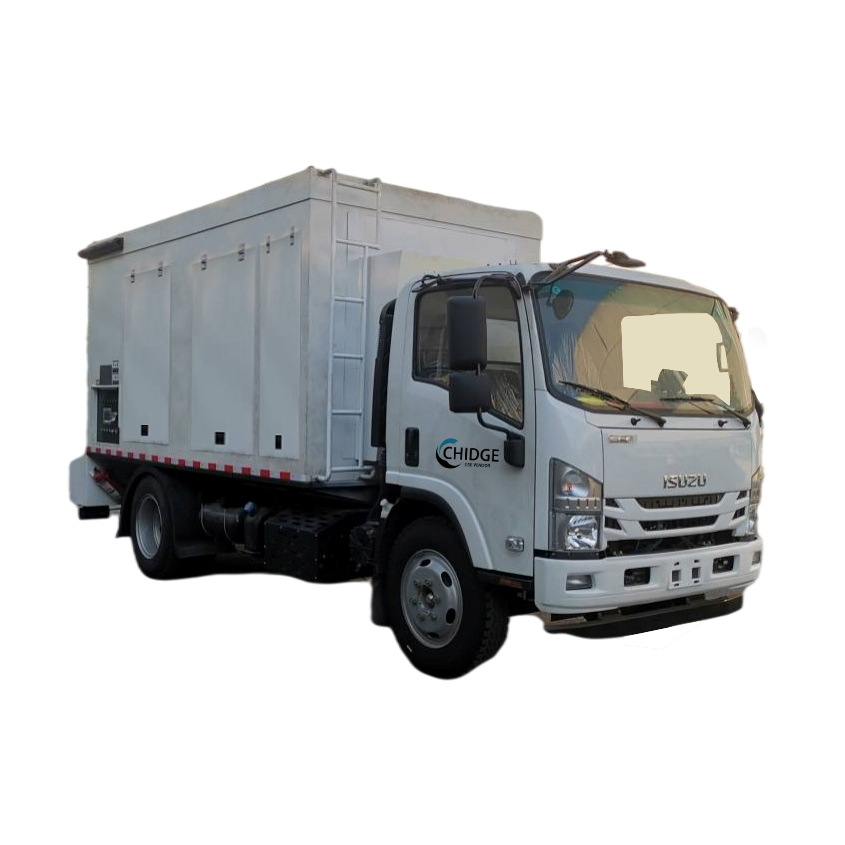
Ground support operations demand equipment that performs without fail. A Truck Mounted Air Start Unit stands out as the premier choice for ensuring engine readiness. Its design combines raw power with exceptional mobility and adaptability. This makes it an indispensable asset for any high-stakes environment where delays are not an option.
Unmatched Performance in Extreme Weather
Extreme weather conditions often cause failures in standard starting equipment. Batteries lose charge in freezing temperatures. APUs can struggle with performance in intense heat. An air start unit, however, is engineered to operate reliably across a wide spectrum of environmental challenges.
These units deliver consistent power whether facing a winter blizzard or a summer heatwave. Their robust mechanical systems are less susceptible to the performance degradation that plagues electrical components.
Built for the Extremes 🌡️ High-quality air start units are designed for global operational readiness. For example, the Chidge CDA300 operates effectively in ambient temperatures ranging from -20°C to 50°C (-4°F to 122°F). This ensures dependable engine starts in virtually any climate on earth.
This resilience makes them the most dependable solution for airports, military bases, and industrial sites located in demanding climates.
Ultimate Mobility for Rapid Response
Time is a critical factor in modern operations. The self-contained, vehicle-based design of an air start unit provides unparalleled mobility. Operators can rapidly deploy the unit to any location on an airfield or worksite, reaching distant gates or remote equipment with ease.
This mobility eliminates the logistical challenges associated with stationary power sources or less maneuverable tow-behind carts. A unit built on a durable chassis, like those from Qingling Motors, can navigate busy tarmacs and uneven terrain efficiently. The key advantages of this mobility include:
- Reduced Response Times: Crews can drive directly to the aircraft or machine, minimizing delays.
- Operational Flexibility: The unit can service multiple assets across a large area in a single shift.
- Emergency Readiness: In urgent situations, the unit can be dispatched immediately to resolve a non-start issue anywhere it occurs.
This rapid response capability is essential for maintaining tight schedules and ensuring operational continuity.
Versatility Across Diverse Fleets and Engines
A single air start unit can support a wide range of engines and applications. Its ability to deliver a high volume of air at precise pressures makes it compatible with various aircraft and heavy machinery. This versatility provides a significant return on investment by reducing the need for multiple types of specialized starting equipment.
| Application Area | Equipment Supported | Key Benefit |
|---|---|---|
| Commercial Aviation | Large and medium-sized jets (e.g., Airbus, Boeing) | Ensures on-time departures and reduces gate delays. |
| Military Aviation | Cargo planes, fighters, and transport aircraft | Guarantees mission readiness in any operational theater. |
| Heavy Industry & Mining | Large haul trucks, excavators, power generators | Minimizes costly downtime for critical production equipment. |
With powerful specifications, such as an air supply flow of 300 PPM (Pounds Per Minute), these units can effectively start the largest commercial and industrial turbine engines. This adaptability makes them a cornerstone of efficient ground support and maintenance operations.
Selecting the Right Unit for Maximum Uptime
Choosing an air start unit is a critical investment in operational continuity. The right selection ensures not just immediate power but also long-term reliability and a lower total cost of ownership. A thorough evaluation of performance specifications, build quality, and component durability is essential for maximizing uptime and return on investment.
Matching Pressure (PSI) and Flow Rate (PPM) to Engine Needs
The two most important performance metrics for an air start unit are its pressure and flow rate. These specifications must align precisely with the requirements of the engines being serviced to ensure safe and effective starts.
- Pressure (PSI): Pounds per Square Inch measures the force of the compressed air. This force must be sufficient to overcome the initial inertia of the engine's turbine. Using a unit with inadequate pressure will fail to start the engine. Conversely, excessive pressure can damage the delicate components of the aircraft's air turbine starter.
- Flow Rate (PPM): Pounds Per Minute indicates the volume of air the unit can supply over time. Larger turbine engines require a sustained, high-volume airflow to achieve the necessary rotational speed for self-sustaining combustion.
Expert Tip ⚙️ Always consult the aircraft or engine manufacturer's maintenance manual for the specific PSI and PPM requirements. A unit with a high flow rate, such as 300 PPM, offers the versatility to service a wide range of large and medium-sized engines, making it a valuable asset for diverse fleets.
Evaluating Build Quality and Chassis Integrity
The operational environment for ground support equipment is demanding. A unit's physical construction and the chassis it is built upon are just as important as its pneumatic performance. A powerful air start system is ineffective if it cannot reliably reach its destination.
The chassis serves as the mobile platform for the entire system. A durable chassis from a reputable manufacturer, like Qingling Motors, provides the foundation for long service life. It ensures the unit can navigate busy tarmacs, uneven surfaces, and adverse weather conditions without mechanical failure. Key indicators of superior build quality include a robust frame, a weather-resistant enclosure to protect internal components, and an ergonomic control panel that promotes safe and efficient operation.
Prioritizing Low-Maintenance and Durable Components
The internal components of an air start unit dictate its maintenance schedule, reliability, and long-term operating costs. Prioritizing units built with high-quality, low-maintenance parts is crucial for keeping equipment in service and avoiding unexpected downtime.
The air compressor is the heart of the system. While centrifugal compressors are an option, their complex design often leads to higher maintenance demands. They feature intricate lubrication systems and numerous maintenance points that require highly skilled technicians. In contrast, oil-free screw compressors offer a simpler, more robust design. Their lubrication systems are less complex, and they have fewer moving parts requiring regular service, which enhances reliability in the frequent start-stop cycles of ground support work.
| Maintenance Item | Centrifugal Compressors | Oil-free Screw Compressors |
|---|---|---|
| Lubrication System Complexity | Much more complex | Relatively simple |
| Reliability of Lubrication System | Less reliable | More reliable |
| Maintenance Points (General) | More | Fewer |
| Bearings | Requires maintenance | Maintenance-free |
| Gears | Requires maintenance | Maintenance-free |
| Seals | Requires maintenance | Maintenance-free |
Beyond the compressor, the operational engine is another critical component. An engine from a world-class manufacturer like Deutz ensures reliable power and performance. Ultimately, a superior Truck Mounted Air Start Unit integrates durable, low-maintenance components onto a rugged chassis, creating a system engineered for maximum uptime.
Real-World Application and Performance
The true value of an air start unit is demonstrated through its performance in demanding, real-world scenarios. From bustling international airports to remote industrial sites, these powerful machines provide the essential starting power that keeps critical operations moving forward. Their robust design ensures reliability where it matters most.
Supporting Commercial and Military Aviation
In aviation, an air start system functions as the primary power source to initiate the rotation of large gas turbine engines. These units deliver a high volume of pressurized air to an aircraft's pneumatic starting system. This process spins the jet engines to a speed sufficient for fuel injection and ignition. They are indispensable when an aircraft's Auxiliary Power Unit (APU) is inoperable or its batteries are depleted. This external power source guarantees that even modern fighter jets and large commercial airliners can start their main engines and maintain mission readiness.
Powering Heavy Industry and Mining Equipment
The application of air start technology extends far beyond the tarmac. In the energy sector, these units are vital for starting large-scale generators. "Black start" generators, for example, use this method to restart entire power plants independently from an external grid after an outage. This technology is also employed for routine turbine startups in remote locations without reliable grid access. Industrial sites and mines depend on this power to start massive diesel engines in haul trucks and excavators, minimizing costly downtime and maintaining production schedules.
A Look at the Chidge CDA300's Capabilities
The Chidge CDA300 exemplifies the peak of modern air start technology. This Truck Mounted Air Start Unit is engineered to meet these diverse challenges with superior performance.
At its core, the CDA300 combines a high-performance Deutz TCD2015V08 engine with a top-tier air compressor. This pairing delivers an impressive air supply flow of 300 PPM at a pressure of 43 PSI, capable of starting a wide range of large and medium-sized aircraft.
Built on a durable Qingling Motors chassis, the CDA300 offers excellent mobility for rapid deployment across any worksite. Its ability to operate in extreme temperatures, from -20°C to 50°C, makes it a reliable asset for global operations, ensuring consistent power delivery in any climate.
A Truck Mounted Air Start Unit is the definitive solution for eliminating engine start delays. It delivers powerful, reliable, and mobile air power for any environment. Investing in a high-quality unit like the Chidge CDA300 ensures your operations maintain consistent uptime, regardless of the challenge.
Equip your team to power through any delay. Maintain peak operational readiness with the right ground support equipment.
FAQ
What is the difference between an Air Start Unit and a GPU?
A Ground Power Unit (GPU) supplies electricity to an aircraft's onboard systems. An Air Start Unit (ASU) provides a high volume of compressed air. This air directly spins the main engines for startup, bypassing the need for electrical starting systems or an APU.
How does an air start unit perform in cold weather?
Air start units excel in cold climates. Their mechanical systems are less affected by low temperatures than batteries, which lose significant power. This design ensures reliable engine cranking and consistent performance, even in freezing conditions, preventing weather-related delays.
Can one unit service different types of aircraft?
Yes. A versatile air start unit can support a diverse fleet. Units with high flow rates, like 300 PPM, and adjustable pressure settings are compatible with a wide range of large and medium-sized commercial and military aircraft, maximizing operational flexibility.
What are the most important maintenance considerations?
Prioritizing units with durable, low-maintenance components is key.
- Engine: A reliable engine from a top manufacturer like Deutz reduces service needs.
- Compressor: An oil-free screw compressor has fewer maintenance points than complex centrifugal designs.
- Chassis: A robust chassis ensures long-term structural integrity.