Sodium hyaluronate versus hyaluronic acid top 3 differences
Sodium hyaluronate and hyaluronic acid differ in molecular size, stability, and uses. These distinctions impact how products hydrate skin and support health. Recent data shows the global sodium hyaluronate market reached USD 13.05 billion in 2024, with pharmaceuticals holding over 69% market share.
Sodium hyaluronate and Hyaluronic Acid: Molecular Size and Penetration
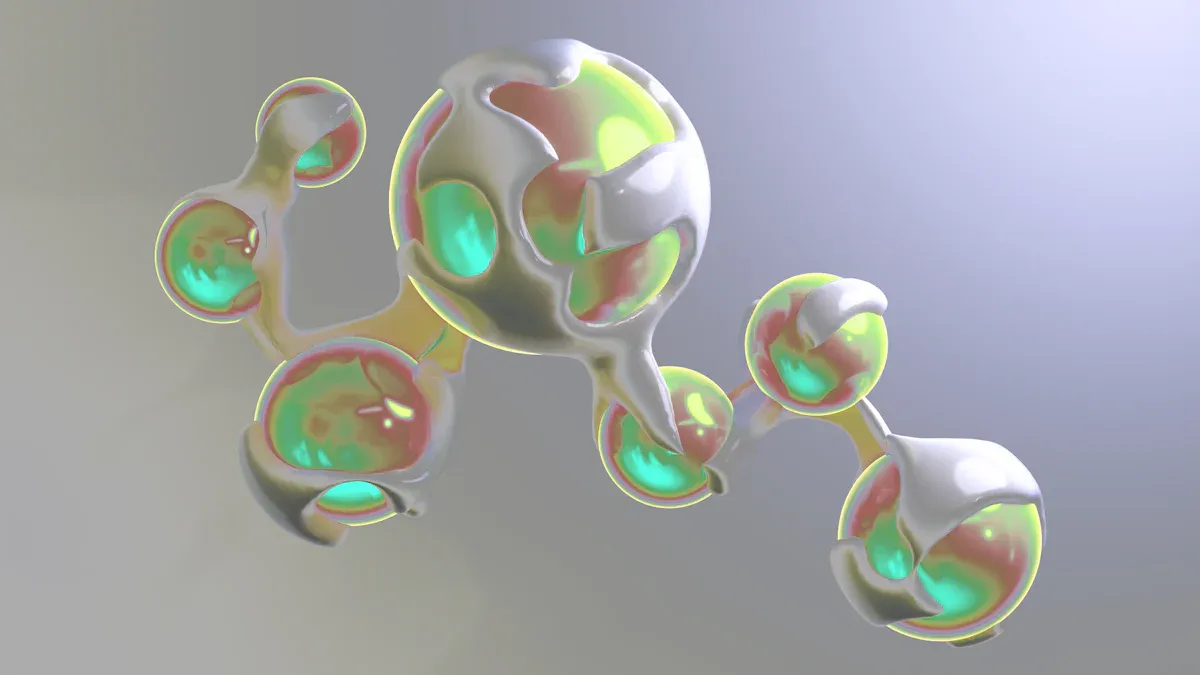
Sodium hyaluronate’s deeper skin absorption
Sodium hyaluronate stands out for its ability to penetrate deeper into the skin. This ingredient, a low molecular weight form of hyaluronic acid, moves beyond the surface layer. It reaches the lower layers of the epidermis, where it delivers hydration and supports skin structure. Researchers have found that sodium hyaluronate’s smaller molecules allow for this enhanced absorption. The table below summarizes how molecular weight influences penetration depth and effects:
| Molecular Weight Type | Penetration Depth | Effects |
|---|---|---|
| Sodium Hyaluronate (Low Molecular Weight) | Deeper into the skin | Sustained effects from deeper layers |
| High Molecular Weight Hyaluronic Acid | Surface-bound | Limited effects on deeper layers |
Tip: Products containing sodium hyaluronate can provide longer-lasting hydration and support anti-aging by working below the skin’s surface.
Hyaluronic acid’s surface hydration
Hyaluronic acid, especially in its high molecular weight form, remains on the skin’s surface. It forms a moisture-locking film that prevents water loss and delivers immediate hydration. Clinical studies have demonstrated that topical hyaluronic acid improves skin appearance, moisture, and elasticity. The following table highlights findings from several clinical trials:
| Study Description | Findings | Duration |
|---|---|---|
| RCT with 40 females | Improvement in skin appearance vs placebo | 30 days |
| RCT with 65 females | Significant improvement in hydration and elasticity | 60 days |
| 12-week study with 59 women | Improved hydration and stimulated matrix components | 12 weeks |
| 2-month treatment with HA serum | Significant improvement in hydration and elasticity | 2 months |
| 8-week trial with HA and growth factor | Diminished periorbital wrinkles | 8 weeks |
| Efficacy evaluation of HA serum | 134% increase in hydration immediately, 55% at week 6 | 6 weeks |
| Overall improvement in skin attributes | Smoothness (64%), plumping (60%), hydration (63%) | 6 weeks |
These results show that hyaluronic acid excels at boosting surface hydration and improving the skin’s visible qualities.
How molecular size affects results
Molecular size plays a critical role in the effectiveness of both sodium hyaluronate and hyaluronic acid. Larger molecules, such as high molecular weight hyaluronic acid, stay on the surface and create a protective barrier. Medium and low molecular weight forms penetrate further, replenishing water and maintaining elasticity within the epidermis. Ultra-low molecular weight molecules can reach the dermis, where they stimulate collagen production and support anti-aging.
- Larger hyaluronic acid molecules (>1000 kDa) provide surface hydration by forming a moisture-locking film.
- Medium (100–1000 kDa) and low (10–100 kDa) molecular weight forms help maintain elasticity and hydration in the epidermis.
- Ultra-low molecular weight (<10 kDa) molecules stimulate collagen production in the dermis.
The table below summarizes the relationship between molecular weight and biological effects:
| Molecular Weight Category | Molecular Weight (kDa) | Biological Effects |
|---|---|---|
| High Molecular Weight (HMW) | 1000 - 2000 | Enhanced cell proliferation, migration, wound healing |
| Low Molecular Weight (LMW) | 50 - 200 | Pro-inflammatory responses, cytotoxic effects |
| Ultra-Low Molecular Weight | < 50 | Pro-inflammatory responses, cytotoxic effects |
Understanding these differences helps consumers select products that match their skincare goals. Those seeking deep hydration and anti-aging benefits may prefer sodium hyaluronate, while those looking for immediate surface moisture may choose high molecular weight hyaluronic acid.
Sodium hyaluronate and Hyaluronic Acid: Stability and Effectiveness
Ingredient stability in skincare formulas
Stability plays a crucial role in the effectiveness of skincare ingredients. Sodium hyaluronate demonstrates greater stability than hyaluronic acid in most cosmetic formulations. This compound maintains its structure under a wide range of pH levels commonly found in skincare products. Manufacturers prefer sodium hyaluronate because it offers better processing behavior and flexibility during formulation. Hyaluronic acid, on the other hand, can degrade more easily when exposed to harsh conditions. Both ingredients show sensitivity to extreme environments, but sodium hyaluronate remains more compatible with everyday production processes. This advantage allows brands to create products that retain their hydrating properties for longer periods.
Note: Stable ingredients help ensure that skincare products deliver consistent results from the first use to the last.
Hydration power and moisture retention
Both sodium hyaluronate and hyaluronic acid excel at attracting and holding water molecules. They act as humectants, drawing moisture from the environment and binding it to the skin. Hyaluronic acid can hold up to 1,000 times its weight in water, making it one of the most effective hydrating agents available. Sodium hyaluronate, due to its smaller molecular size, penetrates deeper into the skin and provides long-lasting hydration. This deeper action supports the skin’s natural barrier and helps maintain elasticity. Hyaluronic acid, especially in its high molecular weight form, creates a moisture-rich film on the surface. This film locks in hydration and gives the skin a plump, smooth appearance.
| Ingredient | Hydration Depth | Moisture Retention | Skin Feel |
|---|---|---|---|
| Sodium Hyaluronate | Deep (epidermis) | Long-lasting | Lightweight, smooth |
| Hyaluronic Acid | Surface (stratum corneum) | Immediate | Plumping, dewy |
Performance in different environments
Environmental factors can influence how these ingredients perform. Sodium hyaluronate remains effective in a variety of climates, including dry or humid conditions. Its stability ensures that it continues to hydrate the skin even when exposed to temperature changes or air pollution. Hyaluronic acid performs best in moderate humidity, where it can draw moisture from the air. In very dry environments, it may pull water from deeper layers of the skin, which can lead to dryness if not paired with occlusive ingredients. Skincare experts recommend using products with sodium hyaluronate for those who live in areas with fluctuating weather or harsh environmental stressors.
- Sodium hyaluronate adapts well to different climates and maintains hydration.
- Hyaluronic acid works best in balanced humidity and may need support from other moisturizing agents.
Sodium hyaluronate and Hyaluronic Acid: Uses in Skincare and Medical Products
Skincare benefits and product types
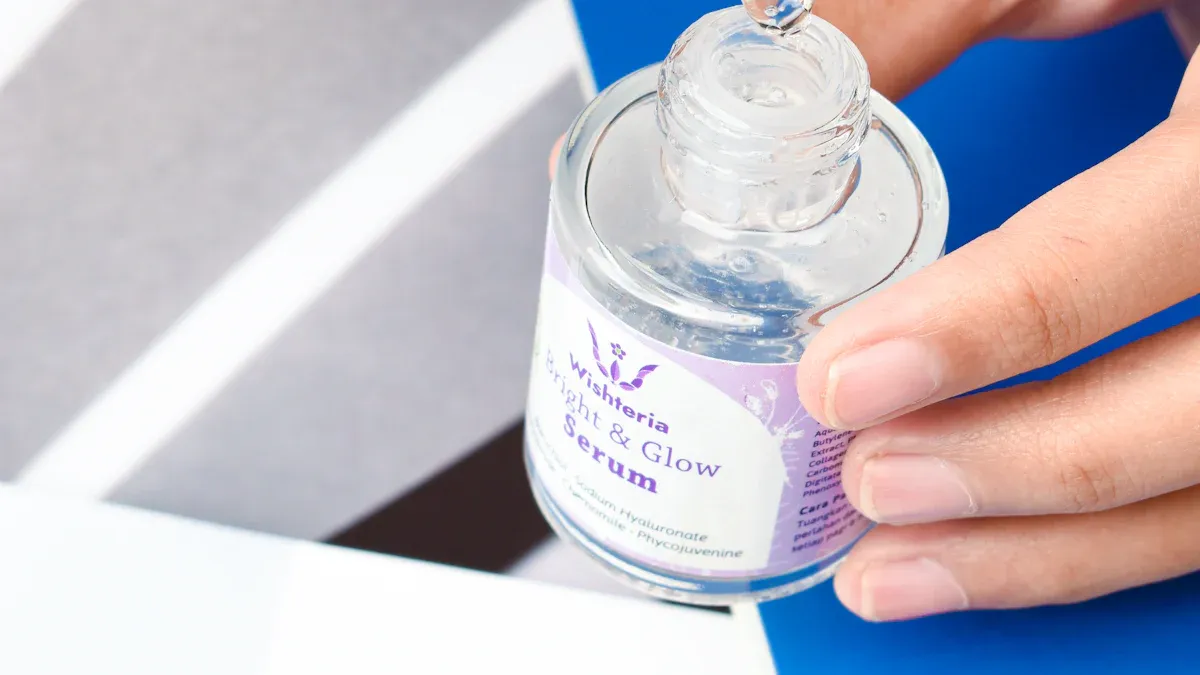
Many skincare brands use sodium hyaluronate in dermal fillers and topical products. This ingredient provides enhanced hydration and supports anti-aging treatments. It penetrates deeper skin layers, which helps reduce fine lines and improve elasticity. Hyaluronic acid appears in a wide range of skincare items, such as creams, serums, and lotions. It helps retain moisture and boosts skin elasticity, making it a staple in anti-aging and moisturizing products. The cosmetics market continues to grow as consumers seek products that deliver both immediate and long-lasting hydration.
Medical uses for joint and eye health
Medical professionals rely on these ingredients for more than just skincare. Sodium hyaluronate plays a key role in treating joint pain and eye conditions. The table below summarizes clinical findings:
| Application Area | Evidence of Effectiveness |
|---|---|
| Joint Health | Sodium hyaluronate relieves joint pain from osteoarthritis, improves joint function, and delays surgery. |
| Eye Health | Sodium hyaluronate treats dry eye syndrome and supports ophthalmic surgeries by protecting tissues. |
These applications highlight the versatility of sodium hyaluronate in medical treatments.
Why brands choose one over the other
Brands consider several factors when selecting ingredients for their products:
- Product efficacy and ingredient transparency remain important for consumers.
- The clean beauty trend encourages ethical sourcing and sustainability.
- Sodium hyaluronate offers superior hydration and biocompatibility in many formulations.
- Low molecular weight hyaluronic acid penetrates deeper, while high molecular weight forms create a protective barrier.
These factors guide brands as they develop products that meet consumer needs for hydration, safety, and ethical standards.
Sodium hyaluronate vs Hyaluronic Acid: Quick Comparison Table
Choosing between sodium hyaluronate and hyaluronic acid can feel overwhelming. A side-by-side comparison helps clarify their unique properties and benefits. The table below summarizes the most important distinctions based on recent scientific findings:
| Feature | Hyaluronic Acid | Sodium Hyaluronate |
|---|---|---|
| Molecular Structure | Large, complex structure prevents deep absorption. | Smaller, compact structure enhances absorption. |
| Mechanism of Action | Acts on the skin’s surface, providing immediate hydration. | Penetrates deeper, delivering hydration from within. |
| Stability & Formulation | Less stable, more prone to oxidation. | More stable, reliable in formulations. |
| Hydration Depth | Surface hydration, plumping effect. | Deep hydration, supports elasticity. |
| Common Uses | Moisturizers, serums, sheet masks. | Fillers, serums, medical products. |
| Best For | Quick moisture boost, visible plumping. | Long-lasting hydration, anti-aging support. |
Tip: Brands often select sodium hyaluronate for products that target deeper skin layers or require enhanced stability. Hyaluronic acid remains a favorite for instant surface hydration and a dewy finish.
This comparison shows that sodium hyaluronate excels in stability and deep hydration. Hyaluronic acid stands out for immediate surface effects. Consumers can use this table to match their skincare goals with the right ingredient. Those seeking long-term benefits may prefer sodium hyaluronate, while those wanting a quick moisture boost might choose hyaluronic acid.
- Sodium hyaluronate and hyaluronic acid differ in molecular size, stability, and uses.
- Individuals with dry or aging skin may benefit from sodium hyaluronate.
- Those seeking surface hydration can choose hyaluronic acid.
Always review product labels to confirm the active ingredient.
FAQ
What is the main difference between sodium hyaluronate and hyaluronic acid?
| Sodium Hyaluronate | Hyaluronic Acid |
|---|---|
| Smaller molecules penetrate deeper | Larger molecules hydrate surface |
Can sodium hyaluronate cause skin irritation?
Dermatologists report sodium hyaluronate rarely causes irritation. Most users tolerate it well, even those with sensitive skin.
Which ingredient works better for anti-aging?
Sodium hyaluronate supports anti-aging by hydrating deeper layers. Hyaluronic acid improves surface plumping and smoothness.
See Also
Comparing EHEDG Guidelines With 3A SSI Standards For Hygiene
A Comparison Of Bovine, Fish, And Pork Gelatin Powders
Evidence-Based Strategies To Enhance 2 5-Furandicarboxylic Acid Sustainability
Recent Scientific Progress In Nitric Acid Separation Methods
Evaluating Leading Hospital Bed Elevators For Safety And Efficiency