Smart Elevators The Future of Shopping Mall Navigation
Smart elevators are changing the modern retail environment. They transform a simple trip into a seamless, personalized journey for shoppers. Artificial intelligence and data analysis work together in these systems. This technology eliminates long waits for a shopping mall elevator. It also guides people effortlessly through the building. The result is a faster and more convenient experience.
Did You Know? 🧐 Nearly 30% of commercial buildings, including malls, now feature high-capacity elevators with advanced destination control systems. This shows a major trend toward smarter building navigation.
Eliminate Wait Times with Destination Dispatch
Destination dispatch technology is a major upgrade for shopping mall elevators. Traditional systems require passengers to press an "up" or "down" button and wait. Destination dispatch systems ask shoppers to enter their desired floor on a keypad or kiosk first. The system then directs them to a specific elevator car. This simple change allows the elevator's smart brain to manage traffic with incredible efficiency.
How AI Groups Shoppers for Faster Trips
Artificial intelligence is the core of destination dispatch. AI algorithms analyze destination information from all users in real time. The system then groups people traveling to the same or nearby floors. It assigns these groups to the same elevator car. This process minimizes the number of stops for everyone. Instead of a single elevator stopping at floors 5, 7, 8, and 10, the system might send one car to floors 5 and 7 and another to floors 8 and 10.
Several AI methods work together to make this happen:
- Traffic Predictions: The AI learns a mall's traffic patterns. It can predict busy times, like a lunchtime rush or a sale event. The system then moves idle elevators to floors where it expects high demand. This predictive approach can reduce passenger wait times by as much as 10%.
- Real-Time Optimization: The system constantly adjusts its plan. It might hold an elevator for a few extra seconds if it knows more shoppers are heading to the same floor. This dynamic grouping makes every trip more efficient.
- Adaptive Tuning: Advanced AI automatically fine-tunes elevator parameters based on traffic. It learns from past data without human help. This technology can improve dispatching performance significantly, reducing average wait times by up to 20% compared to older systems.
Reducing Lobby Crowds and Congestion
Destination dispatch systems change how lobbies function. In a traditional setup, everyone crowds around the same set of elevator doors. This creates congestion and confusion. Smart systems solve this problem by pre-assigning passengers. After a shopper enters their destination, the kiosk tells them exactly which elevator to use, such as "Please go to Elevator C."
This directs foot traffic into smaller, more organized groups. It prevents a single large crowd from forming. Research on building traffic shows a clear link between lobby density and overall efficiency.
| Scenario | Elevator Lobby Density (persons/m²) | System Efficiency |
|---|---|---|
| Maintained Lower Density | 1.6 | Higher |
| Permitted Peak Density | 2.8 | Lower |
As the table shows, lower lobby density leads to a more efficient system. By spreading passengers out before they board, destination dispatch creates a calmer and more pleasant lobby environment.
Real-World Speed and Efficiency
The primary benefit of destination dispatch is a dramatic increase in speed. Grouping passengers by destination directly leads to fewer stops per trip. This means shoppers reach their floors faster. The system also maximizes the use of all available elevators. It intelligently balances the workload, so no single car is overused while others sit empty.
Smart Routing in Action ⚙️ An intelligent dispatch system manages traffic strategically. It avoids bottlenecks and eliminates unnecessary trips. This results in higher passenger throughput, moving more people through the building in less time.
Platforms like the BluSKY Cloud use this destination data to deliver a better passenger experience. By knowing where shoppers are going before they board, the system cuts travel times and makes the entire journey smoother. The combination of AI-powered predictions and real-time grouping creates a vertical transportation network that is fast, smart, and highly efficient.
The Modern Shopping Mall Elevator Experience
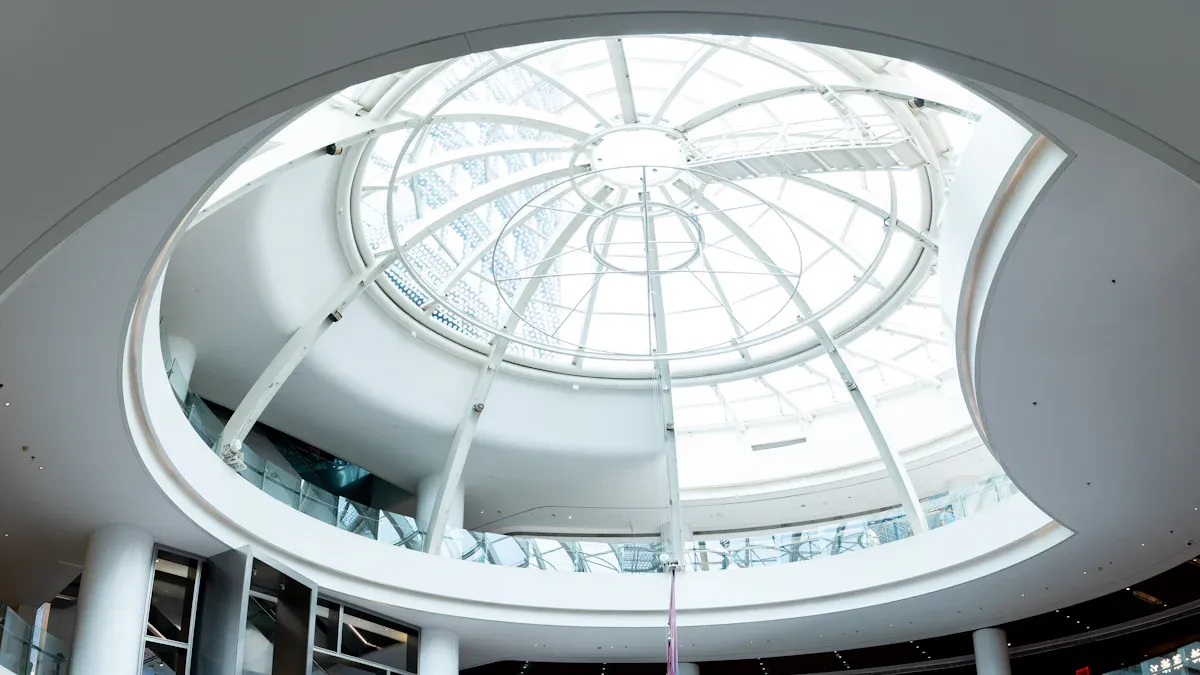
Smart technology is reshaping the shopping mall elevator from a simple utility into an interactive part of the customer journey. Modern systems offer new levels of convenience and personalization. Shoppers can now interact with elevators in ways that were once science fiction, making navigation faster, easier, and more engaging.
Calling an Elevator from Your Smartphone
The smartphone is now a remote control for the shopping mall elevator. Shoppers can call an elevator directly from their personal devices without touching a public button. Major elevator companies are leading this change. Schindler offers the ElevateMe app for touchless control. It also provides the myPORT application, which turns a smartphone into a secure digital key for building access and elevator summoning. Similarly, TK Elevator’s AGILE Mobile solution allows users to place elevator calls from their smart devices. Companies can even integrate this function into their own mall-specific apps through an API.
Security is a top priority for these systems. Mobile apps use several layers of protection to ensure only authorized users can control the elevators.
- Two-factor authentication (2FA) adds an extra step to verify a user's identity.
- Bluetooth Low Energy (BLE) and Near Field Communication (NFC) technologies allow the elevator system to identify a user's phone when it is nearby.
- Radio-Frequency Identification (RFID) technology also helps with secure identification.
This process turns a smartphone into a virtual access pass. It enhances security while providing a seamless, contactless experience for every shopper.
Voice Commands for Hands-Free Control
Voice control adds another layer of convenience to the modern elevator experience. Shoppers can simply speak their commands instead of pressing buttons. This hands-free operation is powered by advanced Natural Language Processing (NLP). NLP is a form of artificial intelligence that allows the elevator system to understand conversational language. A person can say "Take me to the food court" or "Fourth floor, please" and the system will understand the intent. NLP engines can also process complex requests, such as holding a door or asking for an express trip.
These systems are designed to work for everyone. They can recognize many different languages and accents. This is possible through extensive training.
- Developers collect thousands of audio samples from speakers with diverse accents.
- They manually transcribe these audio clips.
- This data helps the machine learn to connect specific sounds with words.
The AI's flexibility depends on the variety of accents it learns during training. Developers can also tune the system for specific regions. For example, they can add Scottish pronunciations to the system's lexicon for a deployment in Scotland. This ensures the shopping mall elevator can serve a diverse, global customer base effectively.
Interactive Kiosks as Your Digital Guide
Elevator kiosks are no longer just for selecting a floor. They have become powerful digital guides that enhance the entire shopping experience. These interactive touchscreens serve as a central information hub for the mall.
Your Mall Concierge 🗺️ Interactive kiosks act as a digital concierge. They provide real-time information that helps shoppers plan their visit, discover new stores, and take advantage of current promotions.
These kiosks offer a wide range of features beyond simple wayfinding. Shoppers can access:
- Store Directories and Maps: Find store locations with interactive building maps.
- Real-Time Information: Get updates on store hours, sales events, and flash promotions.
- Mobile Integration: Send directions or promotional offers directly to a smartphone.
- Engagement Tools: Participate in customer feedback surveys, play promotional games, or sign up for loyalty programs.
- General Information: View local weather, traffic updates, and global news feeds.
Leading retail centers already use this technology. Westfield malls in London, Century City, and the World Trade Center use interactive kiosks for wayfinding. These directories provide directions to specific floors and elevators. Colony Square in Atlanta also integrated touchscreen elevator displays as part of a major redevelopment, showing how these digital tools are becoming a standard feature in modern commercial spaces.
Beyond Vertical Transport: The Elevator as Navigator
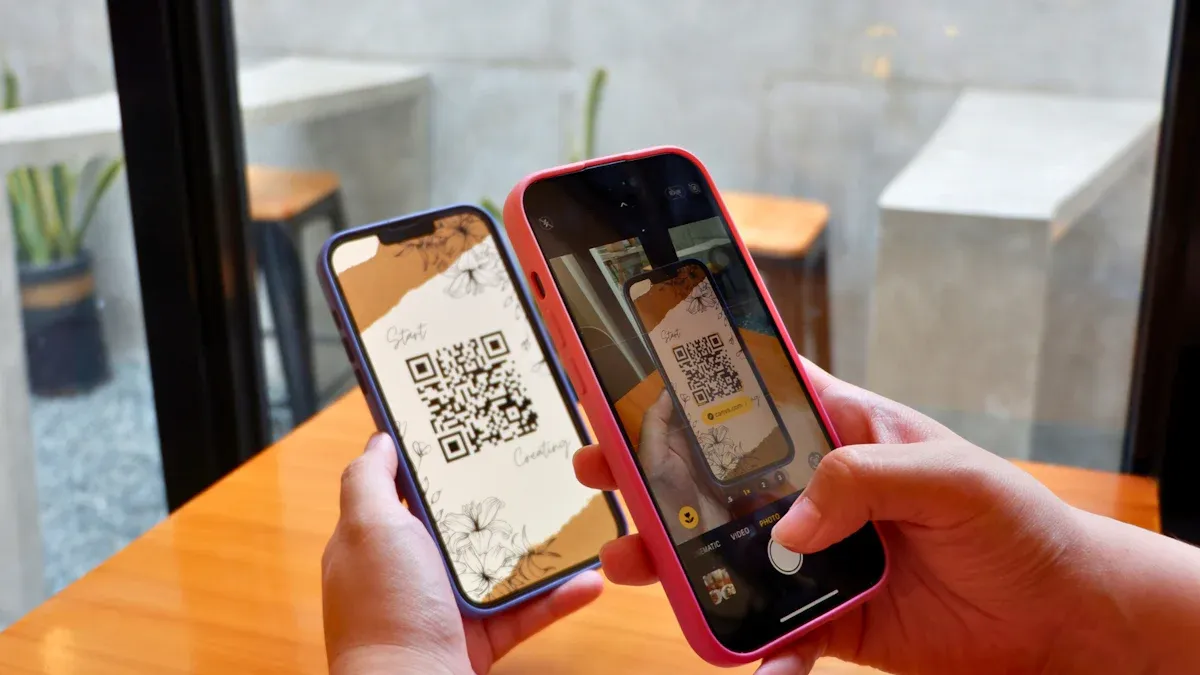
Smart elevators are evolving beyond their traditional role. They are becoming active guides in the shopping journey. These systems do more than move people between floors. They provide directions, share information, and anticipate shopper needs, creating a fully integrated navigation experience.
Integrated Directions from Elevator to Store
The smart elevator journey does not end when the doors open. The system knows a shopper's destination from the initial kiosk selection. It uses this information to provide "last-step" directions. Once a shopper exits, a nearby digital screen or a notification sent to their smartphone can display a simple map. This map shows the final path from the elevator bank to the specific store or restaurant. This technology connects the vertical trip with the horizontal one, guiding shoppers seamlessly from the lobby to their final destination.
Dynamic In-Cabin Signage and Promotions
Elevator interiors now feature dynamic digital screens that serve as information hubs. These displays provide useful and engaging content to passengers during their short trip.
- Multimedia content
- News and weather updates
- Entertainment clips
- Targeted advertising
Retailers can measure the return on investment from these in-cabin promotions. They track metrics like impressions, engagement rates from QR codes, and conversion rates from unique promo codes. This data proves the value of elevator advertising.
| Campaign Type | Measurement Method | Result |
|---|---|---|
| Retail Brand Seasonal Sale | Unique promo code | 25% increase in in-store traffic |
| Tech Company Product Launch | QR code to product demo | 40% engagement rate |
| Healthcare Clinic Promotion | Custom URL for appointments | 30% increase in new patients |
Predictive Analytics for Smarter Elevator Placement
Predictive analytics gives the shopping mall elevator system the ability to think ahead. It uses advanced algorithms and real-time data to forecast traffic patterns. This allows the system to reposition elevator cars proactively. For example, it can anticipate a lunch rush and move idle cars to the ground floor just before noon. This demand-driven approach uses adaptive route planning and intelligent speed control to ensure elevators are always where they are needed most. This foresight minimizes wait times and prevents congestion, keeping shopper traffic flowing smoothly.
Building the Sustainable and Secure Mall of the Future
Smart elevators help create shopping malls that are not only intelligent but also sustainable and secure. This technology improves building performance by saving energy, enhancing safety, and promoting a healthier environment for everyone.
Energy-Efficient Elevator Operations
Modern elevators significantly reduce a mall's energy consumption. A key technology is the regenerative drive. When a heavy elevator car descends or a light car ascends, the motor acts as a generator. It converts mechanical power into electrical power. This captured energy, which traditional systems wasted as heat, is fed back into the building's electrical grid. Regenerative drives can recover up to 30% of an elevator's total energy use. Overall, smart elevators can lower energy consumption by 25-40% compared to older models, making the building more eco-friendly.
Enhanced Security with Smart Access Control
Smart access control protects a mall's non-public areas. These systems allow the public to use elevators for shopping floors but restrict access to private levels, such as administrative offices or maintenance areas. Only authorized personnel can reach these secure floors. This is achieved through various credentialing methods:
- Key card or fob readers
- Biometric scanners (fingerprint or facial recognition)
- Mobile-based access using a smartphone
- PIN codes entered on a keypad
An employee might scan their access card to enable the button for a restricted floor, keeping sensitive areas of the mall secure.
Touchless Technology for a Healthier Environment
Touchless technology creates a cleaner, more hygienic elevator experience. Shoppers can avoid touching public surfaces through several innovative solutions. Many systems allow users to call an elevator using a smartphone app. Voice control also enables hands-free operation.
A Touch of the Future ✨ Modern elevators often use infrared sensors for button operation. These sensors detect a finger's proximity, registering the floor selection without any physical contact.
This combination of mobile apps, voice commands, and advanced sensors reduces the spread of germs and provides peace of mind, contributing to a healthier shopping environment.
The modern shopping mall elevator is no longer just a utility. It now serves as a cornerstone of the building's navigation system. By delivering speed, personalization, and intelligent guidance, this technology actively shapes a more efficient and enjoyable future for retail. This evolution in vertical transportation marks a significant step forward, creating smarter and more responsive commercial spaces that are more valuable and sustainable.
FAQ
How do smart elevators know where to send people?
Shoppers enter their floor on a lobby kiosk. An AI system analyzes these requests and groups people traveling to nearby floors. It then assigns a specific elevator car to each group. This method creates the most efficient route and minimizes stops for everyone.
Are smart elevators safe to use? 🔐
Yes, they are very safe. These systems use secure access controls to protect private areas of the mall. Mobile apps also include security features to verify a user's identity. This technology ensures a safe experience for both shoppers and building staff.
Can people use a smart elevator without a smartphone?
Yes. All shoppers can use the interactive kiosks located in the elevator lobby to select their floor. Many systems also offer voice commands. These options provide a simple, hands-free way to operate the elevator without needing a personal mobile device.
Do smart elevators really save time?
Yes. Smart elevators significantly reduce both wait times and travel times. By grouping passengers and creating direct routes with fewer stops, the system moves people through the building much faster. This efficiency is especially noticeable during a mall's busiest hours.
See Also
Comparing Hospital Bed Elevators: Safety and Performance Insights for Top Models
Simple Maintenance Practices to Avoid Costly Dumbwaiter Elevator Malfunctions
Custom Cargo Lifts: Evaluating Advantages and Disadvantages for Businesses
Exploring Key Folder Gluer Innovations for 2025 Carton Production Lines
Essential Capsule Checkweighers: A Buyer's Guide for 2025 Considerations