What the Numbers Say About Small STP Plant Costs
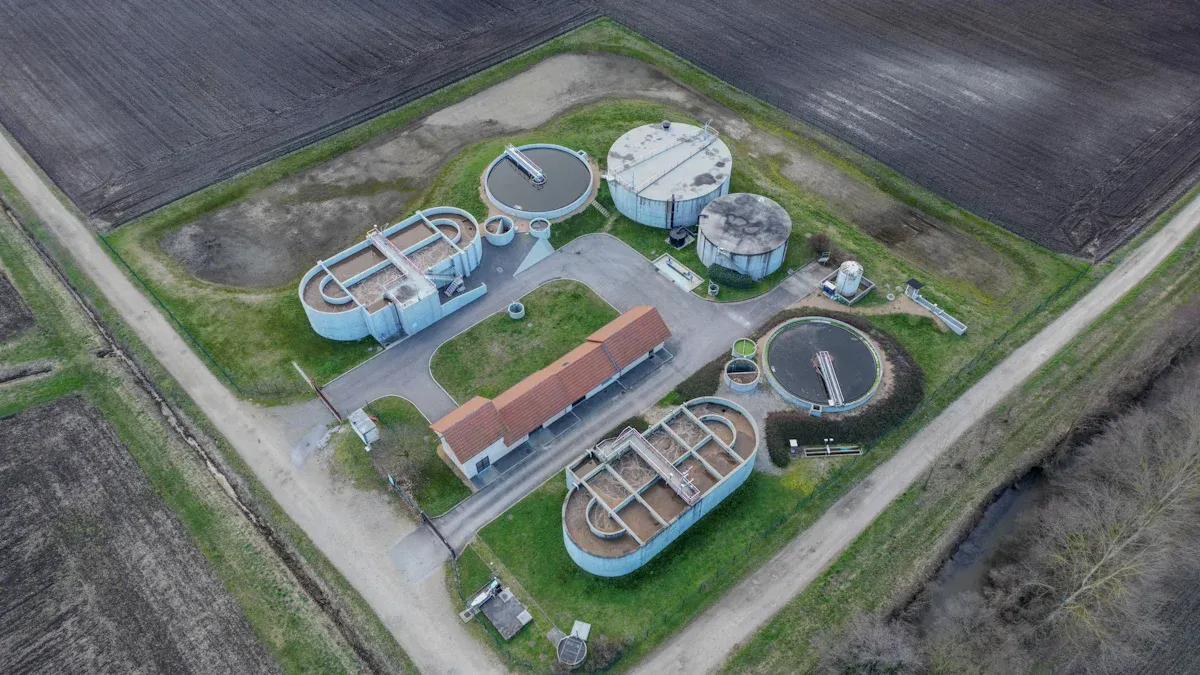
In 2026, you can expect the average cost of a small stp plant to range between $15,000 and $40,000. This price usually covers equipment, installation, and initial setup. Key factors like flow rates, equipment needs, local regulations, and operational costs can all influence your final investment.
Key Takeaways
- Expect small STP plant costs to range from $15,000 to $40,000 in 2026. This price includes equipment, installation, and initial setup.
- Choose the right plant size based on your community's wastewater needs. Larger plants cost more due to increased equipment and capacity requirements.
- Plan for ongoing operation and maintenance costs, which can reach $50,000 to $70,000 annually for a system serving about 100 homes.
Small STP Plant Cost Breakdown
Average Cost Range in 2026
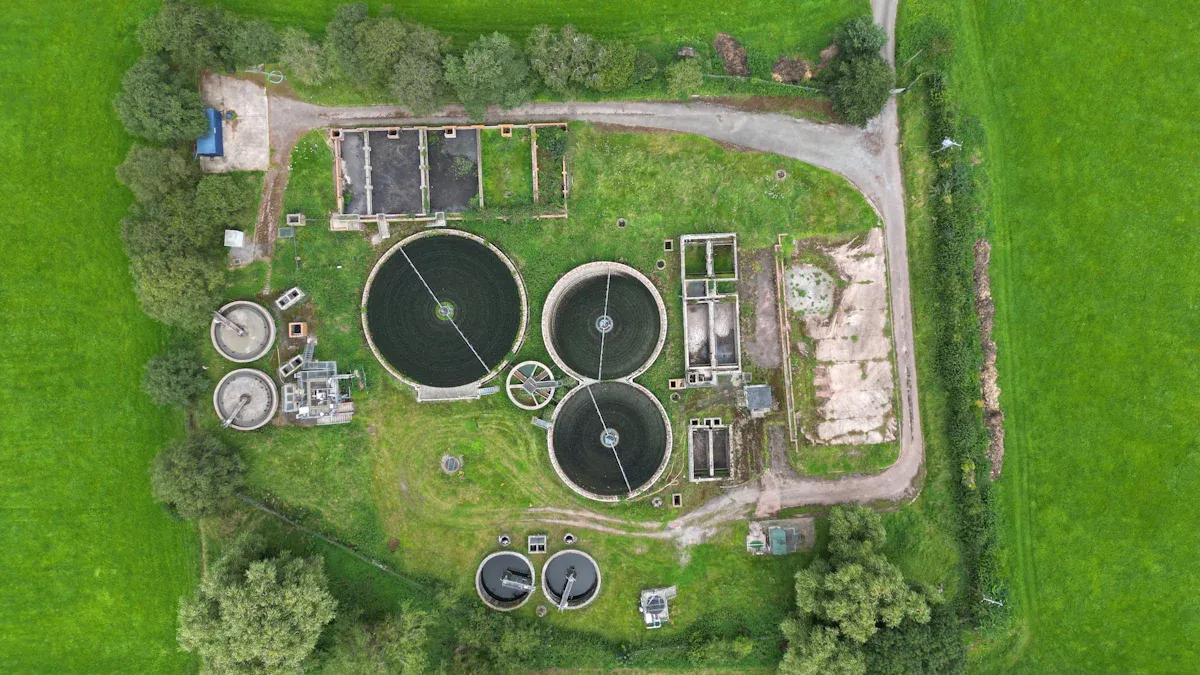
You will likely see the price for a small stp plant fall between $15,000 and $40,000 in 2026. This range covers most basic systems designed for small communities, apartment complexes, or commercial buildings. The cost depends on the size of the plant and the amount of wastewater you need to treat each day. If you choose a plant with higher capacity, you will pay more. Some plants use advanced technology, which can also increase the price.
Here is a simple table to help you understand how plant size affects cost:
| Plant Capacity (m³/day) | Typical Cost Range ($) |
|---|---|
| 5 - 10 | 15,000 - 22,000 |
| 11 - 20 | 22,000 - 30,000 |
| 21 - 30 | 30,000 - 40,000 |
Tip: You should always ask for a detailed quote based on your specific needs. This helps you avoid surprises and ensures you get the right system for your site.
What’s Included in the Price
When you buy a small stp plant, you get more than just the equipment. Most suppliers include several important services in the price. You receive installation, which means experts set up the plant at your location. You also get commissioning, where engineers test the system and make sure everything works as it should. After-sales support is another key part. If you have questions or problems, you can contact the supplier for help.
Many companies, such as Hamworthy, offer full lifecycle support. Their engineers provide technical assistance and make sure your plant runs smoothly from the start. This support helps you keep your system working well for years.
Here is a quick checklist of what you usually get:
- Equipment and machinery
- Installation by qualified technicians
- Commissioning and system testing
- After-sales support and technical help
Note: You should check with your supplier to confirm what is included. Some companies may offer extra services, such as training or extended warranties.
Factors Affecting Small STP Plant Cost
Plant Capacity Options
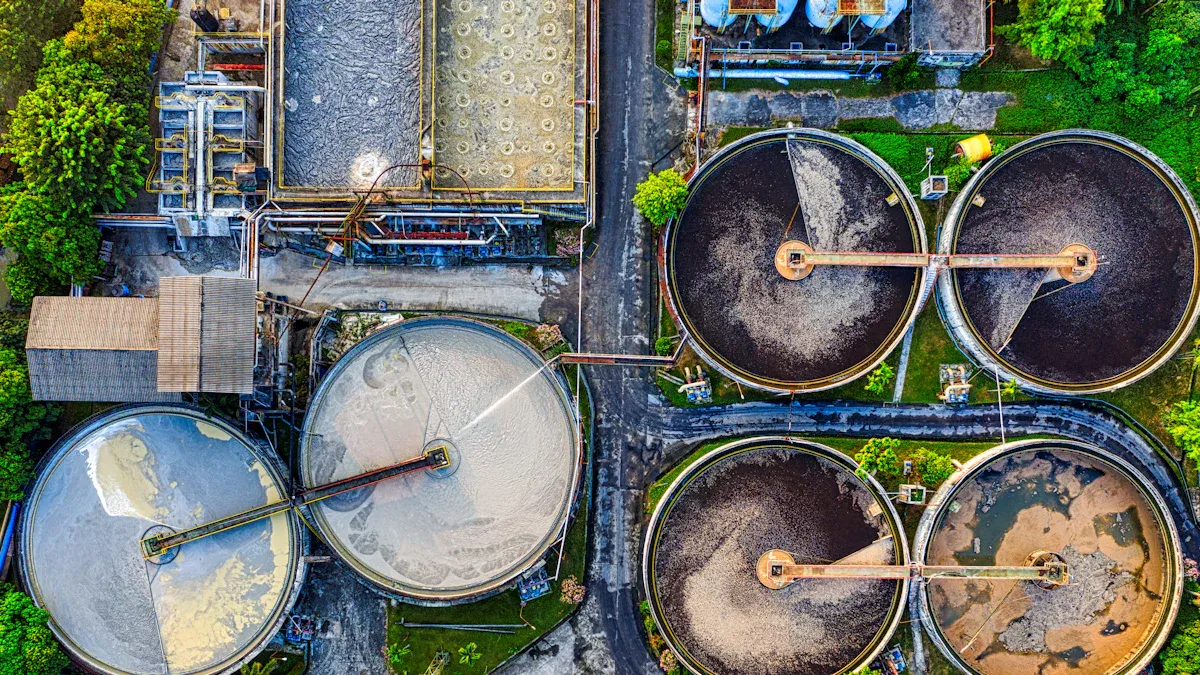
You need to choose the right plant size for your needs. The cost of a small stp plant depends on how much wastewater you want to treat each day. Larger plants cost more because they require more equipment and bigger tanks. Here is a table that shows how capacity can change construction costs:
| Capacity (MGD) | Construction Cost (approx.) | Peak Hour Cost (approx.) |
|---|---|---|
| 1 | $12 million | $5 million |
Smaller systems for fewer residents cost less, but you must match the plant size to your community’s needs.
Technology Types (MBR, MBBR, SBR)
You have several technology choices. MBR systems need a large investment and cost more to run because you must replace expensive parts. MBBR systems offer lower costs for both setup and operation, making them a good choice for many small communities. SBR systems fall in the middle for both capital and operational costs.
| Technology | Capital Cost | Operational Cost |
|---|---|---|
| MBR | High | Higher |
| MBBR | High | Low |
| SBR | Moderate | Moderate |
- MBR systems have high costs due to membrane technology.
- MBBR systems are more cost-effective.
- SBR systems offer moderate costs.
Site Conditions and Customization
Your site’s soil and layout affect installation costs. Well-structured soils help water move quickly, which makes treatment easier. Poor soils slow down water flow and can raise costs. You can also customize your plant for local conditions, collection type, and disposal method. Each change can increase the price, so you should plan carefully.
Local Regulations and Compliance
Stringent discharge limits and water quality standards for particular high-strength industries or environmentally sensitive regions necessitate additional infrastructure expenditures, and recurring compliance testing/reporting expenses factored into the plant budget. Staying in 100% compliance with all local, state, and federal clean water regulations is non-negotiable for any business that wants to avoid hefty fines and criminal liability for permit violations.
Small towns often face higher costs to meet strict standards. Sometimes, you need expensive upgrades to follow new rules. Decentralized systems can help you stay within budget and meet regulations.
Additional Costs for Small STP Plants
Operation and Maintenance
You need to plan for yearly operation and maintenance costs when you own a small stp plant. These costs can reach $50,000 to $70,000 each year for a system serving about 100 homes. You pay about $40 to $60 per lot every month. Labor makes up a big part of this budget, ranging from $24,000 to $36,000 yearly. The type of treatment plant you choose also affects these costs. Here is a table that shows how different systems compare:
| Type of Treatment Plant | Initial Capital Cost | O&M Cost Contribution |
|---|---|---|
| Tertiary Treatment | High | Significant |
| Decentralized WWTPs | Lower | Moderate |
| Centralized WWTPs | Higher | Lower |
| Macrophyte Filter Systems | Highest | Very Low |
Regular maintenance keeps your plant running smoothly and helps you avoid expensive repairs.
Utilities and Consumables
You pay for more than just labor and repairs. Utilities and consumables add to your ongoing costs. Energy use can make up 25% to 40% of your operational expenses. Chemicals also add a big chunk to your budget. Labor, maintenance, and biosolids management are other important cost factors. Here is a quick look at how these items contribute:
| Consumable | Contribution to Costs |
|---|---|
| Energy Consumption | 25% to 40% of operational costs |
| Chemicals | Significant addition to costs |
| Labor | 20% to 30% of operational budget |
| Maintenance and Repairs | Integral cost components |
| Biosolids Management | Hefty chunk of expenses |
You can lower costs by choosing energy-efficient equipment and using chemicals wisely.
Upgrades and Expansion
You may need to upgrade or expand your small stp plant as your community grows. Upgrade costs can rise quickly. For example, an upgrade might start at $10.5 million but reach $18.65 million, an 80% increase. Annual disposal costs can be around $500,000. Over 30 years, you could save up to $25 million with smart planning and improvements.
Plan for future growth to avoid sudden expenses and keep your system working well.
Estimating Your Small STP Plant Project Cost
Getting a Tailored Quote
You need a detailed quote to plan your project budget. Each small stp plant has unique needs, so you should give suppliers clear information. This helps them give you an accurate estimate. Start by sharing the expected water quality, the amount of wastewater, and your goals for treated water. You should also mention local rules and any special site features.
Here is a table that shows the main cost components and their share of the total capital cost:
| Cost Component | Percentage of CAPEX | Description |
|---|---|---|
| Equipment Costs | 40-50% | Includes pumps, membranes, and other main machinery |
| Installation Costs | 20-30% | Covers site work, electrical setup, and system commissioning |
| Operational Costs | N/A | Includes energy, chemicals, and labor for daily running |
Tip: Give details about your site, water quality, and future plans. This helps suppliers design a system that fits your needs and budget.
Cost Optimization Tips
You can lower costs by making smart choices during design and operation. Pick the right treatment process for your wastewater. A scalable design lets you expand later without big changes. Energy-efficient equipment and modern controls can cut power bills.
Here are some proven ways to save money:
- Clean screens and balance pH in pre-treatment to avoid blockages.
- Use smart sensors in aeration systems to adjust airflow and save up to 35% on energy.
- Automate chemical dosing to reduce waste and lower costs.
- Choose modular designs for easy upgrades as your needs grow.
| Process Area | Optimization Approach | Benefits |
|---|---|---|
| Pre-Treatment | Regular cleaning, pH balancing | Fewer blockages, smoother operation |
| Aeration System | Smart sensors, variable speed drives | Up to 40% lower energy costs |
| Chemical Dosing | Automated, real-time monitoring | Less chemical waste, lower expenses |
You can save money and avoid problems by planning ahead and using efficient technology in your small stp plant.
You can expect a small STP plant to cost $15,000 to $40,000 in 2026. To plan your project, consider these steps:
- Assess your needs and regulations.
- Estimate costs and create a detailed budget.
- Plan for upgrades and regular reviews.
Get expert advice for the best results.
FAQ
How long does installation of a small STP plant take?
You can expect installation to take 2–6 weeks. The timeline depends on site conditions and plant size.
What ongoing maintenance does a small STP plant need?
You should check pumps, clean screens, and monitor water quality every month. Regular maintenance keeps your system working well.
Can you expand a small STP plant later?
Yes, you can expand most modular plants. You add new units as your community grows. Ask your supplier about future upgrades.
See Also
Cost-Saving Insights About Pressure Plates You Should Know
Benefits and Financial Breakdown of Plate Packs in 2025
Evaluating Performance of Shell Versus Plate Heat Exchangers