Small sewage treatment plant benefits you need in 2026
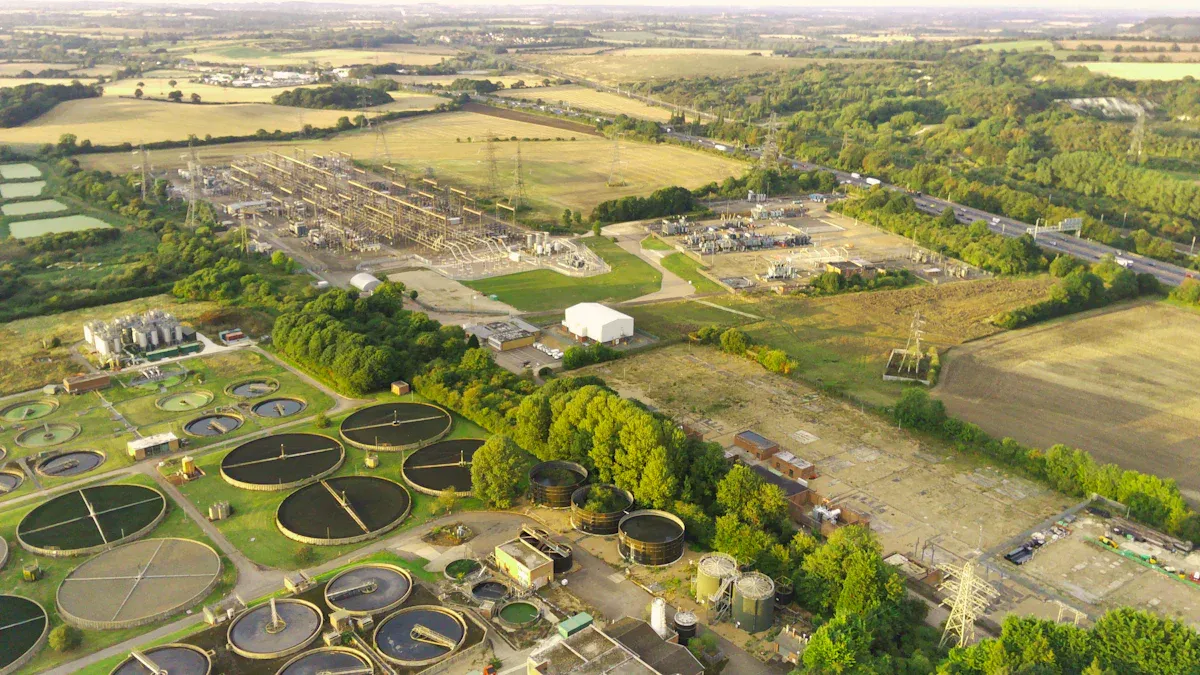
You can use a small sewage treatment plant to treat wastewater right where you produce it. This system helps you protect the environment and save money. The market for these plants keeps growing.
| Year | Market Size (USD) |
|---|---|
| 2024 | 1.2 billion |
| 2033 | 2.5 billion |
Key Takeaways
- Small sewage treatment plants help protect the environment by reducing water pollution and supporting local ecosystems.
- These systems save money over time with lower operational costs compared to traditional sewage systems, allowing for better budget control.
- Installing a small sewage treatment plant offers flexibility in placement, making it suitable for rural, remote, or growing urban areas.
What is a Small Sewage Treatment Plant?
How a Small Sewage Treatment Plant Works
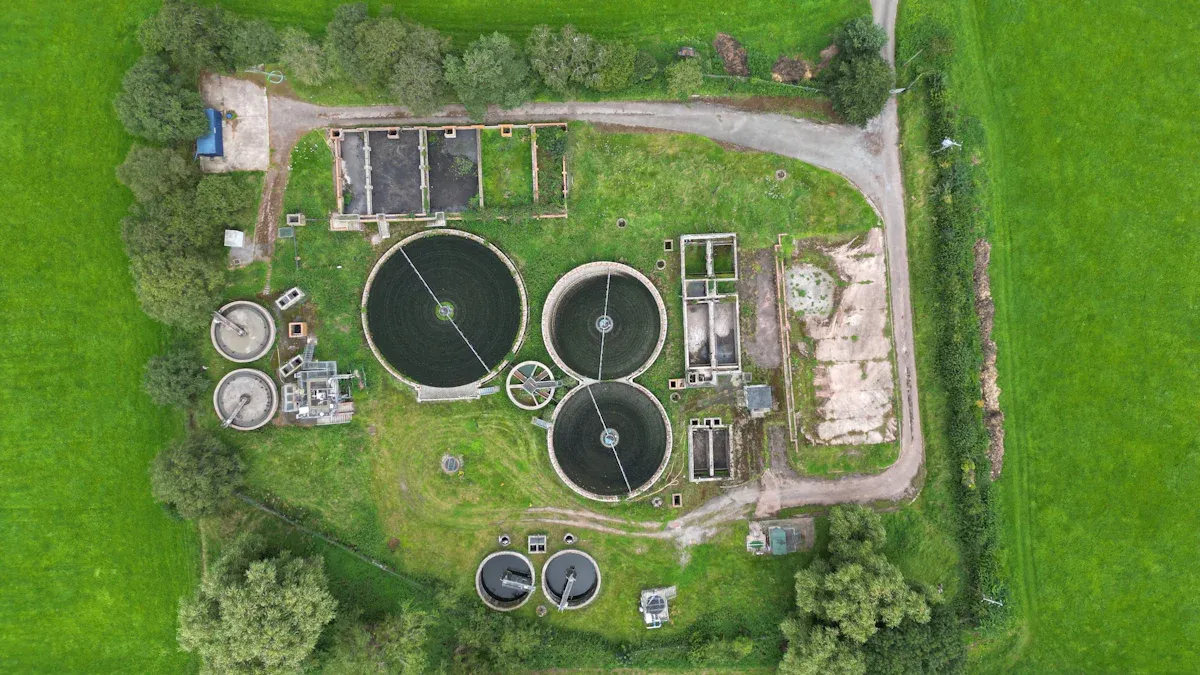
You can think of a small sewage treatment plant as a mini factory for cleaning water. It uses several steps to remove waste and harmful substances from your wastewater. The process starts with screening and grit removal, which takes out large debris and sand. Next, the water moves to sedimentation tanks, where solids settle at the bottom. After that, microbes break down organic matter in special tanks. Some systems use trickling filters, where water flows over stones covered in helpful bacteria. Others use aerated tanks, called the activated sludge process, to clean the water even more.
| Component/Process | Description |
|---|---|
| Primary Treatment | Removes floating and settling materials through screening and sedimentation. |
| Secondary Treatment | Uses microbes to break down organic matter and suspended solids. |
| Trickling Filter | Water trickles over stones, and bacteria absorb organic matter. |
| Activated Sludge Process | Microbes consume impurities in aerated tanks. |
| Oxidation Pond | Ponds allow natural microbial action on sewage. |
| Secondary Clarifiers | Tanks remove microbes washed off from filters. |
Small rural plants using trickling filters may operate with no net energy requirements, the whole process being driven by gravitational flow.
Core Function and Purpose
You install a small sewage treatment plant to protect your environment and health. Its main job is to treat sewage and wastewater so you can safely release the cleaned water or reuse it. This helps prevent water pollution and supports sustainable water management. You benefit from on-site treatment, which works well in places where large, centralized systems are not possible. The plant also helps you recover freshwater and manage resources wisely.
Small Sewage Treatment Plant Benefits in 2026
Environmental Impact
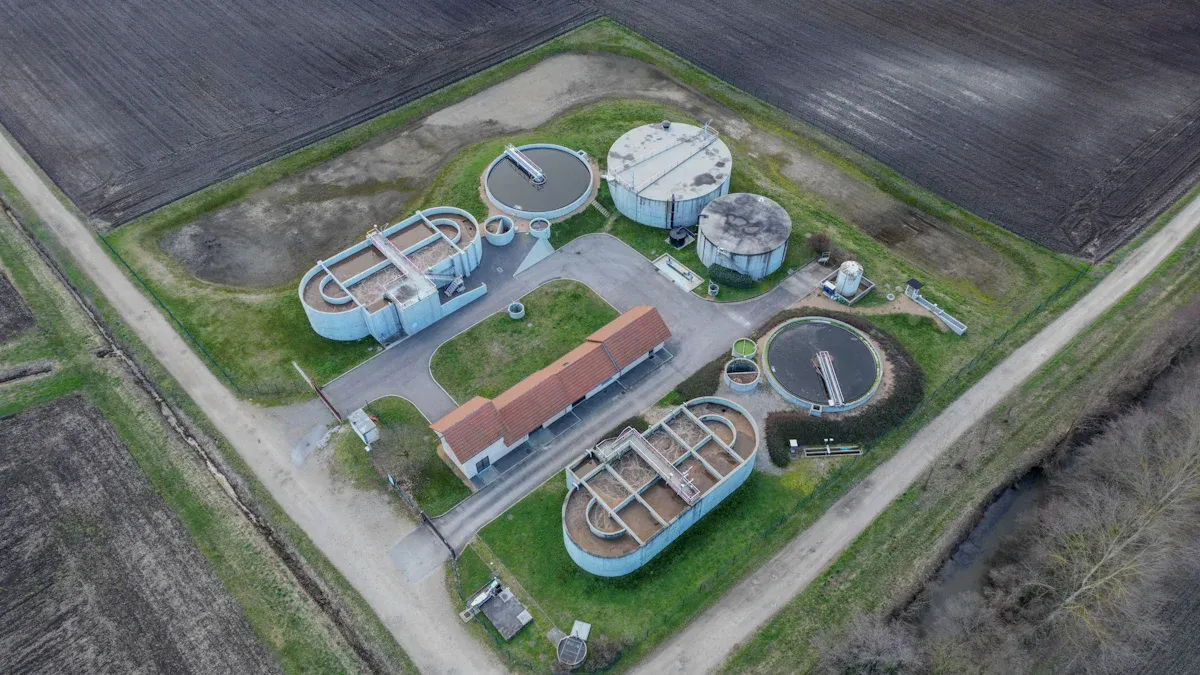
You help protect the environment when you use a small sewage treatment plant. These systems use ecological methods that are often more cost-effective and environmentally friendly than traditional systems. You can place them in populated areas without causing odor, which makes your community more comfortable. The plant can recycle nutrients and help refill groundwater supplies. This process supports local ecosystems and keeps water sources clean. When you choose this option, you reduce water pollution and make a positive difference in your neighborhood.
Tip: Installing a small sewage treatment plant can improve the health of rivers, lakes, and soil near your property.
Cost Savings
You save money over time with a small sewage treatment plant. The operational and maintenance costs are usually lower than those of traditional mechanical systems, especially for smaller flows. Here are some reasons why you spend less:
- You pay less for labor, energy, chemicals, and materials.
- Mechanical systems often have higher expenses, while natural treatment systems keep costs down.
- You avoid the large financial burden that comes with bigger, centralized plants.
When you manage your own wastewater, you control your budget and avoid surprise costs.
Compliance and Future-Proofing
You meet new regulations more easily with a small sewage treatment plant. Many areas now require stricter wastewater standards. These systems help you stay ahead of changing rules. You do not need to worry about sudden upgrades or fines. By choosing this solution, you prepare your property for the future. You also show that you care about public health and the environment.
Space and Flexibility
You can fit a small sewage treatment plant on almost any property. Modern designs use advanced technology to save space. For example:
- MBR technology can reduce land needs by 50-75% compared to traditional systems.
- You do not need secondary clarifiers, so the design is more compact.
- Higher biomass concentration means smaller aeration tanks.
- Superior effluent quality reduces the need for extra treatment units.
You get more flexibility in where and how you install your system. This makes it easier to add a plant to homes, businesses, or remote locations.
Ease of Maintenance
You find it easy to maintain a small sewage treatment plant. The tasks are simple and follow a clear schedule. Here is a table that shows typical maintenance intervals and tasks:
| Maintenance Interval | Tasks |
|---|---|
| Daily | Inspect and clean screens, filters, and grinders; check chemical levels; lubricate equipment; inspect for leaks. |
| Weekly | Inspect and clean clarifiers; calibrate sensors; test emergency systems; clean sludge dewatering equipment. |
| Monthly | Inspect aeration systems; check chemical dosing; clean UV disinfection systems; conduct vibration analysis. |
You do not need special skills to keep your system running well. Regular checks help you avoid big problems and keep your plant working for years.
Who Should Consider a Small Sewage Treatment Plant?
Ideal Users
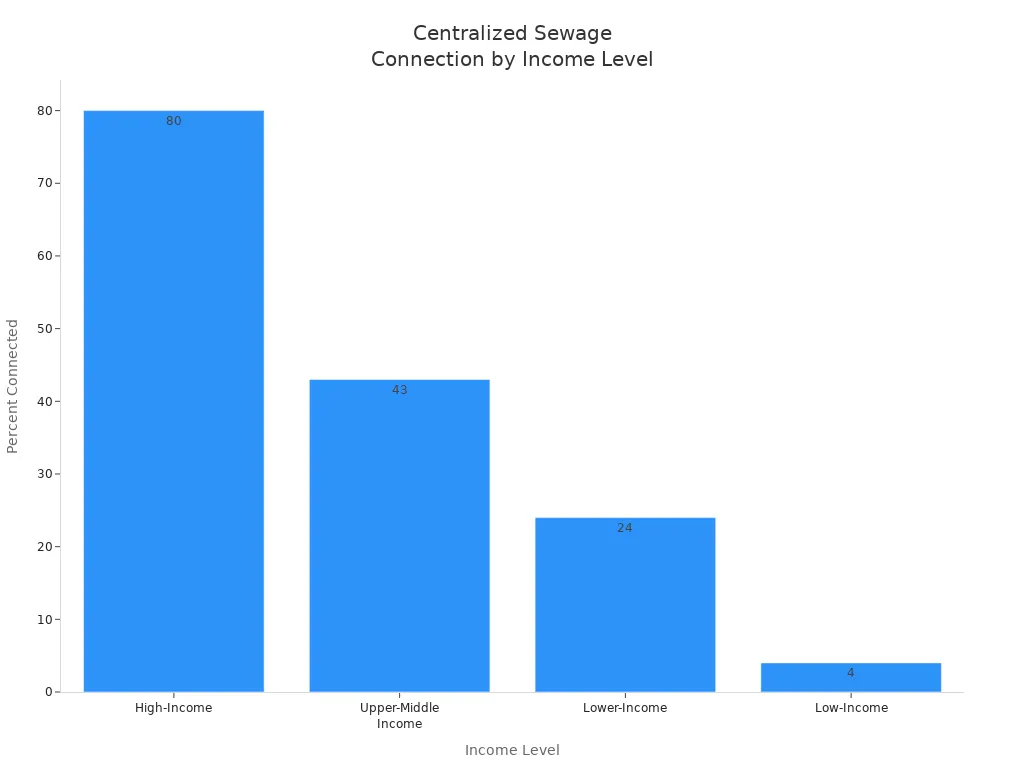
You may benefit from a small sewage treatment plant if you live in an area without access to centralized wastewater systems. Many people in lower-income regions and rural communities do not have connections to large treatment facilities. The table below shows how access varies by income level and country.
| Income Level | Percentage Connected to Centralized Treatment | Notable Countries/Regions |
|---|---|---|
| High-Income | 80% | Austria, Denmark, Germany, Netherlands, Sweden, Switzerland (∼100% connectivity) |
| Upper-Middle Income | 43% | Colombia (highest connectivity), Bosnia and Herzegovina (9% connectivity) |
| Lower-Income | 24% | Morocco (8%), El Salvador (3%), Yemen (3%), Ethiopia (19% highest in this group) |
| Low-Income | 4% | Haiti (no centralized treatment facilities documented) |
You may also consider this system if you own a small business, manage a remote property, or operate in a growing urban area. Homeowners, schools, and community centers often choose these plants to control costs and meet local regulations.
Tip: If you want to protect your local water sources and reduce pollution, installing a small sewage treatment plant can help you achieve these goals.
Best Situations for Installation
You should think about installing a small sewage treatment plant in several common scenarios:
- You live in a rural area where gravity-driven systems work well and energy use is low.
- Your property is in a remote location, far from centralized infrastructure.
- You face high costs for connecting to traditional sewage systems.
- Your community is growing quickly, and you need a flexible solution.
- You want to avoid odor problems and meet strict urban regulations.
In rural settings, you can use simple systems like trickling filters, especially if your land has hills. Urban areas need more advanced systems to handle larger volumes and control odors. You can adapt these plants to fit your needs, whether you have limited space or changing requirements.
Note: Small sewage treatment plants work best when you need an affordable, effective, and adaptable wastewater solution.
- You gain a smart, eco-friendly way to manage wastewater with a small sewage treatment plant.
- Homeowners and business owners both benefit from cleaner water and lower costs.
Tip: Upgrade your system now. You protect your property and help the environment for years to come.
FAQ
How often should you service a small sewage treatment plant?
You should check your plant every month. Clean filters and screens. Schedule a professional inspection once a year for best results.
Can you reuse water from a small sewage treatment plant?
Yes, you can reuse treated water for irrigation or flushing toilets. Always follow local guidelines to keep your water safe.
What happens if you do not maintain your plant?
If you skip maintenance, your plant may smell, overflow, or pollute water. Regular care keeps your system safe and working well.
See Also
Understanding the Advantages of Commercial Heat Exchangers in 2025
2025 Overview of Semi-welded Plate Heat Exchangers for Industries
Innovations in Heat Exchanger Manufacturing Boost Industrial Efficiency