Sludge Thickening vs. Dewatering A Head-to-Head Comparison
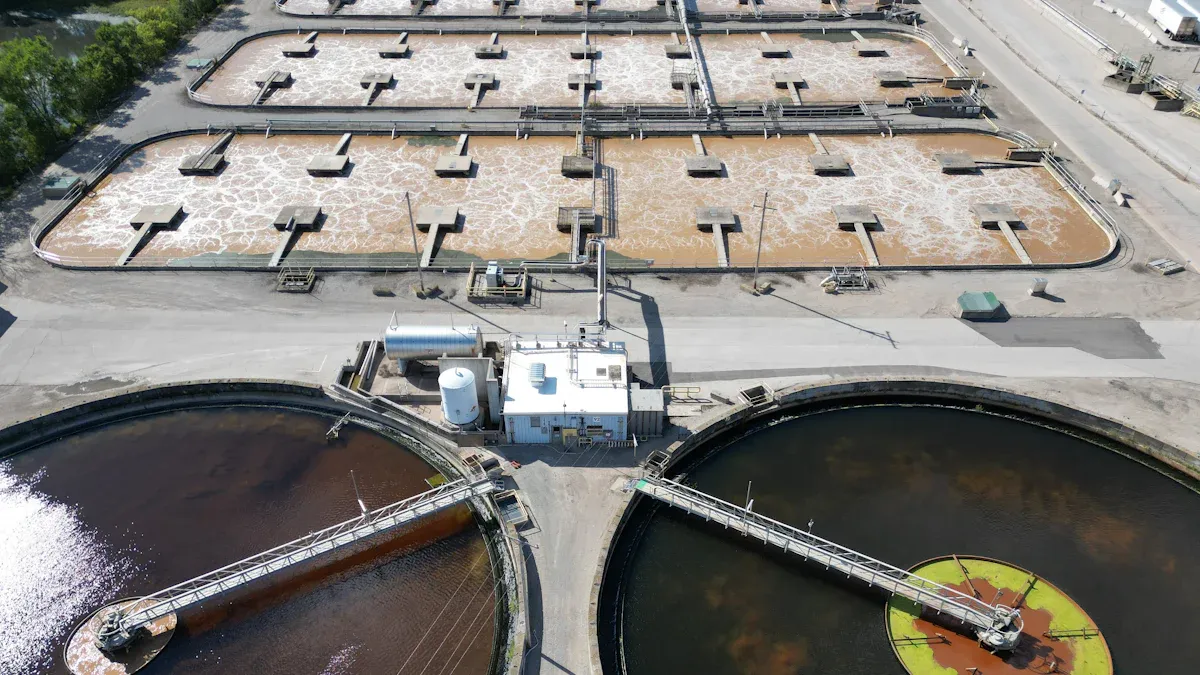
The United States generates between 6.8 and 7.5 million metric dry tons of wastewater sludge annually. Sludge thickening is a volume reduction step. It creates a concentrated liquid for easier processing. Sludge dewatering is a final water removal step. This process produces a solid cake, minimizing disposal costs with specialized municipal wastewater treatment equipment.
Key Takeaways
- Sludge thickening makes wastewater sludge a thick liquid. This helps move it to the next treatment step.
- Sludge dewatering removes most water from sludge. It turns sludge into a solid cake for easier disposal.
- Many wastewater plants use both thickening and dewatering. This makes the whole process work better and saves money.
What is Sludge Thickening? The Goal of Volume Reduction
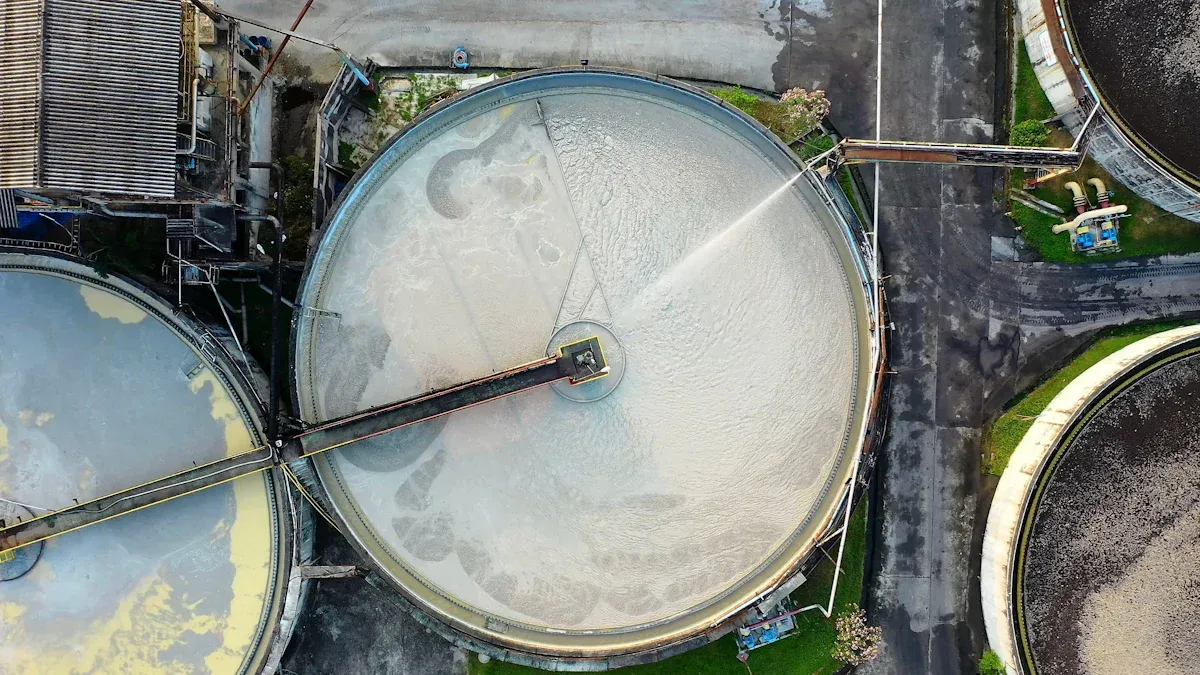
Sludge thickening is the first step in reducing sludge volume. Its main purpose is to remove a portion of the water from the sludge. This makes the sludge denser and reduces its total volume, making it easier and more cost-effective to pump and handle for subsequent treatment stages. Think of it as concentrating a liquid, not creating a solid. The process prepares the sludge for more intensive treatments like anaerobic digestion or dewatering.
Primary Purpose and Process
The primary goal of thickening is to increase the solids content of the sludge from around 0.5-1% to a more concentrated 2-5%. This is typically achieved through gravity-based methods. The process generally involves several key steps:
- Slurry Introduction: Raw sludge is fed into a large, circular tank, often called a gravity thickener.
- Settling and Compaction: Gravity pulls the denser solid particles downward. These particles settle at the bottom of the tank and form a more concentrated sludge blanket. Sometimes, chemicals called flocculants are added to help small particles clump together into larger flocs, which speeds up the settling process.
- Collection: Slow-moving rakes or scrapers at the bottom of the tank gently push the settled solids toward a central outlet for removal.
- Supernatant Removal: The clearer water, or supernatant, rises to the top. It flows over a weir and is sent back to the beginning of the plant for re-treatment.
The End Product: Concentrated Liquid Sludge
The result of sludge thickening is not a solid. It is a thick, pumpable liquid often called "thickened sludge." This concentrated slurry still contains a significant amount of water, typically having a solids concentration between 2% and 5%.
Note: While it is much denser than the initial raw sludge, it remains fluid enough to be pumped. This characteristic is crucial for moving it efficiently to the next stage in the treatment process, whether that is digestion, conditioning, or final dewatering. Using the right municipal wastewater treatment equipment ensures this process is both efficient and effective.
What is Sludge Dewatering? The Goal of Maximum Water Removal
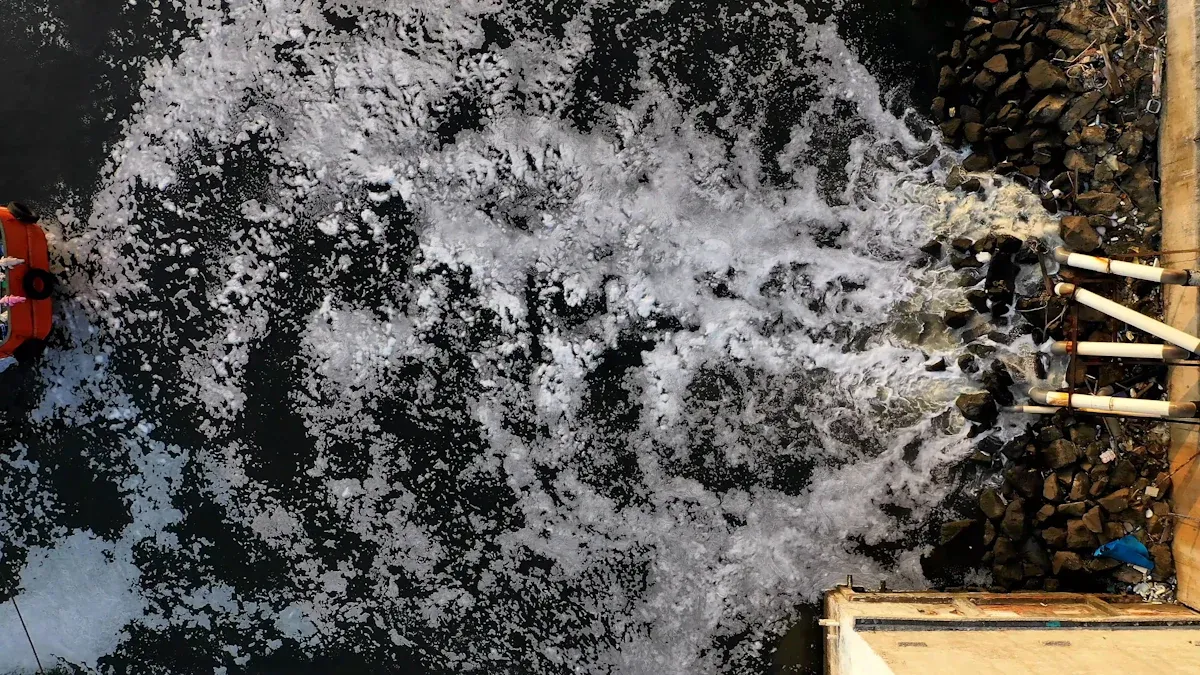
Sludge dewatering is the final, intensive step in water removal. It follows thickening or digestion. The main goal is to remove as much water as possible from the sludge. This process transforms the sludge from a liquid into a solid material. This solid is easier and cheaper to transport and dispose of. Dewatering is a critical step for meeting landfill regulations and minimizing final disposal costs.
Primary Purpose and Process
The primary purpose of dewatering is to significantly increase the solids concentration, often from 2-5% up to 15-40% or more. This is achieved using mechanical force to squeeze water from the solids. Unlike gravity thickening, dewatering relies on powerful machinery. Common mechanical processes include:
- Belt Filter Press: Sludge passes between two porous belts. The belts apply increasing pressure to squeeze water out.
- Centrifuge: A machine spins the sludge at very high speeds. This force separates the heavier solids from the lighter liquid.
- Screw Press: A rotating screw slowly pushes sludge through a chamber. The pressure builds and forces water out through a screen.
These pieces of municipal wastewater treatment equipment are designed for maximum water extraction.
The End Product: Solid Sludge Cake
The result of dewatering is a solid, non-liquid material called "sludge cake" or "biosolids." This cake is dry and dense enough to be handled with a shovel or front-end loader. It can be stacked for storage or loaded directly onto trucks for disposal.
Key Takeaway: The final product is a solid, not a liquid. This high solids content dramatically reduces the sludge's final volume and weight, leading to significant savings in transportation and disposal fees. The specific dryness of the cake depends on the type of municipal wastewater treatment equipment used.
A Direct Comparison: Thickening vs. Dewatering
While both thickening and dewatering remove water from sludge, they operate on different scales and for different reasons. Understanding their key differences in solids concentration, process position, and cost is essential for effective sludge management.
Solids Concentration
The most significant difference between the two processes is the final solids concentration they achieve. Thickening aims for a modest increase in solids, while dewatering pushes for maximum water removal.
- Thickening increases the solids content from an initial 0.5-1% to a range of 4-10%. The result is a dense, concentrated liquid that is still easily pumpable.
- Dewatering takes this much further. It increases the solids content to 15-45% or more. The result is a solid, non-pumpable "cake."
The final concentration depends on the specific technology used.
| Process | Typical Solids Concentration |
|---|---|
| Thickening | 4-10% |
| Dewatering | 15-45% |
This difference in solids content directly impacts how the sludge is handled. Sludge with a lower solids concentration has a lower viscosity, or resistance to flow. Experiments show that lower solids content improves pumpability and prevents blockages in pipes and valves. Thickened sludge remains fluid. Dewatered sludge cake is a solid material that must be moved with conveyors or loaders.
Position in the Treatment Chain
Thickening and dewatering occur at different stages of the wastewater treatment process because they serve different functions. Thickening is an intermediate step, while dewatering is a final step before disposal.
A common sludge treatment sequence looks like this:
- Sludge Thickening: Raw sludge from primary and secondary treatment is first thickened. This reduces its volume.
- Sludge Digestion: The thickened sludge is often sent to an anaerobic digester. Here, microbes break down organic matter, reduce pathogens, and produce biogas.
- Sludge Dewatering: After digestion, the sludge is dewatered. This final step removes the maximum amount of water before the solids are hauled away for disposal or beneficial reuse.
Why thicken before digestion? Thickening makes the anaerobic digestion process much more efficient. Sending more concentrated sludge (e.g., above 4% solids) to the digester means less water needs to be heated. This can create a positive energy balance, where the energy produced from biogas is more than the energy needed to run the process. Optimized thickening can increase methane yield by 10% or more.
Capital and Operational Costs
Dewatering is a more intensive process than thickening, which is reflected in its costs. It requires more robust machinery and consumes more resources.
- Capital Costs: Dewatering equipment is generally more expensive to purchase than thickening equipment because it must generate powerful mechanical forces.
- Operational Costs: Dewatering has higher ongoing costs, primarily related to energy and chemical consumption.
This table shows a general comparison of operational factors.
| Feature | Thickening | Dewatering |
|---|---|---|
| Power Consumption | Lower | Higher |
| Polymer Usage | Low (0-3 lbs/dry ton) | Significantly Higher |
| End Goal | Volume reduction for processing | Maximum water removal for disposal |
Dewatering machines like centrifuges or belt presses use more energy to spin, press, or squeeze water from the sludge. They also require significantly more polymer—a chemical that helps solids separate from water. While these operational costs are higher, they are justified by the major savings in final disposal. Hauling and landfilling a dry, lightweight cake costs far less than disposing of a heavy, wet liquid. The choice of specific municipal wastewater treatment equipment will ultimately determine the exact operational footprint.
Choosing the Right Municipal Wastewater Treatment Equipment
Selecting the right municipal wastewater treatment equipment is key to efficient sludge handling. The technology you choose depends on whether your goal is intermediate volume reduction or final water removal.
Common Thickening Technologies
Facilities use several types of equipment for thickening. Each machine gently removes water to create a denser liquid.
-
Gravity Belt Thickener (GBT): This is a popular choice that passes sludge over a porous moving belt. Water drains through the belt via gravity. Its main benefits include:
- Significant volume reduction, which lowers costs for pumps and pipes.
- Conservation of plant space and reduced energy use.
- Lower operational expenses due to decreased labor needs.
-
Rotary Drum Thickener (RDT): This machine uses a large, slowly rotating drum with a screen wall. Sludge is fed into the drum. As it rotates, water drains through the screen, and the thickened solids are carried to the discharge end. RDTs can effectively increase solids concentration up to 9%.
Common Dewatering Technologies
Dewatering equipment uses mechanical force to squeeze as much water as possible from the sludge, creating a solid cake.
Note: These machines are more powerful and energy-intensive than thickeners, but they produce a final product ready for disposal.
-
Belt Filter Press: This machine sends sludge between two large belts. The belts press together, squeezing water out. It offers continuous operation, handles high solids loading, and has relatively low energy consumption, making it a reliable choice.
-
Screw Press vs. Centrifuge: These are two other leading technologies. A screw press uses a slow-moving screw to generate high pressure, forcing water out through a screen. It is simple to operate. A decanter centrifuge uses high-speed centrifugal force to separate solids from liquid. It excels with thick sludges but is more complex to maintain.
Making the Right Choice for Your Facility
Deciding between thickening, dewatering, or a combination of both depends entirely on your facility's goals. Key factors include your sludge volume, downstream processes, disposal regulations, and budget. Analyzing these elements will point you to the most effective and economical solution.
When to Choose Thickening
Thickening is the right choice when your main goal is to reduce sludge volume for an intermediate processing step. It is not the final solution for disposal. You should choose thickening in a few specific situations.
One primary scenario is preparing sludge for anaerobic digestion. Thickening is highly cost-effective before digestion. It can reduce sludge volume by up to 90%. This allows facilities to use smaller, less expensive digesters. Sending less water to the digester also means less energy is needed for heating, which improves the overall energy balance of the process. Using technologies like dissolved air flotation (DAF) to thicken sludge can lead to major energy and cost savings.
Thickening is also the answer if you transport sludge to another facility for final processing.
The city of New York's treatment plants use large centrifugal thickening systems. This process significantly reduces the sludge volume before it is transported. The city saves a great deal of money on transportation costs as a result.
For some small or rural communities, thickening can be part of a simple and direct land application strategy. Sludge treatment wetlands (STW) offer a low-cost, low-energy option.
| Sludge Management Scenario | Cost-Effectiveness | Environmental Impact |
|---|---|---|
| STW with direct land application | Most Cost-Effective | Lowest |
| STW with compost post-treatment | Less Cost-Effective | Higher |
| Centrifuge with compost post-treatment | Less Cost-Effective | Higher |
| Sludge transport to intensive WWTP | Less Cost-Effective | Higher |
In short, choose thickening when you need to make your sludge denser for the next step, whether that is digestion, pumping, or transport.
When to Choose Dewatering
Dewatering is the best choice when your goal is final disposal or beneficial reuse. This process is necessary when you need to create a solid, stackable material. The decision to dewater is almost always driven by cost and regulations.
The liquid content of sludge is a major factor in treatment and disposal costs. Hauling and landfilling heavy, wet sludge is extremely expensive. Dewatering removes the maximum amount of water. This dramatically reduces the final weight and volume of the sludge, leading to huge savings on disposal fees.
Key Insight: The higher capital and operational costs of dewatering equipment are an investment. This investment is quickly paid back by the significant reduction in long-term transportation and landfilling expenses.
You should choose dewatering if your facility faces these conditions:
- High Disposal Costs: Landfill tipping fees are high in your area.
- Strict Regulations: Your local landfill does not accept liquid waste.
- Long Hauling Distances: Your disposal site is far from your plant.
- Beneficial Reuse: You plan to turn the sludge into a usable product like compost or fertilizer, which requires a solid material.
Engineers consider the full life cycle costs when selecting technology. Dewatering often proves to be the most cost-effective choice when final disposal is the end of the line.
When to Use Both Processes
For many modern wastewater treatment plants, the most efficient and economical solution is using both thickening and dewatering in sequence. This combined approach optimizes the entire sludge management train. Thickening prepares the sludge, which allows the dewatering equipment to perform at its best.
Matching the right process to the right sludge stage creates major efficiency gains. Using a dewatering machine on un-thickened sludge can overload the equipment. Using an energy-intensive dewatering process when simple thickening would suffice wastes money. A combined system avoids these problems.
This strategic pairing leads to significant benefits, including:
- Reduced wear and tear on expensive dewatering equipment.
- Improved energy efficiency across the entire system.
- Lower consumption of costly polymers and other chemicals.
A real-world example shows the power of this approach. The city of Brockville, Ontario, needed to increase its digester capacity due to new, stricter effluent limits. Instead of building a new digester for $2.9 million, the city installed two rotary drum thickeners for less than $1 million.
The new thickening system effectively converted 200 cubic meters of thin secondary sludge into just 20 cubic meters of 5% thickened sludge. This massive volume reduction kept the existing digesters operating within their capacity.
This smart investment in thickening optimized the path for eventual dewatering and disposal. It demonstrates how combining different types of municipal wastewater treatment equipment can save millions in capital costs and improve overall plant performance. This phased solution eliminates slurry ponds, reduces environmental liabilities, and makes the entire operation more sustainable.
Your end goal determines the choice between thickening and dewatering. Thickening reduces volume for efficient processing, while dewatering removes maximum water for cost-effective disposal. For many facilities, a combined approach is best.
This strategy optimizes the entire system. It significantly reduces environmental impacts and aligns with modern goals like resource recovery.
FAQ
What is the main difference between thickening and dewatering?
Thickening creates a dense, pumpable liquid. Dewatering creates a solid, stackable cake. The key difference is the final state of the sludge: liquid versus solid.
Why not just dewater all sludge from the start?
Dewatering is very energy-intensive and expensive. Thickening is a cheaper first step. It reduces volume, making the dewatering process much more efficient and cost-effective later on.
Which process saves more money? 💰
Dewatering costs more to operate. However, it provides massive savings on final disposal and transportation fees. The choice depends on the facility's ultimate goal for the sludge.
See Also
Leading Precoating Solutions: Enhancing Filtration System Performance for 2025
Shell Versus Plate: Evaluating Heat Exchanger Efficiency for Industrial Use in 2025
Optimizing Heat Exchange: Steel Processing Guarantees Consistent Industrial Performance Outcomes
Boosting Industrial Savings: Condensate Coolers Drive Significant Energy Efficiency Gains