Simple Tips for Using Gelatin Sheets and Powder in Baking
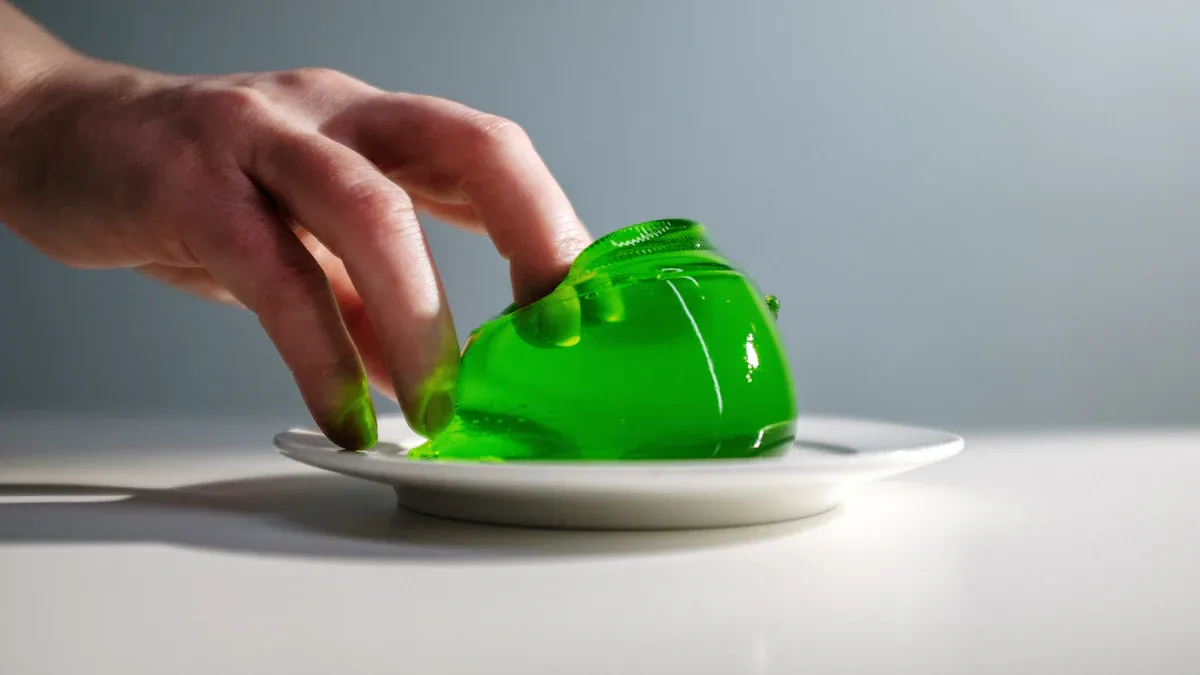
You can improve your baking results by understanding how gelatin works. Always bloom and dissolve gelatin properly. If you choose between gelatin sheets vs powder, remember to measure carefully. Avoid these common mistakes:
- Chill desserts for at least eight hours for the best set.
- Never let gelatin reach boiling temperatures.
- Use exact measurements.
- Make sure gelatin dissolves completely.
Key Takeaways
- Always bloom gelatin sheets or powder in cold water to ensure even texture and prevent lumps.
- Use gelatin sheets for a clearer, smoother finish in delicate desserts like panna cotta, while gelatin powder is great for quick mixing.
- Avoid overheating gelatin; keep temperatures below 140°F (60°C) to maintain its gelling power and achieve the best results.
What Is Gelatin and Why Use It?
Gelatin’s Role in Baking
You use gelatin to create desserts with a smooth, creamy texture. Gelatin acts as a gelling agent, helping mixtures set firmly without losing their silkiness. When you dissolve gelatin in hot water, it forms a thermoreversible gel. This means the gel solidifies as it cools and melts again when heated. You can rely on gelatin to stabilize cake fillings and improve texture in many recipes. Bakers choose gelatin because it gives desserts a classic, tender mouthfeel. It also sets reliably in familiar recipes and has a neutral flavor, so it does not overpower other ingredients.
Here is a quick look at the chemical composition of gelatin:
| Component | Percentage (%) |
|---|---|
| Protein | 80-90 |
| Moisture | 8-13 |
| Inorganic Salts | <1 |
Tip: Gelatin sheets vs powder both provide these benefits, but you should select the form that fits your recipe best.
Common Recipes Using Gelatin
You find gelatin in many popular desserts and baked goods. It helps whipped cream and mousses hold their shape. Panna cotta depends on gelatin for its signature creamy consistency. Commercial products like Jell-O use gelatin for structure. Gummy candies, including gummy bears and marshmallows, rely on gelatin for their chewy texture. You can make dairy-free no-bake cheesecake with gelatin as a binding agent. Gummy watermelon slices use gelatin for a chewy bite and extra protein. Gelatin ensures your chilled desserts set firmly while staying silky smooth.
Gelatin Sheets vs Powder

Differences in Texture and Strength
When you compare gelatin sheets vs powder, you notice clear differences in how they work. Gelatin sheets give you a stronger gel because they have a higher bloom strength. This means your desserts set more firmly and look clearer. Gelatin powder can have different bloom strengths, so you must measure it carefully to get the same results every time. If you want a dessert that looks professional, gelatin sheets help you avoid lumps and create a smooth finish.
Here is a table that shows the main differences:
| Type of Gelatin | Bloom Strength Characteristics | Setting Properties |
|---|---|---|
| Gelatin Sheets | Higher bloom strength; consistent quality | Clearer results, fewer lumps, great for professional desserts |
| Gelatin Powder | Varies in bloom strength; needs precise measurement | Can become dense or grainy if not mixed well, which affects the final texture |
Tip: If you want a dessert with a clear and smooth texture, gelatin sheets often work better than powder.
When to Use Sheets or Powder
You should choose between gelatin sheets vs powder based on your recipe and the texture you want. Gelatin sheets give you a more uniform and clearer gel. They do not break apart easily, so your dessert looks smooth. Powdered gelatin can sometimes make your dessert grainy if you do not hydrate it well. The way manufacturers make sheets helps them keep their clarity and smoothness.
- Use gelatin sheets for delicate desserts like panna cotta or mirror glaze.
- Choose gelatin powder for recipes that need quick mixing or when you want to measure small amounts.
- Remember, gelatin sheets vs powder both work well, but sheets often give you a more professional finish.
How to Use Gelatin Sheets
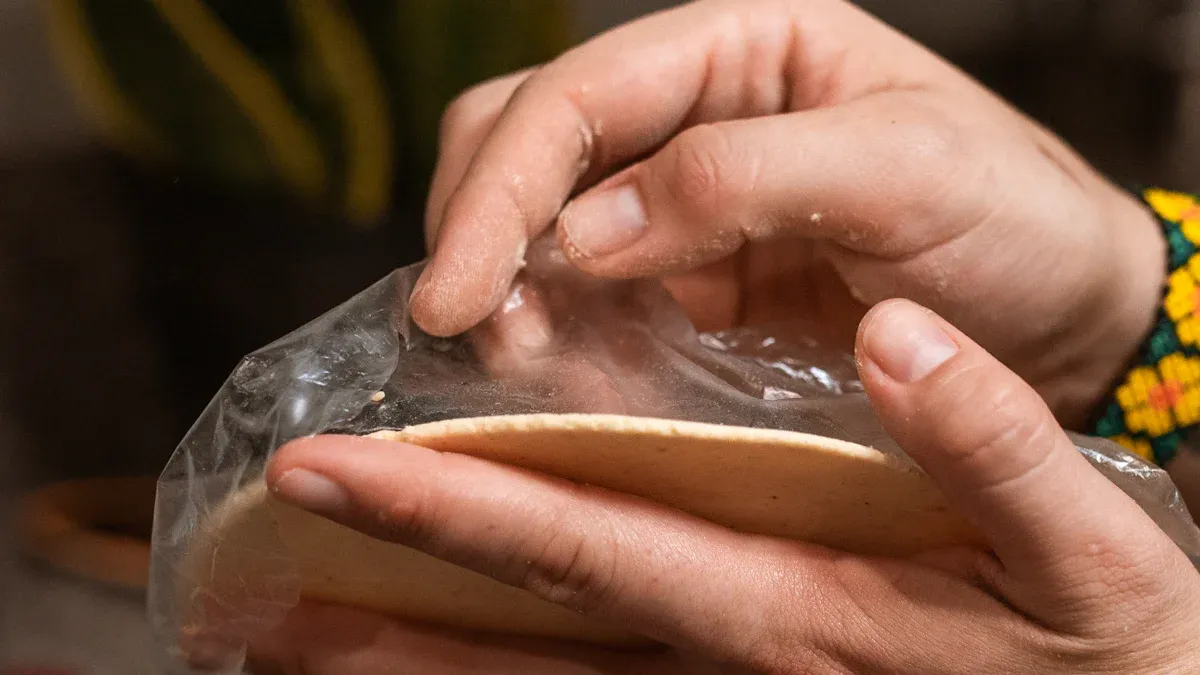
Blooming Gelatin Sheets
You must bloom gelatin sheets before adding them to your recipe. Blooming means you soak the sheets in cold water until they become soft and flexible. This step helps the gelatin dissolve evenly and prevents lumps in your dessert.
Tip: Always use cold water for blooming. Warm or hot water can cause the sheets to dissolve unevenly.
Follow these steps to bloom gelatin sheets:
- Place the gelatin sheets in a bowl of cold water. Make sure the sheets are fully submerged.
- Let the sheets soak for 5 to 10 minutes. You will notice the sheets become soft and pliable.
- Remove the sheets from the water. Gently squeeze out excess water without tearing the sheets.
You should use a weight-based ratio of 0.6–1% gelatin compared to your total liquid. This ratio gives you the best texture and helps your dessert set properly. If you use too much gelatin, your dessert may become rubbery. If you use too little, your dessert may not set.
Here is a quick reference table for blooming gelatin sheets:
| Step | Action | Result |
|---|---|---|
| Submerge sheets | Use cold water | Sheets soften |
| Soak time | 5–10 minutes | Sheets become pliable |
| Squeeze sheets | Remove excess water gently | Sheets ready to use |
Note: Gelatin sheets vs powder both require blooming, but sheets give you a clearer and smoother result.
Adding Sheets to Recipes
After blooming, you must dissolve the gelatin sheets in your recipe. You need to add the softened sheets to a warm liquid. The liquid should not be too hot. If you heat gelatin above 140°F (60°C), it loses its gelling power. For most recipes, keep the temperature between 50°F and 68°F (10°C to 20°C). For lighter desserts like mousse, use a temperature closer to 86°F (30°C).
You can follow these steps to add gelatin sheets to your recipe:
- Prepare your recipe liquid. Warm it gently on the stove or in the microwave.
- Add the bloomed gelatin sheets to the warm liquid. Stir until the sheets dissolve completely.
- Make sure the mixture is smooth and clear. If you see lumps, keep stirring until they disappear.
- Pour the mixture into your mold or dish. Chill it in the refrigerator until it sets.
Callout: Never boil the liquid when dissolving gelatin sheets. High heat destroys the gelling ability.
If you want a dessert with a professional finish, use gelatin sheets instead of powder. Gelatin sheets vs powder often give you a clearer and smoother texture. You can use sheets for mirror glazes, panna cotta, and other delicate desserts.
Here is a checklist for adding gelatin sheets:
- Warm the liquid gently.
- Add bloomed sheets and stir well.
- Avoid overheating.
- Chill the dessert for best results.
You can master gelatin sheets with practice. You will notice your desserts set perfectly and look beautiful.
How to Use Gelatin Powder
Blooming Gelatin Powder
You need to bloom gelatin powder before you add it to your recipe. Blooming helps the powder absorb water and swell. This step prevents lumps and ensures your dessert sets smoothly. You start by sprinkling the gelatin powder over cold water. Do not dump the powder in all at once. Sprinkle it evenly so every grain gets wet.
Tip: Always use cold water for blooming. Warm water can cause the gelatin to clump and lose its gelling power.
The standard ratio for blooming gelatin powder is simple. You use one package, which equals about 2 1/4 to 2 1/2 teaspoons of powder, and mix it with 1/4 cup (60 ml) of cold water. This ratio works for most baking recipes.
- 2 1/4–2 1/2 teaspoons gelatin powder
- 1/4 cup (60 ml) cold water
Let the mixture sit for 5 to 10 minutes. The powder will absorb the water and become thick and jelly-like. You can check the texture by gently pressing the surface. If it feels soft and spongy, it is ready.
Here is a table that compares blooming times for gelatin sheets vs powder:
| Type | Blooming Time |
|---|---|
| Gelatin Sheets | Soak in cold water for 10 minutes |
| Gelatin Powder | Sprinkle over cold water and let sit for 5-10 minutes |
You see that gelatin powder blooms a bit faster than sheets. Both forms need cold water and patience. If you rush this step, your dessert may turn out lumpy or uneven.
Mixing Powder into Recipes
After blooming, you must dissolve the gelatin powder in your recipe. You need to melt the bloomed gelatin gently. Do not use high heat. If you boil gelatin, it loses its ability to set. You can melt the bloomed gelatin by stirring it into a warm liquid. Make sure the liquid is not too hot. Aim for a temperature below 140°F (60°C).
Follow these steps to mix gelatin powder into your recipe:
- Bloom the gelatin powder in cold water for 5–10 minutes.
- Warm your recipe liquid. Use a saucepan or microwave. Keep the temperature low.
- Add the bloomed gelatin to the warm liquid. Stir until it dissolves completely.
- Check for a smooth and clear mixture. If you see lumps, keep stirring.
- Pour the mixture into your mold or dish. Chill it in the refrigerator until it sets.
Note: If you want a dessert with a clear and smooth texture, you must dissolve the gelatin fully. Undissolved gelatin creates a grainy or uneven set.
You can use gelatin powder in many recipes. It works well for mousses, jellies, and no-bake cheesecakes. You can also use it for homemade gummy candies. The process is simple, but you must follow each step carefully.
Gelatin sheets vs powder both require blooming and gentle heating. Powdered gelatin gives you flexibility when measuring small amounts. Sheets often create a clearer finish, but powder works well if you dissolve it properly.
If you want to avoid mistakes, remember these tips:
- Always bloom gelatin powder in cold water.
- Never boil gelatin.
- Stir until the mixture is smooth.
- Chill desserts for at least eight hours.
You can master gelatin powder with practice. Your desserts will set perfectly and taste delicious.
Common Mistakes and Troubleshooting
Overheating or Underdissolving
You can ruin gelatin if you use too much heat. Gelatin starts to lose its setting power when you heat it above 140°F (60°C). Always warm your liquid gently. Never let it boil. If you see steam or bubbles, remove the pot from the heat. Stir until the gelatin dissolves fully. If you do not dissolve all the grains, your dessert will not set right.
Tip: Use a kitchen thermometer to check the temperature. This helps you avoid overheating.
Lumpy or Grainy Texture
You might notice lumps or a grainy feel in your dessert. This usually happens when you do not bloom the gelatin evenly. If you dump powder into water, it forms clumps. Always sprinkle powder slowly over cold water. For sheets, separate them before soaking. Uneven blooming leads to hard bits in your dessert. Boiling also breaks down gelatin fibers, making the texture rough.
- Poor and uneven blooming leads to clumps of gelatin.
- Excessive heat or rapid boiling results in the breakdown of gelatin fibers.
Note: If you see lumps, strain the mixture before chilling.
Weak or Rubbery Set
Sometimes your dessert feels too soft or turns rubbery. This can happen if you use too little or too much gelatin. Overheating also causes a rubbery set. Acidic ingredients, like lemon juice, can weaken the gel. To get the best texture, follow these steps:
- Bloom gelatin in cold liquid for 5 minutes.
- Warm your base gently. Do not boil.
- Whisk in the bloomed gelatin until it dissolves.
- Let the mixture cool to about 110°F (43°C).
- Chill uncovered for 1 hour, then cover and chill for 4–6 hours.
Callout: Adjust the ratio of gelatin, water, and sugar if your dessert is too soft or weeps.
Practical Tips for Best Results
Measuring Gelatin Accurately
You achieve consistent results when you measure gelatin precisely. Gelatin sheets give you very accurate measurements, especially when you weigh them in grams. Gelatin powder requires careful spoon measurement. Professional bakers often use scales for both forms. Here is a quick comparison:
| Feature | Gelatin Sheets | Gelatin Powder |
|---|---|---|
| Measurement | Very precise | Must be measured carefully |
| Type | Measurement Method |
|---|---|
| Gelatin Sheets | Measured by weight (grams) |
| Gelatin Powder | Measured by spoon (grams), requires careful measurement |
You should soak sheets in cold water for 5–10 minutes, squeeze out excess water, melt into warm liquid, and mix well. Always cool the mixture before setting.
Substituting Between Sheets and Powder
You sometimes need to substitute gelatin sheets for powder. You can use 1.5 gelatin leaves for every 3.5 grams of powder mixed with 15 grams of water. One gold leaf equals about 2 grams of powder. This helps you match the strength and texture in your recipe.
- 1.5 gelatin leaves = 3.5g powder + 15g water (total 18.5g gelatin mass)
- 1 gold leaf ≈ 2g powder
Tips for Clear, Smooth Results
You want your desserts to look clear and smooth. Bloom gelatin powder in cold liquid before heating. Use gentle heat to melt gelatin completely. Avoid boiling, which destroys gelling power. Balance the amount of gelatin for a firm yet transparent structure. Cool dissolved gelatin before mixing with cold ingredients. Avoid acidic fruits like pineapple or citrus, which break down gelatin.
Tip: Pre-dissolve gelatin and add gradually to warm mixtures for even distribution and a professional finish.
You can choose between gelatin sheets and powder based on your recipe needs. Gelatin improves texture and adds a professional touch. Try different types to boost creativity. Here is a quick-reference table:
| Type | Properties | Best Uses |
|---|---|---|
| Powdered Gelatin | Easy to measure, dissolves fast | Mousse, jellies |
| Sheet Gelatin | Cleaner finish, precise set | Custards, aspics |
- Sprinkle powder over cold water to bloom.
- Soak sheets in cold water before use.
- Experiment to enhance flavor and presentation.
FAQ
Can you substitute gelatin sheets for powder?
You can substitute sheets for powder. Use one sheet for every 2 grams of powder. Always bloom both forms in cold water before adding to your recipe.
Why does gelatin sometimes not set?
Gelatin may not set if you use too little, add acidic ingredients, or overheat it. Check your measurements and avoid boiling. Chill your dessert for at least eight hours.
How do you fix lumpy gelatin?
- Strain the mixture through a fine sieve.
- Stir gently while dissolving.
- Always bloom gelatin in cold water to prevent lumps.
See Also
10 Creative Methods to Incorporate Bovine Gelatin Powder
Comparing Bovine Gelatin Powder with Fish and Pork Varieties
Key Indicators of High-Quality Bovine Gelatin Powder