Simple methods for adding fish gelatin to savory dishes
Fish gelatin offers chefs a reliable way to thicken and set savory dishes. They can add it to soups, sauces, aspics, or terrines without altering the original flavor. This ingredient improves mouthfeel and creates a smooth, cohesive texture in both classic and modern recipes.
Fish Gelatin in Savory Cooking
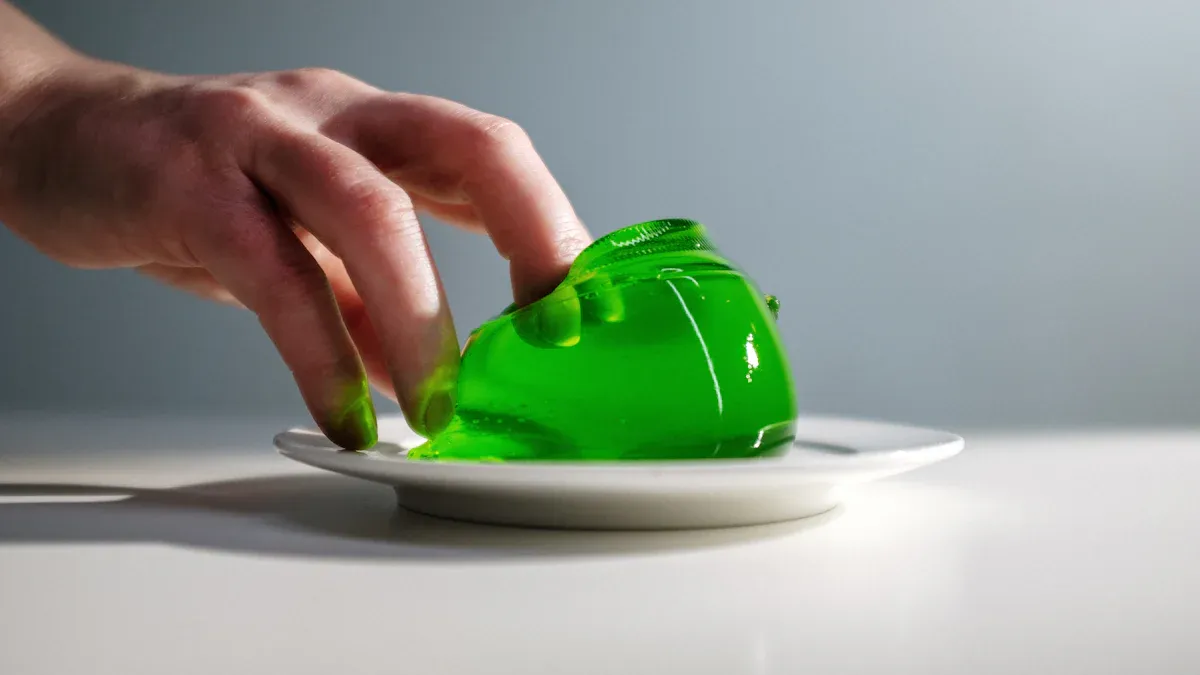
What Makes Fish Gelatin Unique
Fish gelatin stands out from mammalian gelatin due to its distinct chemical structure and physical properties. The lower content of proline and hydroxyproline in fish gelatin leads to a softer gel and a lower gelling temperature. The following table highlights the main differences:
| Property | Fish Gelatin | Mammalian Gelatin |
|---|---|---|
| Proline (Pro) Content | 102 residues/1000 | 138 residues/1000 |
| Hydroxyproline (Hyp) Content | 53 residues/1000 | 94 residues/1000 |
| Gel Modulus | Low | High |
| Gelling Temperature | Low | High |
Fish gelatin gels form and melt at lower temperatures, typically between 8 and 28 °C. This characteristic makes it ideal for recipes that require a delicate texture or need to set at cooler temperatures. The lower melting point also means that dishes made with fish gelatin will have a softer, more tender mouthfeel compared to those made with beef or pork gelatin.
Why Choose Fish Gelatin for Soups and Sauces
Chefs often select fish gelatin for savory dishes because of its versatility and subtle flavor profile. While it may have a slightly fishy note, this can be easily masked in most recipes, especially in seafood-based or delicately flavored dishes. The table below compares the flavor profiles and best uses of different gelatins:
| Type of Gelatin | Flavor Profile | Best Uses |
|---|---|---|
| Fish Gelatin | Slightly fishy, can be masked | Delicate recipes, seafood dishes |
| Pork Gelatin | Subtle flavor, adds depth | Sweet and savory dishes |
| Beef Gelatin | Bold flavor, robust | Hearty stews, savory recipes |
Fish gelatin not only adds texture to sauces but also clarifies stocks and broths. It enhances the overall flavor profile of savory preparations and serves as a natural, gluten-free, and low-fat gelling agent. Chefs value its ability to create smooth, cohesive textures in soups, sauces, and aspics.
How to Prepare and Use Fish Gelatin
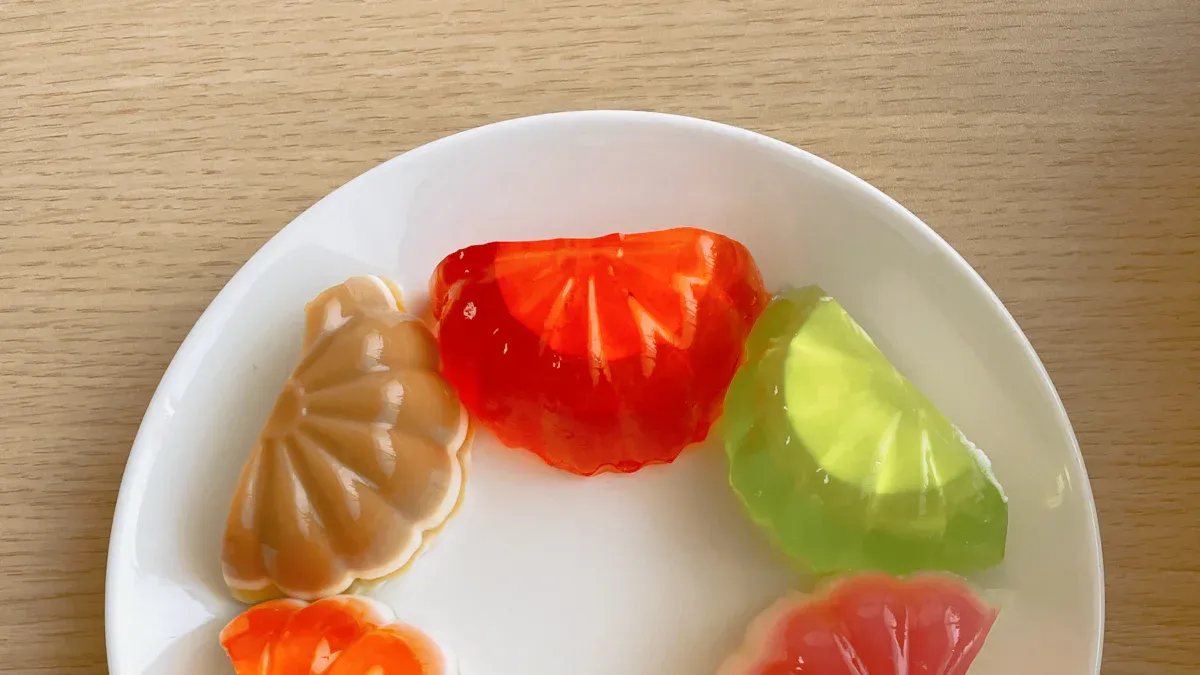
Soaking Fish Gelatin Sheets
Chefs often choose gelatin sheets for their clarity and ease of use in savory dishes. Proper soaking ensures even hydration and optimal gelling strength.
- Place the gelatin sheets in a bowl of cold water.
- Allow the sheets to soak for about 10 minutes. This step softens the sheets and prepares them for melting.
- After soaking, gently squeeze out excess water before adding the sheets to warm liquids.
Tip: For best results, use one gelatin sheet for every 100 ml of liquid. This ratio creates a stable gel without overpowering the dish’s texture.
Safety remains a priority in professional kitchens. Gelatin, including fish-based varieties, can cause allergic reactions in individuals with fish or shellfish allergies. Chefs should always discuss potential allergens with diners to ensure a safe dining experience.
Using Powdered Fish Gelatin
Powdered fish gelatin offers flexibility and precise measurement for savory recipes. The conversion rate is straightforward: one gelatin sheet equals about one teaspoon of powdered gelatin.
To use powdered fish gelatin effectively, follow these steps:
- Measure the required amount of gelatin powder. For most savory dishes, use between 0.6% and 1.7% of the total liquid weight in grams. A 1% ratio produces a creamy, smooth texture.
- Sprinkle the powder evenly over cold water—about 1/4 cup per tablespoon of gelatin.
- Let the mixture sit for 5 to 10 minutes. This process, called blooming, allows the gelatin to absorb water and swell.
- Gently heat the bloomed gelatin in a double boiler or microwave. Avoid boiling, as high temperatures can weaken the gelling ability.
Note: Proper storage extends the shelf life of fish gelatin. When kept in a cool, dry place away from light and moisture, gelatin can last up to two years. Vacuum-sealed packaging helps maintain quality and prevents contamination.
Mixing Fish Gelatin into Savory Dishes
Incorporating fish gelatin into savory dishes requires attention to temperature and technique. Fish gelatin dissolves best in warm water between 50–60°C (122–140°F). Overheating above 60°C (140°F) can degrade the gelatin, causing clumping and loss of gelling strength.
- Add the hydrated gelatin to the warm base of your soup, sauce, or aspic.
- Stir gently until fully dissolved.
- Allow the mixture to cool below 20–25°C (68–77°F) to set the gel.
Caution: Documented cases of allergic reactions to fish gelatin exist, including severe IgE-mediated responses. Chefs should remain vigilant and communicate with guests about potential allergens.
Fish gelatin’s unique properties make it a preferred choice in many culinary traditions, especially for aspics and terrines. Its lower melting point creates a delicate, refined texture that enhances the mouthfeel of savory dishes.
Practical Tips and Troubleshooting with Fish Gelatin
Best Practices for Soups, Sauces, and Aspics
Professional chefs achieve consistent results with fish gelatin by following a few essential practices. They always measure gelatin accurately, using a kitchen scale for precision. They hydrate sheets or powder thoroughly before adding them to recipes. This step prevents clumping and ensures even distribution.
Temperature control plays a critical role. Chefs dissolve gelatin in warm—not boiling—liquids, maintaining temperatures between 50–60°C (122–140°F). They stir gently to avoid introducing air bubbles, which can affect the final texture. For aspics and terrines, they pour mixtures into molds while still warm, then chill them undisturbed to set.
Tip: For clear aspics, chefs strain the mixture through a fine sieve or cheesecloth before chilling. This technique removes impurities and creates a glossy finish.
Common Mistakes and How to Fix Them
Even experienced cooks encounter challenges with fish gelatin. The most frequent issues include:
- The gelatin fails to set after several hours, requiring a redo of the dish.
- The recipe needs additional gelatin powder to achieve the desired firmness.
- Previous attempts resulted in jellies that did not set and had to be discarded.
To address these problems, chefs first check their measurements. They adjust the gelatin-to-liquid ratio if the texture is too soft. If the mixture remains unset, they gently reheat it, add more bloomed gelatin, and allow it to chill again. Patience and careful technique help ensure reliable, professional results every time.
Fish gelatin offers chefs a versatile and neutral option for enhancing savory recipes. Experts note its ability to improve texture and act as a binding agent in aspics and terrines. Research confirms its significant effect on mouthfeel and flavor, making it a reliable choice for smooth, appealing results.
FAQ
Can fish gelatin replace beef or pork gelatin in any savory recipe?
Fish gelatin works in most savory recipes. It sets at lower temperatures and creates a softer texture. Chefs should adjust the amount for firmer results.
Does fish gelatin have a strong taste in finished dishes?
Fish gelatin has a mild flavor. Most savory dishes mask any fishy notes. Chefs often use it in seafood recipes for best results.
Is fish gelatin suitable for people with dietary restrictions?
Fish gelatin is not vegan or vegetarian. It is suitable for pescatarians. People with fish allergies should avoid it.
See Also
10 Creative Methods for Incorporating Bovine Gelatin Powder
Comparing Bovine Gelatin Powder with Fish and Pork Varieties
The Production Process and Composition of Edible Gelatin
Understanding the Ingredients and Production of Bovine Gelatin
Key Indicators of High-Quality Bovine Gelatin Powder to Recognize