How to Use Silver Nitrate AgNo3 99.8% Purity to Overcome Industrial Hurdles
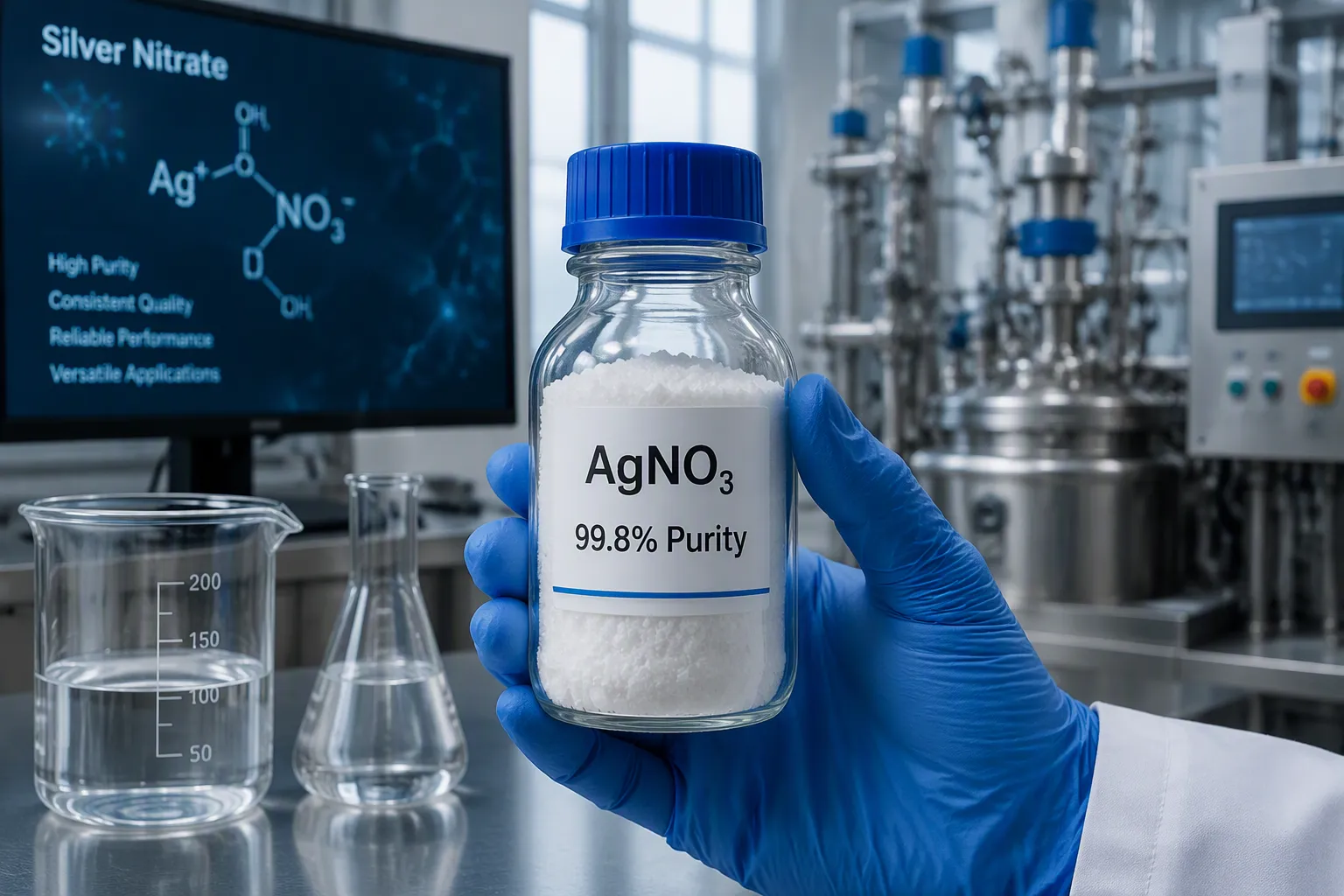
You face persistent hurdles in chemical processing, water purification, and precision manufacturing. Silver Nitrate AgNo3 99.8% purity CAS 7761-88-8 delivers a definitive solution. This purity level eliminates variability, reduces defect rates, and ensures consistent, repeatable results. This guide helps you upgrade your chemical protocols for maximum efficiency and full regulatory compliance.
Key Takeaways
- Use 99.8% pure silver nitrate to avoid contamination and get consistent chemical reactions every time.
- This high purity lets you calculate exact doses for water treatment, saving money and meeting regulations.
- In electronics, it prevents defects and creates smooth coatings for reliable components.
Leveraging Silver Nitrate AgNo3 99.8% Purity for Superior Chemical Synthesis
Chemical synthesis demands precision at every stage. You cannot afford variability in your raw materials. Impurities introduce unpredictable side reactions. They alter reaction kinetics. They compromise your final product. Silver Nitrate AgNo3 99.8% purity CAS 7761-88-8 removes these uncertainties. This high-purity compound gives you a reliable foundation for complex synthetic pathways.
Eliminating Contamination in Catalytic Processes
Catalysts operate on the principle of surface interaction. They facilitate reactions without being consumed. However, trace contaminants can poison these active sites. Even minute amounts of copper, lead, or bismuth can bind irreversibly to catalyst surfaces. This binding reduces catalytic efficiency. It shortens catalyst lifespan. It forces you to replace expensive materials more frequently.
Standard-grade silver nitrate often contains these problematic impurities. Manufacturers may not disclose exact trace levels. You discover the consequences only after production losses occur. The 99.8% purity specification changes this dynamic. Zoran enforces strict quality control measures. Water insolubles remain below 0.005%. Chloride, sulfate, copper, lead, and bismuth levels stay exceptionally low. These controlled parameters protect your catalytic systems from contamination.
Consider a typical oxidation reaction using silver-based catalysts. You introduce silver nitrate as a precursor. Impurities in that precursor transfer directly to your catalyst. They occupy active sites. They block reactant access. They accelerate catalyst deactivation. With high-purity material, you maintain catalyst activity over extended periods. You reduce downtime for catalyst regeneration. You achieve consistent reaction rates batch after batch.
The benefits extend beyond catalyst longevity. Contaminant-free reactions produce cleaner product streams. You spend less time on purification steps. You reduce waste generation. You lower your overall operational costs. These advantages compound over months of continuous production.
Enhancing Yield Through Precise Stoichiometric Control
Stoichiometry governs chemical reactions. You calculate exact reactant quantities based on molecular weights. Any deviation from expected purity disrupts these calculations. Suppose you need 0.1 moles of silver nitrate for a reaction. You weigh out the calculated mass. If your material contains only 97% active compound, you actually add less than 0.1 moles. The reaction proceeds incompletely. Your yield drops. Unreacted starting materials remain in your product mixture.
Silver Nitrate AgNo3 99.8% purity CAS 7761-88-8 minimizes this error margin. You know precisely how much active silver nitrate you add. Your molar calculations align with actual quantities. Reactions proceed to completion. You achieve theoretical yields more consistently. This precision proves especially valuable in pharmaceutical synthesis and fine chemical production. These industries operate on tight profit margins. Yield improvements directly impact profitability.
The silver content specification reinforces this reliability. Zoran guarantees silver content of at least 63.5%. This value corresponds closely to the theoretical silver percentage in pure silver nitrate. You can trust your mass measurements. You can scale reactions from laboratory to production without recalibration. You eliminate the guesswork associated with variable-purity materials.
Precise stoichiometric control also reduces reagent waste. You avoid adding excess material to compensate for uncertainty. You minimize byproduct formation. You simplify downstream processing. Your production team works more efficiently. Your quality control department passes batches faster. Every step benefits from accurate starting materials.
Enabling Reliable Analytical Standardization
Analytical chemistry requires reference standards of known composition. You use these standards to calibrate instruments. You validate analytical methods. You verify the accuracy of your results. Silver nitrate serves as a primary standard for chloride determination. It reacts quantitatively with chloride ions to form silver chloride precipitate. This reaction forms the basis for argentometric titrations.
The purity of your silver nitrate directly affects your analytical accuracy. Impure standards produce incorrect titration endpoints. They lead to erroneous chloride measurements. They compromise your quality assurance data. Regulatory auditors scrutinize these results. Inaccurate data can trigger compliance violations. It can force product recalls. It can damage your reputation with customers.
High-purity silver nitrate eliminates these risks. You prepare standard solutions with confidence. Your titrations reach sharp, reproducible endpoints. You detect chloride, bromide, iodide, cyanide, and thiocyanate ions accurately. Your analytical results withstand regulatory scrutiny. You maintain certification for your laboratory procedures.
The ammonia solution of silver nitrate also detects aldehydes and reducing sugars. This test relies on the reduction of silver ions to metallic silver. Impurities interfere with this reduction process. They produce false positives or false negatives. High-purity material ensures reliable test outcomes. You trust your analytical data completely.
Standardization extends to industrial process control. You monitor reaction progress using analytical methods. You adjust process parameters based on these measurements. Accurate measurements lead to better process control. Better control produces higher-quality products. This chain of reliability starts with your choice of silver nitrate grade.
Overcoming Water Treatment and Antimicrobial Hurdles
Water treatment presents unique challenges. You must eliminate pathogens without introducing harmful byproducts. You need consistent results across varying water qualities. Silver ions offer a powerful solution. They disrupt bacterial cell membranes. They interfere with microbial enzymes. They prevent DNA replication in microorganisms. Silver Nitrate AgNo3 99.8% purity CAS 7761-88-8 provides a reliable source of these antimicrobial silver ions. This high-purity compound ensures your treatment protocols perform exactly as designed.
Optimizing Disinfection Protocols with High-Purity Silver Ions
Silver ions act as broad-spectrum antimicrobial agents. They target bacteria, viruses, and fungi effectively. You can integrate them into existing disinfection systems with minimal disruption. The key lies in maintaining precise silver ion concentrations throughout your treatment process.
Standard-grade silver nitrate introduces uncertainty into your disinfection calculations. Unknown impurities consume silver ions through unintended reactions. They form complexes that reduce antimicrobial activity. They create inconsistent dosing requirements. You compensate by adding excess material. This practice wastes resources. It also risks exceeding safe concentration limits.
High-purity silver nitrate eliminates these variables. You calculate exact dosages based on verified silver content. Your treatment system delivers consistent antimicrobial action. You achieve complete pathogen inactivation with minimal silver usage. This efficiency reduces chemical costs. It also minimizes the environmental footprint of your treatment operations.
The purity level also affects the rate of silver ion release. Contaminants can slow dissolution kinetics. They can cause uneven distribution in your water stream. High-purity material dissolves rapidly and uniformly. You maintain steady-state silver concentrations throughout your treatment chamber. This consistency proves essential for continuous-flow systems where contact time is limited.
Concentrations of 0.1 to 0.2 mg/L of silver are sufficient to ensure antimicrobial action.
This concentration range provides a practical target for your disinfection protocols. You can achieve these levels reliably with high-purity silver nitrate. You avoid the guesswork associated with lower-grade materials. Your operators gain confidence in their dosing procedures. Your treatment outcomes become predictable and reproducible.
Addressing Regulatory Compliance in Potable Water Systems
Potable water systems face strict regulatory oversight. You must demonstrate compliance with established safety standards. Silver concentration represents one of the monitored parameters. Exceeding permissible limits triggers violations. It can lead to fines, shutdowns, or loss of operating permits.
Different regulatory bodies establish their own maximum permissible levels for silver in drinking water. You must understand the requirements for your jurisdiction. You must also anticipate potential changes as regulations evolve.
| Regulatory Body | Region | Maximum Permissible Level (mg/L) |
|---|---|---|
| WHO | Global | 0.1 |
| US EPA | United States | 0.1 |
| BIS (India) | India | 0.1 |
These limits align closely with the effective antimicrobial range. You operate within a narrow therapeutic window. You need enough silver to kill pathogens. You cannot exceed the regulatory ceiling. This precision demands accurate dosing. It also demands confidence in your silver source.
Impure silver nitrate complicates compliance efforts. Unknown contaminants may react with silver ions. They may reduce the effective antimicrobial concentration. You increase dosing to compensate. This adjustment pushes you closer to regulatory limits. You risk accidental exceedance. You also risk inconsistent treatment efficacy.
Silver Nitrate AgNo3 99.8% purity CAS 7761-88-8 provides the control you need. You calculate exact silver concentrations based on verified purity. You maintain treatment levels within the safe range. You document your compliance with accurate records. Your regulatory audits proceed smoothly. Your customers receive water that meets all safety standards.
The low impurity profile also prevents secondary contamination. Trace metals like copper and lead have their own regulatory limits. Introducing them through your treatment chemicals creates additional compliance burdens. High-purity silver nitrate avoids this problem. You address only the silver parameter in your compliance reporting.
Preventing Biofilm Formation in Industrial Cooling Systems
Industrial cooling systems provide ideal environments for microbial growth. Warm temperatures, nutrients, and moisture create favorable conditions. Biofilms develop on heat exchange surfaces. They reduce thermal efficiency. They increase energy consumption. They accelerate corrosion. They harbor pathogenic microorganisms that can spread through aerosol drift.
Traditional biofilm control relies on continuous biocide dosing. You add chemicals to the cooling water. These chemicals kill planktonic bacteria. They struggle to penetrate established biofilms. The protective matrix shields embedded microorganisms. You increase biocide concentrations. This approach raises costs. It also creates environmental concerns with chemical discharge.
Silver ions offer a complementary strategy. They prevent biofilm formation at the surface level. Silver ions interfere with bacterial adhesion mechanisms. They prevent initial colonization of clean surfaces. They also penetrate developing biofilm structures. They disrupt the extracellular polymeric substance that holds biofilms together.
You integrate silver nitrate into your cooling water treatment program. You maintain silver concentrations in the effective range. You prevent biofilm establishment from the start. Your heat exchangers maintain optimal performance. Your energy consumption stays low. Your maintenance intervals extend significantly.
The purity of your silver nitrate affects biofilm prevention efficacy. Impurities can precipitate with silver ions. They can form insoluble complexes that settle out of solution. They reduce the available silver for antimicrobial action. They also create deposits on heat exchange surfaces. These deposits provide attachment points for biofilm formation.
High-purity silver nitrate keeps your treatment system clean. Silver ions remain soluble and bioavailable. They distribute evenly throughout the cooling water. They reach all surfaces requiring protection. Your system operates without biofilm-related interruptions. Your production schedules remain uninterrupted. Your operational costs decrease through reduced maintenance and energy savings.
The combination of silver with other treatment chemicals requires careful management. Silver ions can react with halides, sulfides, and other anions. These reactions form precipitates that reduce effectiveness. High-purity material minimizes unintended side reactions. You maintain better control over your complete water treatment chemistry.
Ensuring Quality and Compliance in Electronics and Plating Applications
Achieving Defect-Free Silver Plating for Electronic Components
Silver plating demands precise control over every variable. Impurities in your silver source create surface defects. They cause uneven deposition. They produce rough finishes. You need smooth, uniform coatings for reliable electronic components. High-purity silver nitrate eliminates these issues. You start with a clean precursor. Your plating bath chemistry remains consistent. Your deposition rates stay predictable.
The particle size distribution of silver powder from your plating process directly affects final performance. Smaller particles sinter at lower temperatures. They achieve higher conductivity. The chart below shows this relationship clearly.
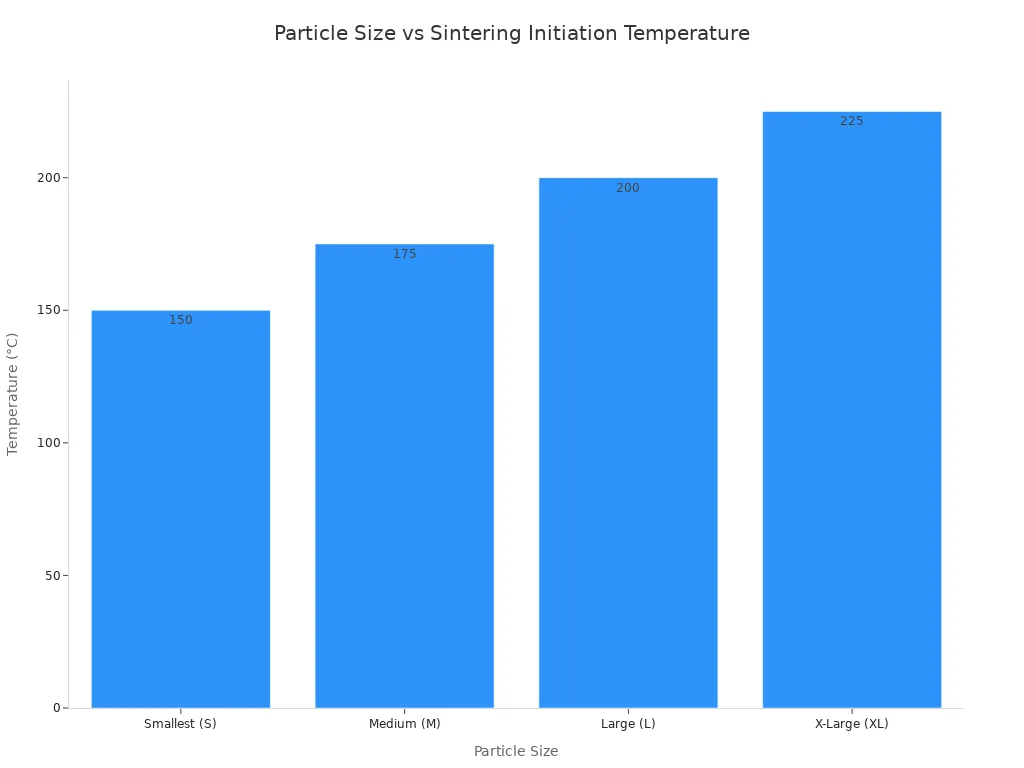
You select the appropriate particle size for your application. High-purity silver nitrate gives you control over this parameter. You produce consistent particle distributions. You achieve defect-free plating results.
Maintaining Conductivity Standards in Conductive Adhesives
Conductive adhesives require silver particles with specific properties. The particle size distribution affects packing density and contact resistance. These factors determine the overall resistivity of your printed traces.
| Particle Size (relative) | Sintering Initiation Temperature | Resistivity at 250°C (μΩ·cm) | Conductivity (% of bulk) |
|---|---|---|---|
| Smallest (S) | 150°C | ~1.59 (approaching bulk) | >90% (estimated) |
| Medium (M) | 175°C | 2.48 | 64.4% |
| Large (L) | 200°C | 2.79 | 58.3% |
| X-Large (XL) | 225°C | 2.94 | 54.4% |
The smallest particles achieve conductivity approaching bulk silver at only 150°C. Larger particles require higher sintering temperatures. You choose your particle size based on your process constraints. Silver Nitrate AgNo3 99.8% purity CAS 7761-88-8 provides the foundation for consistent particle production. You maintain your conductivity standards batch after batch.
Implementing Safe Handling and Storage Protocols for Purity Retention
You must protect your high-purity investment through proper storage and handling. Silver nitrate degrades under improper conditions. Light exposure triggers photoreduction. Moisture causes caking. Heat accelerates decomposition.
| Storage Parameter | Recommended Condition | Rationale for Purity Maintenance |
|---|---|---|
| Temperature | 15°C–25°C (59°F–77°F), away from heat sources | Elevated temperatures accelerate decomposition into metallic silver, reducing purity below 99.8% |
| Humidity | Tightly sealed containers; use desiccants or climate-controlled cabinets in humid climates | Silver nitrate is hygroscopic; moisture absorption causes caking and surface dissolution, compromising crystalline purity |
| Light Exposure | Amber glass or opaque containers; avoid direct sunlight and unshielded fluorescent lighting | UV/visible light triggers photoreduction, converting silver ions to metallic silver and darkening the compound, indicating purity loss |
You follow OSHA protocols for handling.
Avoid contact with skin and eyes. Avoid inhalation. Store in sealed containers away from light. Keep away from flammable materials and ammonia. Use nitrile gloves, chemical splash goggles, and a lab coat. Wash thoroughly after use.
These practices protect your material. They maintain the 99.8% purity. They ensure your Silver Nitrate AgNo3 99.8% purity CAS 7761-88-8 delivers consistent performance throughout its shelf life.
Silver Nitrate AgNo3 99.8% purity CAS 7761-88-8 solves contamination, inefficiency, and non-compliance directly. You gain precision in chemical synthesis, reliable water treatment, and defect-free electronics manufacturing. Audit your current sourcing and handling procedures. Transition to this high-purity grade. You will achieve measurable gains in product quality, operational efficiency, and regulatory standing.
FAQ
Why does purity matter for silver nitrate in water treatment?
Low-purity silver nitrate introduces unknown contaminants. These contaminants reduce antimicrobial effectiveness. They also complicate regulatory compliance. You need consistent results.
How does purity affect silver plating quality?
Impurities in your silver source create surface defects. They cause uneven deposition. You get rough finishes. High-purity material eliminates these problems.
What is the best way to store silver nitrate?
You store it in sealed opaque containers. You keep it away from light, heat, and moisture. This maintains its 99.8% purity.
See Also
Innovations in Nitric Acid Isolation and Refinement Methods
Contemporary Approaches to Aminoguanidine Bicarbonate Production and Uses
Understanding 60% Nitric Acid and Its Applications