What is a Sewage Treatment System and How Does It Work in 2026
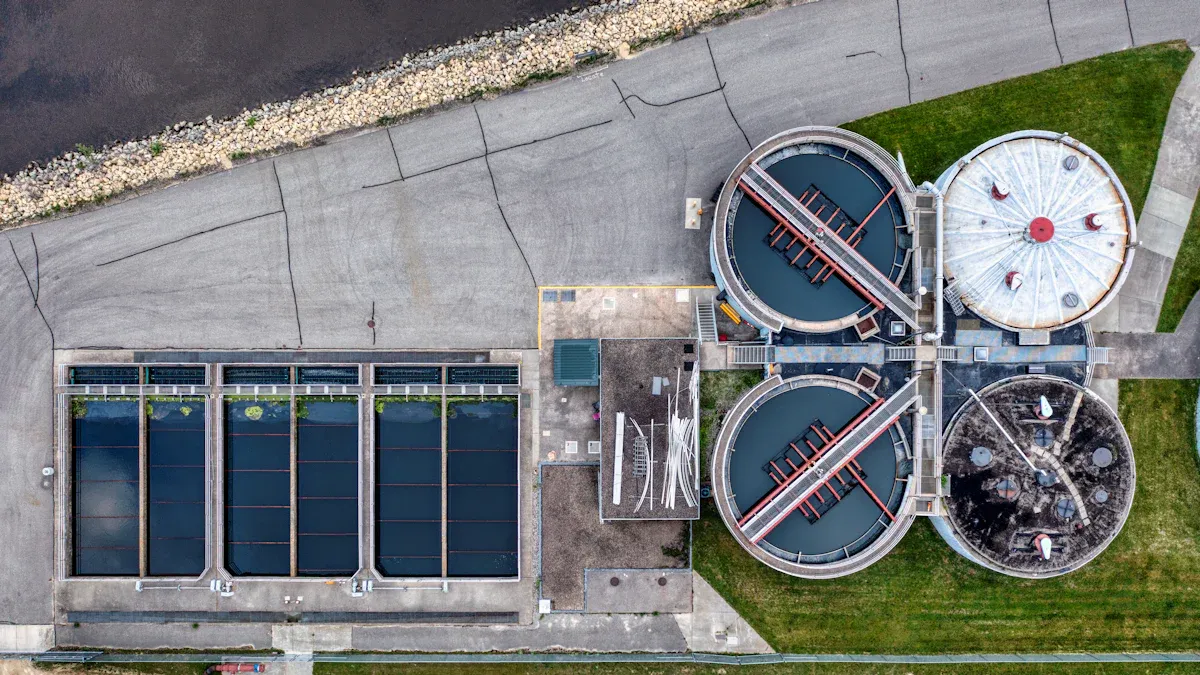
You depend on a sewage treatment system to keep water clean and safe. Untreated sewage can cause many health problems in cities. For example, people may face waterborne diseases, antibiotic resistance, or toxic chemical exposure.
| Health Risk Type | Description |
|---|---|
| Antibiotic Resistance | Untreated sewage can harbor antibiotic-resistant bacteria, complicating infection treatments. |
| Respiratory Issues | Harmful gases from sewage can lead to respiratory problems in urban areas. |
| Skin and Eye Infections | Direct contact with sewage can cause skin rashes and eye infections. |
| Waterborne Diseases | Diseases like cholera and typhoid fever are transmitted through contaminated water sources. |
| Parasitic Infections | Infections such as giardiasis and cryptosporidiosis arise from untreated sewage exposure. |
| Heavy Metals | Chronic exposure to heavy metals in sewage can cause neurological and developmental issues. |
| Toxic Chemicals | Residues from pesticides and industrial chemicals in sewage can lead to serious health conditions. |
Key Takeaways
- Sewage treatment systems are essential for keeping water clean and safe, preventing health risks like waterborne diseases and toxic exposure.
- The treatment process includes three main stages: primary treatment removes large solids, secondary treatment breaks down organic matter, and tertiary treatment ensures advanced cleaning and disinfection.
- Innovations in 2026, such as smart technologies and renewable energy, enhance sewage treatment efficiency, improve water quality, and support sustainable practices.
Sewage Treatment System: Step-by-Step Process
How Sewage Reaches the Treatment Plant
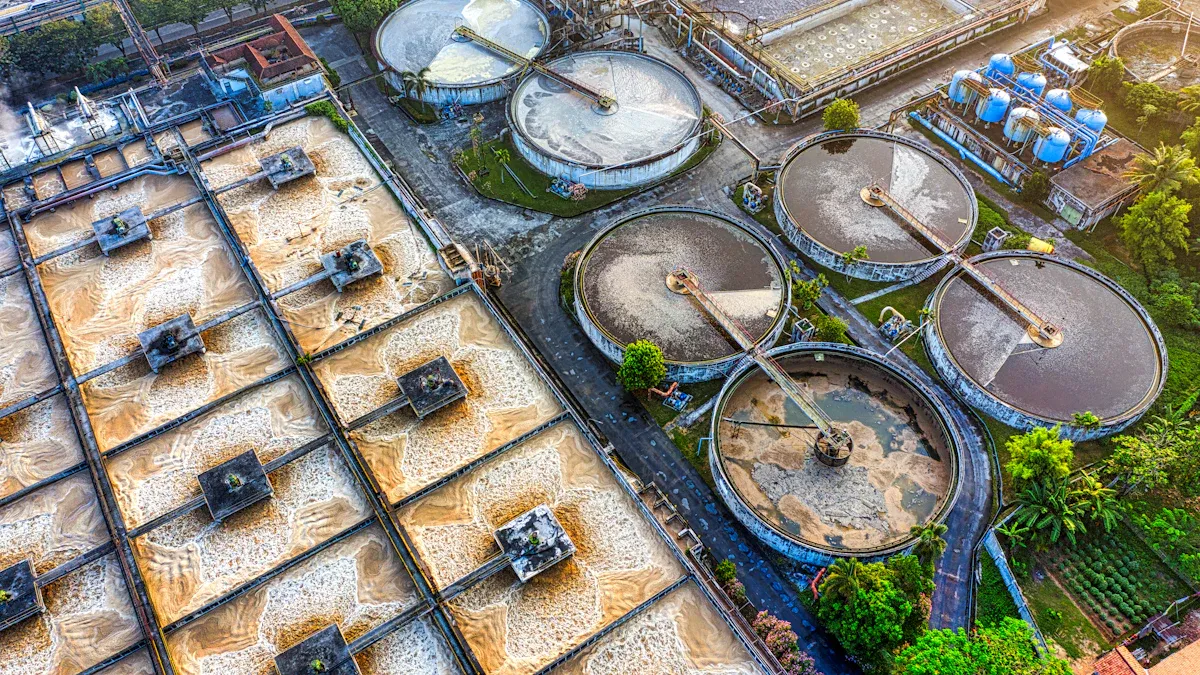
You help keep your community clean every time you flush a toilet or drain a sink. The water and waste travel through a network of pipes called a sewerage system. This system collects wastewater from homes, businesses, and factories. It uses gravity to move sewage downhill whenever possible. When the land is flat or the distance is long, pumping stations push the wastewater along. The collection system includes pipes, manholes, and lift stations. These parts work together to prevent disease and protect water quality.
- Sewage is transported through sewer networks and pipelines.
- Pumping stations move wastewater over long distances.
- Gravity flow helps sewage travel efficiently.
- Sewerage systems carry wastewater from residential, commercial, and industrial areas.
- The collection system includes pipes, manholes, and lift stations.
Preliminary Treatment: Removing Large Debris
When sewage arrives at the treatment plant, it first passes through preliminary treatment. This stage removes large objects that could damage equipment or block pipes. You might find items like rags, roots, rocks, bottles, and cans in this step. Workers use several mechanical and physical methods to remove these materials.
| Method | Description | Key Benefits | Considerations |
|---|---|---|---|
| Comminutors | Rotary devices that slice solids | Protects downstream equipment from clogging and damage | Requires regular maintenance |
| Grinders | Break down particles by abrasive action | Improves processing efficiency by reducing particle size | Proper operation is essential |
| Grit Removal | Removes sand, gravel, and heavy materials to protect equipment | Minimizes maintenance and ensures efficient treatment operations | Must be handled and disposed of properly |
| Coarse Solids Removal | Uses physical barriers like bar screens to trap larger debris | Prevents damage to pumps and sensitive processes | Mechanical removal is necessary |
Removing these items early keeps the rest of the sewage treatment system running smoothly.
Primary Treatment: Settling Out Solids
Next, the sewage enters large tanks called primary clarifiers. Here, gravity helps heavier solids settle to the bottom as sludge. Lighter materials float to the top as scum. Workers may add chemicals like flocculants and coagulants to help solids clump together and settle faster. This process, called sedimentation, removes a large portion of the suspended solids.
- Primary treatment typically removes about 60-70% of suspended solids.
- Sedimentation is the final step of primary treatment, using gravity to settle matter.
- Wastewater stays in clarifiers for several hours, allowing solids to settle or float.
- Chemicals can enhance the settling of solids.
By removing these solids, you help reduce the risk of waterborne diseases and make the next steps more effective.
Secondary Treatment: Breaking Down Organic Matter
After primary treatment, the water still contains dissolved and tiny organic materials. In secondary treatment, you rely on helpful microorganisms to break down this organic matter. Bacteria, fungi, and protozoa eat the waste and turn it into water, carbon dioxide, and new cells. This biological process happens in aeration tanks, where air is pumped in to help the microbes work faster.
| Microorganism Type | Role in Organic Matter Breakdown |
|---|---|
| Bacteria | Convert organic matter into water, CO2, and ammonia gas. |
| Fungi | Assist in breaking down organic matter and detoxifying toxic substances. |
| Protozoa | Contribute to the degradation of organic materials in wastewater. |
- Microorganisms convert organic matter into carbon dioxide and water.
- They produce new microbial cells and detoxify toxic inorganic matter.
Secondary treatment removes about 85% of the biochemical oxygen demand (BOD), which means the water is much cleaner and safer for the environment.
Tertiary Treatment: Advanced Cleaning and Disinfection
The water now looks clear, but it may still contain tiny pollutants, nutrients, and germs. Tertiary treatment uses advanced filtration and chemical processes to remove these last traces. You might see microfiltration, ultrafiltration, nanofiltration, and reverse osmosis used in this stage. Sand filters and high-tech membranes also help catch tiny impurities.
- Microfiltration removes bacteria and suspended particles.
- Ultrafiltration targets bacteria, viruses, and macromolecules.
- Nanofiltration removes dissolved organic matter and micropollutants.
- Reverse osmosis eliminates even the smallest molecules.
- Sand filters and high-tech membranes provide extra filtration.
Tertiary treatment often includes UV disinfection, which kills any remaining germs without chemicals. This step ensures the treated water meets strict environmental standards and can be safely released or reused.
- Tertiary treatment is highly effective against pathogens.
- UV disinfection inactivates microorganisms.
- This stage removes remaining inorganic and organic substances, pathogens, and nutrients.
Why Each Stage Is Essential
Each stage in a sewage treatment system protects your health and the environment. If any stage fails, water quality drops and risks increase. For example, high bacteria levels or excess nitrogen can harm rivers and lakes.
| Stage of Treatment | Risks Mitigated | Description |
|---|---|---|
| Primary Treatment | Reduces solids and organic matter | Initial removal of large solids and sediment |
| Secondary Treatment | Reduces organic pollutants and pathogens | Biological processes to further clean the water |
| Tertiary Treatment | Removes remaining contaminants | Advanced treatment to improve effluent quality, making it safe for discharge or reuse |
- Primary treatment reduces the risk of waterborne diseases by removing large solids.
- Secondary treatment lowers the presence of harmful pathogens and organic pollutants.
- Tertiary treatment ensures the removal of remaining microorganisms, including bacteria and viruses.
Remember: Every stage in the sewage treatment system plays a vital role. Skipping or failing any part can lead to polluted water and health hazards for your community.
Sewage Treatment System Innovations in 2026
Variations in Sewage Treatment Systems
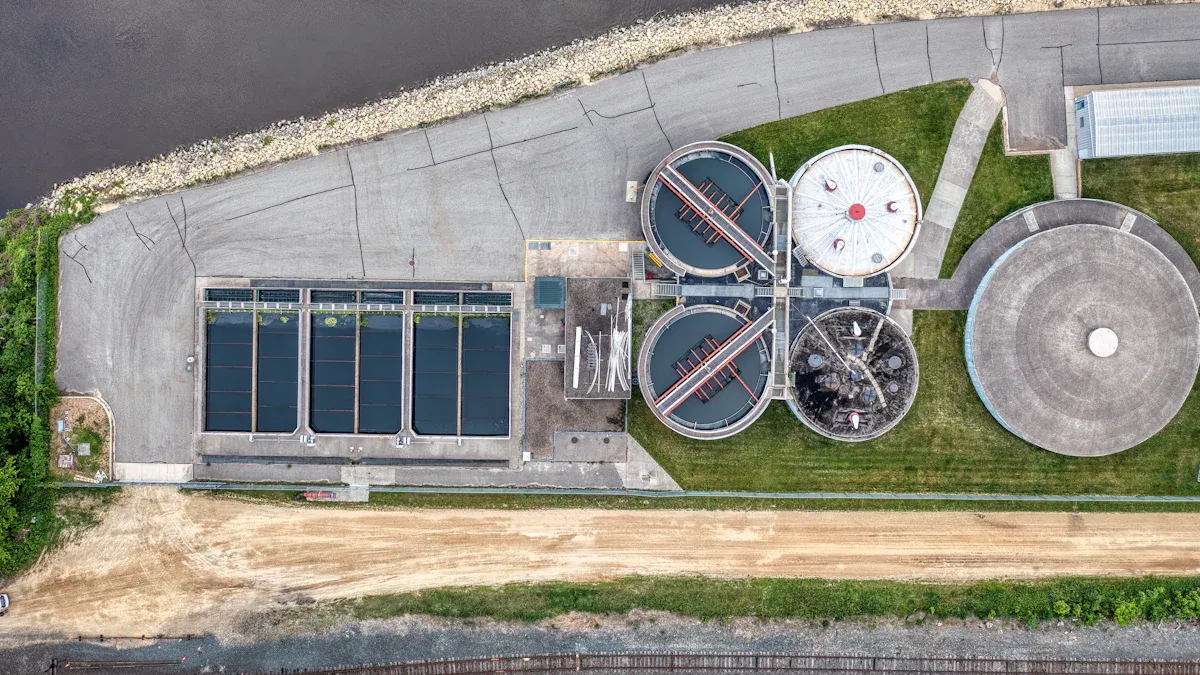
You can find two main types of sewage treatment systems: decentralized and centralized. Decentralized systems offer flexibility and lower operational costs. Centralized systems require higher capital investment but benefit from economies of scale. In developing regions, decentralized wastewater management can compete with centralized systems when you plan and configure them well.
- Decentralized systems provide flexibility for small communities.
- Centralized systems work best for large cities with many users.
- Decentralized options often cost less to operate and maintain.
Recent Advancements and Technologies
You see many new technologies shaping sewage treatment in 2026. Smart water management uses AI and IoT to monitor and optimize processes. Advanced filtration removes organic compounds and heavy metals more effectively. Renewable energy sources power treatment plants, making them more sustainable. Automation and smart monitoring reduce human error and speed up operations.
| Technology | Improvement Description | Impact on Operations |
|---|---|---|
| AI-Driven Predictive Maintenance | Forecasts maintenance needs, reducing downtime by 25%. | Enhances reliability and reduces costs. |
| IoT Sensors | Tracks parameters in real-time, improving data accuracy by 40%. | Enhances monitoring and compliance. |
| Energy Recovery Systems | Captures and reuses energy, lowering costs by 20%. | Increases efficiency and sustainability. |
| Biological Treatment Innovations | Improves waste decomposition effectiveness by 35%. | Optimizes treatment processes. |
| Automation and Smart Monitoring | Reduces human error and speeds up processes. | Leads to cost savings and better water quality. |
Tip: Smart technologies help you conserve resources and improve water quality in your community.
The Importance of Effective Sewage Treatment
You protect public health and the environment when you use an effective sewage treatment system. Proper disinfection of wastewater prevents the spread of viral diseases in homes and neighborhoods. Best management practices help control waterborne outbreaks. Improved treatment methods also reduce greenhouse gas emissions and enhance water quality. Natural treatment systems use less energy and support sustainable cities.
| Evidence Description | Key Findings |
|---|---|
| Effective sewage treatment methods are crucial in preventing the spread of viral diseases in residential areas. | Adequate disinfection and proper system design reduce disease outbreaks. |
- Adequate disinfection keeps your water safe.
- Sustainable treatment methods help your city meet global clean water goals.
You rely on sewage treatment systems to protect your health and environment. These systems use several stages to remove contaminants and meet strict standards. Modern technology in 2026 improves water quality, saves energy, and supports community safety. The table below shows how each stage boosts performance and keeps your water clean.
| Stage | Key Benefit |
|---|---|
| Primary | Removes large solids |
| Secondary | Breaks down pollutants |
| Tertiary | Advanced cleaning & safety |
FAQ
What happens to the sludge removed during sewage treatment?
You see workers collect sludge and send it to digesters. They turn it into biogas or fertilizer. Some plants use it for energy recovery.
Can treated sewage water be reused?
You can reuse treated water for irrigation, industrial cooling, or toilet flushing. Advanced treatment makes it safe for many non-drinking uses.
How do smart technologies improve sewage treatment?
Smart sensors and AI help you monitor water quality. They detect problems early and optimize treatment steps for better results.
See Also
Enhancing System Efficiency with PHE Plates in 2025
A Comprehensive Overview of Semi-welded Heat Exchangers for 2025
Best Precoating Options for Filtration Systems This Year
Understanding the Advantages of Commercial Heat Exchangers in 2025
Innovative Materials Transforming the Heat Exchanger Industry