What Makes Sewage Treatment Plants So Effective
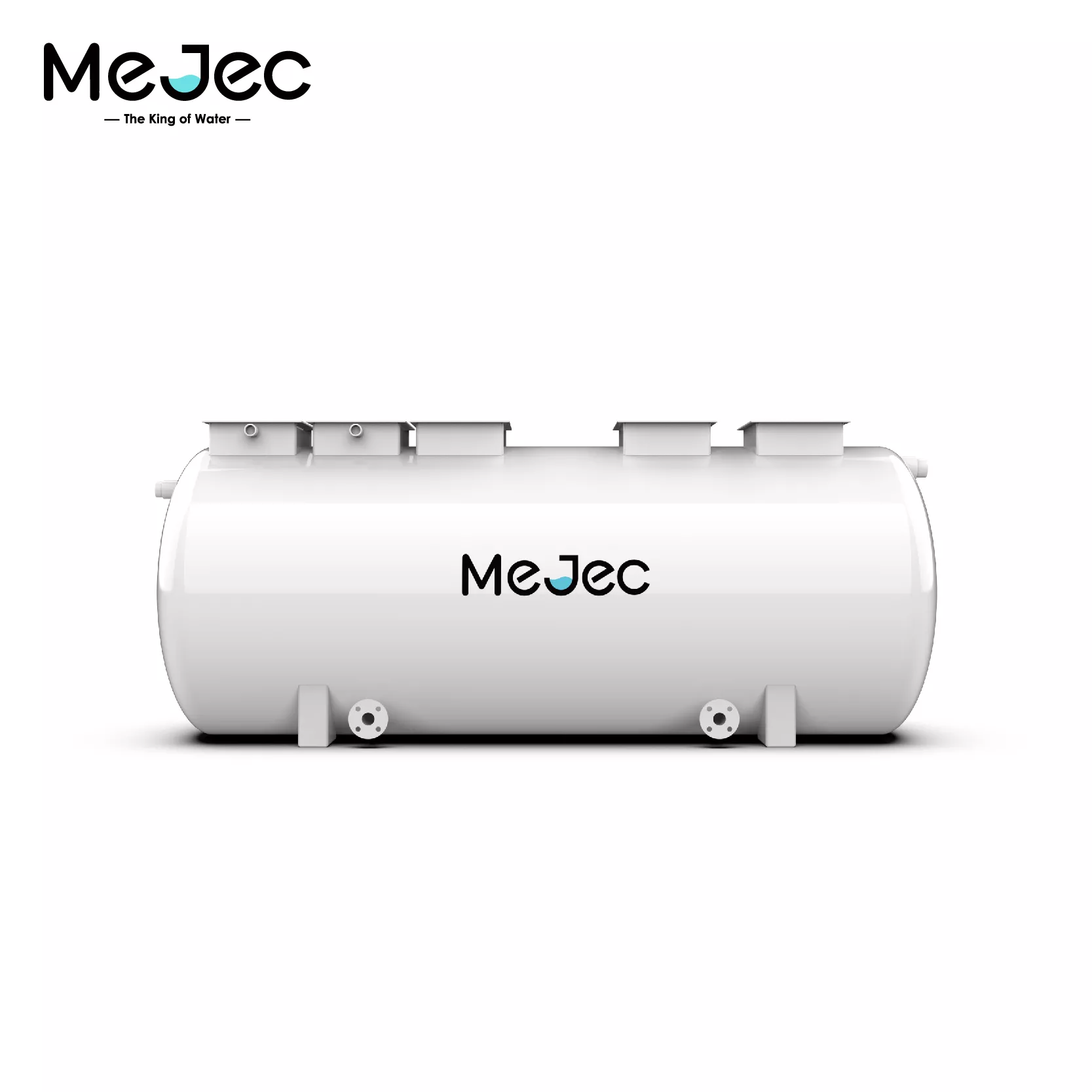
A sewage treatment plant works efficiently to remove contaminants from wastewater and protect public health. Modern systems eliminate over 85% of solids, break down pollutants, and disinfect water to reduce harmful bacteria and viruses. Advanced technology, like automation and IoT, enables real-time monitoring and precise control, which improves reliability and saves energy. Mejec leads with innovative features such as remote communication modules and smart control systems, setting new standards for effective and safe water treatment.
Key Takeaways
Sewage treatment plants remove over 85% of contaminants from wastewater, protecting public health and the environment.
Modern technology, like automation and IoT, allows real-time monitoring, improving efficiency and reducing energy costs.
Effective wastewater treatment prevents diseases and supports clean water supplies, benefiting communities and ecosystems.
Advanced treatment processes, including biological and chemical methods, ensure safe water reuse for irrigation and industry.
Investing in innovative sewage treatment solutions promotes sustainability and helps build healthier communities.
Sewage Treatment Plant Basics
What Is a Sewage Treatment Plant
A sewage treatment plant is a facility designed to clean wastewater before it returns to the environment. These plants use a combination of mechanical, physical, chemical, and biological systems to remove contaminants. The process begins with mechanical components like bar screens and grit chambers that filter out large objects and heavy particles. Physical systems, such as sedimentation tanks, allow solids to settle. Chemical treatment involves oxidation and chlorination to neutralize harmful substances. Biological methods use aeration tanks and activated sludge to break down organic matter.
Modern sewage treatment plants often feature advanced hardware, including microcontroller-based control systems and remote communication modules. These innovations allow real-time monitoring of water flow, power consumption, and water quality. Operators receive instant alerts on mobile devices, making management more efficient and reliable.
Aspect | Sewage Treatment Plants (STPs) | Wastewater Treatment Facilities (ETPs) |
|---|---|---|
Definition | Focus on human waste and domestic sources | Treat a broader range of contaminants, including industrial effluents |
Main Sources | Households and municipal facilities | Industrial processes and various waste types |
Types of Contaminants | Organic matter, suspended solids, pathogens | Toxic chemicals, heavy metals, plastics, oil wastes |
Why Wastewater Treatment Matters
Wastewater treatment is essential for protecting public health and the environment. Untreated wastewater contains pathogens, organic matter, and toxic substances. These pollutants can cause serious diseases and contaminate water sources. Pathogenic microorganisms from untreated sewage lead to millions of deaths each year, especially in underdeveloped regions. Polluted water can become a breeding ground for bacteria and viruses, increasing risks during recreational activities and food production.
Wastewater treatment plants remove suspended particulates, biodegradable organics, and destroy harmful bacteria. This process prevents the spread of illnesses like hepatitis A and E.coli infections. Treated water supports safe irrigation and helps maintain healthy aquatic ecosystems. Stable operation and smart management systems, such as those found in Mejec’s solutions, ensure consistent water quality and efficient performance.
Effective wastewater treatment benefits communities by reducing health risks, supporting clean water supplies, and protecting local industries like fishing and agriculture.
Wastewater Treatment Process Steps
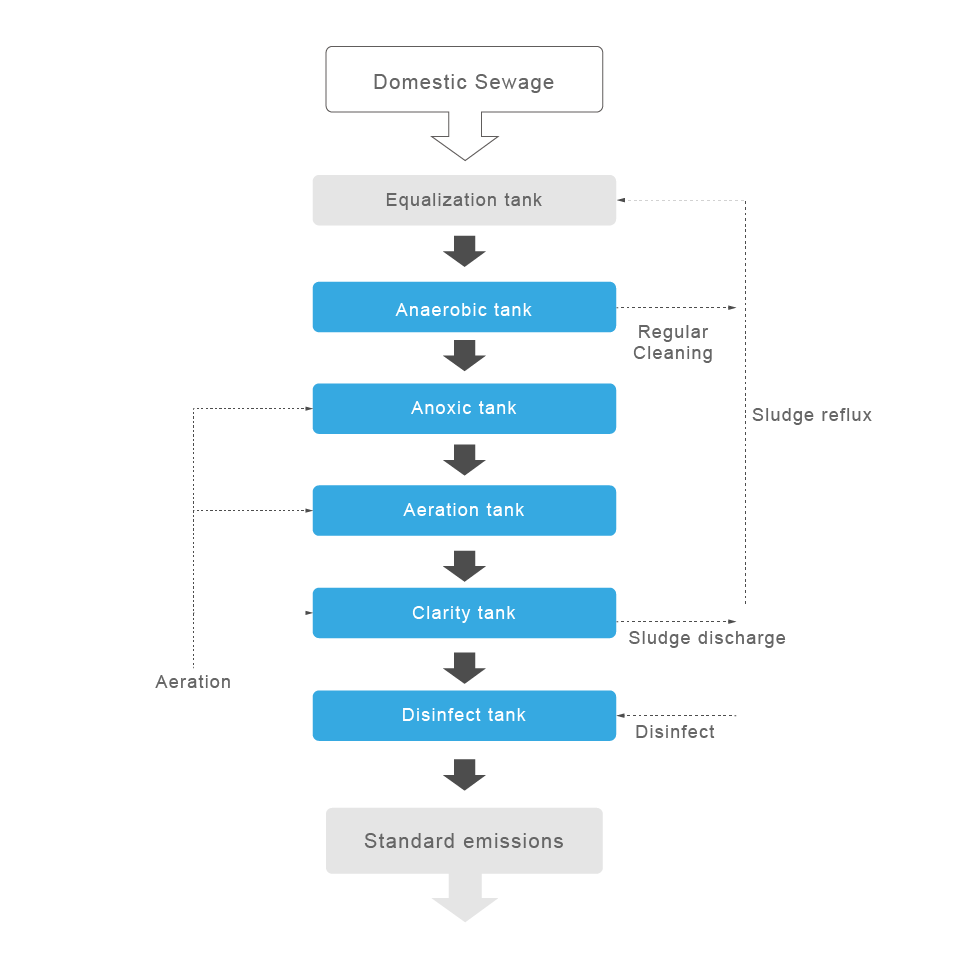
The wastewater treatment process uses several steps to clean water before it returns to the environment. Each stage targets specific contaminants and improves the safety of the treated water.
Preliminary Treatment
Preliminary treatment is the first step in the process. It removes large objects and debris that could damage equipment or block pipes. Bar screens catch items like plastic, paper, and fabric. Grit chambers settle out sand and small stones. This step protects pumps and other machinery, making the rest of the process more efficient.
Type of Contaminant | Description |
|---|---|
Coarse Solids | Plastics, rubber, paper, and vegetable matter |
Small Solid Particles | Sand or grit suspended in the wastewater |
Large Objects | Items that can damage filters and treatment media |
Real-time monitoring systems, like those in Mejec plants, help operators detect blockages early and keep equipment running smoothly.
Primary Treatment
Primary treatment focuses on removing suspended solids from wastewater. Water flows into large tanks where gravity allows heavier particles to settle at the bottom, forming sludge. Lighter materials, such as oils and grease, float to the top and are skimmed off. This step can remove up to 60% of suspended solids.
Technology | Description |
|---|---|
Screening Devices | Remove large solid matter |
Gravity Sedimentation | Allows solids to settle or float for easy removal |
Surface Filters | Trap smaller particles for further clarification |
Secondary Treatment
Secondary treatment uses biological processes to break down organic matter and reduce pathogens. Microorganisms consume organic pollutants, turning them into harmless substances like carbon dioxide and water. This stage removes most of the remaining organic material and harmful bacteria.
The secondary treatment stage is crucial for removing organic matter.
Microorganisms decompose waste, making the water safer for the environment.
This step can remove at least 85% of organic pollutants and suspended solids.
Tertiary Treatment
Tertiary treatment provides advanced purification. It uses methods like sand filtration, activated carbon adsorption, and membrane technologies such as microfiltration and reverse osmosis. These processes remove fine particles, nutrients, and trace contaminants that earlier steps may miss. Disinfection, often with chlorine or ultraviolet light, kills any remaining bacteria or viruses.
Microfiltration and ultrafiltration remove tiny particles.
Activated carbon traps organic compounds and metals.
Disinfection ensures the treated water is safe for reuse or discharge.
Each stage in the wastewater treatment process builds on the last, ensuring effective contaminant removal and protecting both people and the environment.
Key Technologies in Wastewater Treatment Plants
Biological and Chemical Methods
Modern sewage treatment plant technology relies on a mix of biological and chemical methods to clean wastewater. Biological processes use living organisms to break down pollutants. Chemical methods use reactions to remove or neutralize contaminants. These approaches work together to make wastewater treatment plants more effective.
Common biological methods include:
Aerobic treatment, such as activated sludge, trickling filters, and oxidation ponds. These systems use oxygen to help bacteria break down organic matter.
Anaerobic treatment, like digesters and up-flow anaerobic sludge blanket reactors. These systems work without oxygen and produce biogas, which can be used for energy.
Anoxic treatment, including denitrification filters and anoxic zones. These help remove nitrogen compounds from wastewater.
Phytoremediation, which uses plants in constructed wetlands or floating beds to absorb and filter pollutants.
Chemical methods in wastewater treatment plants include:
Electrochemical oxidation and advanced oxidation processes, which break down tough contaminants.
Electrocoagulation and electro-flocculation, which help particles clump together for easier removal.
Bioelectrochemical treatment, which combines biological and chemical reactions for better results.
Mejec’s advanced solutions, such as AAO + MBBR and MHAT+ contact oxidation, combine these biological and chemical methods. These technologies increase the efficiency of treatment and help meet strict discharge standards.
Method | Effectiveness | Cost | Environmental Impact |
|---|---|---|---|
Biological | Effective for organic pollutants, slower process | Generally cost-effective | More environmentally friendly |
Chemical | Fast and effective against a wider range of contaminants | More expensive | Potential for toxic byproducts |
Automation and IoT Integration
Automation and IoT technology have transformed how wastewater treatment plants operate. Automated systems control pumps, blowers, and valves, making the treatment process more reliable and efficient. IoT sensors provide real-time monitoring of water quality, flow rates, and equipment status. This data helps operators respond quickly to problems and optimize performance.
Key benefits of automation and IoT integration include:
Simplified operations, allowing facility managers to address issues quickly.
Cost savings from improved efficiency and reduced energy consumption.
Lower maintenance needs, with predictive maintenance reducing downtime.
Real-time data collection for better oversight and faster decision-making.
Application Type | Description |
|---|---|
Real-time Monitoring | IoT sensors monitor water quality indicators, flow rates, and pressure levels for immediate adjustments. |
Asset Management | Sensors track equipment performance, detecting wear or failure to inform preventative maintenance. |
Energy Management | IoT systems analyze energy usage to optimize consumption and reduce operational costs. |
Mejec’s sewage treatment plant solutions feature second-generation control systems with remote communication modules. These modules send real-time data and alarm notifications to operators’ mobile devices. The redundant microcontroller control system improves performance and reliability, lowers costs, and allows for future upgrades. Non-clogging pump designs and low-noise blowers ensure stable operation. The software platform supports end-to-end remote management, works with multiple hardware brands and protocols, and creates a closed-loop intelligent operation and maintenance management system.
Smart operation and remote services make wastewater treatment plants safer and easier to manage. Solar integration technology adds another layer of sustainability.
Energy Recovery and Sustainability
Energy recovery is a key part of modern wastewater treatment technology. Plants can capture energy from wastewater, reducing reliance on fossil fuels. Anaerobic digestion converts organic matter into biogas, which can be used for electricity and heating. This process also captures methane, a greenhouse gas, and prevents its release into the atmosphere.
Wastewater treatment plants that recover energy help lower greenhouse gas emissions and support climate change mitigation. Circular economy principles encourage the reuse of resources and energy, making treatment more sustainable. Some plants can even become net energy producers, supplying power to the grid or local communities.
Mejec’s solutions use energy-saving designs and solar integration technology to further reduce environmental impact. These innovations help build sustainable communities and protect natural resources.
Energy recovery and sustainability are essential for the future of wastewater treatment solutions. Advanced technology ensures that plants operate efficiently while protecting the environment.
Types of Wastewater Treatment Plants
Conventional Systems
Conventional wastewater treatment plants use a series of physical, chemical, and biological processes to clean wastewater. These plants are often large and serve entire cities or industrial zones. The process includes stages such as sedimentation, filtration, and biological treatment. Conventional systems are reliable and effective for treating large volumes of wastewater.
Type of Treatment Plant | Description | Applications |
|---|---|---|
Conventional Wastewater Treatment | Utilizes physical, chemical, and biological processes in stages to remove contaminants. | Municipal and industrial wastewater treatment. |
Membrane Bioreactors (MBR) | Combines biological treatment with membrane filtration for high-quality effluent. | Space-constrained locations needing high effluent quality. |
Dissolved Air Flotation (DAF) | Efficiently removes suspended solids and contaminants using air bubbles to float them to the surface. | Food processing, petrochemical, and manufacturing industries. |
Conventional septic systems are simple and affordable to install. They require minimal upkeep and can treat wastewater effectively. These systems work in many soil types, but need a large amount of space.
Advantages of Conventional Septic Systems | Disadvantages of Conventional Septic Systems |
|---|---|
Simple and affordable to install | Can fail if not maintained properly |
Low-maintenance and minimal upkeep | Not suitable for all soil types |
Effective at treating wastewater | Requires a large amount of space |
Can be used in a variety of soil types |
Decentralized and Household Solutions
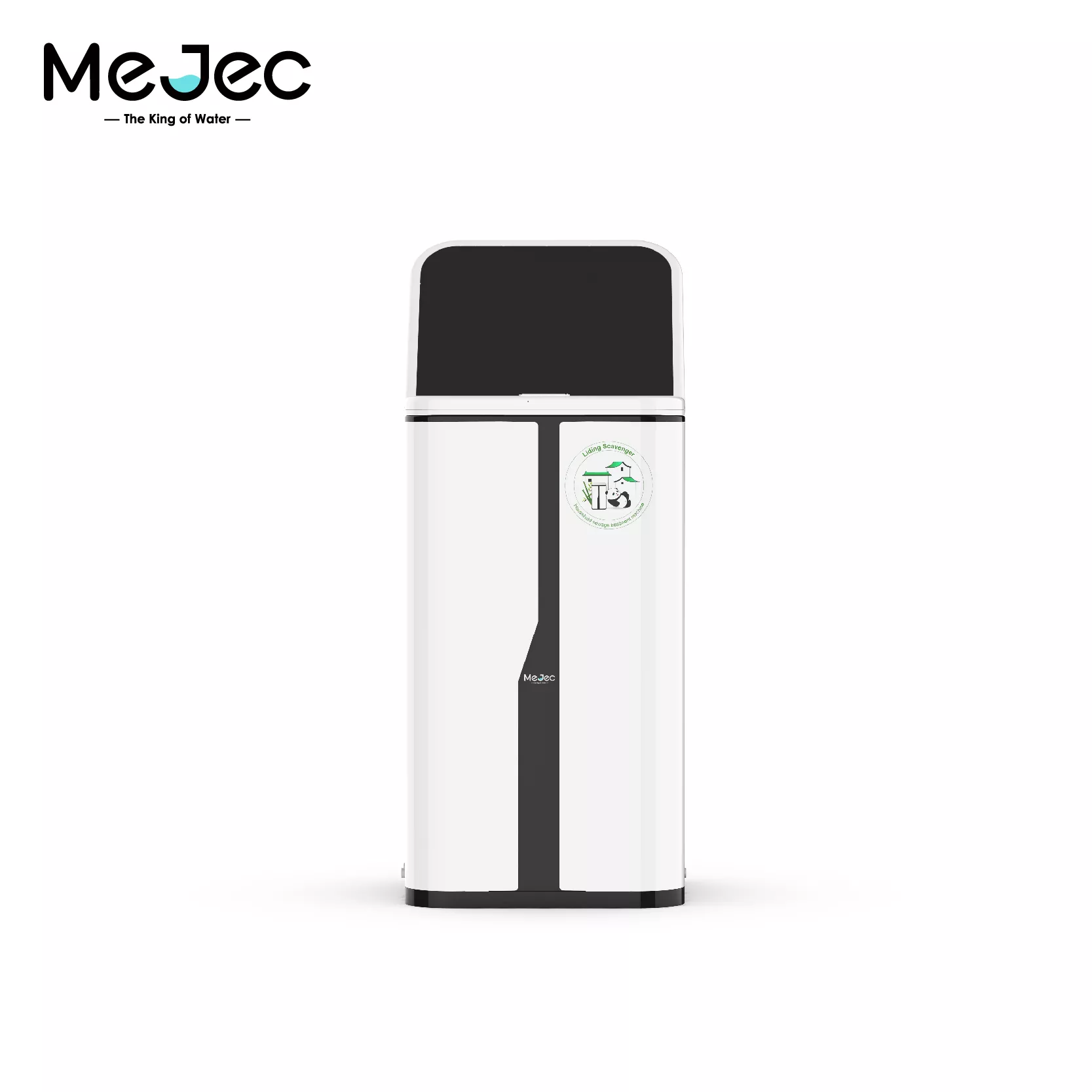
Decentralized wastewater treatment solutions are designed for smaller communities, rural areas, or individual households. These systems treat wastewater close to where it is produced. They do not need extensive piping or pumping infrastructure, which lowers both capital and operational costs. Decentralized plants are more energy-efficient because wastewater travels shorter distances.
Decentralized systems reduce the need for expensive infrastructure.
They offer lower costs and greater energy efficiency.
These solutions are tailored for rural areas and small settlements.
Treatment costs vary by region but are often more affordable than centralized options.
Decentralized solutions provide economic and environmental benefits for sparsely populated regions.
Household wastewater treatment solutions are compact and easy to install. They allow families to treat wastewater on-site, making water reuse possible for irrigation or toilet flushing.
Mejec Innovative Products
Mejec offers advanced wastewater treatment solutions for a wide range of applications. The Mejec-Johkasou-SB uses AAO + MBBR biological technology, providing reliable treatment for domestic wastewater in rural communities, schools, and tourist attractions. The Mejec Scavenger Household Sewage Treatment Plant features MHAT+ contact oxidation, treating black and gray water from homes and enabling water reuse.
Mejec-Johkasou-SA is a small buried system designed for areas with limited space and challenging construction conditions. It uses energy-saving technology and smart management for stable operation. Mejec’s products include robust carbon steel and stainless steel structures, high-efficiency UV disinfection, and reinforced membrane modules for durability.
Feature | Description |
|---|---|
Technology | Incorporates MBR/MBBR advanced biological technology. |
Capacity | Single unit capacity ranges from 100 to 1000m³/d, scalable to tens of thousands of tons. |
Construction | Built with robust carbon steel and stainless steel structures. |
Disinfection | High-efficiency UV disinfection unit achieving a 99.9% bactericidal rate. |
Fouling Resistance | Reinforced hollow fiber membrane modules for superior fouling resistance and durability. |
Application | Ideal for decentralized sewage treatment in various locations. |
Operation | Offers plug-and-play operation and easy maintenance. |
Compliance | Reliable compliance with discharge or reuse standards. |
Mejec’s hardware innovations include remote communication modules for real-time monitoring and redundant microcontroller control systems. These features improve performance, stability, and allow for future upgrades. The software platform supports intelligent management and compatibility with multiple hardware brands, ensuring efficient operation and maintenance.
Mejec wastewater treatment solutions help build sustainable communities by providing reliable, energy-efficient, and easy-to-manage plants for homes, businesses, and rural areas.
Benefits of Effective Wastewater Treatment
Health and Environment
Effective wastewater treatment protects human health and improves water quality. It removes harmful contaminants, which reduces pollution and prevents disease outbreaks. Communities benefit from cleaner water and safer living conditions. Wastewater treatment plants play a key role in pollution control and environmental protection. They help maintain healthy aquatic ecosystems and support biodiversity.
Pollution control improves water quality and protects public health.
Water reuse reduces demand for freshwater and increases resilience.
Proper wastewater management prevents diseases linked to contaminated water.
Benefit | Description |
|---|---|
Protection of Aquatic Ecosystems | Wastewater treatment prevents pollution in rivers and lakes, safeguarding aquatic life. |
Mitigation of Water Pollution | Advanced treatment removes nutrients and pathogens, lowering pollution levels. |
Conservation of Water Resources | Treated wastewater can be reused for irrigation and industry, reducing reliance on freshwater. |
Reduction of Nutrient Pollution | Removing nitrogen and phosphorus prevents harmful algal blooms and protects fisheries. |
Water Reuse and Resource Recovery
Wastewater treatment plants support water reuse and resource recovery. Treated wastewater can be reused for agriculture, urban parks, and industrial cooling. This practice helps conserve water and supports circularity. Nutrient recovery provides alternative fertilizer sources, while energy recovery reduces electricity costs and promotes sustainability. Internal water reuse within plants improves efficiency and supports stable operation.
Agricultural reuse uses treated wastewater for crop irrigation.
Urban reuse supplies water for parks and landscaping.
Industrial reuse supports cooling and processing needs.
Environmental reuse enhances wetlands and habitats.
Potable reuse treats wastewater for drinking water supply.
Method | Description |
|---|---|
Nutrient Recovery | Sustainable use of phosphorus and alternative fertilizer sources. |
Energy Recovery | Recovery of chemical and thermal energy for self-sufficiency. |
Internal Water Reuse | Reuse of treated effluent within the plant for various applications. |
Sludge Reuse | Application of treated sludge in agriculture. |
Globally, about 20% of treated wastewater is reused. Israel achieves a reuse rate of 85-90%, while Italy reported only 2.3% in 2020. Advanced hardware and software innovations, such as remote monitoring and intelligent management, help maintain high wastewater quality and support efficient water reuse.
Community and Economic Impact
Wastewater treatment plants create jobs and stimulate local economies. Improved water quality and reliable sanitation services support productivity and economic stability. By preventing waterborne diseases, communities reduce healthcare costs and improve well-being. Investing in advanced treatment technologies promotes sustainability and protects natural resources. Circularity in wastewater management ensures long-term benefits for communities.
Effective wastewater management enhances public health, supports economic growth, and builds resilient communities through improved water reuse and resource recovery.
Sewage treatment plants work well because they use multi-stage processes and advanced technology. These systems remove contaminants, protect health, and help communities thrive. Key factors include upgrades that meet regulations, increased efficiency, and automation that simplifies operations. Modern plants, like Mejec’s, feature remote monitoring, smart controls, and energy-saving designs.
Feature | Benefit |
|---|---|
Multi-stage filtration | Cleaner, safer water |
Smart automation | Reliable, easy management |
Energy efficiency | Lower costs, less pollution |
Mejec’s innovative solutions offer water reuse, compact design, and solar integration. Choosing advanced systems supports a healthier environment and sustainable future.
FAQ
How does Mejec’s remote monitoring system work?
Mejec’s system uses a remote communication module. It sends data like water flow and power use to an online platform. Users get instant alerts on their phones. This helps operators manage the plant in real time.
What makes Mejec’s control system reliable?
The microcontroller control system has redundancy. This means it can control many devices at once. If one part fails, another takes over. The design allows easy upgrades and keeps the plant running smoothly.
Can Mejec’s sewage treatment plants connect with other devices?
Mejec’s software supports many hardware brands. It works with gateways and microcontrollers. The system uses common protocols like MQTT and Modbus RTU. This makes it flexible and easy to expand.
What are the benefits of Mejec’s non-clogging pump design?
Prevents small particles from blocking the pump
Increases service life up to three years
Makes maintenance easier for workers
Keeps the system running with less downtime