Resource Recovery and Water Reuse Trends in Modern Hotels

You can improve your hotel's sustainability by using new methods to recover resources and reuse water. Modern systems like a sewage treatment plant for hotels help you save water, energy, and money. These changes also create a better experience for guests and help you meet new environmental standards.
Key Takeaways
- Installing onsite sewage treatment plants can save money and reduce energy use. This system allows hotels to reuse treated water for irrigation and cooling.
- Modular water systems offer flexibility for hotel expansion. They are easy to install and adapt, helping hotels manage water resources efficiently.
- Implementing greywater recycling can lower water use by up to 40%. This method helps hotels save money and improve their sustainability image.
Decentralized and Modular Water Treatment
Onsite Sewage Treatment Plant for Hotels
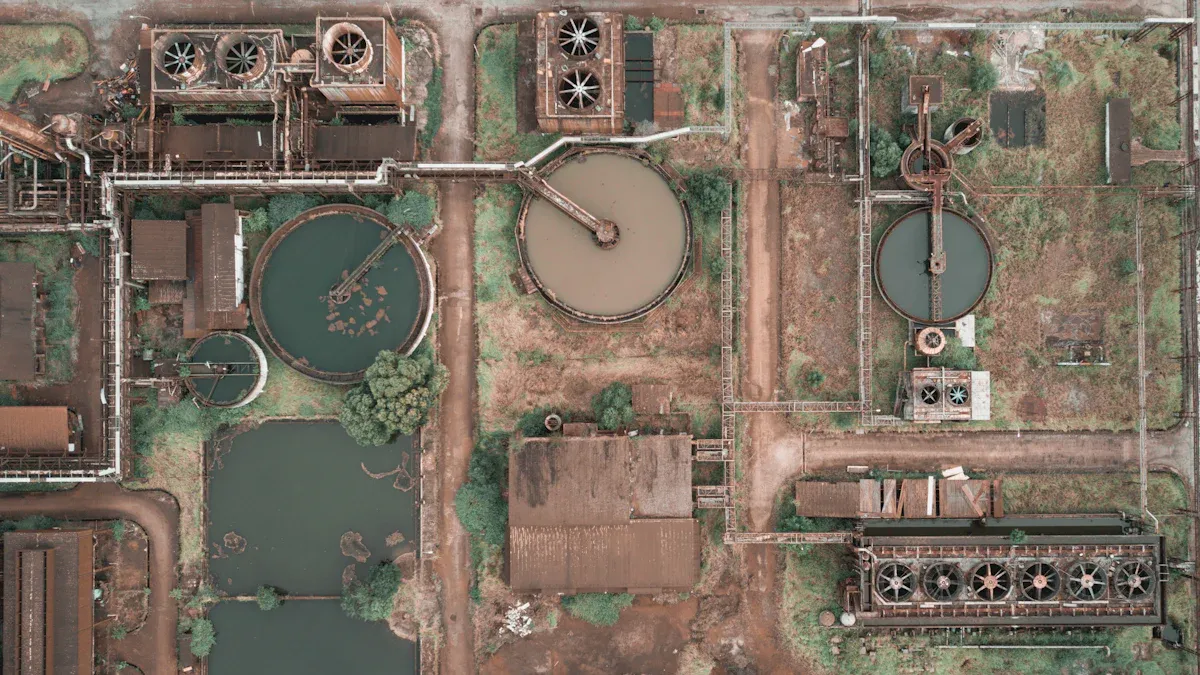
You can improve your hotel's water management by installing an onsite sewage treatment plant for hotels. This system treats wastewater right where it is produced. You do not need large sewer networks or distant treatment facilities. The treated water can be reused for irrigation, cooling, or even groundwater recharge. You save money on transportation costs and reduce your energy use. The system also helps you lower your carbon footprint. Many hotels now choose a sewage treatment plant for hotels to meet green building standards and keep water supply steady. For example, a luxury hotel in the Middle East used a Membrane Bioreactor system. This allowed the hotel to reuse water for landscaping and cooling, which helped meet local rules and boosted its reputation for sustainability.
| Benefit | Description |
|---|---|
| Lower Capital Costs | Minimal need for extensive sewer networks and large treatment facilities. |
| Reduced Transportation Costs | Treating wastewater near its source eliminates long-distance transport expenses. |
| Water Reuse | Treated wastewater can be reused for irrigation, industrial processes, or groundwater recharge. |
| Reduced Energy Consumption | Shorter transport distances and smaller treatment plants require less energy. |
| Lower Carbon Footprint | Minimized construction and operational emissions compared to centralized systems. |
Modular Systems for Flexible Expansion
You can choose modular water systems to help your hotel grow. These systems are easy to install and adapt to your needs. You do not need a big upfront investment. Modular systems support quick expansion and work well in places with limited water resources. They help you recycle wastewater and reduce your use of fresh water. Modular systems last longer than traditional ones, so you get reliable service for many years.
- On-site wastewater treatment reduces overall water use.
- It lowers operational costs, which helps your hotel scale up.
- Modular water systems are compact and economical.
- They support fast installation and easy upgrades.
A modular sewage treatment plant for hotels gives you flexibility and saves money. You can expand your hotel without worrying about water supply or high costs.
Water Reuse Technologies and Applications
Greywater Recycling for Irrigation and Flushing
You can use greywater recycling to cut your hotel's water use. Greywater comes from sinks, showers, and laundry. You can treat and reuse this water for gardens and toilets. This method does not need fresh water for these tasks. Many hotels see big savings with greywater systems.
- Greywater recycling can lower your water use by up to 40%. You use less fresh water for irrigation and flushing.
- A luxury hotel in Australia reduced its freshwater use by 25% by using recycled water for gardens. This change saved money and helped the hotel become more sustainable.
- Eco-friendly hotels in Europe reused water in laundry. They cut water use by up to 50% and lowered their water bills.
You can also improve your hotel's image. Guests like to see hotels that care about the environment.
Advanced Filtration and Electrocoagulation
You can use advanced filtration and electrocoagulation to clean water in your hotel. These systems remove dirt, oil, and color from water. They do not need many chemicals. You get clean water that you can reuse for many tasks.
| Benefit | Description |
|---|---|
| Straightforward Process | Electrocoagulation has fewer moving parts, so you need less maintenance. |
| Increases Water Quality | It improves water quality without chemicals and removes organic matter and color. |
| Treats Oily Water | It treats oily water by breaking up emulsions for easy removal. |
| Reduces Costs | It costs less than old methods and works faster. |
| Produces Less Sludge | It makes less sludge, which is easier to handle and safer to dispose of. |
You may face some challenges. These include changes in guest numbers, local rules, and making sure water stays clean. You also need to fit new systems with old pipes and equipment.
Resource Recovery Opportunities
Energy Generation from Wastewater
You can turn hotel wastewater into a valuable energy source. Modern systems like regenerative heat pump systems (RHPS) use the heat in wastewater to warm water for showers and cleaning. This method saves up to 76.67% more energy than older boiler systems. You also cut carbon dioxide emissions by almost 34 tons each year. RHPS can meet your heating needs in summer without extra equipment. When you use a sewage treatment plant for hotels, you unlock these energy savings and lower your long-term costs.
Tip: RHPS can improve water recovery efficiency to 72% and heat recovery efficiency to 75%. You get more value from every drop of water.
Nutrient Recovery for Landscaping
You can recover nutrients from hotel wastewater and use them to feed your gardens and green spaces. This process helps your landscaping thrive and reduces the need for chemical fertilizers. Many hotels now use recovered nutrients for landscaping, horticulture, and even bioenergy production. These nutrients work as soil boosters or as feedstock for biogas, making your hotel more eco-friendly and cost-effective.
- Nutrient recovery supports healthy plants and saves money.
- You help the environment by recycling valuable resources.
Greywater Heat Recovery Systems
Greywater heat recovery systems capture waste heat from showers, sinks, and laundry. You can use this heat to warm up new water, which lowers your energy bills. Studies show that these systems boost the efficiency of heat pumps and make your hotel more sustainable. Many hotels see a quick return on investment, often within two to five years, because of lower energy and maintenance costs.
| Resource Recovery Opportunity | Description | Percentage Savings |
|---|---|---|
| Greywater Recycling | Captures water from showers, baths, and sinks for reuse in non-potable applications. | Up to 40% |
| Mains Water Consumption Reduction | Reduces reliance on freshwater resources. | Up to 30% |
Digitalization and Smart Water Management
AI-Driven Monitoring and Analytics
You can use AI-driven monitoring to make your hotel's water management smarter and more efficient. AI systems track water use in real time, so you can spot problems quickly. These systems use predictive analytics to help you respond to leaks or waste before they become costly. You can see how much water each area of your hotel uses with advanced submetering. This helps you make better decisions and cut down on water waste.
- AI and IoT sensors work together to monitor water use and detect leaks fast.
- Predictive analytics let you adjust water flow based on demand and spot equipment issues early.
- Smart meters help you set efficient irrigation schedules and change laundry programs when more guests arrive.
- Digitalization and automation make it easier to save water and energy.
You can also improve guest experience by using smart devices in rooms. Many hotels now use digital chat technology, so guests can share their preferences for towel and sheet reuse.
| Practice | Description |
|---|---|
| Water Tracking | Over 90% of hotels use water tracking systems to monitor usage. |
| Low-Flow Systems | 74% of hotels install low-flow or dual flush toilets in most guest rooms. |
| Guest Engagement | Digital chat lets guests choose how often towels and sheets get replaced. |
Automated Leak Detection and Predictive Maintenance
You can protect your hotel from water damage and high costs by using automated leak detection and predictive maintenance. IoT sensors find leaks in just a few hours, not days. This quick response saves up to 8,000 kiloliters of water each year and lowers costs by ₹26.4 lakhs. Predictive maintenance helps you fix equipment before it breaks, reducing maintenance costs by 30%.
- Smart water management systems catch leaks early and prevent waste.
- You lower your carbon footprint and keep guests comfortable.
- Data analytics help you plan repairs and avoid expensive surprises.
You make your hotel more reliable and sustainable by using these digital tools.
Regulatory and Market Drivers
Adapting to Evolving Compliance Standards
You face new rules for water management every year. Governments want hotels to use less water and treat wastewater better. You must follow these rules to avoid fines and protect your hotel's reputation. Many hotels now use water recycling systems to meet stricter standards. You can also get incentives, tax breaks, or rebates when you choose green technologies. Staff training helps your team understand new rules and use water wisely. Greywater recycling is a smart way to meet compliance and save money.
Tip: Staying ahead of regulations keeps your hotel safe from penalties and builds trust with guests.
Key drivers for hotel water management in 2026 include:
- Sustainability initiatives push hotels to adopt better water practices.
- Regulatory support for green technologies helps hotels expand their water solutions.
- Awareness of water conservation grows among hotel owners and guests.
- Technology advancements make sustainable water systems easier to use.
- Higher disposable incomes in developing countries lead to more investment in water-saving solutions.
Aligning with Guest Sustainability Expectations
You must meet guest expectations for sustainability. Travelers want hotels that care for the environment. According to a Booking.com survey, 76% of travelers prefer staying in sustainable accommodations. Nearly half of all consumers find hotels with a sustainability label more appealing. You can attract more guests by showing your commitment to water reuse and resource recovery. Guests notice your efforts and reward you with positive reviews and repeat visits.
🌱 Guests value hotels that protect the planet. Your water management choices help you stand out in a competitive market.
Actionable Steps for Implementation
Evaluating Current Water Use and Waste Streams
You need to understand how your hotel uses water before you can improve. Start by measuring your Water Usage per Guest Night. Divide the total water used by the number of occupied room nights. This number shows how efficient your hotel is with water. A lower number means your systems work well and save water.
You should also look at your waste streams. Place labeled bins for recyclables, organics, and non-recyclables in easy-to-find spots. Run regular waste audits to see how much waste your hotel creates. Try new technologies that help you track waste better. Explore waste-to-energy options for items you cannot recycle.
Tip: Use the Water Usage per Guest Night metric to check if your water-saving investments pay off.
When you reuse and recycle materials, you follow circular economy principles. This approach helps you cut costs for water and waste disposal. You also open new ways to earn money by recovering by-products from your waste. Look for places where you can reuse water, like gardens or cooling systems. Invest in technology that lets you recover valuable resources from your wastewater.
Choosing the Right Technologies and Partners
You must pick the right tools and partners to reach your water reuse goals. Focus on systems that fit your hotel's needs and meet local rules. Use this table to guide your choices:
| Criteria | Description |
|---|---|
| Compliance with regulations | Make sure the system follows local laws and safety standards. |
| Cost considerations | Check the full cost to install, run, and maintain the system. |
| Scalability and adaptability | Choose a system that can grow with your hotel. |
| Environmental and operational benefits | Look for systems that help the environment and improve your hotel's daily work. |
| Certifications and standards | Pick solutions with trusted certifications like NSF or ISO. |
You should also look for partners who understand hotel operations. Good partners help you install, maintain, and upgrade your systems. They also help you keep up with new rules and technology.
Hotels that focus on resource recovery can turn waste into assets. You can recover trace metals, biogas, and nutrients from your wastewater. These resources help you save money and protect the environment, especially during droughts or shortages.
Staff Training and Guest Engagement
You need a well-trained team to make your water reuse plan work. Train your staff to spot leaks and keep water-saving equipment in good shape. Teach them how to use new systems and report problems fast.
Guest engagement is just as important. Tell your guests about your water-saving efforts. Encourage them to reuse towels and use water wisely. Use signs, digital messages, or friendly reminders from staff.
🌱 When you train your staff and involve your guests, you build a culture of conservation. This teamwork helps your hotel use less water and protect the planet.
Staff training and guest programs lead to real savings. Your hotel uses less water, and everyone learns to care for resources. This approach makes your hotel stand out as a leader in sustainability.
You position your hotel as a leader in sustainability when you adopt resource recovery and water reuse. See the measurable benefits below:
| Benefit Type | Measurable Impact |
|---|---|
| Energy Reduction | Up to ~78% |
| Water Reduction | ~20-30% |
| Operational Savings | Long-term cost reductions |
- You protect the environment and attract eco-conscious travelers.
- Smart water management improves guest satisfaction and builds brand loyalty.
- Proactive investment helps your hotel stay competitive and future-ready.
FAQ
How can you start water reuse in your hotel?
You can install greywater recycling systems. You can train staff to monitor water use. You can reuse water for gardens and toilets.
What benefits do resource recovery systems offer?
You save money on water bills. You reduce waste. You improve your hotel's sustainability. Guests appreciate your efforts.
Is it hard to maintain advanced water treatment systems?
You can keep systems running with regular checks. Staff training helps. Many modern systems need less maintenance than older ones.
See Also
Innovative Materials Transforming Heat Exchanger Availability
Ways to Reduce Environmental Impact Using Plate Heat Exchangers
The Role of Condensate Coolers in Boosting Energy Efficiency
Understanding the Advantages of Commercial Heat Exchangers by 2025
Advancements in Heat Exchanger Manufacturing Boost Industrial Efficiency