Sewage treatment equipment showdown: Save money or go modern?
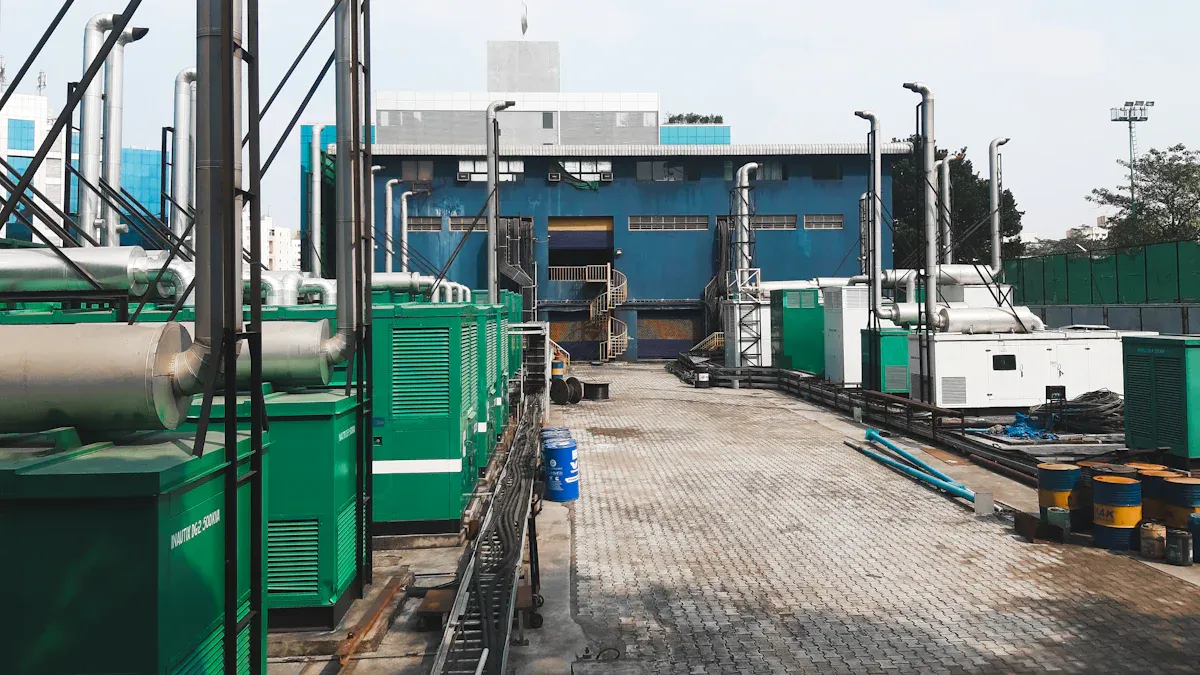
When you choose sewage treatment equipment, your priorities matter. You may want to save money or prefer modern technology. Consider cost, reliability, efficiency, and compliance. Think about future adaptability. Your decision shapes how well your system runs and meets new standards.
Key Takeaways
- Consider both upfront costs and long-term expenses when choosing sewage treatment equipment. New systems may cost more initially but often save money on repairs and maintenance over time.
- Regular maintenance is crucial for both new and used equipment. Schedule servicing to prevent costly breakdowns and ensure efficient operation.
- Evaluate the adaptability of your equipment to meet future regulations and demands. Investing in modern technology can enhance efficiency and compliance.
Sewage treatment equipment cost comparison
Upfront costs
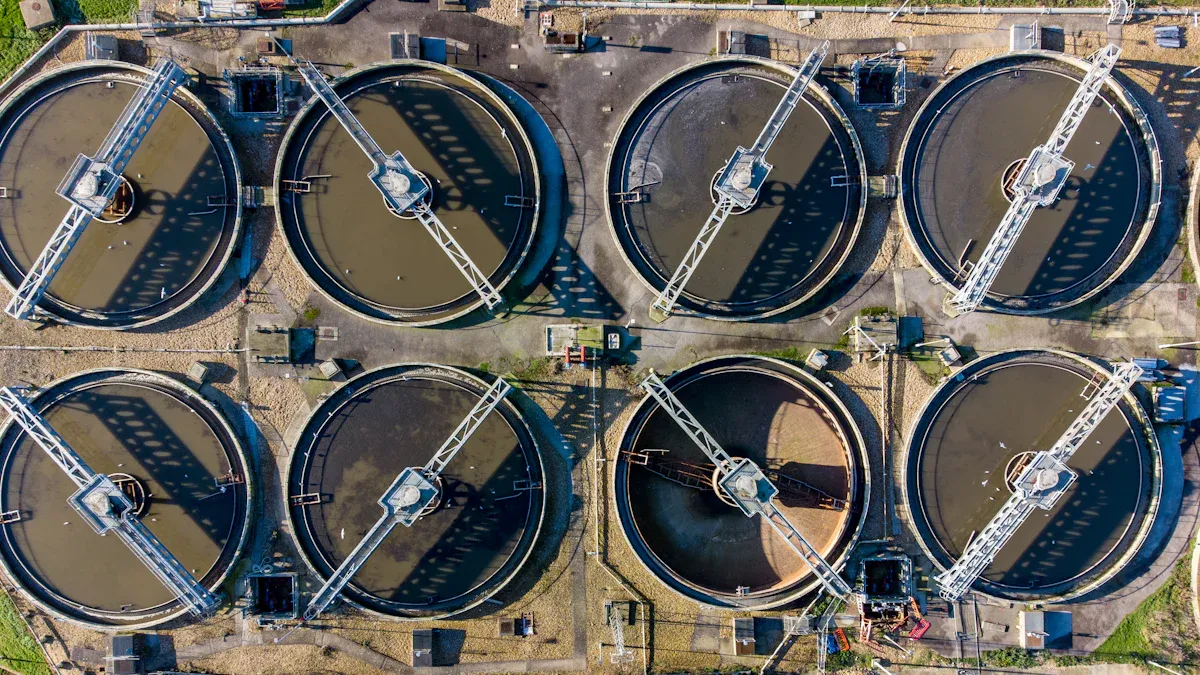
You face a big decision when you compare the initial price of new and used sewage treatment equipment. New systems often cost more, but they come with warranties and the latest features. Used equipment can save you money right away. You may also find used units available for quick installation, which helps if you need a fast solution.
Tip: Always check the condition and maintenance history before you buy used equipment. This helps you avoid hidden costs.
| Benefit/Consideration | Description |
|---|---|
| Cost Savings | Used equipment costs less than new, making it easier for tight budgets. |
| Availability | Used units are often ready for immediate purchase and setup. |
| Environmental Benefits | Choosing used equipment reduces waste and resource use. |
Maintenance and repairs
You must think about ongoing costs. Both new and used sewage treatment equipment need regular servicing. Most systems require maintenance twice a year. Smaller tanks may cost $250 to $550 per service. Larger tanks can cost $700 or more, but you service them less often. Minor repairs range from $165 to $500. Major problems can cost up to $20,000.
- Older systems break down more often and may need expensive repairs.
- Complex systems can fail more, raising your costs.
- Some systems only need annual servicing, which lowers expenses.
Common issues with used equipment include blockages, corrosion, and slowed flow rates. Regular checks and proper training help prevent these problems.
Total cost of ownership
You should look beyond the purchase price. The total cost of ownership includes maintenance, repairs, and possible upgrades. Used equipment may seem cheaper at first, but frequent repairs and downtime can add up. New equipment usually offers better reliability and lower repair rates, which saves you money over time.
Note: Always inspect equipment and review service records before buying. This gives you a clearer picture of future costs.
Sewage treatment equipment performance and technology
Efficiency and output
You want your sewage treatment equipment to work efficiently. New systems process more wastewater in less time. They use less energy and handle higher volumes. This means you get better results and save on power bills. Modern designs also reduce clogging and blockages, so you spend less time fixing problems. If you run a plant in a city, you need equipment that adapts to narrow channels and high flow rates. This helps you keep up with growing demand.
Advanced features in 2026
In 2026, new sewage treatment equipment comes with many advanced features. You can find systems with:
- Specialized technology for removing dissolved metals and destroying oxidizers.
- High-purity acid purification for regeneration and reuse.
- Resource recovery programs that lower costs and support sustainability.
- Advanced electrochemical systems for better wastewater treatment.
- Inside-out flow design for more screening surface area and less clogging.
- Durable plastic screens that need less maintenance and boost efficiency.
- Vertical designs that fit in small spaces and capture solids to prevent overflow.
- Long-lasting parts that resist harsh wastewater conditions.
These features help you meet strict standards and run your plant smoothly.
Limitations of used equipment
Used sewage treatment equipment often has limits. You may face problems like old technology, frequent malfunctions, and high energy use. Many older systems cannot handle modern treatment needs. Some plants struggle with poor sludge management, which can cause pollution and slowdowns. Aging parts break down more often and need more repairs. The table below shows common issues:
| Limitation | Description |
|---|---|
| Inadequate technology or outdated equipment | Old systems do not meet current treatment needs. |
| Insufficient funding and resources | Hard to upgrade or maintain equipment. |
| Equipment malfunctions | Breakdowns disrupt operations and lower efficiency. |
| Poor sludge management | Bad handling of sludge causes pollution and bottlenecks. |
| High energy consumption | Older systems use more energy. |
| Aging infrastructure | Old parts need more maintenance. |
| Non-functional WWTPs | Some plants do not work at all. |
Note: You should always check if used equipment can meet your current and future needs.
Sewage treatment equipment reliability and lifespan
Expected reliability
You want your system to run smoothly every day. New equipment gives you steady performance because manufacturers design it to handle tough conditions. You can trust new parts to work as expected. Used systems may not offer the same level of reliability. Old machines often break down more because of worn parts and harsh operating environments. You might need to fix or replace parts more often if you choose used equipment.
Downtime risks
Downtime can stop your operations and cost you money. You face more risks with older systems. Here are some common reasons for downtime in used equipment:
- Worn parts break under stress.
- Lack of regular maintenance causes solids to build up.
- Overloading the system with too much water leads to backups.
- Poor design or installation creates weak spots.
- Physical damage from heavy equipment or landscaping disrupts normal operation.
New models use better materials and have tools that predict problems before they happen. You can plan repairs and avoid surprises. Used equipment often lacks these features, so you may not know when a breakdown will occur.
Equipment lifespan
You should think about how long your equipment will last. New sewage treatment equipment usually works for 15 to 20 years. Some wastewater treatment plants can last 40 to 50 years with proper care. Used systems have shorter lifespans because they already have years of use. If you want a long-term solution, new equipment gives you more value and fewer worries about early failure.
Sewage treatment equipment compliance and regulations
Meeting 2026 standards
You must follow strict rules when you choose sewage treatment equipment in 2026. New standards focus on safety, efficiency, and environmental protection. You need to check if your system meets these key elements:
| Key Element | Description |
|---|---|
| Hydraulic Design Criteria | Focuses on velocities and friction losses in sewers and force mains. |
| Capacity Requirements | Emphasizes redundancy and emergency operations for pumping stations. |
| Organic Loading Rates | Optimizes microbial processes in biological treatment. |
| Disinfection Dosages | Specifies detention times and dosages for effective pathogen reduction. |
| Solids Retention Times | Ensures stabilization of sludge processing, with options for chemical pH adjustment. |
| Strict Effluent Standards | Regulates allowable pollutants, including heavy metals and nutrients like phosphorus and nitrogen. |
You should review these criteria before you buy or upgrade your system.
Environmental and safety requirements
You must protect both people and the environment. New rules require you to control harmful chemicals and pathogens. You need to keep water clean and safe for your community. Modern systems help you meet these goals by removing more pollutants and using safer materials. You also lower the risk of accidents and spills when you use up-to-date equipment.
Risk of non-compliance
If you do not follow the rules, you face serious problems:
- Environmental pollution from untreated wastewater.
- Public health risks when harmful pathogens and chemicals enter the water supply.
- Legal trouble, including fines, penalties, or even a shutdown of your facility.
You should always check if your equipment meets current laws. Staying compliant keeps your operation safe and protects your reputation.
Sewage treatment equipment resale value and future-proofing
Resale potential
You want to get the most value from your investment, even when you decide to upgrade or sell. New sewage treatment equipment holds its value better because buyers look for modern features and reliable performance. If you keep your system well-maintained, you can attract more buyers and ask for a higher price. Used equipment often loses value quickly, especially if it cannot meet current standards or needs repairs. You should keep service records and upgrade parts when possible. This helps you show buyers that your equipment is in good condition.
| Factor | Impact on Resale Value |
|---|---|
| Age of Equipment | Newer models sell for more |
| Maintenance History | Good records increase value |
| Compliance Level | Meeting standards attracts buyers |
| Technology Features | Advanced systems are preferred |
Tip: Regular maintenance and upgrades help you protect your equipment’s resale value.
Adaptability to future needs
You need equipment that can handle changes in regulations and operations. New models are designed to adapt to stricter rules and new demands. You see innovative technologies that make it easier to upgrade or change processes. For example, advanced treatment systems use biological nutrient removal and UV disinfection to meet modern quality requirements. These features help your plant stay resilient against environmental challenges.
- New models adapt to increasing regulatory pressures.
- Innovative technologies support future operational demands.
- Decision-making frameworks help you plan for complex regulations.
Companies now focus on sustainability and total ownership costs. You can save money by investing in energy-efficient systems and smart technologies. Real-time monitoring and predictive maintenance help you spot problems early and reduce downtime. If you want to future-proof your facility, you should:
- Conduct energy audits to find ways to improve.
- Replace old equipment in phases.
- Invest in advanced pump technologies that support sustainability.
Note: Smart technologies like real-time monitoring and predictive maintenance make your system ready for future challenges.
Sewage treatment equipment decision guide
Checklist for choosing
You want to make a smart choice when you buy or upgrade your sewage treatment equipment. Use this checklist to help you focus on what matters most for your operation:
- Know your treatment needs: Write down the amount of wastewater you need to process each day. Think about how this might change in the next few years.
- Check compliance requirements: Review local and national rules for water treatment. Make sure your equipment can meet all current and future standards.
- Review your budget: Decide how much you can spend now and what you can pay for maintenance each year.
- Consider reliability: Ask how often the equipment needs repairs. Find out if spare parts are easy to get.
- Look for advanced features: See if the system offers remote monitoring, energy-saving options, or smart controls.
- Plan for training: Make sure your team can learn to use and maintain the equipment. Ask if the company offers training or support.
- Think about future changes: Choose equipment that can adapt if your plant grows or if rules become stricter.
- Check service and support: Find out if you can get help quickly when you need repairs or advice.
Tip: Write your answers to each point. This will help you compare different options and see which system fits your needs best.
Decision matrix based on priorities
You can use a decision matrix to compare your options. This tool helps you see which system matches your top priorities. The table below shows common priorities for buyers in 2026. Rate each option from 1 (poor) to 5 (excellent) for each priority. Add up the scores to see which choice stands out.
| Priority | Description | Used Equipment | New Equipment |
|---|---|---|---|
| Modular Engineering Discipline | Standardized, easy-to-configure platforms for faster setup and simple spare parts. | ||
| Service Capability | Reliable supply of parts and fast support to reduce downtime. | ||
| Partnerships for Integration | One company handles setup and integration for less hassle. | ||
| Operational Readiness | Training plans and remote monitoring for smooth operation and compliance. | ||
| Total Cost of Ownership | Long-term costs, including repairs, energy, and upgrades. |
Fill in the scores for each option. For example, if new equipment offers great service support, give it a 5 in that column.
You can use this matrix to guide your decision. If you care most about long-term savings, focus on the "Total Cost of Ownership" row. If you want fast setup, look at "Modular Engineering Discipline." This method helps you match your priorities with the right equipment.
You can make a confident choice when you use a checklist and a decision matrix. These tools help you see the facts and avoid surprises. You get the best value for your plant and stay ready for the future.
You gain better efficiency and compliance when you choose new sewage treatment equipment. The table below shows how modern systems reduce key contaminants:
| Parameter | Reduction (%) |
|---|---|
| Hardness | 15% |
| TDS | 50%–55% |
| BOD | 80%–90% |
| COD | 80%–90% |
You can use the decision guide to match your needs with the best option. Multi-criteria tools help you select technology and optimize your process.
FAQ
What is the main benefit of new sewage treatment equipment?
You get better efficiency, lower energy use, and easier compliance with new rules. New systems also last longer and need fewer repairs.
Can you upgrade used sewage treatment equipment?
You can upgrade some used systems. Check if parts are available and if the equipment can meet new standards before you invest.
How often should you service your sewage treatment equipment?
You should service most systems twice a year. Regular checks help prevent breakdowns and keep your equipment running smoothly.
See Also
Innovative Materials Transforming Heat Exchanger Supply Chains
Is It Worth Investing in Automated Virus Sampling Equipment?
Top 6 Industrial Vacuum Cleaners Recommended for Businesses
Advancements in Heat Exchanger Manufacturing Boost Industrial Efficiency
Understanding the Advantages of Commercial Heat Exchangers by 2025