The Ultimate Checklist for Selecting Sewage Equipment
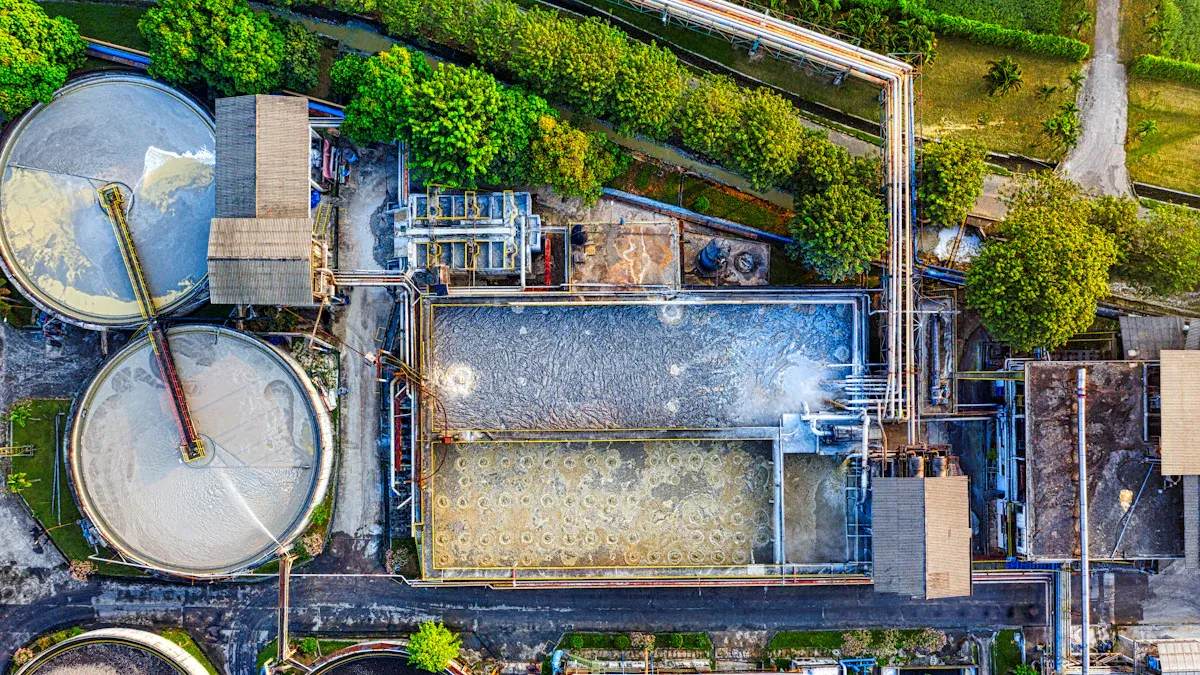
Choosing the right sewage equipment can feel overwhelming. You want solutions that work reliably and efficiently. A clear checklist helps you make smart decisions. When you follow each step, you improve performance and safety for your facility. Trust the process to guide you toward the best results every time.
Key Takeaways
- Identify your facility's specific needs before selecting sewage equipment. Understand the type of wastewater and daily flow to make informed choices.
- Review local regulatory standards to ensure compliance. This step protects your facility and the environment from potential legal issues.
- Evaluate the life-cycle costs of equipment, not just the initial price. Consider energy, maintenance, and repair costs to find the best long-term investment.
Identify Your Facility’s Needs for Sewage Equipment
Define Application and Usage
You need to start by understanding how your facility will use sewage equipment. Think about the main tasks. Will you treat wastewater from a factory, a school, or a hospital? Each place has different needs. Some facilities need equipment for heavy-duty pumping. Others need tools for inspection or cleaning. Write down the main purpose. This step helps you focus on what matters most.
Assess Capacity and Wastewater Composition
Next, look at how much wastewater your facility produces. Measure the daily flow and check what is in the water. Some places have water with lots of chemicals or solids. Others have mostly liquid waste. The International Standard Industrial Classification (ISIC) system helps you understand these flows. This system guides you in managing wastewater and meeting rules. You can use it to set pollution limits, plan monitoring, and predict how much waste enters rivers.
Review Regulatory and Compliance Standards
You must follow rules that protect the environment and public health. These standards change depending on your location. The table below shows important regulations in the United States and Europe:
| Region | Standard/Regulation | Key Requirements |
|---|---|---|
| European Union | 2026 Wastewater Discharge Standards | PFAS treated as priority hazardous substances. Micro-pollutant monitoring for PFAS. Source control for primary industries. Good chemical status mandate by 2027. |
| United States | 2026 Multi-Sector General Permit (MSGP) | Report-only monitoring for PFAS. Numeric limits in future permit cycles. No Net Discharge policies in water-stressed regions. |
Check these standards before you choose sewage equipment. This step keeps your facility safe and legal.
Understand Sewage Equipment Types
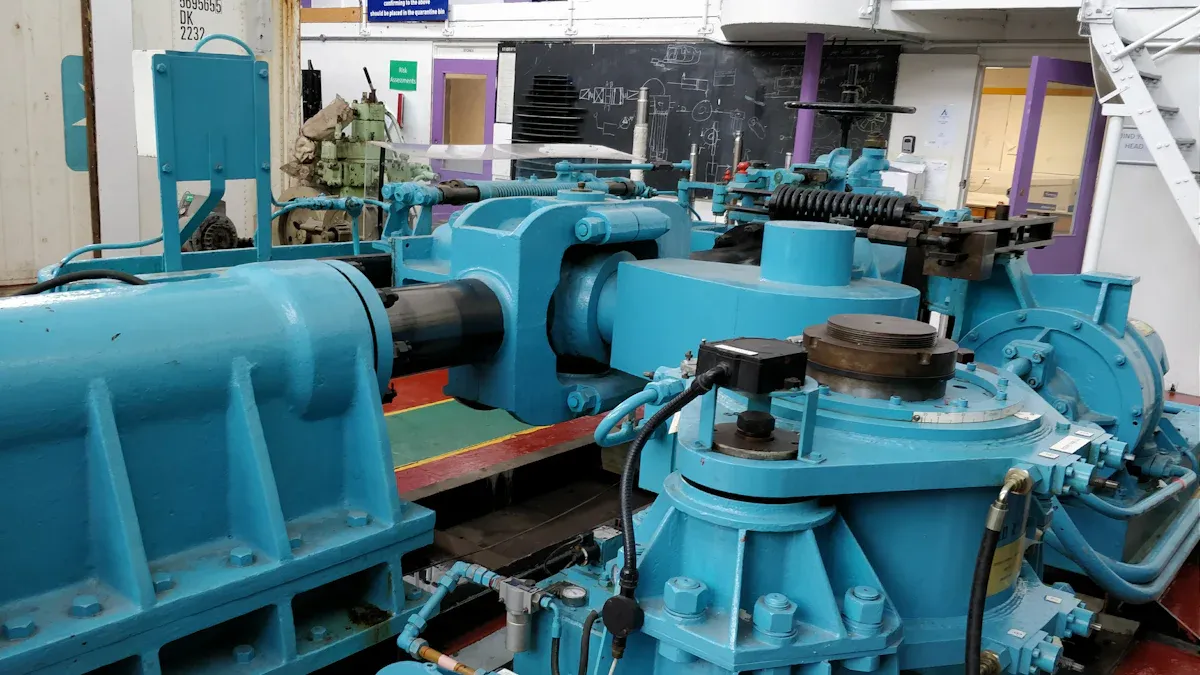
Choosing the right sewage equipment starts with knowing the main types and their uses. You can see how each category fits different needs in the table below:
| Category | Applications |
|---|---|
| Sewer and Drain Cleaning Equipment | Industrial, Commercial, Consumer Applications |
| Water and Wastewater Treatment | Municipal, Urban Water Treatment |
| Filtration | Ultra-Filtration, Micro-Filtration |
| Disinfection | Water Purification |
| Adsorption | Contaminant Removal |
| Desalination | Saltwater to Freshwater Conversion |
| Testing | Water Quality Assessment |
Pumps
You will find pumps in almost every sewage system. They move wastewater from one place to another. The table below shows common pump types, their strengths, and weaknesses:
| Type of Pump | Advantages | Disadvantages |
|---|---|---|
| Effluent Pumps | Efficiently pumps significant volumes of effluent. | Limited to pumping effluent only. |
| Solid Handling Pumps | Can handle raw sewage with solids. | Requires more maintenance due to solid handling. |
| Grinder Pumps | Cuts and grinds solids for easier pumping. | More complex and potentially higher repair costs. |
Jetters
Jetters clean pipes using high-pressure water. You can use them to remove tough clogs and debris. Combination units work best for heavy debris but cost more. Standalone jetters have lower costs but less power.
| Equipment Type | Initial Cost | Effectiveness for Heavy Debris | Operational Efficiency | Long-term Savings |
|---|---|---|---|---|
| Combination Units | High | Excellent | High | Significant |
| Standalone Jetters | Low | Limited | Moderate | Minimal |
Inspection Cameras
Inspection cameras help you see inside pipes without digging. New models use high-definition imaging and robotic sensors. These features improve safety and accuracy. You can also use data analytics and AI to plan repairs and track problems.
- High-definition imaging gives clear views.
- Robotic cameras reduce the need for digging.
- AI helps you make better decisions.
Biological and Chemical Treatment Systems
You can treat wastewater with biological or chemical systems. Biological treatment uses microorganisms to break down waste. Chemical treatment uses reactions to remove pollutants. The table below compares both methods:
| Aspect | Biological Treatment | Chemical Treatment |
|---|---|---|
| Nature of Treatment | Natural process using microorganisms | Chemical reactions to remove pollutants |
| Speed | Slower, not urgent | Fast and effective |
| Best Suited For | Organic matter (plants, food, human waste) | Pathogens, heavy metals |
| Environmental Impact | More environmentally friendly | Can produce toxic byproducts |
Filtration and Screening Equipment
Filtration and screening equipment remove solids from wastewater. You can choose from several technologies:
| Technology Type | Description | Effectiveness |
|---|---|---|
| Bar Screens | Removes large debris. | Effective for bulky solids removal. |
| Drum and Rotary Screens | Rotating cylinder removes fine to medium-sized solids. | High efficiency, enhances effluent quality. |
| Band Screens | Continuous cleaning, good for high-flow. | High removal efficiencies. |
| Climber Screens | Roving rake lifts debris from effluent. | Proficient in waste removal, adaptable to flow. |
| Fine Screens | Captures smaller particles. | Essential for higher purification levels. |
| Microscreens | Filters algae and micro-particles. | Critical for advanced purification stages. |
| Parabolic Screens | Uses gravity, needs little maintenance. | Cost-effective and reliable. |
| Static Screens | No moving parts, solid-liquid separation. | Robust and dependable in various conditions. |
You can match each type of sewage equipment to your facility’s needs by understanding these options.
Key Selection Criteria for Sewage Equipment
Power and Performance
You need to check the power and performance of each option before you choose sewage equipment. The right power level helps you move wastewater quickly and safely. You can use these important metrics to compare different models:
- Flow-Based Benchmark: This measures how much energy the equipment uses for each gallon or liter of water it treats.
- Load-Based Benchmark: This shows how well the equipment removes pollutants, like BOD (biochemical oxygen demand), from the water.
You should also look at flow rates. High flow rates help prevent bottlenecks and keep your system running smoothly. Many modern systems use sensors to track power output and energy use in real time. These sensors help you spot problems early and keep your equipment working at its best.
Tip: Always check the discharge rate of pumps. This number tells you if the pump can handle your facility’s needs without wasting energy.
Durability and Material Quality
Durability matters when you invest in sewage equipment. The materials used in construction affect how long the equipment lasts and how much maintenance it needs. You can compare common materials in the table below:
| Material Type | Lifespan (Years) | Key Properties |
|---|---|---|
| Glass-Fused-to-Steel | > 30 | Resists corrosion and high temperatures |
| Polyethylene | 10 - 15 | Low cost, less durable |
| Fiberglass | 30 - 40 | Strong, rigid, more expensive |
Glass-fused-to-steel combines the strength of steel with a glass coating. This coating protects against rust and damage from chemicals. Fiberglass offers extra strength and lasts a long time. Polyethylene costs less but may not last as long in tough conditions.
Anti-Clog and Safety Features
You want your sewage equipment to run without clogs or safety problems. Modern designs include features that help you avoid these issues:
- Special impeller shapes let pumps handle large solids and stringy materials.
- Strong materials make the equipment last longer and work better.
- Safety-focused designs keep the system running, even in tough situations.
These features help you reduce downtime and keep your facility safe.
Installation Requirements
You need to think about how easy it is to install the equipment. Some systems fit right into your current setup. Others need special tools or extra space. You should check:
- The size and weight of the equipment.
- The type of connections needed for pipes and power.
- The time and skill level required for installation.
Choosing equipment that matches your facility’s layout saves you time and money.
Maintenance Needs
Maintenance affects how much you spend over time. Good recordkeeping helps you track repairs and spot problems early. You should keep a list of spare parts and plan for regular checks. Watch out for these common issues:
- Delays in getting custom parts can lead to longer downtime.
- Harsh environments may require more frequent maintenance.
- Advanced models with monitoring features can find faults faster, saving you time and money.
Note: Equipment with easy-to-replace parts and built-in monitoring can cut repair times by more than half.
Energy Efficiency
Energy efficiency plays a big role in your operating costs. Energy can make up 30-40% of the total cost for municipal systems. Some studies show that you can save 15-30% on energy by choosing efficient models. Even a 10% drop in energy use can save millions of dollars each year.
An energy audit in Arizona showed that upgrading pumps could save $23,000 a year. Over ten years, the total savings reached $114,000. You should look for equipment with high efficiency ratings and features like energy recovery.
Tip: Small changes in energy use can lead to big savings for your facility.
Match Sewage Equipment to Facility Needs
Step-by-Step Alignment Process
You can match the right equipment to your facility by following a simple process. First, list your main goals. Next, compare these goals with the features of each system. Check if the equipment can handle your daily flow and waste type. Review your local rules to make sure you stay compliant. Ask your team about any special needs or challenges. Test how well each option fits your space and budget. This process helps you avoid mistakes and choose the best solution.
Customization Options
Every facility faces unique challenges. You can solve these by choosing the right customization options. The table below shows common ways to adjust systems for better results:
| Customization Option | Description |
|---|---|
| Modifying existing equipment | Adjustments made to current systems to better fit specific needs. |
| Tailoring batch and automated systems | Custom designs for batch processing or fully automated systems to enhance efficiency. |
| Compliance with regulations | Ensuring systems meet local, state, and federal discharge limits. |
| Advanced technology integration | Incorporating new technologies for improved treatment processes. |
| Climate adaptation | Designing systems to withstand outdoor environmental conditions. |
You can work with suppliers to add these features. This makes your system stronger and more reliable.
Compatibility with Existing Systems
You should always check if new equipment works with your current setup. Look at these points before you buy:
- Make sure all parts fit with your existing system to avoid extra costs.
- Think about after-sales support and how easy it is to get help.
- Consider if you need any custom changes for a perfect fit.
You also need to check durability and efficiency. These factors help you get the most value from your investment. When you match new sewage equipment to your current system, you save time and money.
Compare Sewage Equipment Brands, Models, and Costs
Evaluating Reliability and Reputation
You want to choose brands that you can trust. Look for companies that use new technology and offer a wide range of products. Some brands let you customize their systems for your needs. You should also check if the equipment works well and uses energy wisely. Make sure the brand follows all rules for safety and the environment. Good customer support helps you solve problems quickly. You can use the table below to compare brands:
| Criteria | Description |
|---|---|
| Technological Innovation | Does the company use automation or eco-friendly features? |
| Product Range & Customization | Can you get solutions for different waste types and facility sizes? |
| Operational Efficiency | Does the equipment save energy and work well? |
| Regulatory Compliance | Does the brand meet all safety and environmental rules? |
| Customer Support & Service | Is help available when you need it? |
| Financial Stability & Scalability | Can the company grow and handle changes in the market? |
| Reputation & Proven Track Record | Do other customers recommend this brand? |
| Cost & Total Cost of Ownership | Will you save money over time? |
Cost Analysis and Budgeting
You need to look at more than just the price tag. Think about how much you will spend to run and fix the equipment. Some models cost less at first but use more energy or need more repairs. Others may cost more but last longer and save you money. Make a list of all costs, including installation, energy, and maintenance. This helps you plan your budget and avoid surprises.
Tip: Ask for quotes from different suppliers. Compare what each one includes in the price.
Warranty and Support
You should always check the warranty before you buy. Many top brands, like Clearstream Wastewater Systems, offer a limited warranty for two years. This covers repairs or exchanges for parts that break because of defects. The warranty does not cover plumbing or installation problems. Good support means you get help with repairs and advice for special uses. You want a company that stands behind its sewage equipment and helps you keep it running.
Installation and Maintenance Considerations for Sewage Equipment
Best Practices for Installation
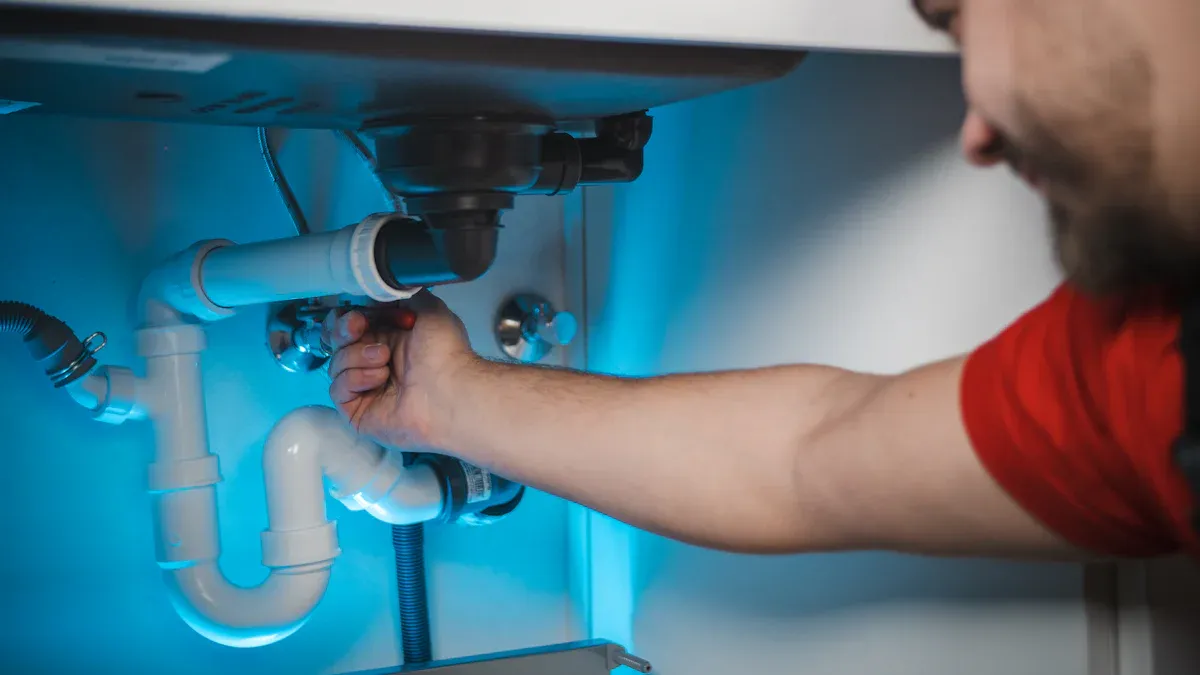
You can set up sewage equipment for success by following a few key steps. Start with proper site preparation. Excavate and level the ground to prevent runoff and make sure the equipment sits at the right depth. Install the septic tank with care so it separates solids from wastewater as designed. Lay out the drain field using perforated pipes. This helps treat wastewater and keeps you in line with local rules. Always hire a qualified professional. A skilled contractor knows how to meet regulations and avoid costly mistakes.
Common Pitfalls to Avoid
Many problems start during installation. Expanding wastewater in the tank can cause pump airlocking or even put workers at risk of poisoning. You need to vent the system correctly. Poor venting lets gases build up, which can damage equipment or harm people. Too many inlets to the pumping station make the design complex and can lead to breakdowns. Choose materials that resist chemicals. Weak materials corrode fast and fail early.
Tip: Careful planning and the right materials help you avoid most installation problems.
Planning for Ongoing Maintenance
A good maintenance plan keeps your sewage equipment running well for years. Set up a preventive maintenance program. Use maintenance management software to track when you need to check or service equipment. Inspect your system often to catch small problems before they grow. Keep detailed records of all maintenance work. Good documentation helps you spot patterns and plan for future needs.
Regular maintenance saves money and prevents unexpected breakdowns.
Final Sewage Equipment Checklist
Actionable Summary of All Steps
You can use this checklist to make sure you select the best sewage equipment for your facility:
-
Identify Your Needs
Write down the main tasks for your facility. List the type of wastewater and how much you need to treat each day. -
Check Regulatory Standards
Review local and national rules. Make sure your equipment meets all safety and environmental requirements. -
Understand Equipment Types
Learn about pumps, jetters, inspection cameras, treatment systems, and filtration options. Match each type to your needs. -
Assess Hydraulic Flexibility and Redundancy
Choose equipment that can handle changes in flow. Pick systems with backup options for critical processes. -
Ensure Compatibility
Confirm that new equipment works with your current control systems and layout. -
Evaluate Life-Cycle Costs
Look beyond the purchase price. Add up costs for energy, maintenance, and repairs over the equipment’s life. -
Consider Serviceability
Check if you can get spare parts easily. Find out if local support is available for repairs and maintenance. -
Request Performance Data
Ask vendors for operating data and proof of performance. Review this information before you decide.
Tip: A complete checklist helps you avoid mistakes and saves money in the long run. You can use it to compare options and make a confident choice.
You can print this checklist and use it during your selection process. This step-by-step approach keeps your facility safe, efficient, and compliant.
You can trust this checklist to help you choose the right sewage equipment. Use it for every decision. If you want extra confidence, reach out to experts. They can guide you with:
- Design and planning support
- Process optimization
- Maintenance strategies
- Technology evaluation
You will keep your facility safe and efficient.
FAQ
What is the most important factor when choosing sewage equipment?
You should focus on your facility’s needs first. Match equipment to your daily flow, waste type, and local rules for the best results.
How often should you maintain sewage equipment?
You should check and service your equipment every few months. Regular maintenance helps you avoid breakdowns and keeps your system safe.
Can you upgrade existing sewage systems with new equipment?
- Yes, you can upgrade most systems.
- Check compatibility with your current setup.
- Ask your supplier for advice before you buy.
See Also
Comparing EHEDG Guidelines With 3A SSI Standards For Hygiene
Essential Industrial Checkweighers For Every Food Processing Plant
Benefits Of Selecting A Self-Priming Water Pump System
Choosing Materials For Pressure Vessels Under ASME BPVC Guidelines
Understanding Tablet Sampling Machines: A Comprehensive Lab Guide