Before You Buy A Home Know This About Wastewater Treatment
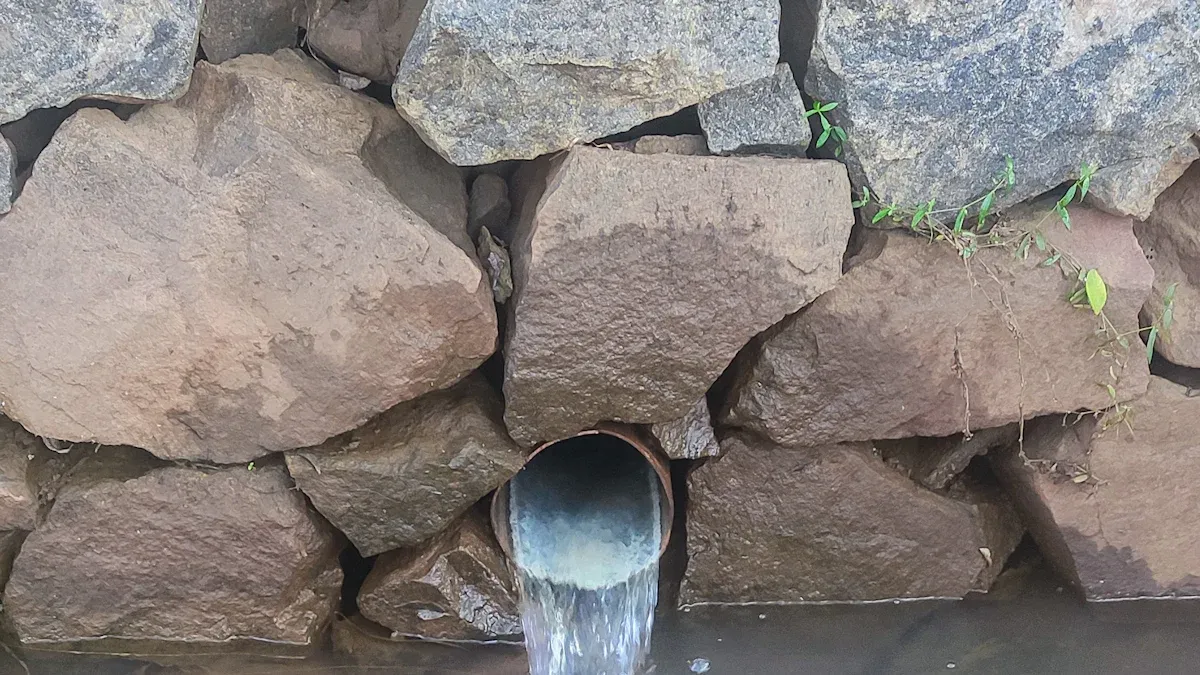
When you buy a home, you also buy its wastewater system. A septic system treats all wastewater on your property. This makes you fully responsible for its upkeep.
Note: The U.S. Environmental Protection Agency (EPA) estimates that around 10% of septic systems fail annually, highlighting the importance of proper maintenance.
Alternatively, a city sewer sends your wastewater through public pipes to a central wastewater treatment plant, managed by a utility you pay through regular bills.
Key Takeaways
- Homebuyers must know if a house has a septic system or a city sewer. Each system has different costs and responsibilities.
- Septic system owners manage their own wastewater treatment. They pay for all maintenance and repairs.
- City sewer users pay monthly bills. The city handles most wastewater treatment. Homeowners are still responsible for their sewer line to the street.
Septic vs. Sewer: How They Work and What You Own
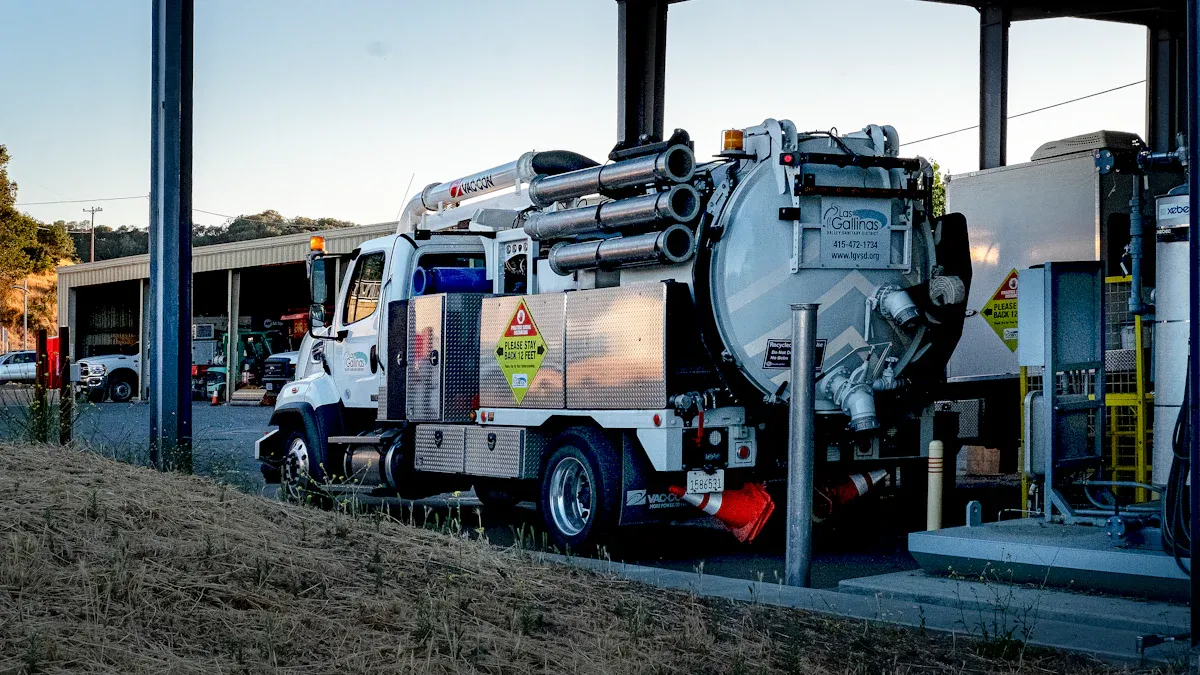
Understanding how your wastewater is treated starts with knowing the system you have. A septic system is a self-contained plant on your property. A city sewer connection makes you part of a large, public utility network. Each system has unique components and processes.
The On-Site Septic System
You own the entire septic system if your home has one. It is a small, efficient wastewater treatment facility buried right in your yard. A conventional system has three main parts that work together.
- Septic Tank: An underground, watertight container that holds wastewater from your home.
- Distribution Box: A small box that evenly sends liquid from the tank to the drainfield.
- Drainfield: A series of underground trenches that filter wastewater back into the soil.
Here is how the process works. All the water from your toilets, showers, and sinks flows into the septic tank. The tank holds this wastewater long enough for solids and liquids to separate. This separation creates three distinct layers:
- Scum: Greases, oils, and fats float to the top.
- Effluent: The middle layer is mostly clarified wastewater.
- Sludge: Heavier solid waste settles on the bottom.
Only the liquid effluent layer exits the tank. It flows into the drainfield, also called a leach field. The drainfield's job is to filter and disperse this liquid into the soil. The soil acts as a natural filter, removing harmful bacteria and viruses. This final treatment step protects groundwater and the environment. With proper care, a drainfield can last 20 to 30 years before needing a costly replacement.
Homebuyer Tip: 🏡 Not all land can support a conventional septic system. Properties with poor soil, high water tables, or limited space may need an alternative system. These can include mound systems, aerobic treatment units (ATUs), or drip irrigation systems, which often have higher installation and maintenance costs.
The City Sewer and Wastewater Treatment Plant
You are connected to a city sewer if you pay a monthly water or sewer bill to a utility. Your ownership ends where your home's plumbing, called the lateral line, connects to the public sewer main under the street. From there, the city or a utility takes over.
Your wastewater joins with waste from thousands of other homes. It travels through a large network of underground pipes to a central wastewater treatment plant. This facility uses a multi-stage process to clean the water before returning it to the environment.
The treatment process typically includes these stages:
- Primary Treatment: Wastewater first enters large tanks. Heavy solids settle to the bottom as sludge, while lighter scum is skimmed from the top. This stage removes about half of the solids.
- Secondary Treatment: The remaining liquid moves to aeration basins. Here, oxygen is pumped into the water to encourage good bacteria to consume the remaining organic waste and pollutants. This removes most of the remaining contaminants.
- Disinfection: Before release, the water is disinfected to kill any harmful pathogens. This is often done with chlorine or ultraviolet (UV) light.
After this rigorous process, the treated water is clean enough to be safely discharged into a local river, lake, or ocean. The entire operation of a wastewater treatment plant is regulated by the Environmental Protection Agency (EPA) under the Clean Water Act. These national rules ensure the discharged water does not harm public health or the environment.
Your Responsibilities and Costs

The financial and maintenance duties for your home's wastewater system depend entirely on whether you have a septic system or a city sewer connection. Owning a septic system makes you a plant operator, while a sewer connection makes you a utility customer with specific property obligations.
The Septic Homeowner's Role
As a septic homeowner, you own and manage a private wastewater facility. This independence comes with significant responsibility for maintenance, repairs, and replacement costs. Your diligence directly impacts your system's lifespan and your home's value.
Routine maintenance is the key to a healthy septic system. A professional should inspect your system at least every three years. Most households also need to pump their septic tank every three to five years. This service removes the accumulated sludge and scum, preventing clogs in the drainfield. The cost to pump a tank typically ranges from $289 to $557, with an average price around $423.
Your daily habits play a huge role in your system's health. You can protect your investment by following these essential practices:
- Conserve Water: Fix leaky faucets and toilets. Install water-saving fixtures. Less water entering the tank improves its efficiency and reduces strain on the drainfield.
- Protect Your Drainfield: Never park cars, build structures, or plant trees on the drainfield area. You should also direct gutters and surface water away from it to prevent saturation.
- Watch What You Flush: Your septic system is not a trash can. Only human waste and toilet paper should go down the drain.
Alert! ⚠️ Products That Harm Your Septic System Certain household products can kill the beneficial bacteria that break down waste in your tank. Avoid flushing or pouring these items down the drain:
- Chemical drain cleaners
- Grease, fats, and cooking oils
- Antibacterial soaps and cleaners
- Bleach and other harsh chemicals
- Powdered detergents with fillers
Ignoring maintenance can lead to system failure, which is a messy and expensive problem. A new conventional septic system installation can cost between $2,500 and $12,000. However, replacing a failed drainfield is far more costly, often running from $10,000 to $40,000 or more due to excavation and soil restoration needs. Watch for warning signs like slow drains, gurgling pipes, foul odors, or soggy spots in your yard.
Homebuyer Tip: 🏡 Before you buy, get a professional septic inspection. Many states and mortgage lenders require a certified inspection before a property transfer. This report will tell you the system's condition and if it has been recently pumped, protecting you from buying a home with a failing system.
The City Sewer Homeowner's Role
If your home connects to a city sewer, your responsibilities are different. You pay a monthly sewer bill to the local utility. This fee covers the cost of operating the public sewer mains and the central wastewater treatment plant. Your bill funds many things, including:
- Infrastructure maintenance (pipes, pumps, plants)
- Operational expenses like energy and materials
- Regulatory compliance with environmental laws
- Major capital improvement projects
Your primary physical responsibility is the sewer lateral. This is the pipe that runs from your house to the city's main sewer line under the street. You own this pipe and must pay for any repairs it needs. Common causes of lateral line blockages include:
- Tree roots growing into the pipe
- Flushing items like wipes, paper towels, or diapers
- Pouring fats, oils, and grease (FOG) down the drain
- Pipe collapse due to age or ground shifting
Repairing a sewer lateral can be expensive. Minor repairs might cost a few hundred dollars, but a full replacement can cost $55 to $250 per foot. Replacing a 30-foot section of pipe could easily cost $4,000 to $7,500, especially if it requires digging up your yard or the street.
The exact point where your responsibility ends and the city's begins can vary. The table below shows how different cities define this.
| City Example | Homeowner Responsibility |
|---|---|
| General Rule | The entire lateral line from the house to the main sewer connection. |
| Dallas, TX | The sewer lateral from the house to the property line. |
| Arlington, TX | The city may repair structural failures in the public right-of-way. |
| Richardson, TX | Blockages between the house and the two-way cleanout. |
Financial Tip: 💰 Standard homeowner's insurance usually does not cover sewer lateral repairs. Check with your insurance provider about adding a specific endorsement for water and sewer line coverage. You can also purchase a separate service line protection plan from a third-party company for peace of mind.
Choosing between a home with a septic system or a city sewer connection is a major decision. A septic system gives you independence from monthly bills, but you are responsible for all maintenance. A city sewer offers convenience, with a utility managing the wastewater treatment plant.
Did You Know? 💡 Appraisers often find no significant home value difference between the two systems. Your long-term septic maintenance costs may even be lower than paying monthly sewer fees.
Understanding these key differences in responsibility and cost helps you make an informed choice for your lifestyle.
FAQ
How do I know if a home has septic or sewer?
You can check for a monthly sewer bill. No bill often means you have a septic system. You can also ask the seller or review the property's public records.
Is a septic system bad for the environment?
A well-maintained septic system is safe. It treats wastewater effectively on your property. Poor maintenance, however, can cause pollution and harm local groundwater.
Which system is cheaper over time?
It depends. Septic systems have large repair costs but no monthly fees. City sewer has monthly bills and potential pipe repair costs. Your long-term expenses will vary.