Self-Watering Pots Vs. Drip Irrigation Systems
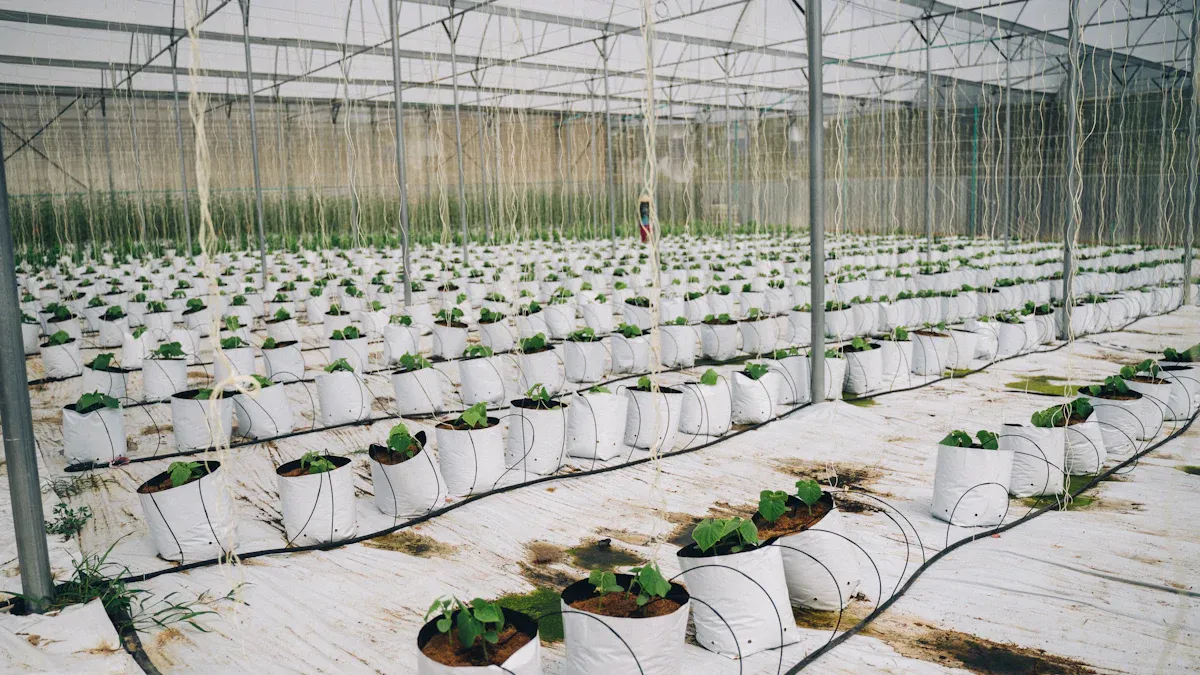
Watering your garden uses a significant amount of household water.
Outdoor irrigation can account for roughly 30% of an American family's daily water consumption.
Choosing the right water dispenser for plants helps you conserve this resource. Self-watering pots provide simple, consistent moisture for container plants. Drip irrigation offers efficient, targeted watering for larger garden beds.
Key Takeaways
- Self-watering pots are good for single plants. They keep plants moist. They are easy to use for indoor plants or small outdoor spaces.
- Drip irrigation systems are best for large gardens. They send water right to plant roots. This saves water and helps many plants grow well.
- Choose your watering system based on your garden size. Self-watering pots work for small areas. Drip irrigation works for big gardens.
What Are Self-Watering Pots?
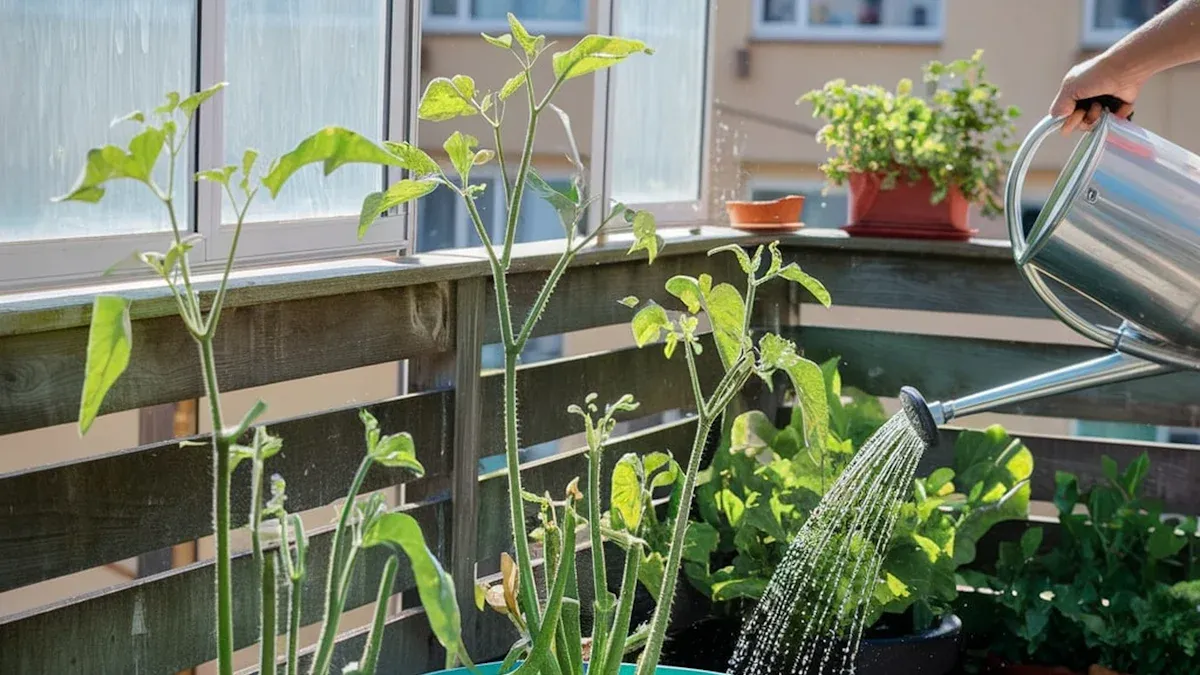
A self-watering pot is a clever water dispenser for plants that reduces your watering chores. These containers feature a built-in water reservoir at the bottom. This design separates the main potting soil from the stored water, giving your plants moisture without drowning their roots.
How the Reservoir and Wick System Works
Self-watering pots use a process called capillary action, or wicking. A wick, often made of cotton or felt, connects the water in the reservoir to the soil. The soil and plant roots then draw water upward as needed. This system keeps the soil consistently moist and aerated. Some designs use different mechanics. For example, one type uses a porous terracotta pot that absorbs water from a surrounding glass reservoir. Another modern design uses a 3D-printed structure to hold water, allowing the plant to drink from its roots.
Key Advantages
You gain several benefits when using self-watering pots. They provide a steady supply of moisture, which helps you avoid the common problems of over-watering and under-watering.
- Water Conservation: These pots deliver water directly to the roots. This process minimizes evaporation and can reduce your water usage by up to 50%.
- Healthier Plants: Consistent moisture encourages strong, deep root growth. It also helps prevent fungal diseases that thrive in overly wet conditions.
- Convenience: You fill the reservoir far less often than you would water a traditional pot.
Potential Drawbacks
While useful, these pots have some downsides. The biggest issue is the potential for salt buildup. In regular pots, watering flushes excess mineral salts from fertilizers out through the drainage hole. Self-watering pots do not have this flushing action, so salts can accumulate in the soil over time. This buildup can damage plant roots. Poorly designed pots can also keep the soil too wet, which reduces airflow and may lead to root rot.
Pro Tip: To prevent salt buildup, you should flush the soil with fresh water from the top at least once or twice a year. Let the water drain completely before you refill the reservoir.
What Is a Drip Irrigation System?
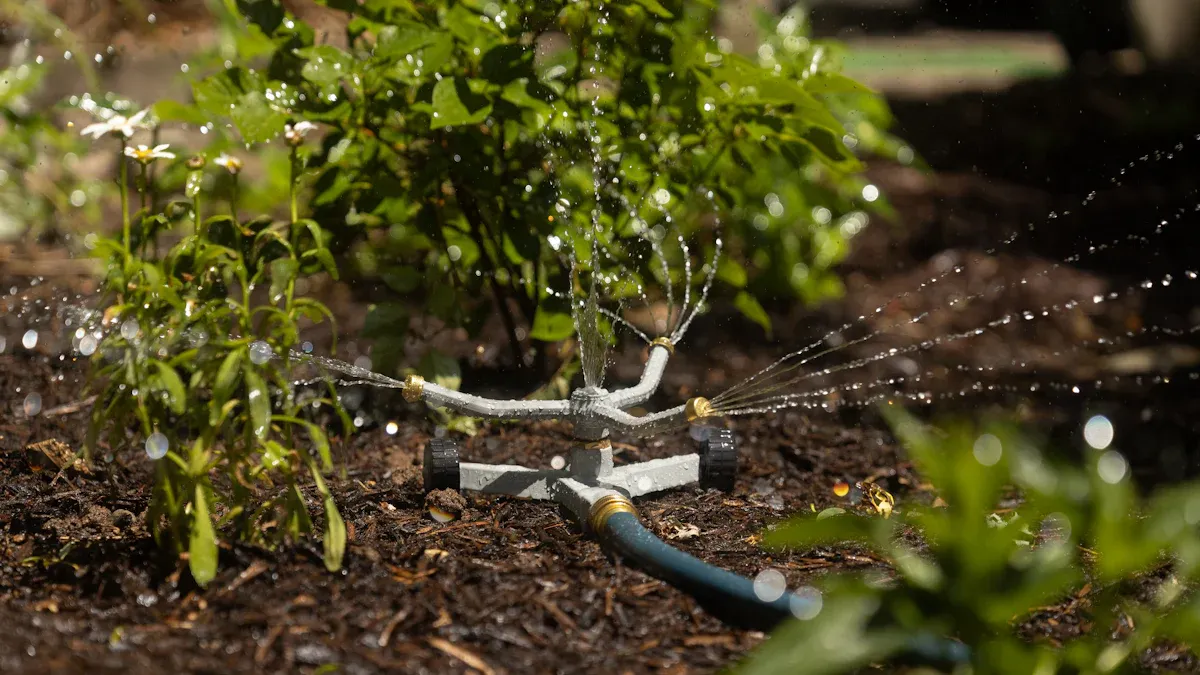
A drip irrigation system is a highly efficient water dispenser for plants that you can customize for your garden. It uses a network of tubes and small outlets to deliver water slowly and directly to the soil at the base of each plant. This method minimizes water waste and ensures your plants get the moisture they need right at their roots.
How Tubes and Emitters Deliver Water
A drip system connects to your outdoor faucet and uses several key parts to function correctly.
- Backflow Preventer: This device stops irrigation water from flowing back into your home's drinking water.
- Filter: A filter traps sediment and debris from the water, which is the best way to prevent clogging.
- Pressure Reducer: It lowers your home's water pressure to a level that is safe for the drip system components.
- Tubing: A main tube carries water to your garden beds, while smaller tubes branch off to reach individual plants.
- Emitters: These small devices release water drop by drop. Some advanced emitters are pressure-compensating, meaning they release the same amount of water even on sloped ground or over long distances.
Key Advantages
Drip irrigation offers precise control over your watering schedule. You can automate the system with a timer for ultimate convenience.
- Maximum Efficiency: By delivering water directly to the root zone, you can reduce water waste from evaporation and runoff by over 60%.
- Healthier Plants: Deep, consistent watering encourages strong root systems. It also keeps foliage dry, which helps prevent fungal diseases.
- Customization: You can place emitters exactly where you need them and choose flow rates based on each plant's specific needs.
Potential Drawbacks
Drip systems require more initial setup and have a few potential issues. The most common problem is clogging.
Emitters can become blocked by mineral deposits or small debris if you do not use a filter.
Animals like squirrels or rabbits may also chew on the plastic tubing, causing leaks. Finally, you must place emitters correctly to ensure the water reaches the entire root zone of your plants. Regular checks help you catch these issues early.
The Best Water Dispenser for Plants: Use Cases
Choosing the right watering system depends on your garden's size and your lifestyle. A self-watering pot is perfect for single plants. A drip irrigation system works best for large garden beds. Understanding the ideal scenarios for each will help you make the best choice.
Ideal Scenarios for Self-Watering Pots
You will find self-watering pots are extremely versatile for smaller-scale gardening. They offer a simple solution when you need to water individual plants consistently.
-
Indoor Plant Displays: You can use self-watering pots to brighten up your indoor spaces. They work well in homes, offices, and living rooms. Plants like peace lilies, spider plants, and African violets thrive with the steady moisture these pots provide. This improves your home's air quality and adds a touch of green.
-
Small Outdoor Spaces: These pots are perfect for balconies, patios, and decks. You can use rectangular self-watering planter boxes to maximize your growing area in narrow spaces. Railing planter boxes are another great option for compact setups. These containers are often made with UV-resistant materials to withstand outdoor conditions.
-
Vacations and Busy Schedules: A self-watering pot is an excellent water dispenser for plants if you travel often or have a busy schedule. A reservoir can keep your plants hydrated for one to four weeks. This feature gives you peace of mind and saves you from daily watering chores.
Busy homeowners and property managers love self-watering planters. They reduce watering frequency and keep plants healthy with minimal effort.
Ideal Scenarios for Drip Irrigation
You should choose drip irrigation when you need to water many plants across a larger area. This system offers efficiency and control for extensive gardens and landscapes.
-
Large Vegetable Gardens: Drip irrigation is the standard for commercial vegetable growers and is just as effective in your backyard. It is especially useful in regions with water restrictions or seasonal droughts. You can deliver water directly to high-value crops like tomatoes, peppers, and melons. This targeted approach leads to healthier plants and bigger harvests.
-
Foundation Plantings and Landscape Beds: You can easily customize a drip system for your landscape. For shrubs and trees, you can create a loop of tubing around the plant's base. You then insert emitters into the loop to deliver water evenly across the entire root zone. For dense ground cover, you can attach micro-sprayers to cover a wider area.
-
Commercial and Agricultural Use: This efficient water dispenser for plants is used widely in large-scale agriculture. Farmers use it for many crops, including:
- Onions
- Lettuce
- Grapes
- Cotton
- Poplar trees
You will also find drip systems in greenhouses, indoor farms, and commercial nurseries. Its precision makes it the top choice for professional growing operations.
Cost Comparison: Upfront vs. Long-Term
Your budget is a major factor when choosing a watering system. You should consider both the initial purchase price and the long-term expenses. Self-watering pots have a simple upfront cost per unit. Drip irrigation requires a larger initial investment but can save you more money over time.
The Initial Cost of Self-Watering Pots
The price of a self-watering pot depends on its size, material, and design. You can find basic plastic pots for a low price. Designer pots made from ceramic or other premium materials will cost more.
- Glazed ceramic pots are often the most expensive option.
- Terra cotta pots typically cost more than plastic or fabric pots.
- You can buy 20 plastic pots for much less than the cost of 20 ceramic pots.
The material and brand create a wide price range. A simple plastic planter might be affordable, while a stylish ceramic one is a bigger investment.
| Pot Type | Material | Price (approx.) |
|---|---|---|
| Tendril Self-Watering System | Ceramic | $99 |
| Eva Solo Self-Watering Pot | Glass and Ceramic | $80 |
| LECHUZA Cubico Planter | High-Quality Plastic | Starting at $50 |
If you only need a few containers for a patio or indoor display, the cost is manageable. However, the price can add up quickly if you need to outfit a large area with many individual pots.
The Initial Investment for Drip Irrigation
A drip irrigation system requires a higher upfront investment than a few self-watering pots. You purchase the components as a kit or individually. For a 100-square-foot garden, you can expect a DIY starter kit to cost between $30 and $100.
This initial cost covers the essential parts. However, the long-term savings on your water bill can be significant.
Drip irrigation systems can reduce your water costs by up to 80% compared to traditional sprinklers. This efficiency leads to lower operating costs over the life of the system.
Investing in higher-quality parts will increase your initial cost but saves you money in the long run. Better components last longer and require fewer repairs. This reduces your future maintenance expenses. If a part does break, individual replacements are generally affordable.
| Part | Typical Price |
|---|---|
| Adapter | $3.50 – $9.50 |
| Backflow preventer | $4 – $6 |
| Drip tubing (per roll) | $15 – $34 |
| Drippers/emitters (10 pack) | $3 – $11 |
| Pressure regulator | $7 – $20 |
| Smart sensors | $25 – $100 |
Ultimately, a drip system's cost is an investment in efficiency and water conservation. While the upfront price is higher, the long-term savings on water and replacement parts often make it the more economical choice for large gardens.
Installation and Upkeep
The ease of setup and maintenance differs greatly between these two systems. You will find self-watering pots are simple to prepare. A drip irrigation system requires more planning and assembly.
Setting Up Your Self-Watering Pot
You can set up a self-watering pot in minutes. First, you add the potting mix to the main chamber. Next, you place your plant inside. Finally, you fill the reservoir with water. The pot immediately starts wicking moisture to the soil. It is a straightforward process that requires no special tools or technical skills.
Installing a Drip Irrigation System
You will need more time and a few tools to install a drip irrigation system. Basic tools like scissors and an adjustable wrench are usually enough. The installation follows a clear plan.
- Plan Your Layout: You should first map out your garden. Decide where the tubing will run and which plants need water.
- Connect to Water: Attach a backflow preventer, filter, and pressure regulator to your outdoor faucet. Then, connect the main tubing.
- Run the Tubing: Lay the main tube from the faucet to your garden beds. Use tee fittings to create branches for different rows or areas.
- Install Emitters: Punch holes in the tubing near each plant. You can then attach emitters directly or use smaller feeder lines to reach the plant's base.
- Test the System: Turn on the water to check for leaks. You can adjust emitter placement to ensure every plant gets enough water.
Long-Term Maintenance Needs
Long-term upkeep for self-watering pots is minimal. You just need to flush the soil with water from the top once or twice a year to prevent salt buildup.
Drip irrigation systems require more attention to keep them running smoothly. You must clean filters and flush lines to prevent clogs.
| Component | Maintenance Task | Frequency |
|---|---|---|
| Filters | Clean and flush | Before each long watering |
| Lateral Lines | Flush to remove debris | Every 2-3 weeks |
| Full System | Acid or chlorine treatment | 1-2 times per season |
In cold climates, you must winterize your drip system. Shut off the water, drain all components, and use compressed air to blow out the lines. Store the faucet assembly indoors to prevent freeze damage.
Which Plants Prefer Each System?
You should choose your watering system based on the types of plants you want to grow. Some plants love the steady moisture of a self-watering pot. Others need the targeted delivery of a drip irrigation system.
Best Plants for Self-Watering Pots
You will find that plants that prefer consistently moist soil do very well in self-watering pots. These containers are perfect for many popular houseplants and small edibles.
- Thirsty Houseplants: Plants like African violets and purple waffle plants flourish in these pots. They prefer conditions that are not too wet or too dry. The wicking system provides the perfect balance of moisture.
- Herbs and Small Vegetables: You can create a mini garden on your deck or patio. These planters are versatile enough for you to grow flowers, herbs, and even lettuce in a limited space.
Many gardeners use these pots to grow fresh herbs. An extra planter can provide you with even more healthy ingredients for your kitchen.
Best Plants for Drip Irrigation
You can use drip irrigation for a wide variety of plants in larger gardens and landscapes. The system is especially effective for vegetable crops and hardy ornamental plants. It delivers water directly to the roots, which reduces disease and improves plant health. You can see how it boosts vegetable crops in the table below.
| Crop Type | Benefits from Drip Irrigation |
|---|---|
| Tomatoes, Peppers | Consistent moisture reduces stress and improves fruit quality. |
| Root Crops | Prevents splitting and irregular growth. |
| Onions, Garlic | Keeps the bulb area dry to prevent fungal diseases. |
Drip systems are also ideal for landscape beds. You can use them to water low-water native perennials, sometimes labeled as Plant Select® plants. These hardy plants require minimal water once established, and a drip system gives them exactly what they need without watering nearby weeds.
You can now choose the best system for your garden. For smaller, contained areas like a patio, you should select self-watering pots for their simplicity. For larger gardens, you should opt for a drip irrigation system to efficiently water many plants. Both methods help you save water and grow healthier plants.
FAQ
Which system saves more water?
Drip irrigation is more efficient. It delivers water directly to the roots, minimizing evaporation. You can reduce water waste by over 60% with a drip system.
Which system is better for preventing root rot?
Drip irrigation offers better control. You can set precise watering schedules. This prevents the consistently wet soil that often causes root rot in poorly designed self-watering pots.