Seed X Ray Machine Tech Is Changing Farming in 2025
A seed x ray machine offers a modern approach to quality analysis. It provides a non-destructive, detailed view of seed health.
- X-Ray Analysis: Reveals internal quality and predicts viability in minutes.
- Germination Tests: Confirm a seed's ability to grow over several weeks.
Speed vs. Certainty: The Core Trade-Off
Choosing a seed analysis method involves a fundamental trade-off between immediate data and proven results. Both X-ray analysis and germination testing offer critical information, but they serve different operational needs.
X-Ray Analysis: Instant Internal Insight
X-ray analysis gives seed professionals a rapid, non-destructive look inside a seed. This technology reveals the internal morphology that determines a seed's potential for success or failure. An advanced seed x ray machine can identify key indicators of quality.
- Integrity of the embryo
- Distribution and condition of the endosperm
- Mechanical damage or cracks
- Internal insect infestations
This level of detail allows for incredibly fast sorting and decision-making. The efficiency gains are significant when compared to older methods. Modern automated systems dramatically increase throughput, enabling large-scale quality control.
| Method | Seeds per Hour |
|---|---|
| Manual Radiography | 1,200 |
| Modern X-ray Machine | 15,000 - 20,000 |
Germination Testing: The Gold Standard for Growth
Germination testing remains the definitive method for confirming viability. It answers the one question X-rays cannot: will the seed actually sprout and grow under favorable conditions? This process involves placing seeds in a controlled environment and waiting for them to germinate over days or weeks.
Note: While X-ray analysis predicts a seed's potential based on its internal structure, germination testing provides absolute certainty of its physiological ability to grow.
The test's primary drawback is time. The long wait makes it impractical for quick operational adjustments on the processing line. However, its results are essential for regulatory compliance and providing a final guarantee of lot quality.
Comparing Key Metrics: Accuracy, Cost, and Labor
When evaluating seed analysis methods, decision-makers must weigh accuracy, long-term cost, and labor efficiency. While germination tests provide a simple pass/fail result, X-ray technology offers a more nuanced and operationally valuable dataset.
Accuracy and Reliability
X-ray analysis provides exceptional accuracy in identifying the physical and morphological integrity of a seed. This technology allows operators to pinpoint specific internal defects that directly impact viability. Studies show that physical issues like mechanical damage can reduce maize seedling length by 24% and biomass by 65%. Similarly, insect damage is a major concern, reducing chestnut seedling growth by 50%. X-ray imaging excels at detecting these problems before they affect a crop.
Recent advancements pair 2D X-ray imaging with deep learning algorithms. This combination automates the detection of common defects, offering a rapid and reliable method for physical seed analysis. For example, research on faba beans and sugar beets demonstrates how these systems can achieve high performance in identifying insect damage, mechanical cracks, and other abnormalities.
The data below illustrates the technical precision involved in classifying different seed types and conditions using X-ray analysis.
| Species | Seed Class | #Seeds | %Seeds | Voltage (kV) | Exposure time (s) |
|---|---|---|---|---|---|
| Faba bean | Damaged | 2908 | 59.9 | 25 | 19 |
| Undamaged | 1946 | 40.1 | 25 | 19 | |
| Sugar beet | Multigerm | 1046 | 13.0 | 20 | 1 |
| Full monogerm | 5852 | 72.6 | 20 | 1 | |
| Empty | 1164 | 14.4 | 20 | 1 |
While a germination test reliably confirms if a seed can grow, it does not explain why a seed fails. X-ray analysis fills this gap by providing a clear diagnosis of the underlying structural cause.
Cost-Effectiveness Over Time
The initial investment for a seed x ray machine is higher than the equipment needed for traditional germination testing. However, its long-term return on investment (ROI) presents a compelling financial case for seed producers. The primary value comes from enhanced operational efficiency and waste reduction.
By identifying defective seeds early, producers can avoid investing resources—such as coatings, treatments, and packaging—into non-viable products. This front-end quality control prevents entire batches from being downgraded or rejected later, saving significant costs.
A Strategic Investment: Viewing X-ray technology as a capital expense rather than an operational cost is key. It protects brand reputation, ensures premium product quality, and minimizes costly losses from failed seed lots.
Ultimately, the ability to guarantee a higher standard of quality allows companies to command better prices and build stronger trust with growers.
Labor and Scalability
X-ray analysis significantly reduces the need for specialized labor and offers unmatched scalability. Modern systems are designed for ease of use, allowing technicians to become proficient with minimal training. This contrasts sharply with other methods.
- X-Ray Machine Operation: Technological advancements have simplified operation. Technicians can be trained easily to produce consistent and interpretable results.
- Germination & Tetrazolium Tests: These procedures require analysts with considerable skill and experience. Success is highly dependent on the operator's expertise, making it difficult to scale.
While not a direct comparison, data from other screening industries illustrates the labor efficiency of X-ray systems. The time required per task is often minimal, enabling high throughput.
| Analysis Type (Illustrative Example) | Labor Requirement (person-hours) |
|---|---|
| X-ray screening (per person) | 0.42 |
| Tuberculin Skin Test (TST) reading (per positive result) | 26.7 |
The true advantage of X-ray technology lies in its integration with automated processing lines. Advanced systems like 'phenoScort' combine 2D X-ray with 3D sensors to sort seeds based on both internal and external quality. These integrated solutions offer powerful capabilities for large-scale operations.
- They can process approximately 300,000 objects per minute in industrial settings.
- Multi-lane inspection increases throughput dramatically.
- Automatic rejection systems remove defective seeds without human intervention.
This level of automation makes X-ray analysis the superior choice for high-volume seed producers who need to maintain strict quality control at scale.
How a Seed X Ray Machine Boosts Efficiency
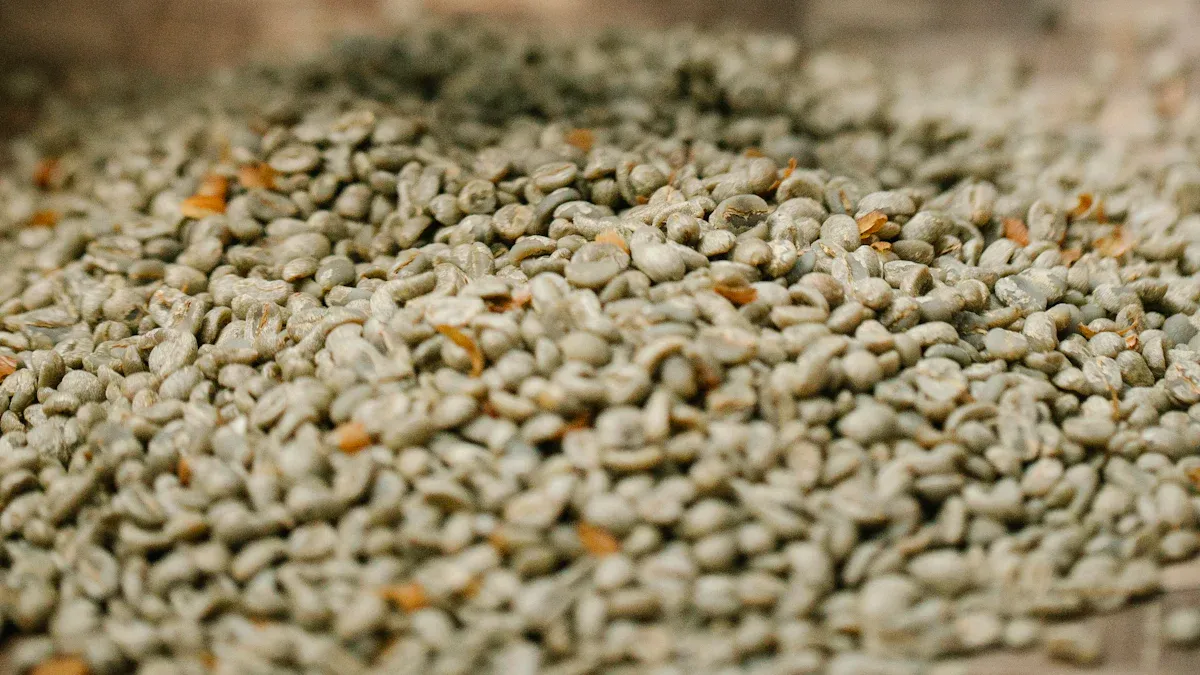
A seed x ray machine delivers powerful efficiency gains across the agricultural supply chain. It empowers both seed companies and farmers to make smarter, data-driven decisions that reduce waste and improve outcomes. The technology moves quality control from a reactive process to a proactive strategy.
For Seed Producers and Processors
For seed companies, X-ray analysis directly translates to lower costs and higher-value products. The technology allows for rapid and accurate assessment of internal seed morphology. Producers can identify and remove seeds with defects like insect damage or mechanical injuries before processing. This early detection prevents investment in storing and treating non-viable seeds, significantly cutting operational expenses.
Companies are already leveraging this advantage to create premium products.
- Incotec is developing automated systems to upgrade tomato seed lots, ensuring a higher percentage of usable seedlings.
- Firms like PhenoLytics offer high-throughput 3D X-ray services for objective quality control during seed processing.
- System providers such as KUBTEC Scientific deliver tools that analyze seed count, size, and fill percentage with precision.
This capability allows producers to sort seeds into distinct quality tiers, guaranteeing performance and commanding higher prices for premium lots.
For Farmers and Growers
The benefits of advanced seed analysis extend directly to the field. Farmers who plant seeds vetted by X-ray technology receive a more reliable and uniform product. This improved quality assurance leads to better, more predictable crop establishment.
The Grower's Advantage: Higher quality seed lots result in superior germination rates and more uniform plant stands. This uniformity is critical for maximizing yield and simplifying crop management, from planting to harvest.
Ultimately, growers can plant with greater confidence. They know the seeds have been internally inspected for the structural integrity needed for vigorous growth. This reliability is a cornerstone of modern precision farming, where predictable performance is essential for success.
Practical Applications in Modern Agriculture
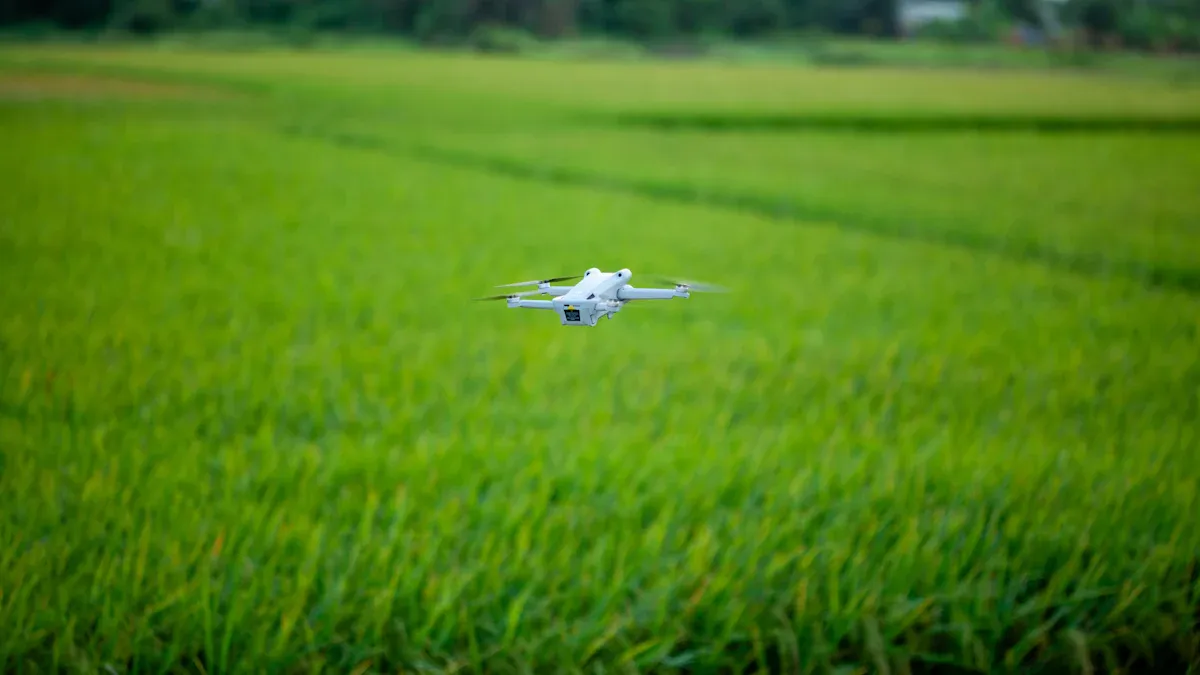
X-ray technology is creating tangible benefits across the agricultural landscape. It provides actionable data that enhances quality control, informs sowing strategies, and powers the next generation of precision farming. This shift allows the industry to move from reactive problem-solving to proactive quality assurance.
Enhancing Quality Control
A seed x ray machine revolutionizes quality control by revealing hidden defects that visual inspections miss. Companies like Wipotec already use X-ray systems to inspect products like sunflower seeds, ensuring only the best items reach the market. This technology provides a deep look inside each seed.
A Deeper Look: X-ray analysis objectifies quality assessment by identifying and classifying internal issues that directly impact viability.
Operators can detect numerous problems non-destructively:
- Internal insect infestation or damage
- Cracked seed coats and mechanical injuries
- Shrunken or incomplete tissues
- Absence of a viable embryo or endosperm
This detailed analysis allows producers to remove compromised seeds early, guaranteeing a higher-quality final product.
Improving Sowing Decisions
Better seed quality directly leads to smarter sowing decisions in the field. X-ray analysis predicts future problems, such as poor germination or abnormal seedling development, by identifying internal defects beforehand. When farmers plant seeds verified by this technology, they can expect more reliable performance. Higher seed vigor results in rapid, uniform emergence across a wide range of field conditions. This predictability reduces the risk of crop failure and eliminates the need for costly replanting, giving growers a significant advantage.
Driving Precision Farming
Precision farming depends on uniformity and predictability, two areas where X-ray analysis excels. Uniform crop emergence and growth are essential for optimizing automated practices like targeted irrigation, fertilization, and harvesting. By ensuring each seed has the internal integrity for strong development, X-ray technology helps create the consistent plant stands that precision systems require. This data-driven approach to seed selection provides the reliable foundation needed to maximize yield and resource efficiency in modern agricultural operations.
Seed X-ray technology is the superior choice for rapid, large-scale quality assessment and operational efficiency. Traditional germination tests remain essential for regulatory compliance and confirming physiological viability.
The Optimal Strategy: An effective approach combines both methods. It uses X-ray analysis for immediate quality control and germination tests for final validation.
FAQ
Is X-ray analysis safe for seeds?
Yes. The process uses a very low radiation dose. It does not damage the seed's DNA or affect its future growth, making it a completely non-destructive analysis method.
Can X-ray technology completely replace germination tests?
No. X-ray analysis provides rapid internal quality assessment. Germination tests remain the standard for confirming physiological viability and meeting regulatory requirements. The two methods work best together.
What types of seeds can an X-ray machine analyze?
The technology is highly versatile. It analyzes a wide range of seeds, from small vegetable and flower seeds to large grains like corn, beans, and cereals.
See Also
Discovering Top Chinese Suppliers for Advanced X-Ray Inspection Technology
Unveiling Key Advantages of Commercial Heat Exchangers for 2025
Boosting Pharma Efficiency with Advanced Capsule Decapsulation Machine Innovations
Innovative Materials Transforming the Future of Heat Exchanger Manufacturing
Essential Industrial Checkweighers: A Must-Have for Every Food Processing Plant