Unlocking the benefits of X-ray machines in modern seed testing
Seed x ray machines increase accuracy in seed testing by over 95%. Professionals now rely on advanced imaging systems to detect internal defects in seconds. AI-powered solutions, like modern optical sorters, replace manual inspection with rapid, non-destructive analysis. Experts achieve better results by following practical steps for setup and operation.
What is seed x ray machine testingDefinition and purpose
Seed x ray machine testing refers to the use of advanced imaging systems to evaluate the internal quality of seeds. These machines help researchers and agricultural professionals inspect seeds without causing any damage. The main goal is to identify defects, measure seed health, and improve crop yields. Modern systems, such as XSEED imaging, offer high-resolution images and support plant health research. They provide several advantages over traditional methods.
XSEED imaging systems are designed for advanced seed analysis and plant health research.
They deliver high-resolution X-ray images to evaluate seed quality, which is important for maximizing germination and increasing yields.
These systems allow for non-destructive testing, making the process faster and more efficient.
Lab-based X-ray microscopy (XRM) also plays a key role in seed testing. It helps scientists study 3D seed morphology and internal structures in a single scan. This technology reveals details like seed coat thickness and cellular traits. Traditional 2D methods cannot capture these features. XRM improves understanding of seed structure and development, which supports breeding programs and helps improve seed quality and crop performance.
How it works
A seed x ray machine follows a series of steps to analyze seeds. Each step ensures accurate and reliable results.
Sample Preparation: Technicians arrange seeds for imaging.
Image Normalization: The system adjusts radiographs to a consistent grey-scale level.
Single Grain Segmentation: The machine detects individual grains using blob-analysis and morphological techniques.
Image Treatment: The system processes images to highlight features related to grain quality.
Feature Extraction: The machine identifies and measures key characteristics from the images.
Result Analysis: Experts interpret the data to assess grain quality traits.
These steps allow professionals to quickly and accurately evaluate seeds. The process supports better decision-making in seed selection and crop management.
Using a seed x ray machine
Preparing seeds
Proper preparation of seeds is essential for achieving high image quality during x-ray imaging. Technicians follow specific protocols to ensure that each seed is ready for analysis. The process depends on the type and maturity of the seed.
For fresh or immature seeds, chemical fixation and dehydration help preserve internal structures. A common method uses a 2% glutaraldehyde solution in a 25 mM PIPES buffer. Seeds remain in this solution for two hours at room temperature or overnight at 4°C.
After fixation, technicians dehydrate seeds by placing them in increasing concentrations of ethanol: 30%, 50%, 70%, 95%, and 100%. Each step lasts at least 20 minutes at room temperature.
For mature seeds, hydration is important. Soaking seeds in ultrapure water for eight hours or overnight prepares them for cryo-sectioning. Flash freezing in liquid nitrogen follows this step.
These steps help maintain the integrity of the seed and improve the clarity of x-ray images. Careful preparation reduces the risk of artifacts and ensures accurate detection of seed defects.
Operating the machine
Operating a seed x ray machine involves several key steps. Technicians must follow the manufacturer’s guidelines for setup and calibration. The Raymantech AI Standard Optical Sorter provides an example of advanced technology in this field. This machine integrates AI and multi-spectral imaging to enhance accuracy and reliability.
Feature | Description |
|---|---|
Technology | Integrates advanced AI and multispectral imaging technology. |
Defect Detection | Detects a wide range of defects including hair, mold, cracks, and insect damage. |
Sorting Accuracy | Achieves up to 99.9% sorting accuracy when properly configured and maintained. |
Quality Assurance | Works alongside bulk X-ray inspection systems to identify both surface-level and internal defects. |
Technicians load the prepared seeds onto the imaging tray or conveyor. The machine scans each seed using x-ray technology. The AI system analyzes the data in real time, identifying both surface and internal issues. Multi-spectral cameras evaluate color, shape, size, and texture, which supports comprehensive quality control.
Interpreting images
Interpreting x-ray images requires attention to detail and knowledge of seed anatomy. High-resolution x-ray imaging allows for non-destructive visualization of internal seed structures. This method reveals the embryo, endosperm, and other important features.
Technicians assess seed quality by examining the integrity of the embryo and the distribution of the endosperm.
Early detection of abnormalities, such as cracks or insect damage, helps predict germination potential and seedling vigor.
X-ray imaging also identifies mechanical damage and infestations, allowing for proactive management of seed quality.
By reviewing these images, professionals can make informed decisions about seed selection and processing.
Managing results
Managing results from a seed x ray machine involves organizing, analyzing, and storing data. Technicians record findings in digital databases for easy retrieval and comparison. The Raymantech AI Standard Optical Sorter streamlines this process by providing automated reports and quality metrics.
Tip: Consistent documentation of results supports traceability and helps track improvements in seed quality over time.
Teams use the data to adjust sorting parameters, improve future batches, and share insights with researchers or production managers. Effective result management ensures that only high-quality seeds move forward in the supply chain.
Advances in x-ray imaging for seeds
3D X-ray and XRF techniques
Recent years have seen major progress in 3D x-ray imaging and X-ray fluorescence (XRF) techniques for seed analysis. Scientists now use laboratory micro XRF spectrometers to map elements inside seeds with high resolution. These instruments help researchers see where nutrients and minerals are located within each seed. High-resolution elemental imaging also allows experts to study large and hydrated samples, such as whole plants, without damaging them. This technology provides valuable data for improving product consistency and understanding how crops absorb elements.
The table below highlights some key advancements in 3D x-ray and XRF techniques:
Advancement | Description | Implications |
|---|---|---|
Development of laboratory micro XRF (µXRF) | High-resolution elemental mapping and imaging of element localization | Enhances agricultural productivity, food safety, and nutritional quality |
High-resolution elemental imaging | Analysis of large and hydrated samples, including intact plants | Improves product consistency and understanding of elemental uptake in crops |
Accessibility of µXRF technology | More accessible for agricultural science | Opens new applications and novel uses in food and agricultural sciences |
These improvements in x-ray imaging help professionals detect seed defects and study internal structures with greater accuracy. Researchers can now analyze seeds in three dimensions, which leads to better understanding of seed health and quality.
AI integration in imaging
Artificial intelligence has transformed x-ray imaging in seed testing. AI-powered systems can process thousands of x-ray images quickly and accurately. These systems use advanced algorithms to identify seed defects, such as cracks, mold, and insect damage. AI also helps sort seeds by evaluating color, shape, size, and texture.
Raymantech’s AI Standard Optical Sorter stands out as a leading example. This machine uses multi-spectral cameras and AI to improve image quality and sorting precision. The sorter can detect even tiny impurities and remove them from the batch. Its real-time analysis ensures that only the best seeds move forward in the supply chain. AI integration reduces human error and speeds up the testing process.
Note: AI-powered x-ray imaging systems allow for non-destructive analysis, which preserves seed samples for further research or planting.
Portable solutions
Portable x-ray imaging solutions have made seed testing more flexible and accessible. Small labs and field researchers can now use compact machines to analyze seeds on-site. These portable devices offer high image quality and advanced features, even in limited spaces.
The table below shows some popular portable x-ray models for seed testing:
Model | Description | Features |
|---|---|---|
XSEED mini | Economical benchtop solution for labs with limited space | Ideal for small labs, compact design |
XSEED | Standard model with advanced imaging capabilities | Image Blender™ for combining x-ray and optical images, suitable for various seed assessments |
XSEED Plus | High-end model with superior image quality | Detailed imaging of seed cracks, voids, and infestations, best for comprehensive seed analysis |
Portable x-ray imaging systems help professionals detect seed defects quickly and efficiently. These solutions support early detection of problems and improve decision-making in seed selection.
Raymantech’s AI Standard Optical Sorter also integrates seamlessly into existing production lines, offering flexible configurations for both large and small operations. Its robust design ensures reliable performance, even in high-dust environments.
Benefits of x-ray imaging in seed testing
Speed and efficiency
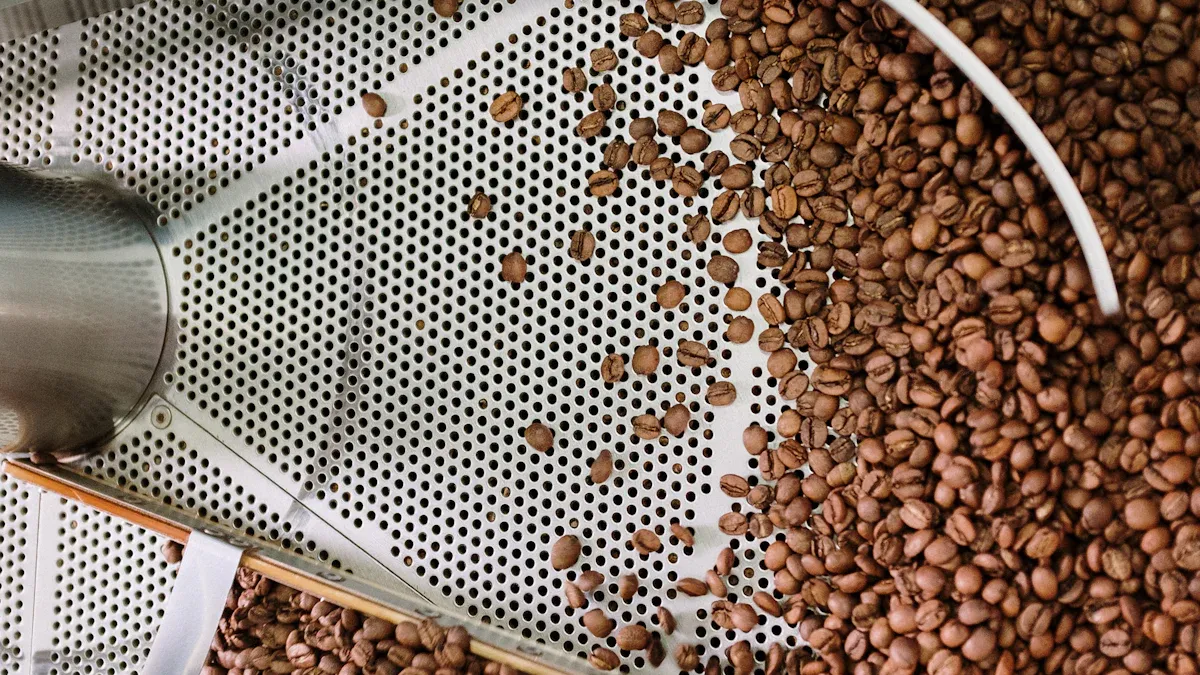
X-ray imaging has transformed seed testing by increasing speed and efficiency. Technicians can scan hundreds of seeds in minutes. Traditional methods often require cutting seeds and performing detailed histological analyses. X-ray microscopy allows for non-destructive imaging and captures 3D structures quickly. This approach eliminates labor-intensive steps and provides a comprehensive view of internal seed features. Seed labs now process larger batches with less effort, improving productivity and reducing turnaround times.
Accuracy and reliability
Modern seed x ray machine technology delivers highly accurate and reliable results. High-resolution x-ray images reveal internal seed anatomy, including the embryo and endosperm. These details help predict germination rates and seedling vigor. Recent advancements in x-ray imaging have introduced fast, non-destructive methods for assessing seed quality.
Recent advancements in high-resolution X-ray imaging have introduced a non-destructive, fast, and highly accurate method for assessing seed quality. Unlike traditional methods, X-ray imaging allows for the visualization of internal seed structures in seconds without harming the seed. This method can reveal key information about the seed’s internal anatomy, such as the integrity of the embryo and the distribution of endosperm, which are critical for predicting germination potential and overall seedling vigor.
Technicians rely on these systems to detect seed defects and ensure only healthy seeds move forward in the supply chain.
Non-destructive analysis
X-ray imaging supports non-destructive analysis, preserving each seed for further research or planting. The process does not damage the seed, so researchers can use the same sample for multiple tests. This advantage is important for breeding programs and quality control. Non-destructive methods also help maintain sample integrity, which leads to more reliable results.
Early issue detection
Early detection of seed defects is possible with advanced x-ray imaging. Technicians identify problems such as cracks, mold, or insect damage before seeds enter production. Early issue detection helps prevent crop losses and improves overall yield. X-ray images provide clear views of internal structures, making it easier to spot defects that might go unnoticed with manual inspection. High image quality ensures that even tiny imperfections are visible, supporting better decision-making in seed selection.
Benefit | Description |
|---|---|
Speed and efficiency | Rapid scanning and processing of large batches |
Accuracy and reliability | Precise detection of seed defects and anatomy |
Non-destructive analysis | Preserves seed samples for further use |
Early issue detection | Identifies problems before planting |
Best practices and considerations
Safety guidelines
Operators must follow strict safety protocols when working with seed x-ray machines. They should wear protective gear, such as lead aprons and gloves, to reduce exposure to radiation. Facilities must install warning signs near the equipment. Only trained personnel should enter the testing area during operation. Regular safety checks help prevent accidents and ensure a secure environment.
Training needs
Staff members need thorough training before using seed x-ray machines. Training programs should cover machine operation, image interpretation, and emergency procedures. Technicians learn how to prepare seeds for imaging and how to identify a defect in the scanned images. Supervisors monitor staff performance and provide refresher courses as technology evolves.
Tip: Ongoing education keeps teams updated on new features and best practices.
Maintenance and calibration
Routine maintenance ensures that seed x-ray machines deliver reliable results. Facilities should clean the equipment regularly and inspect moving parts for wear. Validation studies tailored to each facility’s operating conditions help maintain consistent performance. As production lines or product specifications change, periodic revalidation of x-ray systems becomes necessary to preserve accuracy and effectiveness.
Clean imaging trays and sensors after each use.
Inspect cables and connections weekly.
Schedule professional calibration every six months.
Conduct validation studies for new seed types or changes in workflow.
Revalidate systems when production conditions change.
Limitations and troubleshooting
Seed x-ray machines may encounter issues such as unclear images or software errors. Technicians should check for proper seed placement and verify that the imaging tray is clean. If the machine fails to detect a defect, staff should recalibrate the system and review the training materials. Facilities keep troubleshooting guides on hand to resolve common problems quickly.
Common Issue | Solution |
|---|---|
Blurry images | Clean tray, adjust settings |
Software error | Restart system, update software |
Missed defect | Recalibrate, retrain staff |
Regular attention to these best practices helps maintain high standards in seed testing and supports reliable results.
Real-world applications
Case studies
Seed laboratories have adopted advanced X-ray and optical sorting machines to improve their testing processes. One facility in California introduced Raymantech’s AI Standard Optical Sorter to handle high-volume nut and seed batches. The sorter’s AI-powered system detected tiny impurities, such as hair and fine strings, that manual inspection missed. Technicians reported faster turnaround times and more consistent results.
Another seed company used multi-spectral imaging to analyze beans and chili peppers. The team observed a reduction in false rejects, which increased the number of saleable products. The machine’s real-time defect logging helped staff track quality issues and prevent recalls. Researchers noted that the system maintained stable performance, even in dusty environments.
Seed labs now rely on automated sorting to meet strict food safety standards. The technology supports HACCP plans by documenting contaminant removal and providing photo evidence for every batch.
Industry testimonials
Professionals in the agricultural sector have shared positive feedback about X-ray and optical sorting technology. Operators appreciate the labor savings, as one person can oversee a line that processes up to 60,000 pounds per hour. Managers value the uniform grade output, which meets USDA and retail specifications every time.
A table below summarizes the business impacts reported by seed companies after adopting these technologies:
Business Impact | Quantified Gain |
|---|---|
Yield Recovery | Up to 3–5% more saleable nuts; false rejects < 0.5% |
Labor Savings | Replaces 8–12 manual sorters per shift |
Contaminant Removal | 99.9% detection of glass, metal, stones |
Grade Consistency | Uniform output meets USDA and retail specs |
Recall Prevention | Real-time defect logging and photo evidence |
Energy Efficiency | 40% lower energy use than older sorters |
Raymantech’s AI Standard Optical Sorter has become a trusted solution for many businesses. Users highlight its ability to sort multiple grades in one pass and its easy integration into existing production lines. The technology helps companies deliver safer, higher-quality seeds to the market.
Seed x-ray machines deliver fast, accurate, and non-destructive analysis for seed testing. Industry leaders invest in AI and optical sorting technologies to improve efficiency and meet agricultural needs. The market shows strong growth as companies focus on sustainability and advanced detection. Professionals can benefit from exploring modern X-ray and optical sorting systems:
AI-powered imaging increases precision and reduces errors.
Advanced technologies identify viable seeds and detect pests.
Sustainable solutions optimize seed selection and minimize waste.
FAQ
How does an X-ray machine improve seed defect detection?
An X-ray machine scans seeds and provides clear images of internal structures. Technicians use these images for detection of cracks, mold, and insect damage. The process increases detection speed and helps labs maintain high standards for seed quality.
What types of seed defects can X-ray detection reveal?
X-ray detection identifies cracks, voids, mold, insect damage, and mechanical injuries. Detection of these defects helps prevent poor germination and crop loss. Technicians rely on detection to ensure only healthy seeds move forward in production.
How does AI technology enhance detection accuracy in seed testing?
AI technology analyzes X-ray images and improves detection accuracy. The system uses algorithms for detection of tiny impurities and defects. Detection accuracy increases because AI can process thousands of images quickly and consistently.
Is X-ray detection safe for seeds and operators?
X-ray detection does not harm seeds. Operators follow safety guidelines to reduce exposure. Detection of defects happens without damaging the sample. Proper training and equipment maintenance keep detection safe for everyone in the lab.
Can X-ray detection be used for different types of seeds?
X-ray detection works for many seed types, including nuts, beans, grains, and spices. Detection of defects remains consistent across different seed varieties. Labs use detection to maintain quality for a wide range of agricultural products.
Tip: Regular calibration of X-ray machines ensures reliable detection for all seed types.
Seed Type | Detection Capability |
|---|---|
Beans | High |
Nuts | High |
Grains | High |
Spices | High |