Mastering Shell Removal from Canned and Pre-Cooked Seafood
Seafood shell removal demands attention to detail and patience. Gentle hands help preserve delicate meat while removing shells from canned or pre-cooked products. Using the right tools reduces waste and mess. Individuals should always inspect seafood carefully to catch hidden fragments before serving or adding to recipes.
Seafood Shell Removal: Common Canned and Pre-Cooked Types
Seafood shell removal varies depending on the type of shellfish. Each species presents unique challenges due to differences in shell structure and processing methods. The following table outlines key characteristics and implications for removal techniques:
| Shellfish Type | Shell Structure Characteristics | Removal Technique Implications |
|---|---|---|
| Crustaceans | Hard outer skeleton, jointed appendages | Requires tools to crack the shell |
| Bivalves | Two shells (e.g., clams, mussels, oysters) | Can be opened with a knife or shucked |
| Univalves | Single shell (e.g., abalone) | Requires specific techniques to detach from the shell |
Crab Meat
Crab meat often arrives canned or pre-cooked, with most shells removed during processing. However, small fragments may remain. He or she should inspect the meat by gently spreading it on a clean surface. A seafood fork or tweezers help pick out any leftover shell pieces. The hard outer skeleton and jointed appendages of crabs require careful handling to avoid damaging the delicate meat.
Shrimp
Pre-cooked shrimp typically come peeled and deveined, but sometimes the tail or small shell bits remain. Individuals should grasp the shrimp firmly and pull off any remaining shell. A paring knife assists in removing stubborn pieces. Shrimp shells differ from crab shells, as they are thinner and easier to peel.
Clams and Mussels
Clams and mussels belong to the bivalve group, featuring two shells. Processors usually remove shells before canning, but fragments can persist. He or she should check for hard or gritty pieces by running fingers through the meat. Mussels may retain a byssus thread, or beard, which must be discarded. Clams may vary between hard-shell and soft-shell varieties, affecting removal ease.
Tip: Always inspect clams and mussels for sand or shell fragments before adding to recipes.
Scallops and Oysters
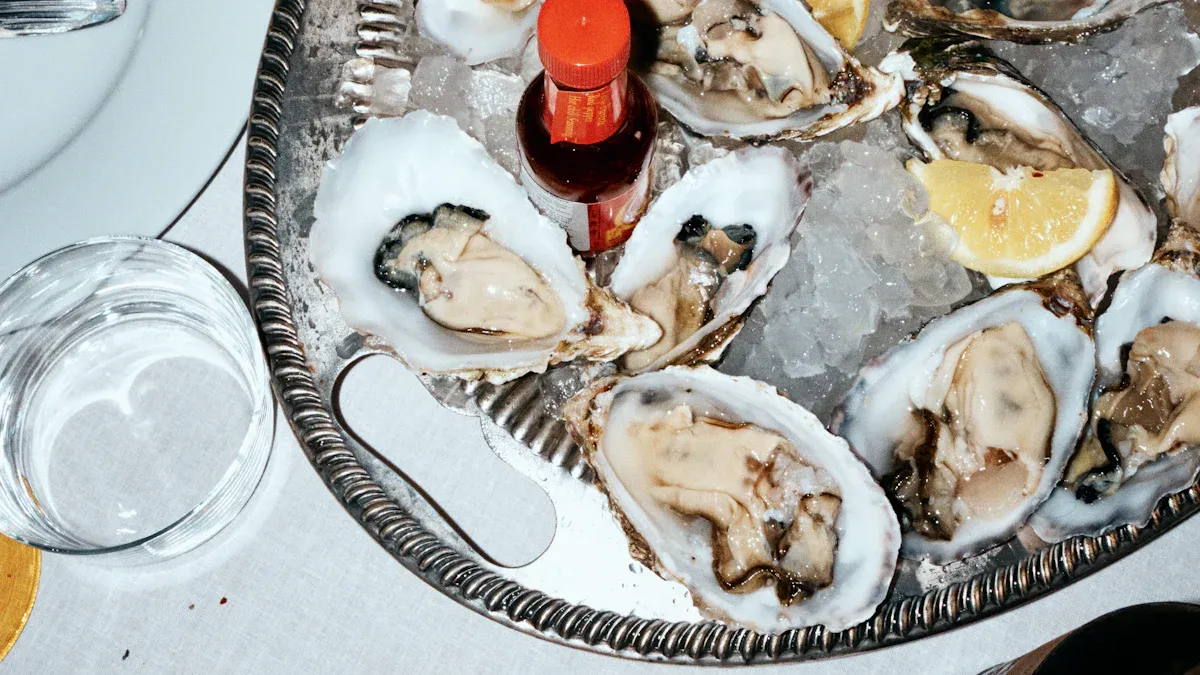
Scallops and oysters also fall under bivalves. Scallops are processed for abductor meat, sometimes with roe intact. Oysters may contain shell fragments due to shucking. Individuals should examine each piece closely, removing any sharp bits. Water conditions influence oyster flavor, but not shell removal.
Seafood shell removal requires attention to detail and knowledge of each shellfish type.
Essential Tools and Preparation for Seafood Shell Removal
Tools You’ll Need
Proper tools make seafood shell removal efficient and safe. He or she should gather the following items before starting:
- Seafood fork or pick: This tool helps extract small shell fragments from delicate meat.
- Tweezers: Tweezers allow for precise removal of tiny shell pieces, especially in crab and oyster meat.
- Paring knife: A sharp paring knife assists in peeling shrimp and trimming away stubborn shell bits.
- Cutting board: A clean, sturdy surface prevents cross-contamination and keeps seafood organized.
- Disposable gloves: Gloves protect hands and maintain hygiene during the process.
- Small bowl for shells: A dedicated bowl keeps removed shells separate from edible meat.
Tip: Using the right tool for each seafood type reduces waste and preserves texture.
Setting Up Your Workspace
A well-organized workspace streamlines seafood shell removal and minimizes mess. He or she should follow these steps:
- Place all tools within easy reach on a sanitized countertop.
- Arrange seafood in small batches to avoid overcrowding and ensure thorough inspection.
- Keep a clean towel nearby to wipe hands and tools as needed.
- Set up a bowl for discarded shells and another for cleaned meat.
- Ensure good lighting to spot even the smallest shell fragments.
A clean and orderly setup helps prevent cross-contamination and speeds up the process. He or she should always wash hands and sanitize surfaces before and after handling seafood.
Step-by-Step Seafood Shell Removal Techniques
Inspecting and Sorting Seafood
A thorough inspection process forms the foundation of effective seafood shell removal. He or she should follow industry best practices to ensure the highest quality and safety. The Recommended Code of Practice for Molluscan Shellfish emphasizes the importance of careful inspection, especially for bivalve molluscs. The following steps help identify and sort out shell fragments:
- Spread seafood in a single layer on a sanitized surface.
- Visually scan for shell fragments, grit, or discoloration.
- Use gloved hands to gently feel for hard or sharp pieces.
- Separate any suspicious pieces for closer examination.
- Repeat the process for each batch to maintain consistency.
Note: Consistent sorting and inspection reduce the risk of shell fragments reaching the final dish.
Advanced technologies can further enhance the inspection process. The table below outlines common tools used in the seafood industry:
| Technology | Capabilities |
|---|---|
| X-ray Sorters | Detects internal defects, foreign materials, and shell fragments, ensuring product quality. |
| Color Sorters | Excels in visual inspection based on shape, size, and color, complementing X-ray sorters. |
| Automated X-ray | Non-destructive detection of contaminants and quality defects, capable of identifying small fragments. |
Removing Shells from Crab Meat
Crab meat often contains small shell fragments, even after processing. Removing these fragments is essential for both safety and quality. He or she should use the following approach:
- Remove shell fragments promptly, as they pose safety risks to consumers.
- Work in a continuous processing line to maintain efficiency and minimize delays.
- Use a seafood fork or tweezers to extract visible shell pieces without damaging the meat.
- Employ ultraviolet light to enhance detection of shell fragments, provided it meets regulatory standards.
A systematic approach ensures that crab meat remains safe and enjoyable for consumption.
Peeling Pre-Cooked Shrimp
Peeling pre-cooked shrimp requires precision to maximize yield and minimize meat loss. The following step-by-step method aligns with industry recommendations:
- Remove the head if attached. Hold the shrimp firmly and twist the head off just behind the gills. Discard or reserve for stock.
- Loosen the shell by starting at the legs. Gently pull the shell away from the body.
- Peel toward the tail. Use thumbs to get underneath the shell and remove segments one by one.
- Decide on the tail. For tail-on shrimp, pinch and pull the shell off while leaving the tail fan intact. For fully peeled shrimp, remove the tail completely with a gentle tug.
- Rinse lightly if needed. If excess shell debris remains, give the shrimp a quick rinse and pat dry.
Soaking Pacific white shrimp in ice water before peeling can further improve results. Studies show that soaking increases the yield of edible meat and reduces the time required for shell removal. For example, soaking for 20 hours can raise yield from 46.87% to 50.53% and decrease peeling time from nearly six minutes to under two minutes.
Checking Clams and Mussels for Fragments
Clams and mussels require careful handling to ensure all shell fragments are removed. He or she should:
- Inspect each piece individually, feeling for hard or gritty bits.
- Remove any remaining byssus threads (beards) from mussels.
- Rinse the meat under cold water to dislodge sand or tiny shell pieces.
- Use a seafood fork or tweezers for precise removal of fragments.
Tip: Always check for sand and shell fragments before adding clams and mussels to recipes.
Handling Scallops and Oysters
Scallops and oysters present unique challenges in seafood shell removal. He or she should:
- Examine each scallop and oyster closely for sharp shell bits, especially around the edges.
- Use tweezers to remove any visible fragments without damaging the meat.
- Rinse oysters gently to remove loose shell particles.
- For scallops with roe, inspect both the meat and roe for hidden fragments.
A careful approach ensures that scallops and oysters remain safe and retain their delicate texture.
Troubleshooting Stubborn Shells and Small Fragments in Seafood Shell Removal
Spotting Tiny Shell Pieces
Tiny shell fragments often escape notice during initial inspection. He or she should use both sight and touch to detect these small hazards. Good lighting helps reveal translucent or sharp pieces. Running gloved fingers gently over the seafood surface can identify hard or gritty spots. For added safety, he or she may use a seafood fork or tweezers to probe through the meat. Consistent inspection in small batches reduces the risk of missing fragments.
Tip: Place seafood on a white plate or tray. The contrast makes shell pieces easier to see.
Dealing with Hard-to-Remove Shells
Some shells resist removal, especially in crab meat. He or she may encounter several challenges:
- The crab may cling tightly to its shell. Freezing the crab briefly can weaken its grip and make removal easier.
- Fragile shells can break apart. A gentle approach prevents cracking and preserves the meat.
- Finding a grip can prove difficult. Wearing gloves improves control and reduces slippage.
He or she should always select the right tool for the job. Patience and proper technique ensure the best results.
Preventing Shells from Getting into Your Dish
Prevention remains the most effective strategy in seafood shell removal. He or she should inspect seafood before and after processing. Using separate bowls for cleaned meat and discarded shells keeps fragments contained. Frequent hand washing and tool cleaning prevent cross-contamination. Before serving, a final check ensures no shell pieces remain.
Note: Careful handling at every stage protects both the quality of the dish and the safety of those who enjoy it.
Best Practices for Efficiency and Safety in Seafood Shell Removal
Working Cleanly and Quickly
Efficiency and cleanliness play a critical role in seafood shell removal. He or she should organize tools and seafood before starting. This preparation reduces unnecessary handling and speeds up the process. In commercial settings, processors rely on specialized equipment for different shellfish. Heavy-duty cutting tools and custom work surfaces help workers remove shells with minimal effort. Upgrading to professional equipment designed for crustaceans can improve both yield and speed.
The following table outlines important guidelines for maintaining hygiene and reducing contamination risks:
| Guideline | Description |
|---|---|
| Minimize Handlings | Reducing the number of times shellfish are handled helps prevent contamination. |
| Avoid Excessive Shocks | Preventing shocks during handling maintains shell integrity and reduces risk. |
| Maintain Hygienic Practices | Using clean seawater and proper disinfection is crucial for safe handling. |
He or she should always wash hands and sanitize surfaces before and after handling seafood. Quick, clean work not only protects the quality of the meat but also ensures food safety.
Safe Handling and Disposal of Shells
Proper disposal of shells supports both safety and environmental responsibility. Traditional methods, such as landfilling and incineration, create methane emissions and air pollution. These practices can conflict with sustainability goals and may result in regulatory penalties. Sustainable alternatives, like converting shells into organic fertilizer, help reduce environmental impact and offer new business opportunities.
He or she should separate shells from edible meat immediately. Designated containers for shell waste keep the workspace organized and safe. Following local waste management guidelines ensures compliance and supports a cleaner environment.
Tip: Sustainable disposal methods protect the environment and can benefit seafood businesses.
Seafood shell removal benefits from a gentle touch and the right tools:
- Gently gripping and wiggling crab parts minimizes harm.
- A careful approach improves outcomes and comfort.
Double-checking seafood for hidden shells reduces injury risk:
| Finding | Description |
|---|---|
| Detection of foreign materials | Thorough inspection prevents consumer injury from hidden contaminants. |
| Human inspection | Careful review is essential for difficult-to-detect shell fragments. |
| Tactile sensors | Advanced tools highlight the need for double-checking. |
Practice improves speed and accuracy. Clean workspaces help prevent cross-contamination.
FAQ
How can someone spot hidden shell fragments in canned seafood?
Good lighting and a white plate help reveal small shell pieces. Running gloved fingers over the meat detects hard or gritty spots missed during visual inspection.
What should he or she do if a shell fragment is found after cooking?
Remove the fragment with tweezers or a fork. Inspect the remaining seafood again before serving to ensure no additional pieces remain.
Are there any tools that make shell removal easier for beginners?
- Seafood forks
- Tweezers
- Paring knives
These tools help beginners remove shells efficiently and safely without damaging the seafood.
See Also
The Importance of Capsule Sorters in Eliminating Defects
Essential Guidelines for Safe Nitric Acid Storage Practices
Unexpected Methods for Diagnosing Sulfur Recovery Catalysts
Enhancing Pharmaceutical Efficiency with Modern Capsule Decapsulation