The Hidden Science Behind Your RO Water Filter
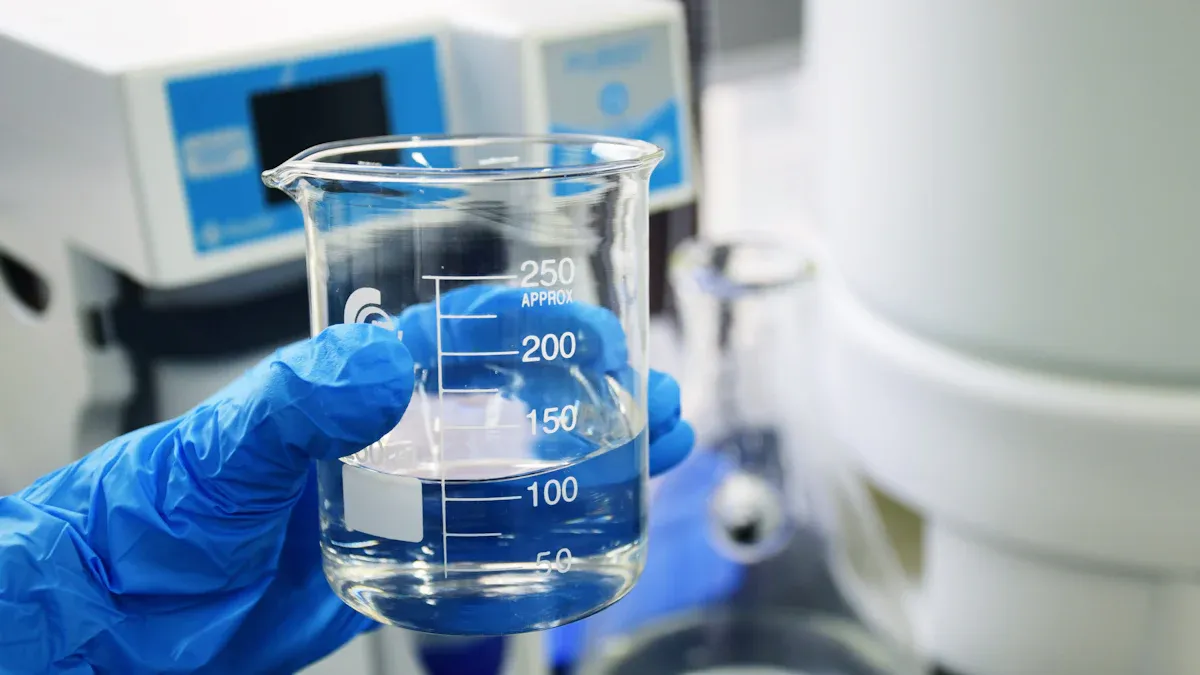
Your reverse osmosis (RO) filter uses a multi-stage process for domestic water treatment. Household water pressure forces water molecules through a microscopic membrane. This action physically blocks contaminants like metals and bacteria. The system then flushes these impurities away, leaving behind exceptionally pure water for you to drink.
Did You Know? 🧐 Analyses of U.S. drinking water have identified over 300 different contaminants, including lead, pesticides, and industrial chemicals known as PFAS.
Key Takeaways
- RO filters use pressure to push water through a special membrane. This membrane blocks tiny particles like metals and bacteria. It gives you very clean drinking water.
- The RO membrane has tiny holes. These holes are too small for most bad things to pass through. It also pushes away charged particles, making your water pure.
- An RO system has many parts that work together. Pre-filters clean big dirt. The main membrane does the deep cleaning. Post-filters make the water taste fresh.
From Natural Osmosis to Reverse Osmosis
To understand how your filter works, we first need to look at a fundamental process in nature: osmosis. The "reverse" in reverse osmosis is the key to its purifying power. It takes a natural tendency and flips it using simple physics.
Understanding Natural Osmosis
Osmosis is a natural process vital for life. It describes the movement of water across a special type of barrier called a semi-permeable membrane. Think of this membrane as a fence with very small holes. Water molecules are small enough to pass through, but larger molecules like salts, minerals, and sugars are not.
Nature always seeks balance. Water naturally moves from an area with a lower concentration of dissolved solids to an area with a higher concentration. This movement continues until the concentration is roughly equal on both sides of the membrane. This process is driven by what scientists call osmotic pressure—the force of water moving to dilute the more concentrated side.
You can see osmosis happening all around you and even inside you:
- Plants 🪴: Plant roots absorb water from the soil through osmosis. The roots have a higher concentration of solutes than the surrounding soil, which naturally draws water into the plant. This is how water begins its journey up to the leaves.
- Human Cells 🧍: Our cells rely on osmosis to stay hydrated. The process moves water across cell membranes to maintain a proper balance of water and solutes. This balance is essential for cells to function correctly.
A Historical Glimpse 📜 The phenomenon of osmosis was first observed in a lab by French scientist Jean-Antoine Nollet in 1748. He used a pig's bladder as a semi-permeable membrane to show how water moved into a solution of alcohol. For nearly 200 years, it remained mostly a laboratory curiosity.
How "Reversing" Osmosis Purifies Water
The magic of your RO system happens when we reverse this natural process. Instead of letting water flow toward the side with more contaminants, we force it in the opposite direction.
This is achieved by applying pressure. Your home's water pressure provides the force needed to push water against its natural osmotic flow. This external pressure must be greater than the natural osmotic pressure. It effectively squeezes the water molecules from the contaminated side of the RO membrane to the clean, purified side.
The larger contaminant molecules are left behind. They are unable to pass through the membrane's microscopic pores. The system then flushes these rejected contaminants away as wastewater.
This brilliant application of science did not happen overnight.
- Initial Research (1950s): Researchers at the University of California at Los Angeles (UCLA) began studying osmosis for desalinating seawater. They successfully produced fresh water, but the process was too slow to be practical.
- The Breakthrough (1960s): A major leap forward occurred when scientists Sidney Loeb and Srinivasa Sourirajan developed a new type of asymmetric membrane. This new design made the process efficient enough for commercial use.
- Modern Application: This technology is now so effective that it is used in everything from large-scale industrial plants that turn seawater into drinking water to the compact RO system under your sink.
By reversing osmosis, your filter effectively removes an incredible range of impurities.
| Category | Examples Removed |
|---|---|
| Heavy Metals | Lead, Arsenic, Mercury |
| Chemicals | Chlorine, Fluoride, Pesticides |
| Microorganisms | Bacteria, Viruses, Protozoa |
| Dissolved Solids | Nitrates, Sulfates, Salts (TDS) |
This powerful scientific principle is what ensures the water from your RO tap is exceptionally pure and safe to drink.
The Heart of the System: The RO Membrane
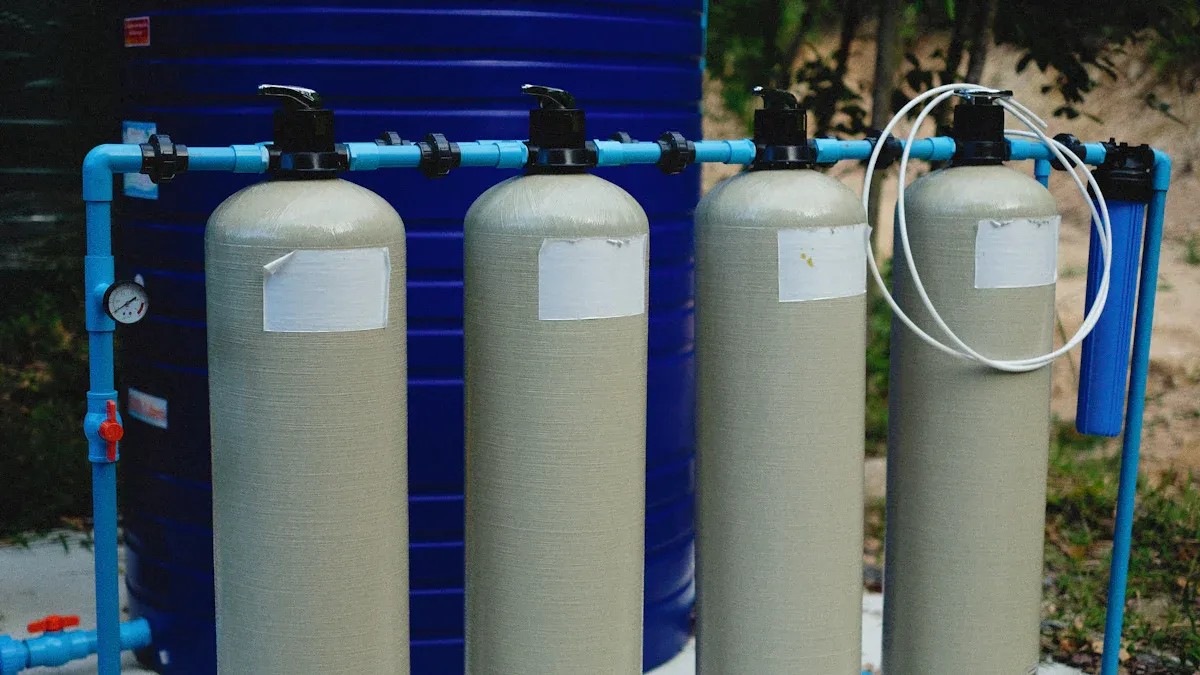
The reverse osmosis membrane is the centerpiece of your water filter. It is a marvel of material science. This component performs the most critical task: separating pure water molecules from a wide array of contaminants. Its design is both incredibly simple and highly sophisticated.
The Science of the Membrane Material
Your RO membrane is not just a single sheet of material. It is a high-tech sandwich called a Thin-Film Composite (TFC) membrane. This design gives it both the strength to withstand water pressure and the precision to filter at a microscopic level. A TFC membrane has three distinct layers working together.
-
Layer 1: The Polyamide (PA) Selective Layer This is the ultra-thin top layer and the true workhorse of the membrane. It is only about 0.2 micrometers thick, which is hundreds of times thinner than a human hair. This dense polyamide film is what actively rejects contaminants like salts and heavy metals. It is created from two key monomers, m-phenylenediamine and trimesoyl chloride, which link together to form the selective barrier.
-
Layer 2: The Polysulfone (PSF) Porous Support Layer Beneath the delicate polyamide film lies a thicker, more porous layer of polysulfone. This layer provides crucial mechanical strength. It supports the thin top layer against the high pressure of your household water system, preventing it from tearing. Its porous structure allows water to pass through easily after it has been purified by the polyamide layer.
-
Layer 3: The Polyester (PET) Fabric Support The final layer is a non-woven polyester fabric. This layer acts as the foundation for the entire membrane, providing overall structural integrity and making it easier to handle during manufacturing and installation.
Think of it like this 🥪: The polyester is the plate, the polysulfone is the sturdy piece of bread, and the polyamide is the special spread on top that only lets certain things through.
How the Membrane Selectively Blocks Contaminants
The RO membrane uses two primary scientific principles to separate contaminants from water: molecular sieving and electrostatic repulsion.
1. Molecular Sieving (Size Exclusion)
This is the most straightforward mechanism. The pores in the polyamide layer are incredibly small, typically around 0.0001 microns. To put that in perspective:
| Object | Approximate Size (in microns) |
|---|---|
| RO Membrane Pore | 0.0001 |
| Virus | 0.02 - 0.4 |
| Bacteria | 0.2 - 10 |
| Human Hair | 50 - 70 |
A water molecule is small enough to pass through these tiny pores. However, most dissolved solids, heavy metals, bacteria, and viruses are physically too large. The membrane acts like a microscopic gatekeeper, blocking these larger particles. Recent science shows that water molecules travel as clusters through interconnected sub-nanometer tunnels within the membrane, driven by the pressure gradient.
2. Electrostatic Repulsion and Ion Dehydration
This second mechanism is a bit more complex and deals with dissolved contaminants that are very small, like heavy metal ions.
-
Charge Repulsion: The surface of the polyamide membrane naturally carries a slight negative charge. Many contaminants, such as nitrate, fluoride, and arsenic ions, also carry a negative charge. Just like two negative ends of a magnet push each other away, the membrane surface repels these negatively charged ions, preventing them from passing through. This principle is known as electrostatic repulsion.
-
Ion Dehydration: In water, many contaminant ions do not travel alone. They attract water molecules, forming a larger "hydration shell" around themselves due to strong electrostatic interactions. For one of these hydrated ions to squeeze through a membrane pore, it must first shed this shell of water. This dehydration process requires a significant amount of energy. This energy requirement creates a barrier that makes it very difficult for the ion to pass through, leading to its rejection.
These two mechanisms—sieving out large particles and repelling smaller charged ones—work together. This powerful combination is what allows the RO membrane to remove up to 99% of all dissolved solids from your water.
Key Components and Their Scientific Roles
An RO system is more than just the membrane. It is a team of filters working together. Each component has a specific scientific job to do, ensuring the final product is pure, clean water.
Pre-Filters: The First Line of Defense
Before water ever reaches the RO membrane, it passes through pre-filters. These filters act as bodyguards for the delicate membrane. The first is a sediment filter. It physically blocks larger particles that can clog the system.
- Sand and silt
- Dirt and clay
- Rust from old pipes
- Organic debris like pollen or fibers
Next, water flows through a carbon pre-filter. This filter uses activated carbon to remove chlorine and other chemicals. Chlorine can damage the thin polyamide layer of the RO membrane. Special catalytic carbon filters are also used to break down tough chemicals like chloramines, protecting the membrane and improving water purity.
The RO Membrane: The Core Purifier
The RO membrane is the heart of the system. Here, the main purification happens. Water is forced through its microscopic pores, which are about 0.0001 microns wide. This process is incredibly effective. It removes up to 99% of all total dissolved solids (TDS). The membrane blocks contaminants that are physically too large to pass through, including most bacteria and viruses. It also repels charged ions like lead and arsenic, ensuring they are flushed away.
Post-Filters: The Final Polish
After leaving the storage tank, the water goes through one last stage: the post-filter. This is often another carbon filter. Its job is to give the water a final polish. It removes any remaining tastes or odors the water may have picked up while in the tank.
Enhancing Your Water 💧 Some RO systems include a remineralization post-filter. This special cartridge adds healthy minerals like calcium and magnesium back into the purified water. This can improve the taste and add beneficial nutrients.
The Role of RO in Domestic Water Treatment
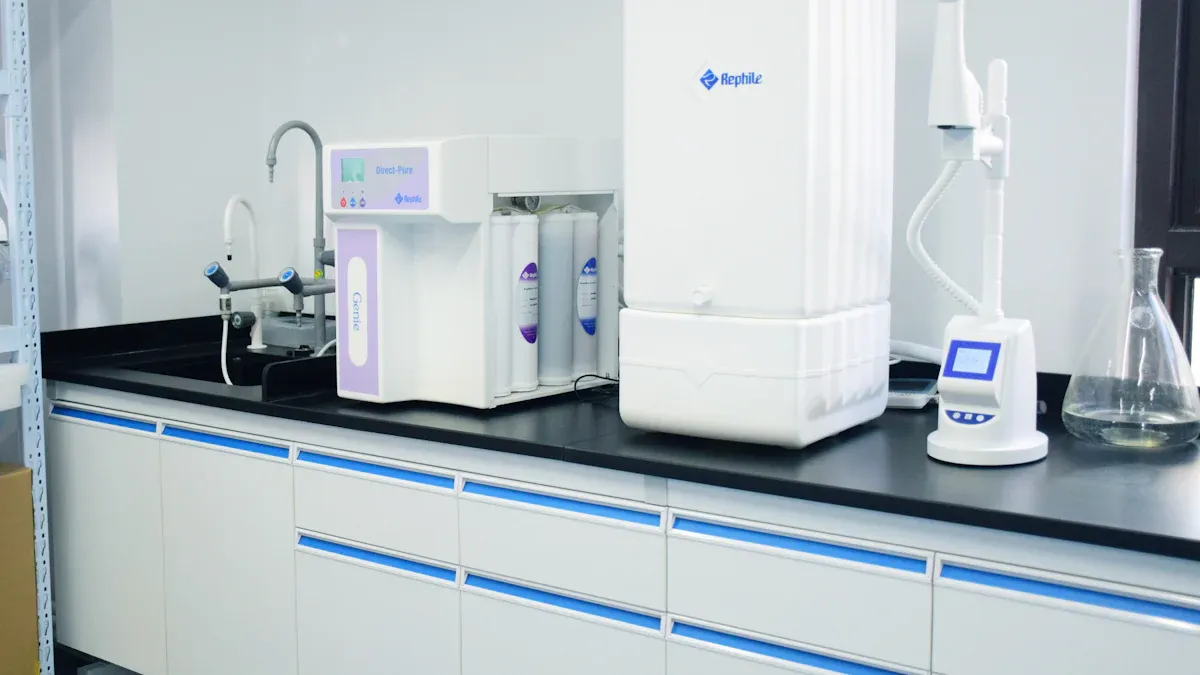
The effectiveness of your RO system depends on a delicate balance of physics and engineering. Pressure and water flow are two critical factors that determine the quality of your drinking water. This makes it a sophisticated method for domestic water treatment.
Pressure, Purity, and Performance
Pressure is the engine that drives the reverse osmosis process. Your system needs enough force to push water molecules through the membrane. Most standard RO systems work best with a household water pressure between 45 and 80 psi. A pressure below 40 psi can cause problems.
Why Pressure Matters 💧 Low water pressure reduces the system's ability to filter effectively. It leads to slower water production and allows more contaminants to remain in the final product.
Higher pressure improves both the speed and quality of filtration. It pushes more water through the membrane faster. It also helps the membrane reject more contaminants, resulting in purer water with lower Total Dissolved Solids (TDS). For homes with low pressure, a booster pump is a great solution. This device increases the incoming pressure, ensuring the system performs correctly and provides reliable domestic water treatment.
Why Wastewater is Part of the Process
An RO system produces a stream of wastewater, also called brine. This is a normal and necessary part of the process. This wastewater carries away all the contaminants that the membrane has filtered out. Without this flushing action, the membrane would quickly clog and fail.
Modern RO systems are much more efficient than older models. Many new systems have greatly reduced the amount of water sent to the drain. This makes domestic water treatment more sustainable.
| System Type | Purified to Wastewater Ratio |
|---|---|
| High-Efficiency RO | 1:2 or even 1:1 |
| Permeate Pump System | Can reduce waste by up to 80% |
Technologies like permeate pumps help the system work more efficiently, saving water and extending the filter's life. Other "zero-waste" systems even recycle the brine water for other uses, like flushing a toilet.
The hidden science of reverse osmosis is a powerful process. It applies pressure greater than the natural osmotic pressure to purify water. A sophisticated, multi-stage system works together for effective domestic water treatment. This scientific process removes a vast range of contaminants like lead, arsenic, and viruses that other filters might miss.
FAQ
Does RO remove healthy minerals?
Yes, the process removes most minerals. Some systems include a remineralization filter. This special filter adds healthy minerals like calcium and magnesium back into your purified water.
How often should I change the filters?
Filter changes depend on your water quality.
- Pre/Post-Filters: Every 6 to 12 months.
- RO Membrane: Every 2 to 3 years. Regular changes keep your system working well.
Is the wastewater from an RO system safe?
Yes, the wastewater is safe for your drain. It carries the filtered contaminants away from the membrane. This water is similar to regular tap water but with higher mineral concentrations.
See Also
Demystifying Sterile Filter Devices: How They Function for Optimal Performance
The Benefits of Self-Priming Water Pumps for Your Home System
Discovering the Best Precoating Materials for Advanced Filtration Systems in 2025
Essential Pressure Plate Insights: Smart Choices for Significant Savings
Simplifying AHRI 400/401 Heat Exchanger Solutions for Easy Implementation