Essential Steps for Safe Use of Tankii Alloy 12 Volt Heating Element Quartz Ceramic Heating Tube in Industrial Furnaces
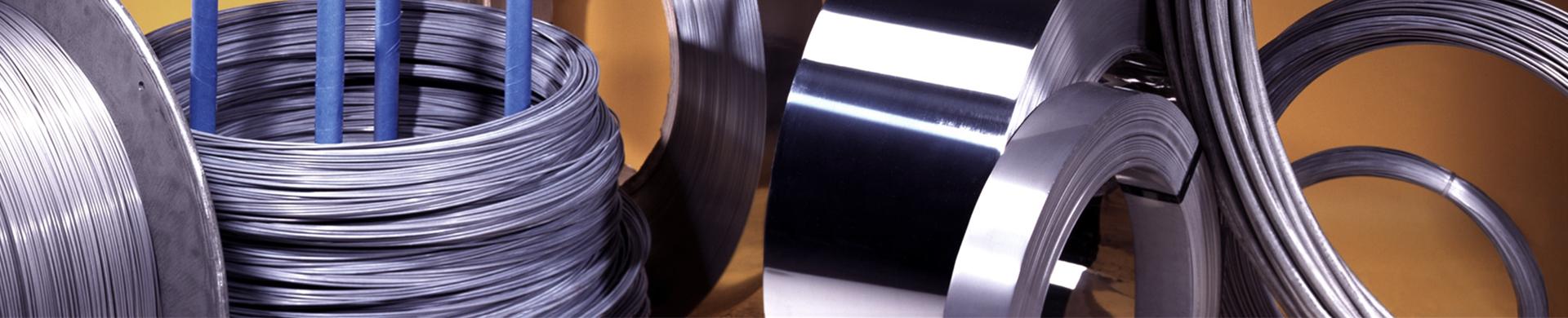
You need to handle the Tankii Alloy 12 Volt Heating Element Quartz / Ceramic Heating Tube with care in your furnace. Correct installation helps you avoid electrical risks. Safe operation keeps your equipment running smoothly. Regular checks and proper maintenance protect you from hazards and extend the heating element’s life.
Key Takeaways
- Always inspect the Tankii Alloy heating tube for compatibility and damage before installation. A damaged tube can lead to serious safety risks.
- Ensure the electrical requirements are met. The heating element needs a 12-volt power supply to operate safely and effectively.
- Perform regular checks and maintenance on the heating tube. Inspect for wear and clean the area weekly to prevent overheating and extend its lifespan.
Pre-Installation and Installation of Tankii Alloy 12 Volt Heating Element Quartz / Ceramic Heating Tube
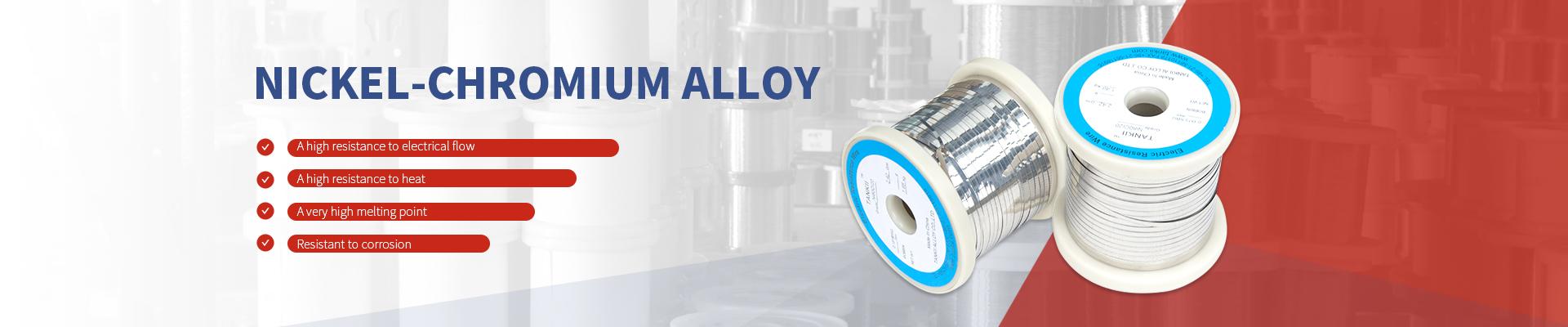
Inspect for Compatibility and Damage
Before you install the Tankii Alloy 12 Volt Heating Element Quartz / Ceramic Heating Tube, you should check if it matches your furnace. Look at the size and shape of the heating tube. Make sure it fits the space inside your furnace. You also need to check the material. The Tankii Alloy uses FeCrAl alloy, which works well in high temperatures.
Next, inspect the heating tube for any cracks or chips. Even small damage can cause problems later. Hold the tube up to the light and look for any marks or scratches. If you see any, do not use the tube. Always use a new and undamaged heating element for safety.
Verify Electrical Requirements and Safety Standards
You must check the electrical requirements before you start the installation. The Tankii Alloy 12 Volt Heating Element Quartz / Ceramic Heating Tube needs a 12-volt power supply. Make sure your furnace can provide this voltage. Using the wrong voltage can damage the heating element or cause safety risks.
You should also confirm that the heating tube meets important industry standards. These standards help you know that the product is safe and reliable. Here is a table showing some of the main standards and certifications:
| Standard | Certification |
|---|---|
| AiSi | MTC |
| ASTM | N/A |
| DIN | N/A |
| EN | N/A |
| GB | N/A |
| JIS | N/A |
Check your furnace manual to see which standards it requires. The Tankii Alloy 12 Volt Heating Element Quartz / Ceramic Heating Tube comes with a Material Test Certificate (MTC), which proves its quality.
Step-by-Step Installation Guide
Follow these steps to install the heating tube safely:
- Turn off all power to the furnace. Wait until the furnace cools down.
- Wear safety gloves and goggles to protect yourself.
- Remove the old heating element if there is one. Use the right tools for your furnace.
- Clean the area where you will place the new heating tube. Dust and dirt can cause problems.
- Slide the Tankii Alloy 12 Volt Heating Element Quartz / Ceramic Heating Tube into the correct position. Make sure it sits firmly and does not move.
- Attach any brackets or holders to keep the tube in place.
- Do not touch the heating surface with your bare hands. Oil from your skin can damage the tube when it heats up.
Tip: Take your time during installation. Rushing can lead to mistakes or accidents.
Secure Electrical Connections and Grounding
You need to connect the wires to the heating tube. Make sure the connections are tight and secure. Loose wires can cause sparks or overheating. Use the right type of wire for your furnace and the heating element.
Grounding is very important. Connect the ground wire to prevent electric shock. Check that the ground connection is solid and follows your local electrical codes. If you are not sure, ask a qualified electrician for help.
After you finish, double-check all connections. Make sure nothing is loose or out of place. This step helps you avoid problems when you turn on the furnace.
Operation and Maintenance of Tankii Alloy 12 Volt Heating Element Quartz / Ceramic Heating Tube

Initial Power-Up and Monitoring
You need to power up the Tankii Alloy 12 Volt Heating Element Quartz / Ceramic Heating Tube with care. Start by switching on the furnace at the lowest setting. Watch the control panel for any warning lights or error messages. Listen for unusual sounds. If you see or hear anything strange, turn off the furnace right away.
You should check the temperature rise. The heating tube should warm up evenly. Use a thermometer or a thermal camera to check the surface temperature. If you notice cold spots or overheating, stop the process and inspect the installation.
Tip: Always stay near the furnace during the first power-up. This helps you react quickly if something goes wrong.
Adjust Settings for Performance
You can adjust the settings to get the best performance from your heating tube. Set the voltage to exactly 12 volts. Use the control panel to fine-tune the temperature. Make small changes and wait for the furnace to respond.
If your furnace has a programmable controller, set the desired temperature and time. This helps you keep the temperature steady. You can also use timers to save energy and protect the heating element.
A table can help you track your settings:
| Setting | Recommended Value | Notes |
|---|---|---|
| Voltage | 12V | Do not exceed this value |
| Max Temperature | 1250°C | Check with thermometer |
| Timer | As needed | Use for energy efficiency |
Routine Operational Safety Checks
You should check the Tankii Alloy 12 Volt Heating Element Quartz / Ceramic Heating Tube every day. Look for signs of wear or damage. Check the wires for loose connections. Make sure the ground wire is still attached.
Use a checklist to help you remember:
- Inspect the heating tube for cracks or discoloration.
- Check all electrical connections.
- Test the temperature controls.
- Listen for unusual noises.
Note: Write down your findings in a logbook. This helps you spot problems early.
Emergency Shutdown Procedures
You must know how to shut down the furnace in an emergency. If you see smoke, sparks, or smell burning, act fast. Turn off the main power switch. Unplug the furnace if possible. Move away from the area and alert others.
Practice these steps with your team:
- Turn off the furnace power.
- Unplug the unit if safe.
- Use a fire extinguisher if needed.
- Call for help if you cannot control the situation.
Alert: Never use water on electrical fires. Use a dry chemical extinguisher.
Cleaning and Inspection Schedule
You need to keep the heating tube clean for safe operation. Dust and dirt can cause overheating. Clean the area around the Tankii Alloy 12 Volt Heating Element Quartz / Ceramic Heating Tube every week. Use a soft brush or a vacuum. Do not use water or wet cloths.
Inspect the heating tube once a month. Look for cracks, chips, or signs of corrosion. Replace the tube if you find any damage. Check the electrical connections during each inspection.
A simple cleaning schedule:
- Weekly: Clean dust and debris.
- Monthly: Inspect for damage and check connections.
Troubleshooting Common Issues
You may face some common problems with your heating tube. Here are some issues and solutions:
| Problem | Possible Cause | Solution |
|---|---|---|
| No heat | Loose connection | Tighten wires |
| Uneven heating | Damaged tube | Replace heating tube |
| Overheating | Wrong voltage | Set to 12V |
| Strange noises | Loose parts | Secure all components |
If you cannot fix the problem, contact a qualified technician. Always turn off the furnace before you start repairs.
Tip: Keep the user manual nearby. It can help you solve many problems quickly.
You can keep your Tankii Alloy 12 Volt Heating Element Quartz / Ceramic Heating Tube working safely by following these steps:
- Install the tube with care.
- Operate it using the right settings.
- Check and clean it often.
Remember: Follow safety rules and the manufacturer’s guide to avoid hazards and extend the tube’s life.
FAQ
How often should you inspect the Tankii Alloy heating tube?
You should inspect the heating tube every month. Look for cracks, chips, or loose wires. Regular checks help you catch problems early.
Can you clean the heating tube with water?
Never use water to clean the heating tube. Use a soft brush or vacuum. Water can damage the tube and cause safety risks.
What should you do if the heating tube does not heat up?
- Check all electrical connections.
- Make sure the voltage is set to 12V.
- Replace the tube if you see damage.
See Also
Investigating Molybdenum Furnaces: Design And Functionality Insights
Essential Safety Guidelines For Storing Nitric Acid Safely
Comprehensive 2025 Overview Of Semi-Welded Heat Exchangers